1. ArchDaily
  2. Geography

Geography: The Latest Architecture and News

Lisbon Architecture Triennale 2025 Examines the Technosphere and Human Impact on Earth

Subscriber Access | 

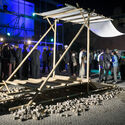
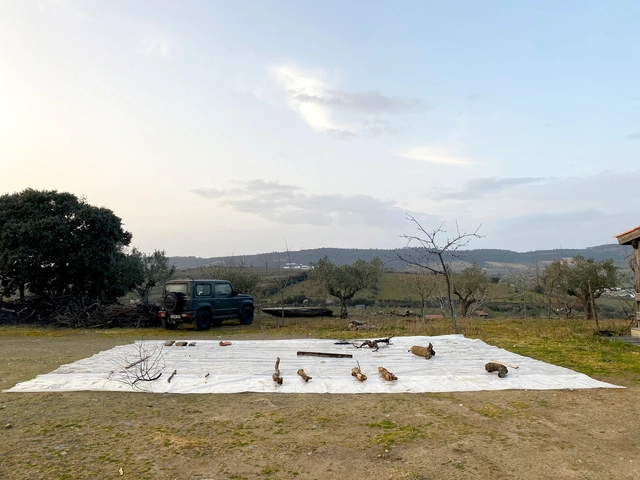
Thirty trillion tons. This is the estimated mass of all human-made matter on Earth, and the starting point for the 7th edition of the Lisbon Architecture Triennale. Curated by Ann-Sofi Rönnskog and John Palmesino, founders of Territorial Agency, the event asks a deceptively simple question: How heavy is a city? To answer it requires more than data. It demands a shift in perception: from the scale of the city to the planetary technosphere.

The technosphere, a term borrowed from Earth sciences, defines the vast system of infrastructures, technologies, and materials that sustain human life while reshaping the planet. Cities, in this view, are not only territories but dense nodes within this planetary metabolism. From October to December 2025, Lisbon becomes a lens to examine that magnitude, hosting three main exhibitions (Fluxes, Spectres, Lighter), a book of essays, a talks program, and more than twenty independent projects across the city.

Lisbon Architecture Triennale 2025 Examines the Technosphere and Human Impact on Earth - Image 1 of 4Lisbon Architecture Triennale 2025 Examines the Technosphere and Human Impact on Earth - Image 2 of 4Lisbon Architecture Triennale 2025 Examines the Technosphere and Human Impact on Earth - Image 3 of 4Lisbon Architecture Triennale 2025 Examines the Technosphere and Human Impact on Earth - Image 4 of 4Lisbon Architecture Triennale 2025 Examines the Technosphere and Human Impact on Earth - More Images+ 8

Radical Rituals: Studio forty five degrees Searches for Local Space-Making Practices Across Europe

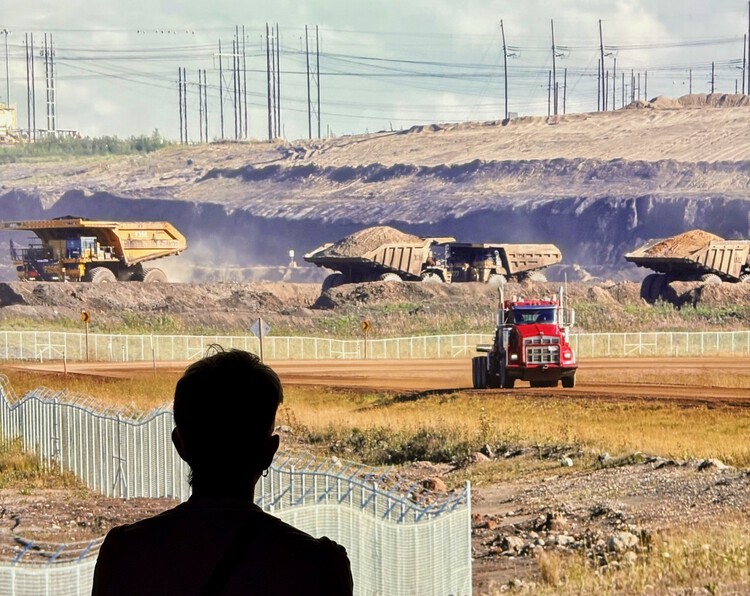
When talking about space-making practices, architects and urban planners are usually thinking about participatory planning and collaborative processes, often overlooking the ways in which the communities themselves can become their own agents of change. As the people poses an intimate knowledge of not only their environment, but also of social and cultural norms, the needs of their communities and latent opportunities within their surroundings, they are often the ones initiating actions, supporting their peers and contributing positively to their locality. Research-focused office forty five degrees set out to explore these grass-roots initiatives, to meet the locals and gather their stories in an effort to gain a better understanding of the complex and diverse cultural territories across Europe. Their journey, organized under the “Radical Rituals” project, follows the 45°N parallel line that transverses Europe from East to West. The office has been selected as part of ArchDaily's 2023 New Practices, an annual survey aimed at showcasing those who adress the ever-growing challanges of our times and take architecture to new directions.
Radical Rituals: Studio forty five degrees Searches for Local Space-Making Practices Across Europe - Image 1 of 4Radical Rituals: Studio forty five degrees Searches for Local Space-Making Practices Across Europe - Image 2 of 4Radical Rituals: Studio forty five degrees Searches for Local Space-Making Practices Across Europe - Image 3 of 4Radical Rituals: Studio forty five degrees Searches for Local Space-Making Practices Across Europe - Image 4 of 4Radical Rituals: Studio forty five degrees Searches for Local Space-Making Practices Across Europe - More Images+ 6

The Main Problems in Landscape Design — And How to Avoid Them

Subscriber Access | 

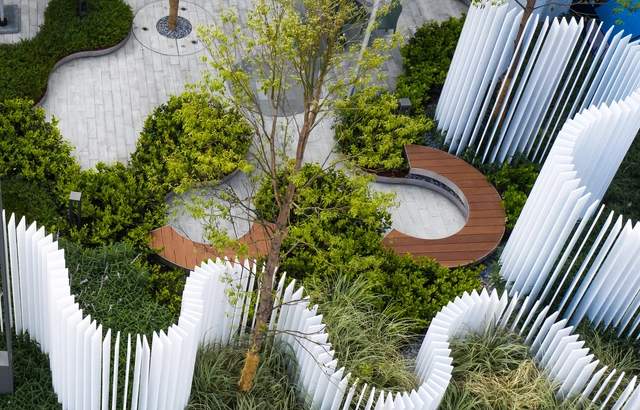
Far beyond its decorative features, landscaping brings with it biological and cultural issues that need to be addressed in projects. However, what can be seen in most public, residential, condominium, commercial and business gardens is a series of approaches that distance landscaping from all its attributes, reducing it to a decorative layer in the construction. Next, we have put together strategies to avoid the main problems of landscape design, joining aesthetics with its environmental and cultural possibilities.

The Main Problems in Landscape Design — And How to Avoid Them - Image 1 of 4The Main Problems in Landscape Design — And How to Avoid Them - Image 2 of 4The Main Problems in Landscape Design — And How to Avoid Them - Image 3 of 4The Main Problems in Landscape Design — And How to Avoid Them - Image 4 of 4The Main Problems in Landscape Design — And How to Avoid Them - More Images+ 1

"The Future of Water" Is the Theme of the Portuguese Exhibition at the Venice Architecture Biennale 2023

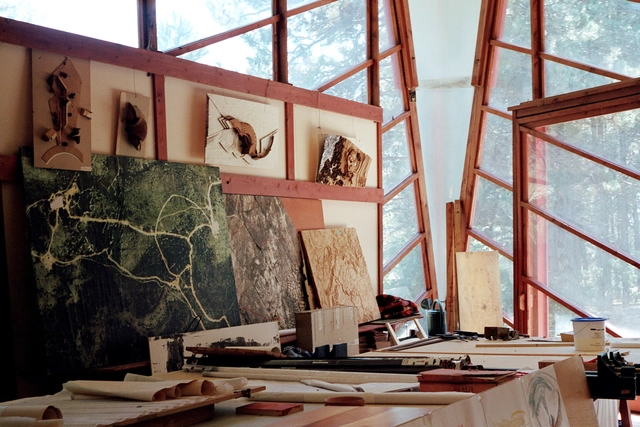
The Portugal pavilion at the 18th International Architecture Exhibition - La Biennale di Venezia 2023 will present the Fertile Futures project, curated by Andreia Garcia and assistant curators Ana Neiva and Diogo Aguiar. The project aims to address water resources issues in seven Portuguese hydro geographies and encourage reflection on building a sustainable, equitable, and fertile future. The exhibition will take place at Palazzo Franchetti from May 20 to November 26, 2023.

"The Future of Water" Is the Theme of the Portuguese Exhibition at the Venice Architecture Biennale 2023 - Image 1 of 4"The Future of Water" Is the Theme of the Portuguese Exhibition at the Venice Architecture Biennale 2023 - Image 2 of 4"The Future of Water" Is the Theme of the Portuguese Exhibition at the Venice Architecture Biennale 2023 - Image 3 of 4"The Future of Water" Is the Theme of the Portuguese Exhibition at the Venice Architecture Biennale 2023 - Image 4 of 4The Future of Water Is the Theme of the Portuguese Exhibition at the Venice Architecture Biennale 2023 - More Images+ 3

The Different Cartographic Projections and What They Mean

Subscriber Access | 

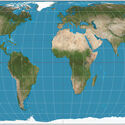
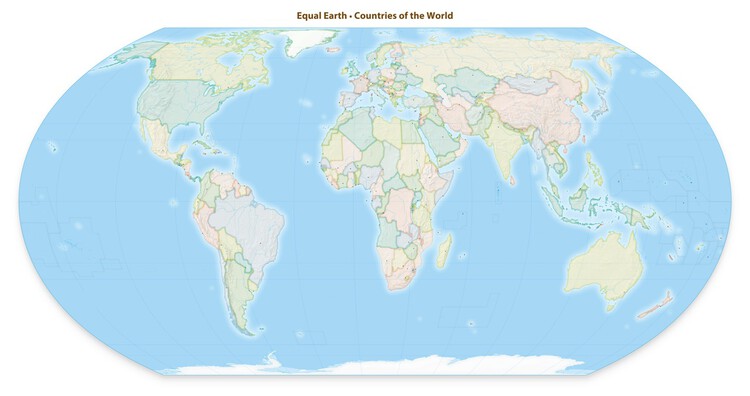
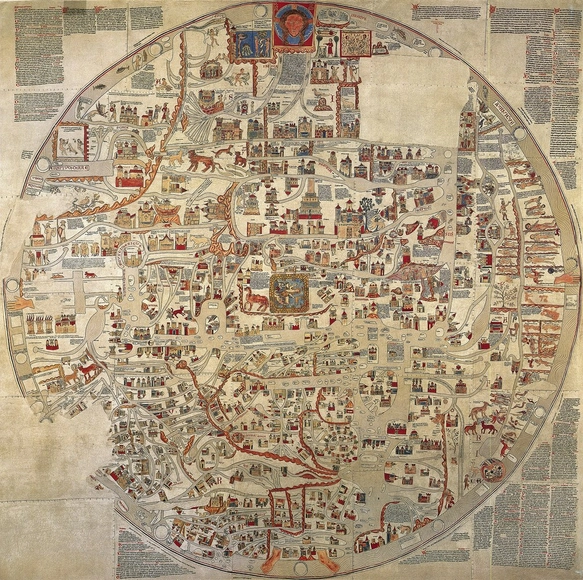
Cartography consists of the flat, simplified and conventional geometric representation of the earth's surface, presented in the form of maps, charts or blueprints. Because it is a two-dimensional representation of something that is three-dimensional, all representations undergo some kind of deformation, so that the choice of a method takes into account not only technical aspects, but also political ones.

Colombia’s Pavilion at Expo 2020 Dubai: A Fusion of Geography, City and Culture

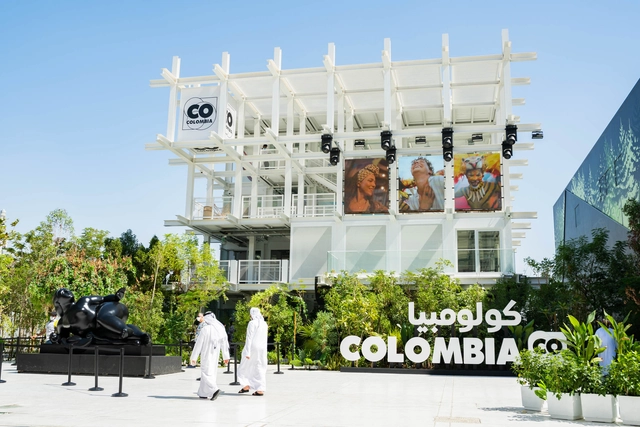
The Colombia Pavilion at Expo 2020 Dubai is thought of as an artefact with the ability to tell the past, present and future stories of the country's culture through its music. Supported by its geography and its cities, the pavilion designed by Pacheco Estudio de Arquitectura intersperses dense vegetation with water, representing the great biodiversity of its plant and animal world, and is composed of a reticular structure in three dimensions symbolising the urban centres that are constantly growing.

By proposing a route from the vegetable and aquatic floor to the open ceiling, the artefact is quickly identifiable from a distance and seeks to remain in the memory of those who visit it as a fresh, open space that reveals itself to all and finds itself in constant development.
Rural Landscapes: How Food Production Shapes the Land

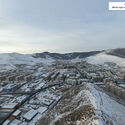
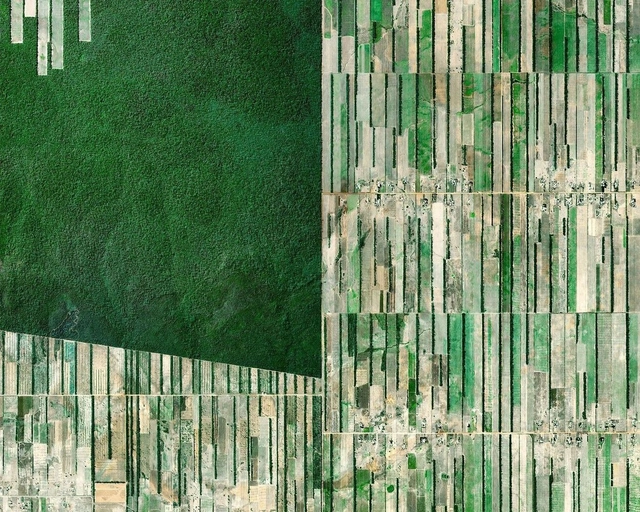
Food cultivation is one of the great historical milestones of our society's development. The knowledge of agriculture was fundamental for the evolution of a nomadic society into a sedentary civilization. Centuries later, agricultural production has become one of the main contributors to the organization of the land. This phenomenon can be seen in the aerial images we have selected below.
Rural Landscapes: How Food Production Shapes the Land - Image 1 of 4Rural Landscapes: How Food Production Shapes the Land - Image 2 of 4Rural Landscapes: How Food Production Shapes the Land - Image 3 of 4Rural Landscapes: How Food Production Shapes the Land - Image 4 of 4Rural Landscapes: How Food Production Shapes the Land - More Images+ 8

GeoGuessr Game Uses Street View to Create a Geographical Puzzle

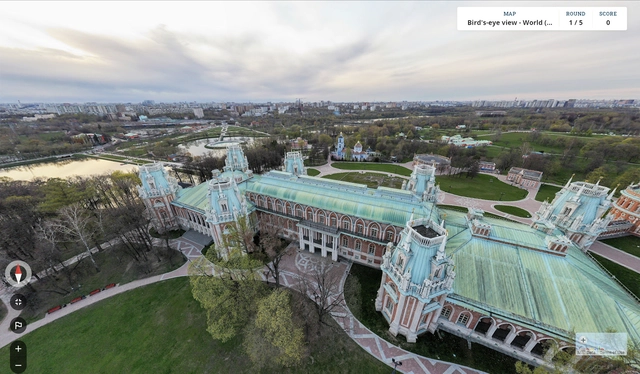
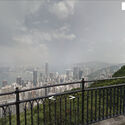
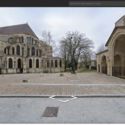
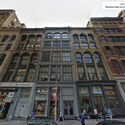
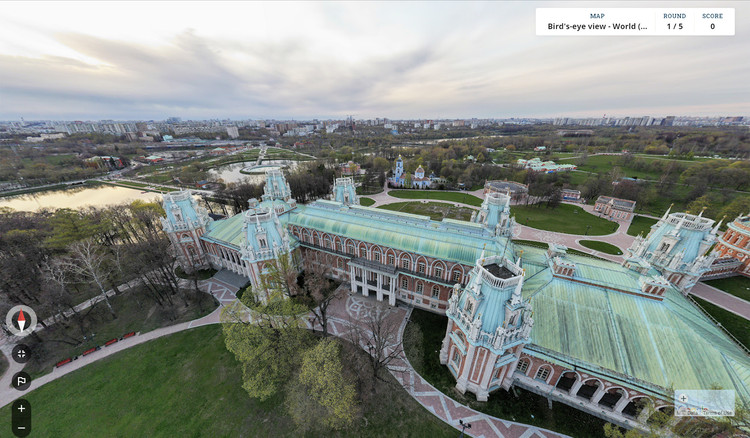
A geographic discovery game based on Google imagery, GeoGuessr requires players to guess various locations worldwide using only the clues provided by a Street view. Created in 2013, the game has taken on new relevance amidst the pandemic, as it provides a virtual travel experience. From desolate roads to famous sites, the game teases deductive reasoning, requiring players to make use of any clue, from signs, language, flags, landscape, to pinpoint their surroundings.

GeoGuessr Game Uses Street View to Create a Geographical Puzzle - Image 1 of 4GeoGuessr Game Uses Street View to Create a Geographical Puzzle - Image 2 of 4GeoGuessr Game Uses Street View to Create a Geographical Puzzle - Image 3 of 4GeoGuessr Game Uses Street View to Create a Geographical Puzzle - Image 4 of 4GeoGuessr Game Uses Street View to Create a Geographical Puzzle - More Images+ 5

Global Watersheds and Waterways Captured in Vibrant Colorized Maps

Subscriber Access | 

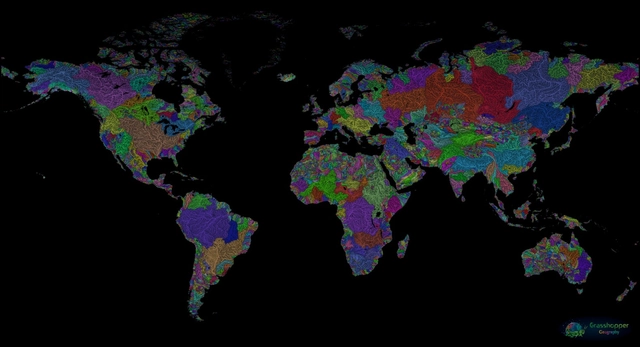
GIS analyst and Hungarian cartographer Robert Szucs has shared an impressive collection of maps that bring together all the drainage basins of the world in vibrant colors. Titled Grasshopper Geography, the maps showcase the rivers and watercourses of the world, featuring the basins of selected regions, countries and continents.

Global Watersheds and Waterways Captured in Vibrant Colorized Maps - Image 1 of 4Global Watersheds and Waterways Captured in Vibrant Colorized Maps - Image 2 of 4Global Watersheds and Waterways Captured in Vibrant Colorized Maps - Image 3 of 4Global Watersheds and Waterways Captured in Vibrant Colorized Maps - Image 4 of 4Global Watersheds and Waterways Captured in Vibrant Colorized Maps - More Images+ 9

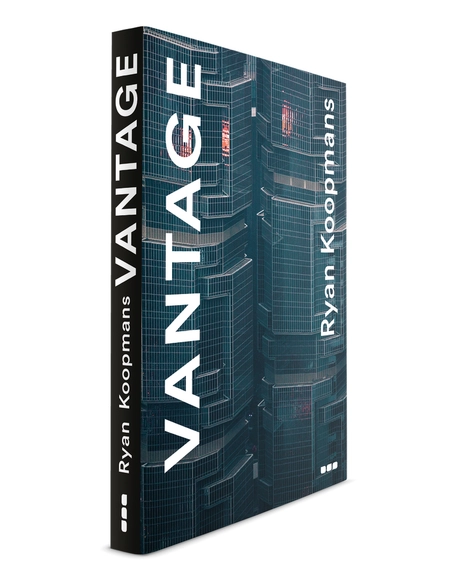
Vantage

The first monograph of photographer Ryan Koopmans, an award winning Canadian/Dutch photographer whose work is exhibited and published across the world, Vantage explores the earth’s manmade structures, surreal architecture and megacities, evoking the insight and intrigue experienced from a travelling photographer’s perspective. Koopmans’ compelling photographs are presented alongside conversations with political leaders, business tycoons and local residents, providing a timeless vision of our world that is both contemporary and creative.

ELEMENTAL Proposes Pedestrian Path To Connect Districts of Santiago

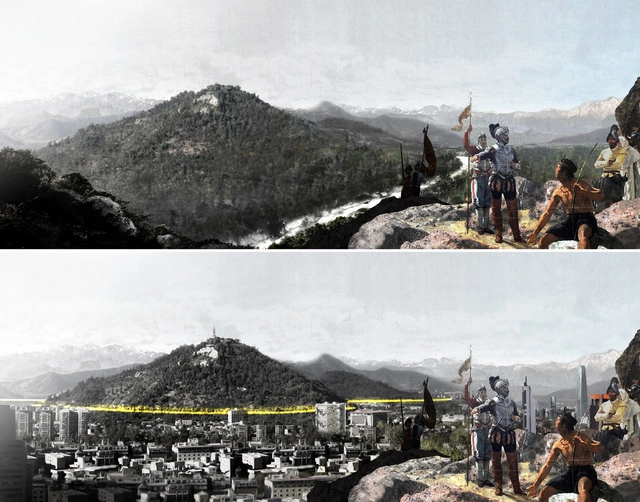
ELEMENTAL has given us details on a proposed 14.5 km pedestrian and bike path within Santiago, Chile that will run along the base of San Cristobal Hill and connect the city's many distinct communities. According to ELEMENTAL, the proposal - named "Metropolitan Promenade" - seeks to facilitate the use and quality of the city's public spaces.

The total project will cost about $16 million USD and will be constructed in two stages. The first is expected for March 2015 and will deal with 7.2 kilometers in the western sector of the park. The second stage, which should be ready in September 2015, will complete the following 7.3 kilometers in the eastern sector of the park.

Read the full architect's description, after the break.

ELEMENTAL Proposes Pedestrian Path To Connect Districts of Santiago - Image 2 of 4ELEMENTAL Proposes Pedestrian Path To Connect Districts of Santiago - Image 3 of 4ELEMENTAL Proposes Pedestrian Path To Connect Districts of Santiago - Image 4 of 4ELEMENTAL Proposes Pedestrian Path To Connect Districts of Santiago - Image 5 of 4ELEMENTAL Proposes Pedestrian Path To Connect Districts of Santiago - More Images+ 7