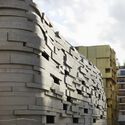
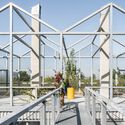
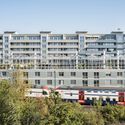
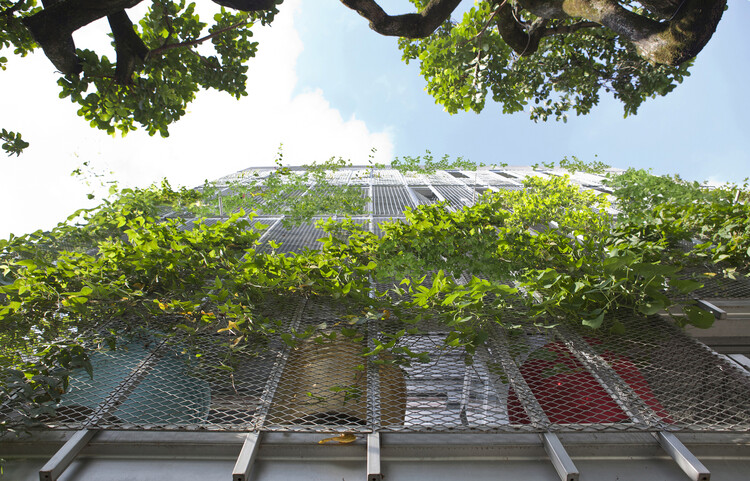
When we think of façades, we rarely think of them as habitats. We see them as the elements that separate interior from exterior, regulate temperature, reduce noise, and protect buildings from external conditions. They give architecture its visual language, but they are also expected to keep the outside world at a distance. In doing so, façades have often been understood as barriers: surfaces that define where human comfort begins and where the environment is meant to remain outside.
But the outside of a building is never empty. For centuries, architecture has unintentionally created opportunities for other forms of life. Birds nested beneath roof tiles, insects occupied cracks in masonry walls, and mosses or plants took root along ledges, gutters, and rough stone surfaces. These conditions were rarely designed with other species in mind, but they created small opportunities for life to inhabit them.
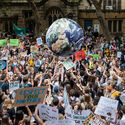
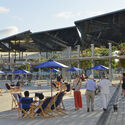
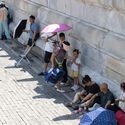
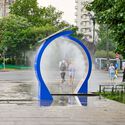
As Europe experiences one of its earliest and most intense heatwaves in recent years, World Environment Day 2026 arrives amid renewed discussions about climate adaptation, urban resilience, and the capacity of cities to respond to increasingly extreme temperatures. Across Portugal, France, Italy, Spain, Germany, Switzerland, Ireland, and the United Kingdom, temperatures have surged well above seasonal averages, prompting heat alerts, school closures, emergency planning measures, and growing concerns about the performance of buildings and public infrastructure under prolonged heat stress. The convergence of these highlights a reality that is becoming increasingly worldwide: climate change is no longer solely an environmental concern but an issue that is fundamentally reshaping the spaces where people live, work, and gather.
The figure of Tithonus in Greek mythology offers a reflection on the paradox of permanence. In pleading with Zeus for immortality, he forgot to request eternal youth, resulting in a life of endless aging. Over time, his body deteriorates, turning immortality itself into a burden. The narrative suggests a fundamental contradiction: permanence, when detached from the capacity for change, ceases to be a desirable quality. Instead of stability, it produces accumulated decay without adaptation.
Historically, architecture has often fallen into the "Tithonus Trap." Materials are specified to resist time, systems are detailed to prevent change, and buildings are conceived as fixed images. Yet, this pursuit of the static rarely survives the reality of the elements. Between the moment of design—often associated with precise and controlled representations—and the lifespan of a building, surfaces inevitably weather, shift in appearance, and lose their initial finish. Aging is often interpreted as loss rather than as part of the architectural language.
In Six Memos for the Next Millennium, Italo Calvino explores lightness from a literary perspective and argues, "Opposed to lightness is weight. Removing weight produces lightness; it is a value, not a defect." Drawing on Greek mythology, he reflects on one of Perseus's feats after severing the head of the terrible Gorgon Medusa without being turned to stone. Assisted by the gods Hades, Hermes, and Athena, Perseus flies with his winged sandals and uses a bronze shield as a mirror to reflect her image. Relying, like many architects, on what is lightest—the wind and the clouds—he also fixes his gaze on what is revealed through indirect vision: an image reflected in a mirror.
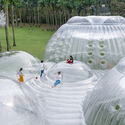
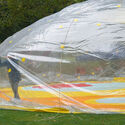
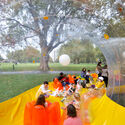
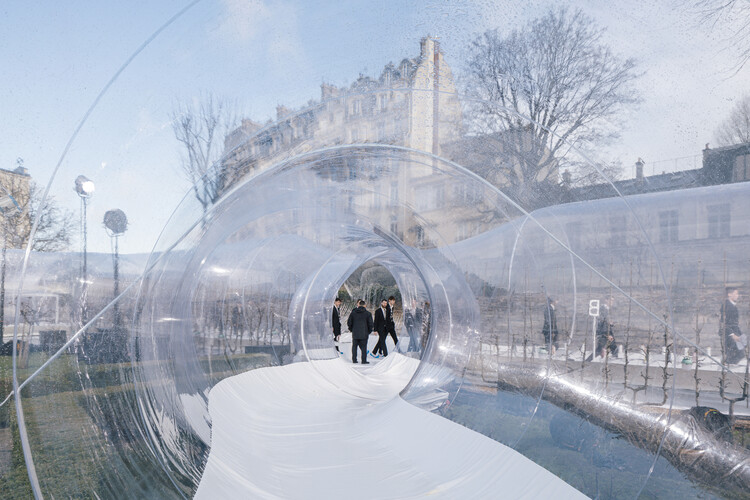
Historically, transparency has been naturalized as an inherent condition of modern architecture. With the shift from the heavy load-bearing wall to the lightweight glass envelope, glass was introduced into the discipline, blurring the boundaries between interior and exterior spaces. In connection with inflatable architecture, transparency is linked to lightness and impermanence, leaving temporary traces on the landscapes it inhabits. By using textiles or plastics as main materials and air as a structural system, the search for lightness in the built environment now recognizes more than a single atmosphere of application.
Ecuador's territory embraces a remarkable diversity of landscapes, ranging from the Pacific Coast to the peaks of the Andes, the vast expanse of the Amazon rainforest, and the volcanic Galápagos Islands. Each region of the country presents its own distinctive characteristics, reflected in its varied environmental, cultural, and social contexts. While Latin American architecture is rooted in rich ancestral traditions, native construction techniques, and local materials, contemporary Ecuadorian architecture expresses an evolving identity that blends these elements with actual demands. Tradition and innovation, local resources and modern techniques, along with social responsibility and aesthetics, interact with the natural environment, urban conditions, and social contexts.
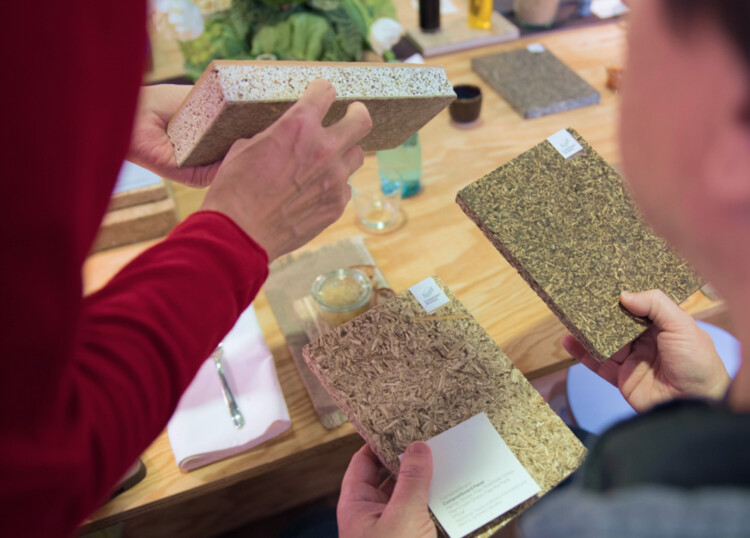
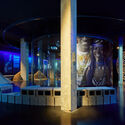
At the Table with Nature Exhibit, ambiente 2026 Photo Credit: Jürgen Baumhauer
The well-known phrase "man is what he eats" (Der Mensch ist, was er isst), by Ludwig Feuerbach, asserts that the physical, mental, and even moral constitution of human beings is directly linked to what they consume. Today, this idea is widely internalized, with growing awareness around food, nutrition, and the impact of what we ingest on our bodies. Yet, this same level of awareness doesn't extend to the environments we inhabit, where materials continue to be treated as technical decisions rather than active agents in the relationship between body and space. Considering that a large portion of the global population spends around 90% of their time indoors, it is rarely discussed what actually composes these spaces at their most fundamental level: materials. Walls, floors, and finishes are often approached as technical or aesthetic choices, when in reality they can function as continuous sources of exposure to potentially harmful substances.
The Cosmogony of (Racial) Capitalism. Image Courtesy of Dele Adeyemo
Having thrown a stone today, Eshu kills a bird of yesterday. The Yoruba proverb tells both a story of reparation and of ancestrality by joyfully bending spacetime conventions and accessing subjects from the past with present actions. The saying offers a poetic entry point to broader West African traditions and to the practice of Scottish-Nigerian artist and architect Dele Adeyemo. Named one of the winners of the ArchDaily 2025 Next Practices Awards, Adeyemo's work brings together ecology, spirituality, dance, and territory, examining how embodied cultural practices can generate alternative spatial possibilities within and against the architecture of racial capitalism.
Born in Nigeria and raised in the United Kingdom, Adeyemo has been visiting Lagos for many years. Through this engagement, he has developed an extensive body of research on collective movement practices that predate capitalism and offer distinct, often imaginative spatial intelligences operating alongside dominant systems. ArchDaily spoke with Dele about his artistic and pedagogical practices, and how he identifies design sophistication where architects often perceive deficiency.
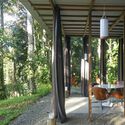
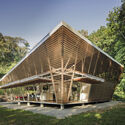
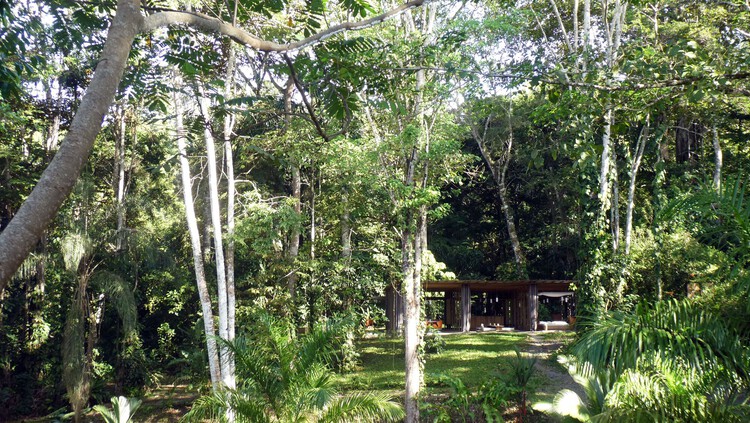
In temperate and cold climates, architecture typically begins with a defensive gesture. The building envelope is a sealed boundary designed to resist the exterior environment through insulation, vapor barriers, and mechanical control. In cold countries like Canada, where winter temperatures can plunge well below freezing, airtightness is not a luxury. In this context, buildings must resist the exterior environment entirely to maintain interior comfort. However, in Central America, a region spanning from Belize to Panama, architectural logic shifts from exclusion to negotiation. In this region, the envelope is not a wall of defense but a specialized filter.
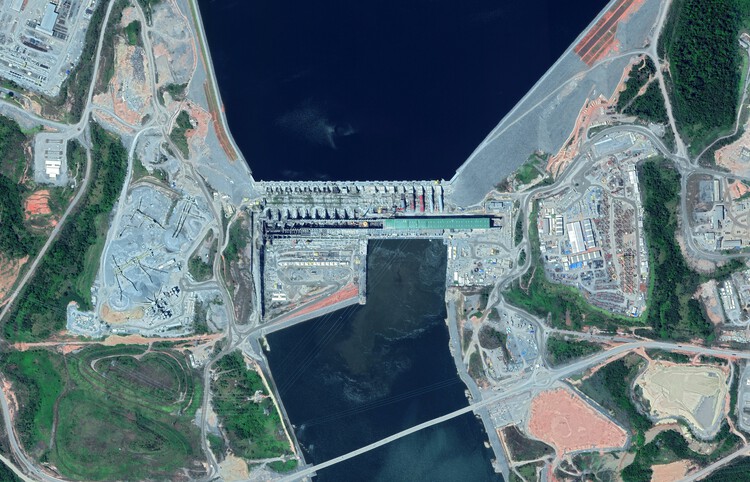
Belo Monte Dam and Hydropower Plant Construction in Brazil. Image by burakyalcin, via Shutterstock
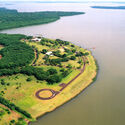
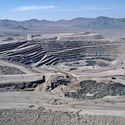
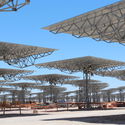
Some of the most significant transformations of South American landscapes have been produced not by cities, but by large infrastructures built to extract and distribute natural resources. Mining operations, energy systems, and transport networks have connected remote landscapes to broader economic structures while transforming rural territories and urban settlements throughout the continent. These infrastructures do not simply occupy space; they reorganize it. They have not only supported economic growth but also reconfigured territories in ways that continue to generate political, environmental, and social debate across the continent. From this perspective, territories can be understood not as fixed geographic areas but as socio-ecological systems shaped by cultural, environmental, and political relations, a point emphasized by anthropologist Arturo Escobar in his work on territorial thinking in Latin America.
How heavy is a house? In his 1965 essay A Home Is Not a House, Reyner Banham observed that modern American dwellings were becoming structurally lighter while growing heavier in mechanical services, such as plumbing, wiring, heating, and cooling. The true weight of architecture, he argued, was no longer in walls and roofs, but in the energy-intensive systems that sustained comfort.
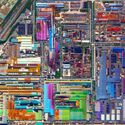
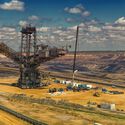
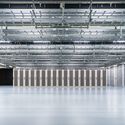
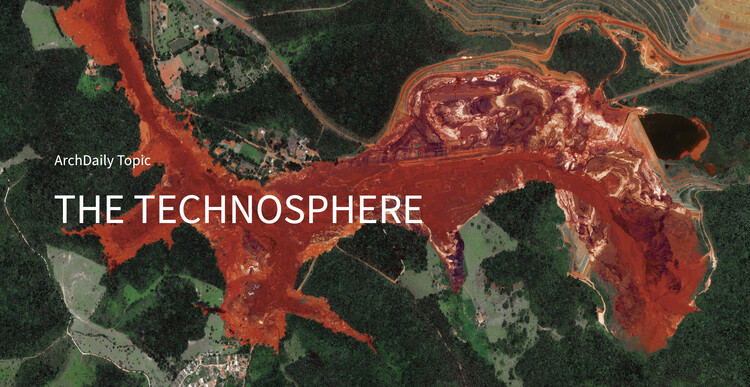
Decades later, the question was updated at the 7th Lisbon Architecture Triennale. Curators Ann-Sofi Rönnskog and John Palmesino asked: How heavy is a city? The scale shifted from the domestic interior to the territory. The technosphere, materialized in the estimated 30 trillion tons of human-made matter on Earth, reframes the discussion entirely. Cities, data centers, oil fields, logistics hubs, satellites, cables, and waste streams form a planetary system in which architecture is neither object nor backdrop, but participant.
Across history, the relocation of capital cities has often been associated with moments of political rupture, regime change, or symbolic nation-building. From Brasília to Islamabad, new capitals were frequently conceived as instruments of centralized power, territorial control, or ideological projection. In recent decades, however, a different set of drivers has begun to shape these decisions. Rather than security or representation alone, contemporary capital relocations are increasingly tied to structural pressures such as demographic concentration, infrastructural saturation, environmental risk, and long-term resource management. As metropolitan regions expand beyond their capacity to sustain population growth and administrative functions, governments are turning to spatial reconfiguration as a means of addressing systemic urban imbalance.
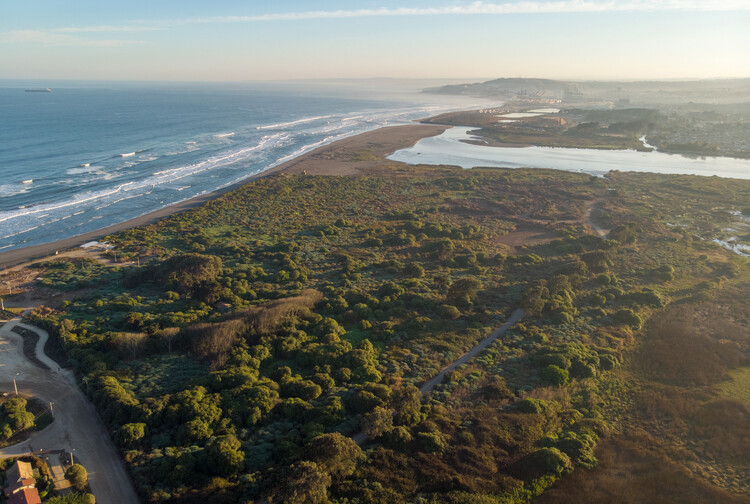
Santuario de la Naturaleza Humedal Río Maipo. Image Courtesy of Fundacion Cosmos
Observed annually on February 2, World Wetlands Day marks the adoption of the Ramsar Convention in 1971 and provides an international framework for recognizing the role of wetlands in environmental protection and sustainable development. The 2026 edition is held under the theme "Wetlands and traditional knowledge: Celebrating cultural heritage," drawing attention to the long-standing relationships between wetland ecosystems and the cultural practices, knowledge systems, and governance structures developed by communities over centuries. The theme highlights how inherited ecological knowledge, often embedded in rituals, seasonal calendars, land-use practices, and spatial organization, has shaped resilient interactions between human settlements and water-based landscapes.
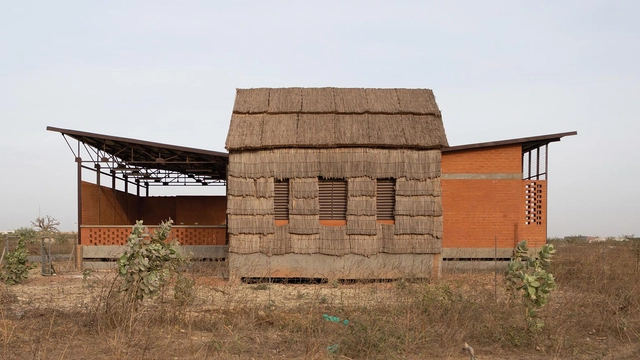
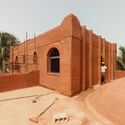
Founded by Senegalese architect Nzinga Mboup and French architect Nicolas Rondet, Worofila is a studio dedicated to bioclimatic and ecological architecture. Based in Dakar, Senegal, the firm explores the potential of vernacular materials like earth bricks and typha, applying modern techniques to create effective construction solutions. Their work addresses key issues of the environment, sustainability, and urbanization, merging traditional materials with innovative practices.
In this interview, Nzinga and Nicolas share their vision for a distinctly African modernity that integrates contemporary methods with traditional knowledge and resources. They advocate for a development approach that not only meets immediate needs but also empowers communities and fosters meaningful, long-term progress. Their insights provide a compelling perspective on how architecture can drive a more sustainable and contextually relevant future for African cities.
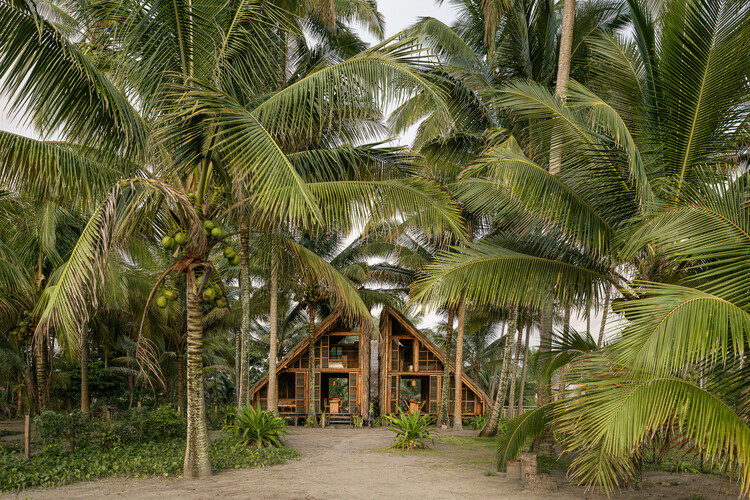
The phenomenon known in biology as convergent evolution describes how distant species can develop similar structures when confronted with comparable challenges. Dolphins and ichthyosaurs, for example, are separated by millions of years of evolutionary history, yet both evolved nearly identical hydrodynamic bodies. Architecture has its own parallels: A-frame structures emerged independently in both the European Alps and Japan, even without direct cultural exchange, as spontaneous responses to snow, wind, and material scarcity.
https://www.archdaily.com/1037027/converging-trends-in-2025-architecture-circularity-biomaterials-and-carbon-conscious-designArchDaily Team
The Commonwealth Association of Architects (CAA) is pleased to launch its 2026 Awards Programme, inviting architects from across the Commonwealth to submit work that demonstrates significant contributions to addressing contemporary global challenges including climate change, rapid urbanisation, biodiversity loss, and social inequality. Aligned with the CAA's charter objectives to maximise the contribution by architects to the well-being of society, the awards programme recognises projects and individuals whose work advances the United Nations Sustainable Development Goals (SDGs) while demonstrating exceptional design quality and measurable impact.
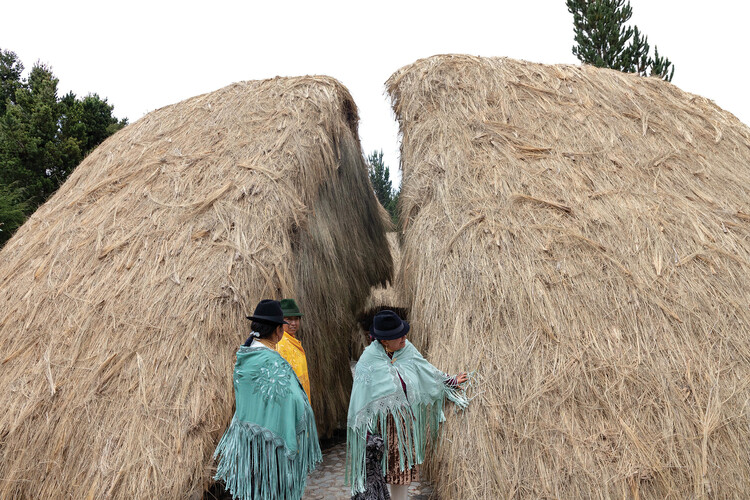
Between the Andes, the coast, and the Amazon, Ecuador's architecture has evolved as a reflection of its layered geography, a place where climate, topography, and culture unite. Throughout the territory, architecture has been an act of adaptation: from vernacular traditions rooted in collective labor and local materials to the colonial and modernist influences that reshaped its cities. This diversity has produced distinct constructive systems, from bamboo and cane structures along the coast to earth and stone constructions in the Andes, forming an archive of adaptive design that continues to influence contemporary practice.
Yet in the past decade, Ecuadorian architecture has undergone a quiet but deep transformation. New academic programs and international references have encouraged a growing awareness of climate and social justice. Emerging architects are redefining practice through workshops, collective studios, and on-site experimentation that blurs the line between design and activism. No longer focused on architecture as an object, a new generation of architects is approaching design as a process. One focused on collaboration, sustainability, and cultural identity. Their questions have shifted the design language from what to build to with whom.
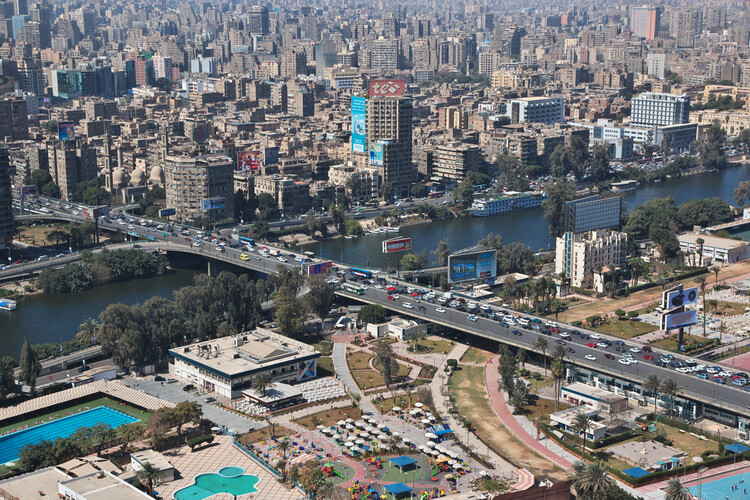
Cities bring together the best and worst of the human condition. They concentrate opportunities for work, social networks, and cultural production, but they also expose deep social inequalities. Among the many forms of urban exclusion are limited access to transportation, housing, leisure, or safety issues. One form that is rarely discussed is thermal inequality. In lower-income neighborhoods, where there are fewer trees, parks, and permeable surfaces, heat accumulates and thermal discomfort dominates, resulting in higher energy consumption and health risks. As concern about the climate crisis grows, this discussion becomes more urgent: extreme heat is no longer just a climatic phenomenon but also a spatial expression of inequality.
As architecture moves beyond human-centered design, new practices are rethinking coexistence as an ethical and ecological framework. From political infrastructures to habitats, these approaches invite us to imagine architecture as a shared living system.
Modern architecture has long been written through an anthropocentric lens, placing the human at its center and rendering other species invisible. Yet this paradigm continues to shift, as architects and researchers redefine the role of design in more-than-human worlds. Studios such as Office for Political Innovation, Studio Ossidiana, and Husos Architects are questioning human-centered narratives and reframing design as a shared practice between species. In this context, architecture is no longer a tool of control but a medium for coexistence, a discipline that mediates between species, environments, and cultures.