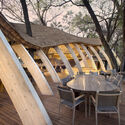
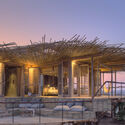
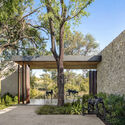
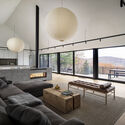
Chimneys are among the most quietly persistent elements in architectural history. Yet their presence persists in nearly every cultural and climatic context, serving as a technical feature and a spatial, atmospheric, and symbolic device. It populates dense city skylines and anchors rural horizons alike, its vertical silhouette as ordinary as a window or a doorframe. This apparent ordinariness is deceptive. The chimney is one of the few architectural components that links the intimate scale of interior life with the expansive forces of the environment. For architects and designers, the necessity of the chimney presents a choice: to let it recede quietly into the building's functional fabric or to amplify it as a central, expressive element that shapes a project's identity.
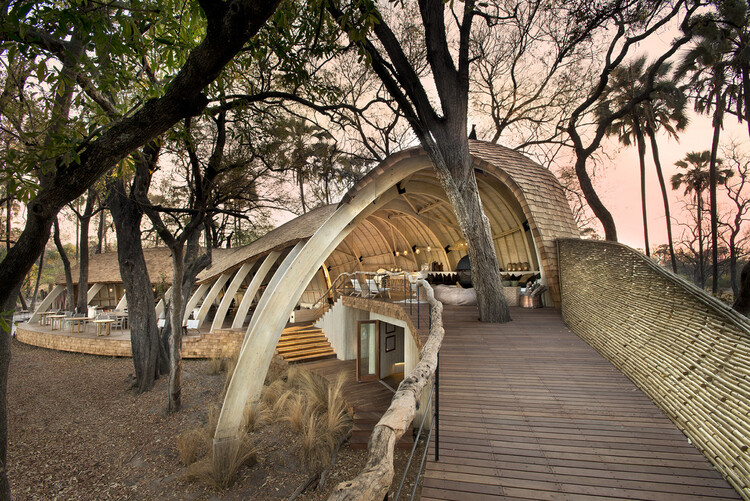
Sandibe Okavango Safari Lodge / Nicholas Plewman Architects in Association with Michaelis Boyd Associates
In Eastern and Southern Africa, safari lodges attract tourists from around the world wishing to witness the landscapes and fauna of the natural world. Usually situated in national parks and game reserves, their remote locations make for costly journeys and are therefore suitable for luxury stays. Often overlooked as an architectural typology, many lodges risk falling into the trap of being contextually insensitive or crudely mimicking vernacular building methods, resulting in pastiche. On the other hand, the safari lodge sits at the intersection of the man-made and natural worlds, bringing together rural dwellers and townfolk, wealth and poverty, wildlife and humans. Thus, it can be an opportunity to design with the highest social and environmental responsibility.
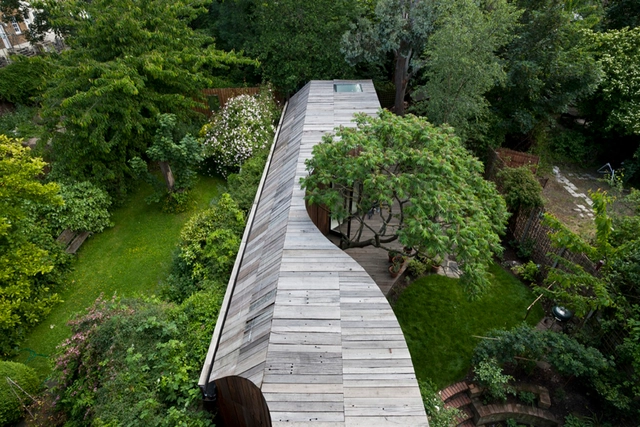
The preservation of the environment and the harmonious integration of the built and natural elements are fundamental principles in contemporary architecture. Various design strategies are employed to achieve this balance, ranging from the revival of vernacular techniques to the use of advanced technologies. However, this concern goes beyond the choice of specific construction systems or innovative materials; it also manifests in the design approach that ensures the preservation of the site's natural elements. In this context, we present 15 homes designed to protect local trees, showcasing how architectural decisions can adapt to nature rather than impose on it.
The 2025 Versailles Biennale of Architecture and Landscape (BAP! 2025) brings together global thought leaders in architecture to discuss the critical role the discipline plays in addressing climate change, sustainability, and evolving urban needs. Through a series of in-depth interviews with curators, architects, and designers from Paris, Mexico City, and Spain, the event provides a platform for diverse perspectives on how architecture can respond to contemporary challenges.
Curators Sana Frini and Philippe Rahm lead the charge in presenting an exhibition that explores how architecture can adapt to the environmental shifts forecasted for the near future. From sustainable practices to integrating cultural contexts, the conversations captured in these interviews highlight innovative approaches to creating spaces that are not only functional but deeply responsive to the changing climate and societal needs.
https://www.archdaily.com/1032518/architecture-for-a-changing-world-insights-from-the-2025-versailles-biennaleArchDaily Team
Situated in one of the fastest-developing regions over the past decade—the southern part of China, including Hong Kong and the Greater Bay Area—urban growth has been driven by an overwhelming wave of commercial ambition. Projects here are often designed for maximum density, height, and efficiency, resulting in developments of enormous scale that can easily span several acres. Prioritizing transit-oriented development, these complexes frequently take the form of sprawling malls built directly above major transportation hubs. Designed to disorient and prolong foot traffic to encourage economic activities, these mega-structures have become commonplace in cities like Hong Kong and Shenzhen.
While this typology of megastructures offers clear advantages—economic efficiency, high development returns, and convenience for transit users—it almost invariably ignores its urban context and environment. These developments often turn a blind eye, deliberately so, to their environmental footprint and the city's walkability. At such overwhelming scales, the human walking experience is diminished, if not outright neglected. Pedestrians become interiorized—trapped within the insulated world of these complexes.
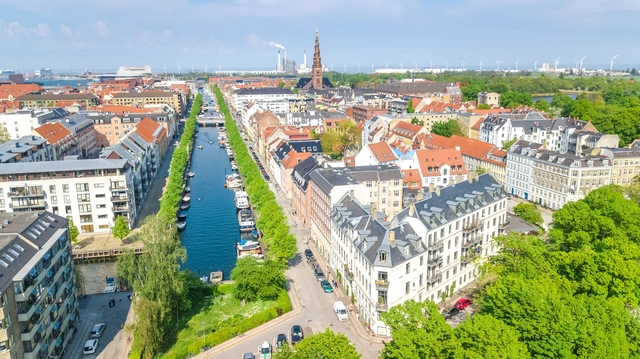
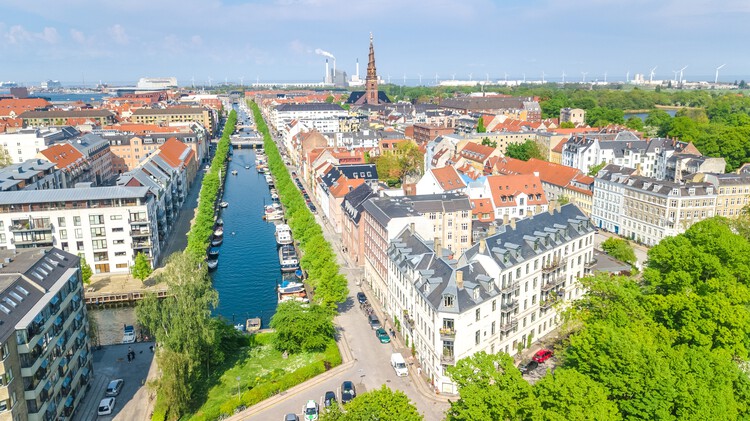
The Economist Intelligence Unit (EIU) has released its Global Liveability Index for 2025, assessing 173 cities worldwide across five categories: stability, healthcare, culture and environment, education, and infrastructure. This year, Copenhagen has taken the top position, ending Vienna's three-year run as the world's most liveable city. The Danish capital earned high scores in stability, education, and infrastructure, narrowly surpassing Vienna, which saw a decline in its stability rating following recent security incidents. The average global liveability score for 2025 remains steady at 76.1 out of 100, unchanged from 2024. While year-on-year improvements were recorded in healthcare, education, and infrastructure, these were offset by a continued decline in stability, driven by rising geopolitical tensions, civil unrest, and increased security threats in several regions.
Extreme heat is one of climate change's most urgent and rapidly growing consequences, especially in cities. Urban areas are particularly vulnerable because they trap heat in building materials and urban streets, creating dangerous conditions for residents. As temperatures continue to rise and heat waves lengthen, cities are grappling with how to remain livable in the face of this intensifying threat.
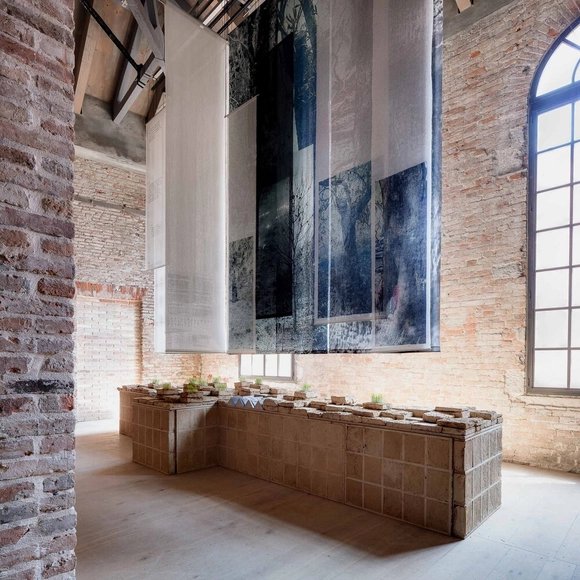
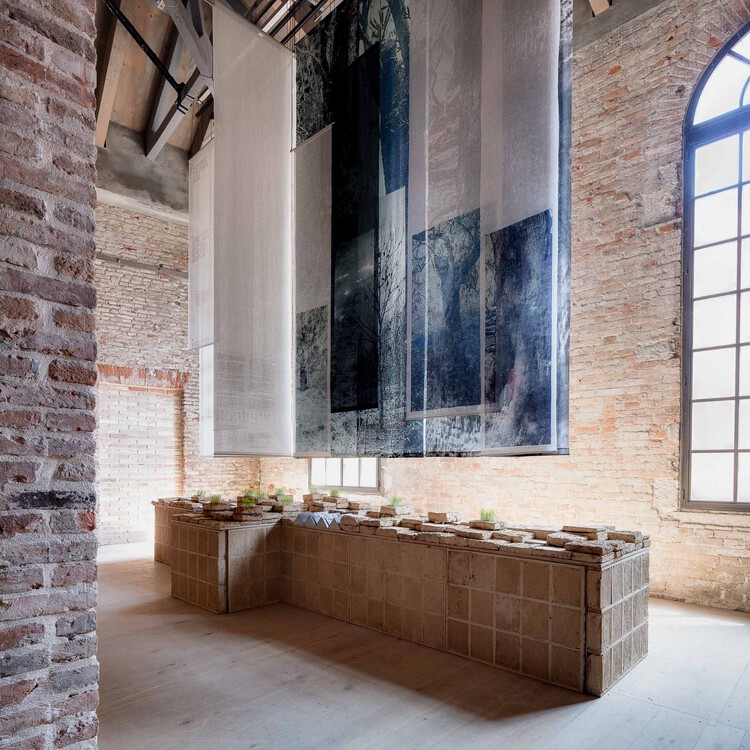
The Lebanese Pavilion at the Venice Architecture Biennale 2025 explores the land as a site of memory, intelligence, and resistance. Titled The Land Remembers, the exhibition is presented by the Collective for Architecture Lebanon, composed of Lynn Chamoun, Elias Tamer, Shereen Doummar, and Edouard Souhaid, and takes the form of a fictional public institution: the Ministry of Land Intelligens. The pavilion addresses the ongoing ecological crisis in Lebanon through an architectural lens, framing ecocide as both an environmental and social injustice. Positioned within this year's curatorial frameworkIntelligens: Natural. Artificial. Collective. the project calls for a reevaluation of how architecture engages with damaged landscapes. In this interview with ArchDaily editors during the Biennale, the curators explain how the project impels a rethinking of architecture's foundational commitment to the land.
The Land Remembers: Lebanon’s Pavilion. Image Courtesy of CAL
At the 19th International Architecture Exhibition of La Biennale di Venezia in 2025, the Lebanese Pavilion, curated by the Collective for Architecture Lebanon (CAL), presents "The Land Remembers," an exploration of ecocide and environmental healing. Selected by Lebanon's Ministry of Culture and the Lebanese Federation of Engineers, CAL is a non-profit organization co-founded in 2019 by Shereen Doummar, Edouard Souhaid, Elias Tamer, and Lynn Chamoun. Their curatorial vision aims to transform the pavilion into a fictional institution, the Ministry of Land Intelligens, dedicated to confronting environmental devastation and proposing strategies for ecological restoration.
Buildner has announced the results of its third annual Home of Shadows international architecture ideas competition. The competition series is designed to focus on the vital interplay between light and shadow in creating functional and inviting living spaces. It highlights the importance of natural light in home design, essential for creating comfortable, inviting, and practical environments.
Light is viewed as a language through which architects communicate emotions in their designs, with shadows playing an equally significant role in influencing the ambiance of a space. The balance between light and shadow allows for the creation of spaces with depth and texture, setting different moods for various purposes. Often, this balance can be achieved through the strategic placement of windows and doors.
Videos
Italian manufacturer Mara collaborates closely with designers, leveraging full control of their on-site industrial process to foster creativity and experimentation in their factory in Brescia. Image Courtesy of Mara
The weather gods haven't been kind as I arrive at the Mara factory on the outskirts of Brescia. If you think Italy, certainly in the design industry, it's usually all sun-bleached locations, where an Aperol Spritz is only ever seconds away.
But climatic conditions are, quite frankly, the only thing the Italian furniture manufacturer doesn't have control over. Founded in 1960 by the current managing director Laura Marchina's grandfather, Camillo – who was an experienced metal-worker in the production of, of all things, gun barrels – the company, like the family itself, keeps everything close to home. Very close, in fact. The Mara story is not just 100% Made in Italy, it's 100% Brescia. (Fun fact: the company name is a contraction of 'Marchina Arredamenti' or 'Marchina Furniture'.)
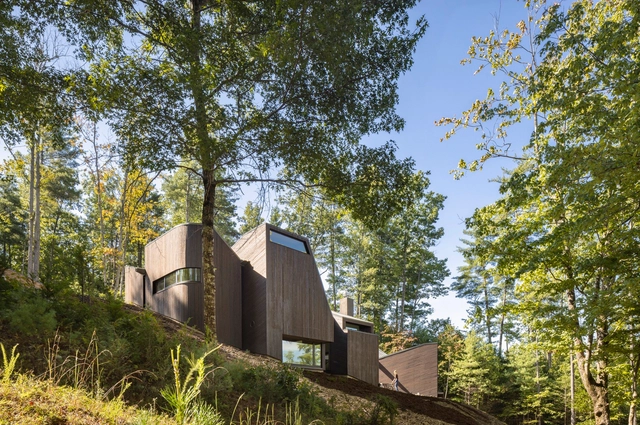
Forests are among the most complex yet vital ecosystems on Earth. They regulate climate, support biodiversity, and sustain human communities. With the growing realities of climate change and environmental degradation, architects, planners, and engineers now face a new imperative: designing within forests in ways that sustain the ecosystems on which they depend.
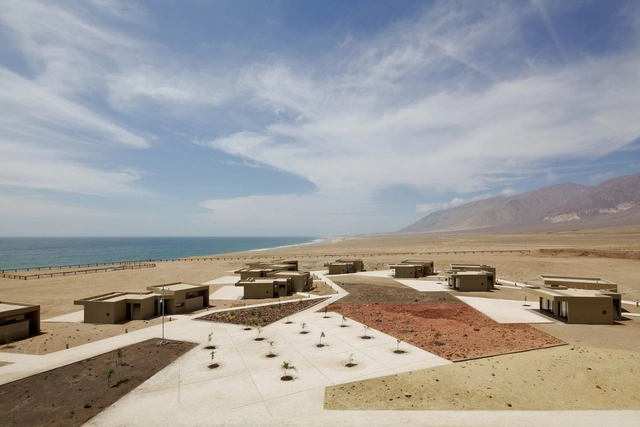
The desert is a landscape in constant transformation. Shaped by the wind, its dunes, ridges, and fissures emerge and fade in an ever-shifting expanse, as if the scenery itself were alive. It is a land of stark contrasts, where the scorching heat of the day gives way to the crisp coolness of the night, revealing nature in its most primal form. In such a dynamic and untamed environment, how can architecture not only integrate but also respect and engage with its surroundings? This is the challenge faced by hotels built within Latin America’s vast desert landscapes.
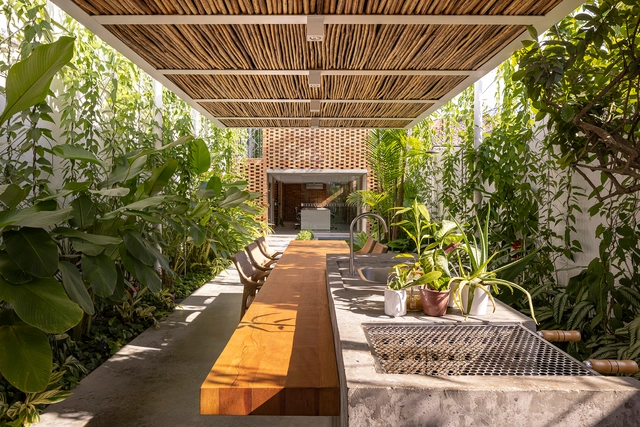
Humid environments present some of the most complex challenges in architectural design. From the tropical monsoon season of Southeast Asia to the equatorial heat of Central Africa, these environments demand solutions that account for intense moisture, high temperatures, and the constant battle against mold, decay, and stagnation. Yet, for centuries, communities in these regions have developed architectural techniques that do not fight against humidity but instead work with it, leveraging local materials, climate-responsive design, and passive cooling techniques to create sustainable and livable spaces. By considering atmosphere as a sensory and climatic phenomenon, architects will craft spaces that are not only evocative but also responsive, adaptive, and sustainable.