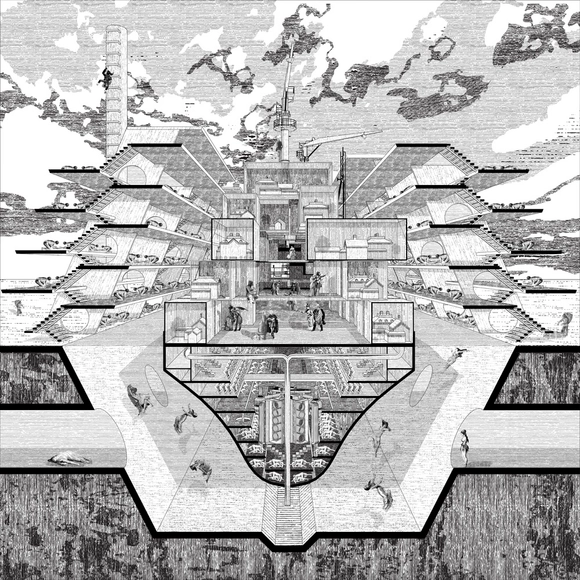
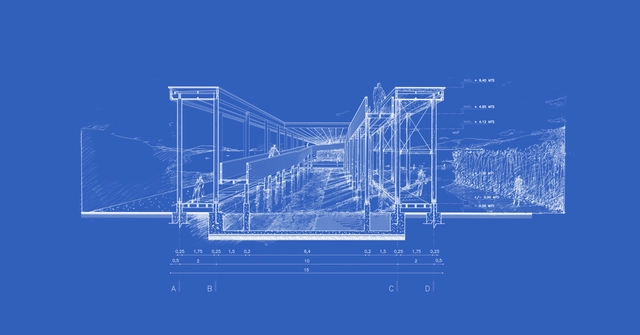
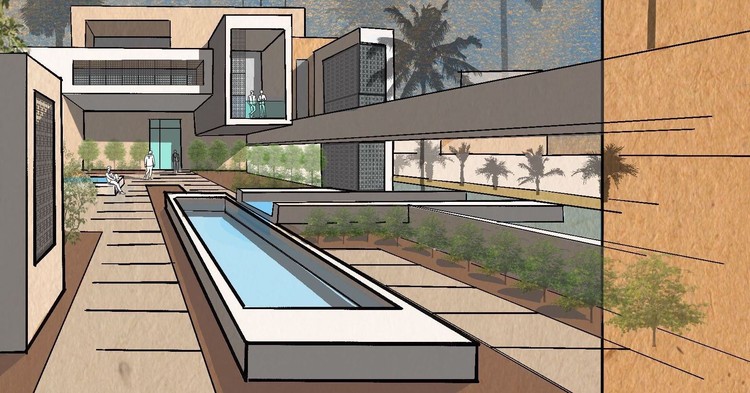
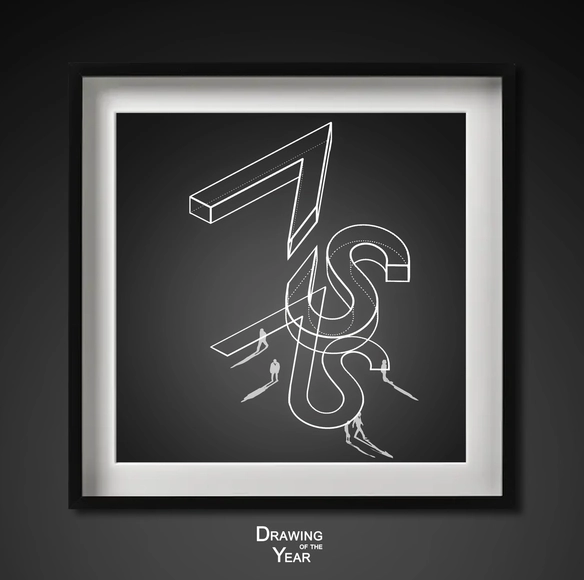
Archisource presents ‘Drawing of the Year 2019’. Our first competition celebrating the talent of architecture and design students and young professionals through a single drawing. With four categories to win from, we are celebrating the extensive variety of drawings that are created around the world each year.
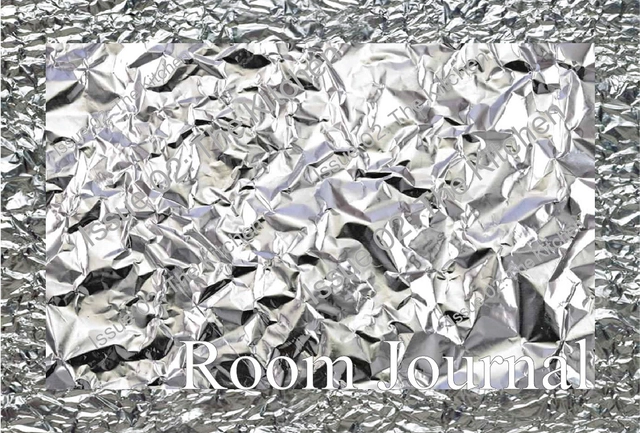
The second issue of Room will reconvene in the Kitchen; a space that savors the possibilities of both cultural appreciation and cross contamination, serving basic sustenance and special occasions. Taste here is significant though subjective, with its stainless steel tongue wiped perpetually in an attempt to cleanse the palate. Nuanced residues of gender, class, labour, race, and climate cling to the cloth among germs and grains of salt.
To celebrate in its own way the 10th anniversary of the opening of the Nantes School of Architecture on the banks of the “Ile de Nantes”, sauvarjon collective offers a great illustration contest, free, open to all, focused on the main theme of "Replica!", and hopes to collect 100 illustrations from different authors, which will also be the subject of an exhibition and auction during the National Days of Architecture in October 2019.
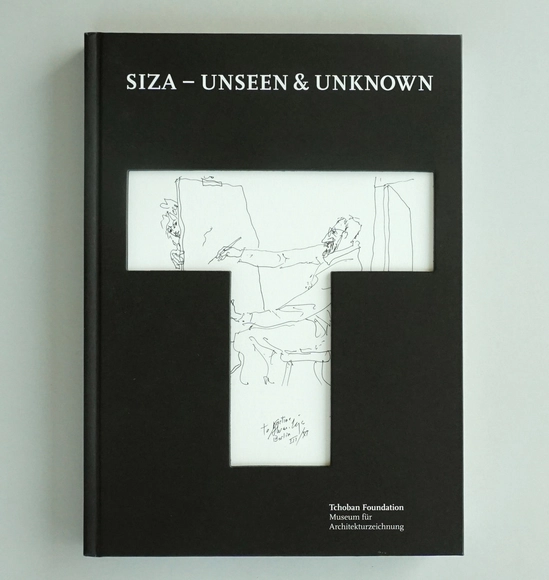
Álvaro Siza was born in 1933, on the same year that the Bauhaus closed its doors. He is perhaps the last living modernist or, at the very least, the most significant voice to carry out the unfinished modernist project all the way into the 21st century. 'Siza – Unseen & Unknown' showcases this continuity through 100 sketches, as well as its contradictions. These drawings are from his most personal archive, in addition to small collections of close friends and family. Hence, they focus not only on the professional legacy but also on the familial one, where Maria Antónia Siza (1940–1973) takes centre stage. His wife will draw him, he will draw her and the loving embrace of the human body will be transversal to architecture, art, life. In many ways, the Bernini folds of Maria Antónia’s clothes and hair develop in Siza’s own ink lines and this anthropomorphic research goes on long after her death at just thirty two years old. Those bodies will grow increasingly more abstract, like the Venus de Milo, losing its limbs and becoming something more.
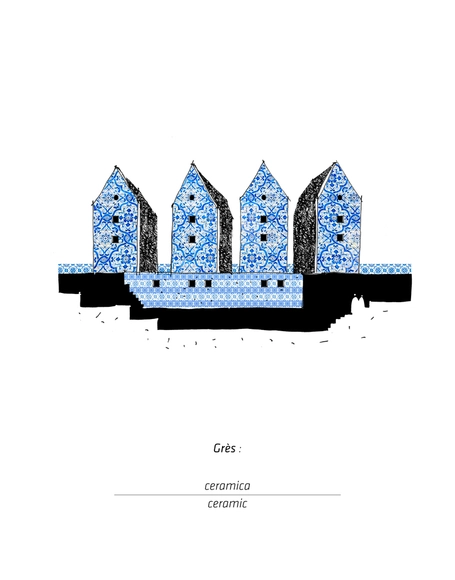
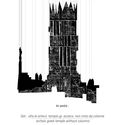
Drawing as an architectural tool serves not only as a means of communication, but through drawing we can also gain a deeper understanding of the subject. To this purpose, Alessandro Luporino has created the Illustrated Dictionary of Architecture. The series of beautiful and evocative illustrations serve as companions for the book “Dictionary of Architecture,” by Nikolaus Pevsner, John Fleming, and Hugh Honor.
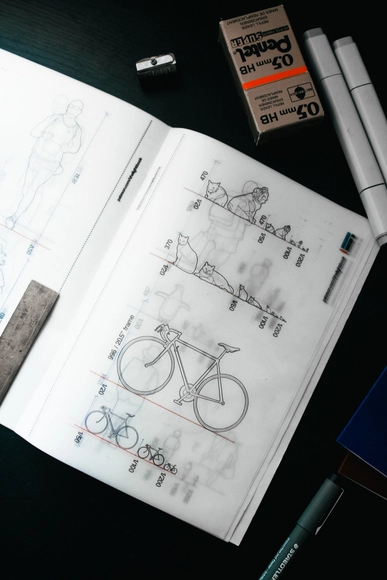
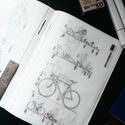
Though many designers today spend their working hours immersed in computer drawing programs, few would deny that hand-drawn work still holds a unique beauty. The traditional lightbox as a drafting tool has become sadly scarce in the modern architectural practice, but architecture graduate Tom Williams hopes to encourage more people to utilize them once again with his free monthly zine, The Lightbook.
To anyone enrolled in an architecture school, final year projects tend to be the perfect time to go all in. Whether you go for 3D visualizations or build remarkable models, your final presentation is the chance to display every conceptual and technical skill acquired throughout the years.
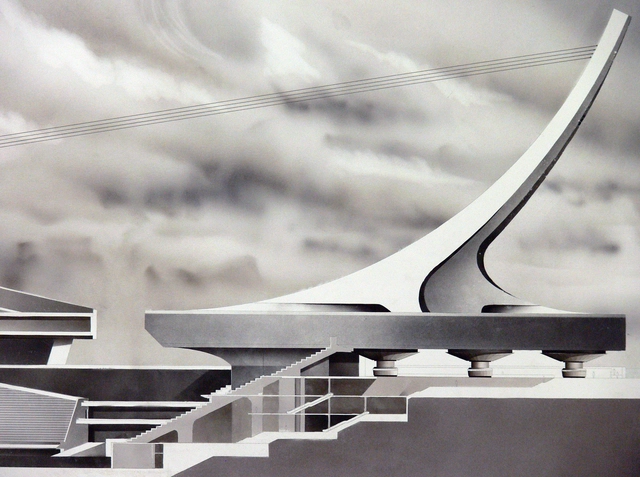
For his B.A. Final project, architect Mohammad Pirdavari of Ati-Naghsh Hamraz Consultants, presented his modernist stadium proposal in a series of freehand Airbrushdrawings. His intricate graphics helped accentuate the stadiums’ raw material and detailed relationship between the main exposed structure, and the smaller covered one.
Starting this month, ArchDaily has introduced monthly themes that we’ll explore in our stories, posts and projects. We began this month with Architectural Representation: from Archigram to Instagram; from napkins sketching to real-time-sync VR models; from academic lectures to storytellers.
It isn’t particularly novel or groundbreaking to say that the internet, social media, and design apps have challeged the relation between representation and building. A year ago we predicted that "this is just the beginning of a new stage of negotiation between the cold precision of technology and the expressive quality inherent in architecture". But, is it? Would you say digital tools are betraying creativity? This is an older dilemma than you think.
In this new edition of our Editor's Talk, four editors and curators at ArchDaily discuss drawings as pieces of art, posit why nobody cares about telephone poles on renders and explore how the building itself is becoming a type of representation.
I was part of the last generation of architectural students who didn't use computers (we’re only talking the early 1990’s here; there was electricity, color TV’s, rockets, just no renderings.) In my final year at college I miscalculated how long it would take me to finish my thesis project. As the deadline approached, I realized it was too late for me to match my fellow students’ presentations. At the time Zaha Hadid, and her deconstructivist paintings, set the style for architectural illustration. That meant many student projects being rendered in oil paints on large canvases.
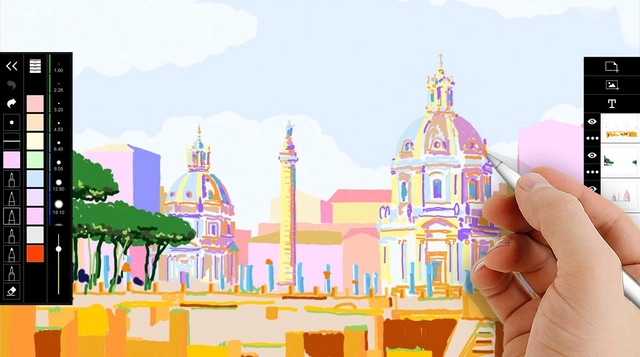
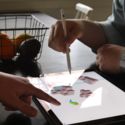
Want to get the most of your Apple Pencil in Trace? Today, Rome Prize winner Javier Galindo, is going to show you a few features that will make your Trace drawings sing.
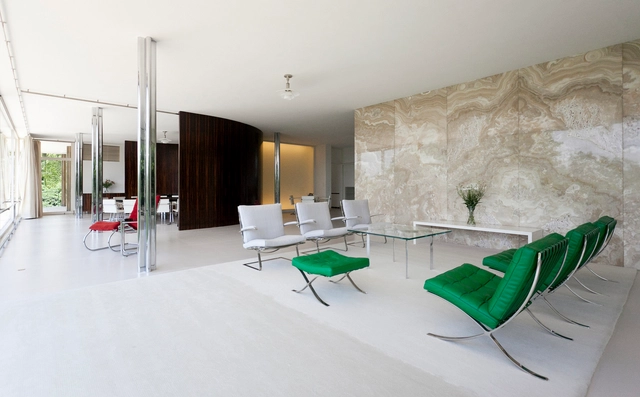
Le Corbusier's "Five Points of Architecture" functioned in the twentieth century as the go-to guide for architectural production; it is also a significant work in understanding the legacy of modern architecture. Horizontal windows, free design of the facade, pilotis, roof gardens, and perhaps the most significant point, free design of the ground plan form the Franco-Swiss architect's manifesto. In terms of design practice, this last point means distinguishing structure and wrapper, which allows the free disposal of dividing walls that no longer fulfill a structural function.
Residential projects were once characterized by a clear division of environments linked to domestic dynamics, now filtered by modern discourse, the house became flexible and capable of new spatial articulations.
To better understand the modern domestic space, we gathered some of the most emblematic examples of residences and their floor plans.
Muelle de Mimbre / Domingo Arancibia. Image Cortesia de Domingo Arancibia
Architectural comprehension as a field deals with representation as a synthesis of varied efforts —constructive, compositional, spatial, and technical qualities— which are then articulated in the constructed building. For this purpose, it is essential to think about the graphic representation that presupposes all these efforts, since it is both a procedure and a product of architectural design.
Being a 21st-century designer is not always a walk in the park, but it certainly has its perks. Fortunately, innovative product and software designers have created numerous programs that transform our ideas and visions into visual and tangible reality.
Concepts, the “next-generation design platform” is an iOS application, suitable for all design and engineering fields. Accommodating almost 80% of all design tasks, product designers, fashion designers, game designers, and industrial engineers can benefit from what the application has to offer. The TopHatch creation - which is trusted by leading designers at Disney, Apple, Nike, PlayStation, Unity, and several other leading corporations - was initiated as a simple prototype, and gradually built on feedback and innovative updates.
Following our Top Apps for Architects article, the award-winning vector-based app, is launching a brand new update, with exclusive features that enable a limitless, customized, and more precise creative experience, exclusively shared with ArchDaily readers.
Continuing their Time-Space-Existence series of monthly videos leading up to this year’s Venice Biennale, PLANE—SITE have released a new conversation with architect and former Harvard GSD chair of architecture Toshiko Mori. Each video highlights the ideas that drive the work of well-known designers, with this episode focusing on Mori’s philosophy of visual communication, dialogue with history and considering the future in her work.
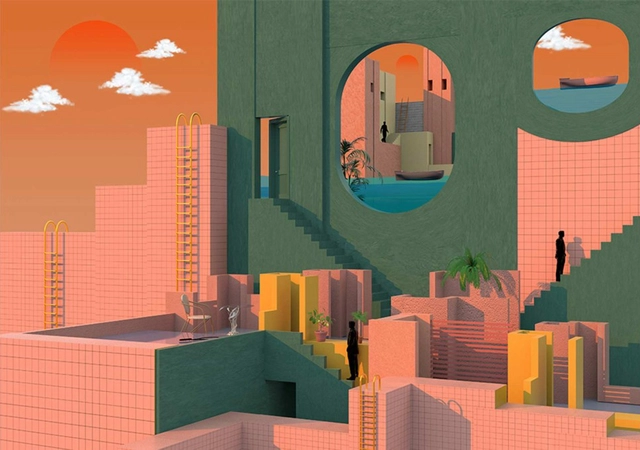
It is rare to find artists who can instigate critical reflection on architecture by combining references such as 'The Red Wall' (La Muralla Roja) by Ricardo Boffil, with the complex illustrations of Giovanni Battista Piranesi and pop culture icons. But Tishk Barzanji, a London artist, is one who does.
Through his digital illustrations, he explores elements of modern architecture from a filtered view by using references that create a dreamlike and surreal universe, producing compositions that express an austere and somewhat disturbing atmosphere.
What do architectural drawings do? Convey visual information about the design of buildings. This much is certain. They do much else besides. They can be idiomatic and ideological, they can express the personality of those who make them and by whatever means—charcoal, pencil, pen, or computer program. They can inspire, provoke and radicalize. They might be realistic or the stuff of fantasy. Or, of course, they can instruct those charged with building a three-dimensional representation of what they see on paper or, in recent years, on computer screens. Intelligence visible, they can also be art.
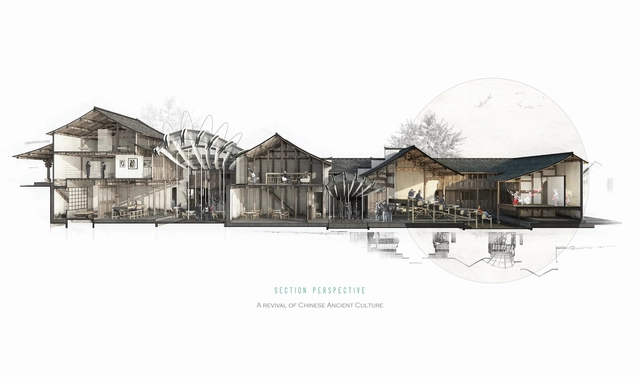
So, judging an open competition of architectural drawings from around the world, like The Architectural Drawing Prize, can only ever be an exercise in open-ended judgment even when these have been sorted into three technical categories: Hand-drawn, Digital, and Hybrid. How do we begin to compare Chris Raven’s intriguing digital analysis of Publicly Accessible Spaces in St Paul’s Cathedral with Xinyuan Cao’s almost fond cross-section through the Renovation of Denggao Village, two commended entries in the Digital Drawings category?
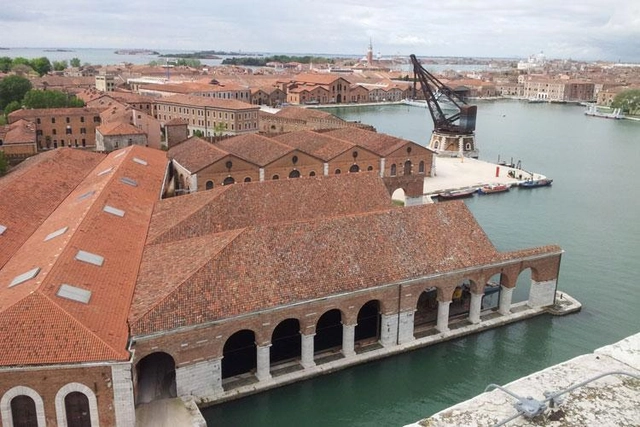
The Venice Biennale has released a list of 13 Collateral Events that will take place alongside the 16th International Architecture Exhibition, FREESPACE, curated by Yvonne Farrell and Shelley McNamara and chaired by Paolo Baratta. Previews of the main event begin May 24th and 25th, with the exhibition open to the public from May 26th to November 25th, 2018.
The collateral events, each promoted by a non-profit sponsor, will take place across the city in an attempt to enrich the diversity of voices that characterize the Biennale.
The complete list of events can be found below, and make sure to follow ArchDaily's complete coverage of the Venice Biennale.
https://www.archdaily.com/891768/venice-biennale-2018-collateral-events-announcedNiall Patrick Walsh









.jpg?1550605438&format=webp&width=640&height=580)


.jpg?1550605438)