1. ArchDaily
  2. Digitalization

Digitalization: The Latest Architecture and News

From Data to Digital Twins: Japan’s PLATEAU Project Offers Open-Access Models of More Than 250 Cities

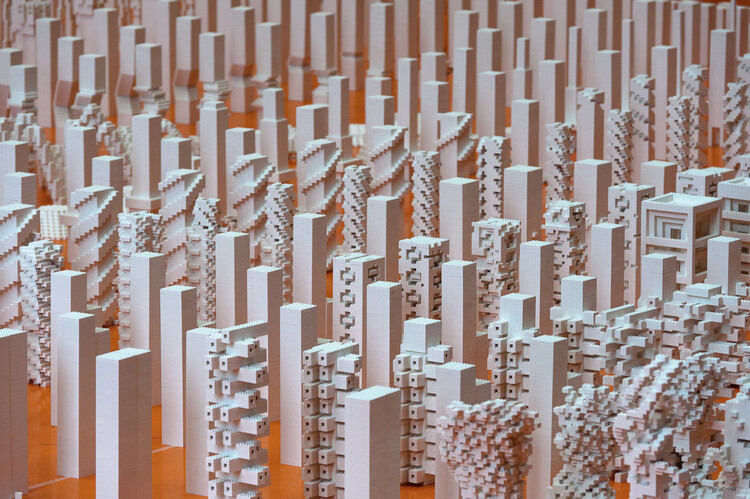
"Map the New World" is the motto of Project PLATEAU, led by Japan's Ministry of Land, Infrastructure, Transport and Tourism (MLIT), to develop and expand access to 3D models representing the diversity of cities across the country. Japan comprises a total of 744 cities, including 14 with populations exceeding one million, 190 with between 100,000 and one million inhabitants, and 540 with populations between 10,000 and 100,000. To date, 3D models of more than 250 cities have been made available as open data through the country's public G-Spatial Information Center, and can also be accessed via an online browser viewer. According to public authorities, the project aims to strengthen urban resilience by providing society with new tools to address local challenges. This involves not only urban space modeling but also collaboration with local governments, private companies, and technology communities. The project also includes a digital reconstruction of the recently closed Osaka World Expo site.

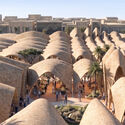
From Data to Digital Twins: Japan’s PLATEAU Project Offers Open-Access Models of More Than 250 Cities - Image 1 of 4From Data to Digital Twins: Japan’s PLATEAU Project Offers Open-Access Models of More Than 250 Cities - Image 2 of 4From Data to Digital Twins: Japan’s PLATEAU Project Offers Open-Access Models of More Than 250 Cities - Image 3 of 4From Data to Digital Twins: Japan’s PLATEAU Project Offers Open-Access Models of More Than 250 Cities - Image 4 of 4From Data to Digital Twins: Japan’s PLATEAU Project Offers Open-Access Models of More Than 250 Cities - More Images+ 1

The Machine in the Age of Collective Practice

Subscriber Access | 

This article is part of our new Opinion section, a format for argument-driven essays on critical questions shaping our field.

Every architectural epoch has been defined by its instruments. The compass, the drawing board, the camera, and the computer have each altered how architects think and produce. Yet the current moment feels qualitatively different. As artificial intelligence and generative systems enter daily workflows, tools cease to be passive extensions of the architect's hand and begin to operate as semi-autonomous agents. They propose, optimize, and simulate, producing outcomes that are, at times, beyond the author's full anticipation.

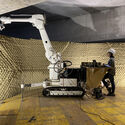
The Machine in the Age of Collective Practice - Image 1 of 4The Machine in the Age of Collective Practice - Image 2 of 4The Machine in the Age of Collective Practice - Image 3 of 4The Machine in the Age of Collective Practice - Image 4 of 4The Machine in the Age of Collective Practice - More Images+ 17

7 Interviews with Architecture Professionals Discussing Digitization, the Metaverse and the Future of Architecture

Architecture as a profession is both deeply rooted in the past and driven by innovation. During the past few years, we have seen technology advancing at an unprecedented pace, developing tools and systems that change the way we understand the world. Digital spaces are becoming an accessible reality, as the metaverse is promising to enhance human interaction. Other digital tools such as robotic construction technologies, AI-generated images, and immersive virtual-reality equipment are likely to have a direct impact on the construction industry.

These topics are addressed by forward-looking architects, designers, and building industry professionals. Among others, contemporary artist Krista Kim talks about the economy of the metaverse, architect Alper Derinboğaz draws attention to the challenges facing the new generations of architects, and ICON founder Jason Ballard reveals the implications of technological innovations.

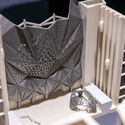
7 Interviews with Architecture Professionals Discussing Digitization, the Metaverse and the Future of Architecture - Image 1 of 47 Interviews with Architecture Professionals Discussing Digitization, the Metaverse and the Future of Architecture - Image 2 of 47 Interviews with Architecture Professionals Discussing Digitization, the Metaverse and the Future of Architecture - Image 3 of 47 Interviews with Architecture Professionals Discussing Digitization, the Metaverse and the Future of Architecture - Image 4 of 47 Interviews with Architecture Professionals Discussing Digitization, the Metaverse and the Future of Architecture - More Images+ 3

Five Ways to Revolutionize the Exploration, Design, and Creation of Buildings

 | Sponsored Content

Architecture encompasses a comprehensive design process that incorporates various steps and considerations for transforming abstract ideas into well-designed and functional projects. While specific approaches may vary, this dynamic and iterative process involves understanding the requirements, goals, and constraints of each case, followed by a conceptual design and detailed development of the spatial organization, relationships, and aesthetic aspects. It concludes with a construction and post-occupancy evaluation. Creativity, collaboration, problem-solving, and previous site analysis guide the creation of functional and aesthetically pleasing designs.

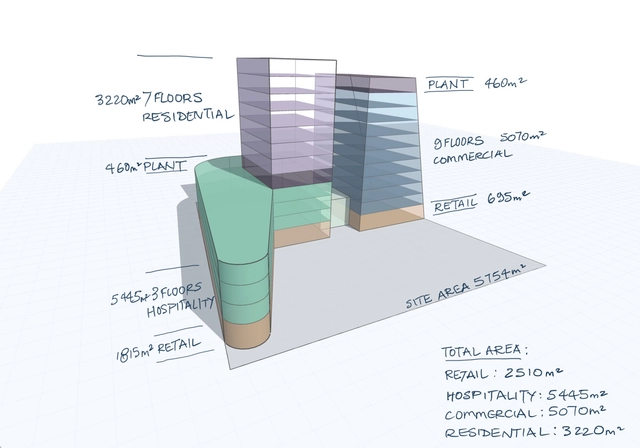
As the most impactful part of the process, the concept design stage is where the shape of a project comes together. Utilizing technologies to revolutionize the nature of design processes, Codesign emerges as a pioneering tool that leverages the power of the iPad and the flexibility of sketching to inform and encourage architects in exploring all the angles and potentialities of their ideas. By transforming sketches into 3D building models, Codesign facilitates an iterative process, enabling architects to explore, iterate, and promptly comprehend the downstream effects of their design possibilities. Here are five ways they are helping leading practices and principles design more today.

Clinging to Familiarity in the Metaverse: Are We More Likely to Accept Architecture When it Looks Familiar?

Subscriber Access | 

We live in a world where the experienced, remembered, and imagined, as well as different moments in space and time concerning the past, present, and future are inseparably blended. As of recent, we are being offered various mediums to gain access to other planes of existence, utilizing immersive technologies like virtual and augmented reality (VR and AR), creating a pathway to the metaverse in which we are transported to spaces that are capable of feeling more ‘real’ than anything we presently experience.

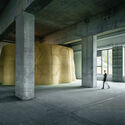
Clinging to Familiarity in the Metaverse: Are We More Likely to Accept Architecture When it Looks Familiar? - Image 18 of 4Clinging to Familiarity in the Metaverse: Are We More Likely to Accept Architecture When it Looks Familiar? - Image 1 of 4Clinging to Familiarity in the Metaverse: Are We More Likely to Accept Architecture When it Looks Familiar? - Image 7 of 4Clinging to Familiarity in the Metaverse: Are We More Likely to Accept Architecture When it Looks Familiar? - Image 6 of 4Clinging to Familiarity in the Metaverse: Are We More Likely to Accept Architecture When it Looks Familiar? - More Images+ 14

Baupal: An Online Building Application Service Making Architecture More Accessible

Baupal: An Online Building Application Service Making Architecture More Accessible - Featured Image

By digitizing architecture services, German firm baupal seeks to democratize sustainable and customized architecture, making design, energy assessments, permitting and cost evaluations more accessible and straightforward for private builders and smaller construction projects. Baupal is an online building application service that takes advantage of digital processes and efficient team structures to streamline design, planning and permitting processes for a range of small-scale projects.

Selected as one of Archdaily's Best New Practices of 2021, Baupal is a Berlin-based start-up co-founded in 2020 by Constantin Schmidt-Thomé, Justus Menten, and Max Schroeren with the purpose of "simplifying design and building application for everyday homeowners and their contractors. "With backgrounds in finance, entrepreneurship and architecture, the team set out to transform the design and planning approval process into a customer experience through digital and transparent workflows. The firm specializes in conversions, extensions and new single-family houses, while also providing building application services to construction companies.

Baupal: An Online Building Application Service Making Architecture More Accessible - Image 1 of 4Baupal: An Online Building Application Service Making Architecture More Accessible - Image 2 of 4Baupal: An Online Building Application Service Making Architecture More Accessible - Image 3 of 4Baupal: An Online Building Application Service Making Architecture More Accessible - Image 4 of 4Baupal: An Online Building Application Service Making Architecture More Accessible - More Images+ 1

7 Stories About NFTs Entering the Realm of Architecture

7 Stories About NFTs Entering the Realm of Architecture - Featured Image
© JOURNEE

Over the past year, NFTs have entered the realm of architecture, prompting conversations over the role of the profession in the future digital economy. From the design of digital real-estate to exhibitions and architecture events exploring its value for the practice and established architecture firms embracing the new medium, NFTs have been embraced by the profession as the promise of a new form of creative production. Discover a round-up of architecture's experiments with NFTs so far, together with a series of Archdaily articles shedding light on the topic.

7 Stories About NFTs Entering the Realm of Architecture - Image 1 of 47 Stories About NFTs Entering the Realm of Architecture - Image 2 of 47 Stories About NFTs Entering the Realm of Architecture - Image 3 of 47 Stories About NFTs Entering the Realm of Architecture - Image 4 of 47 Stories About NFTs Entering the Realm of Architecture - More Images+ 3

Tim Fendley Explains why Analog Wayfinding Tools Matter in a Digital World

Subscriber Access | 

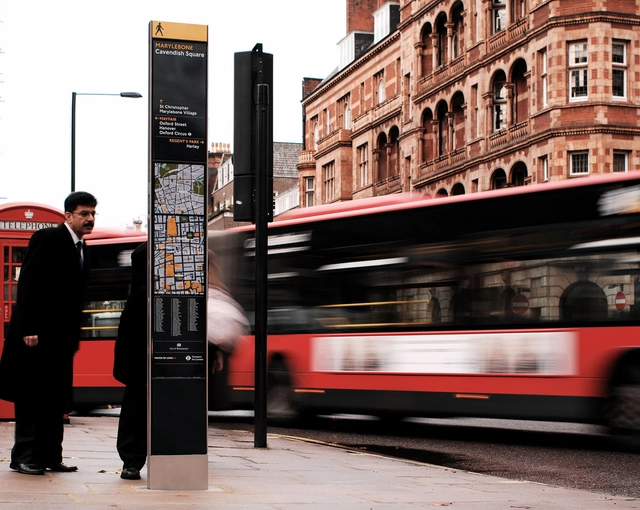
If you have ever walked around the center of London you will have seen those yellow and dark blue panels featuring maps, local attractions, and walking times dotted along the streets and near bus and tube stops. Credited with redefining city wayfinding, Legible London, as the system is called, is now seen as the benchmark for making cities accessible and legible to residents, commuters, and visitors alike. And now Seattle has launched its own version of the London system, and Madrid will do so next year. Giovanna Dunmall asks Tim Fendley, the founder and CEO of Applied, the spatial experience design practice behind all these projects, why analog is often still so superior to digital, and what makes for good wayfinding.

Design in the Age of Digitalization: 6 Digital Pavilions at the 2021 London Design Biennale

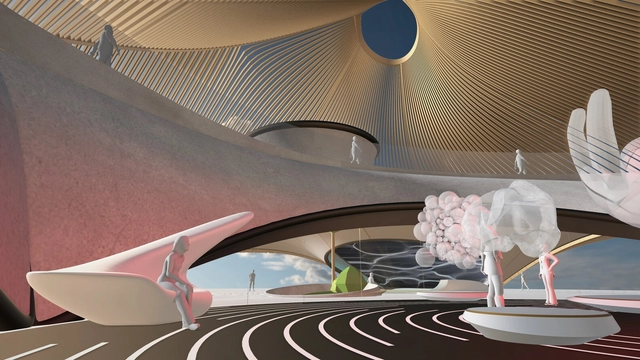
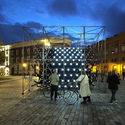
Responding to artistic director and curator Es Devlin's theme ‘Resonance’, designers from different countries, territories, and cities showcased how they envision new perspectives and solutions to global issues, exploring topics such as sustainability and the environment, globalization, migration, and the future of humanity. The diversity of the contributing curators was not only present in the solutions they presented, but in how they displayed them as well. While some opted for the tactile experience of exploring natural elements, others relied on one of the most prominent themes of the 21st century: digitalization and the virtual world.

Design in the Age of Digitalization: 6 Digital Pavilions at the 2021 London Design Biennale - Image 1 of 4Design in the Age of Digitalization: 6 Digital Pavilions at the 2021 London Design Biennale - Image 2 of 4Design in the Age of Digitalization: 6 Digital Pavilions at the 2021 London Design Biennale - Image 3 of 4Design in the Age of Digitalization: 6 Digital Pavilions at the 2021 London Design Biennale - Image 4 of 4Design in the Age of Digitalization: 6 Digital Pavilions at the 2021 London Design Biennale - More Images+ 8

Latvian Pavilion at the 2021 Venice Biennale Explores Human Resistance to Technology

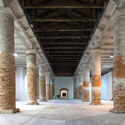
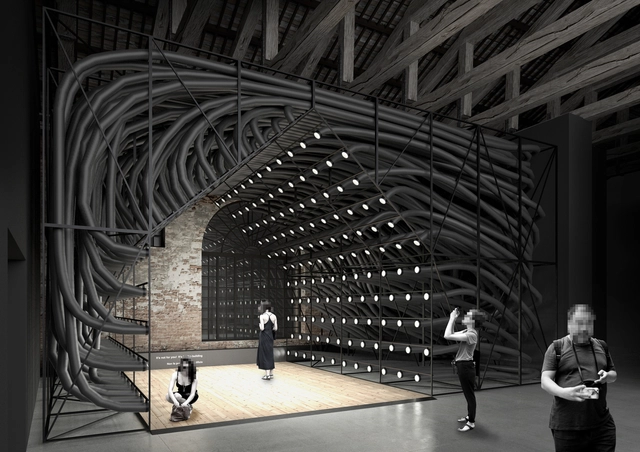
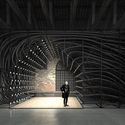
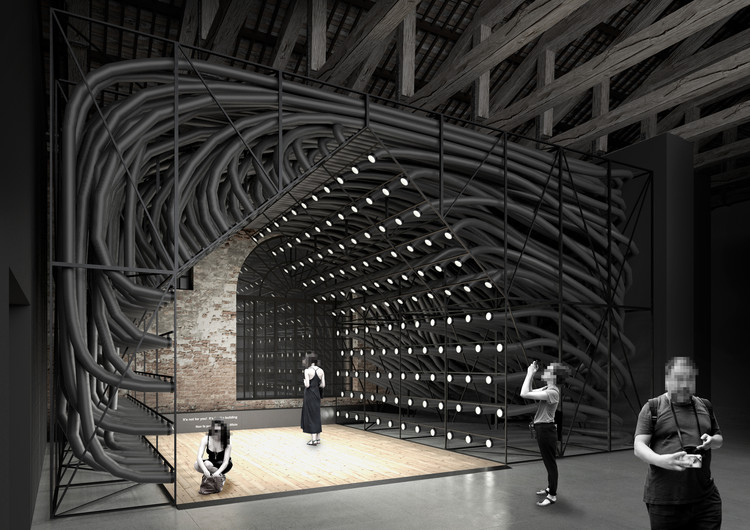
Titled "It's Not For You! It's For the Building", the Latvian Pavilion at the 17th International Architecture Exhibition – La Biennale di Venezia showcases how technology risks creating new problems while providing solutions to urgent global crises. Curated by architecture office NRJA, the pavilion will be on display at the Arsenale from May 21st until November 22nd, 2021.

Latvian Pavilion at the 2021 Venice Biennale Explores Human Resistance to Technology  - Image 1 of 4Latvian Pavilion at the 2021 Venice Biennale Explores Human Resistance to Technology  - Image 2 of 4Latvian Pavilion at the 2021 Venice Biennale Explores Human Resistance to Technology  - Image 3 of 4Latvian Pavilion at the 2021 Venice Biennale Explores Human Resistance to Technology  - Image 4 of 4Latvian Pavilion at the 2021 Venice Biennale Explores Human Resistance to Technology  - More Images+ 12

KCAP’s Dynamic Masterplan for Heidelberg, Germany Moves Forward

The PHVision Masterplan for Heidelberg in Germany has been approved by the City Council. Located on the site of the Patrick-Henry-Village (PHV) in Heidelberg, the 100-hectare development, designed by KCAP can now move forward, transforming the former military area into a new quarter, establishing the knowledge city of the future.

Download All of COAM Architecture Journal's Issues From the Last 100 Years for Free

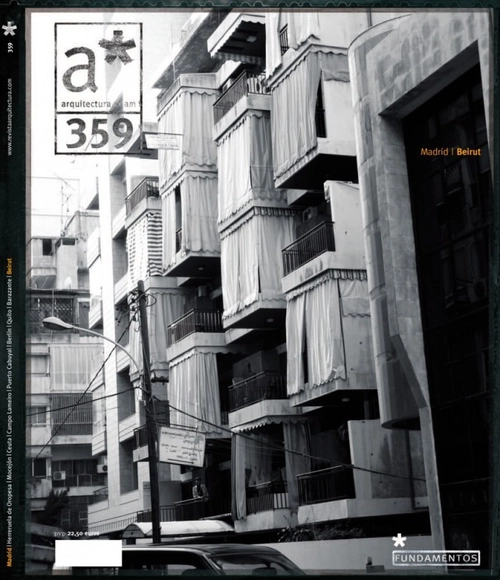
The College of Architects of Madrid (COAM) has made the initial digitization process of their Architecture Journal public, making one of the most important and influential Spanish architectural publications of the twentieth century available to everyone. COAM is a publication known as a platform for debate, thought, and a vital resource for architects, urban planners, and professionals from other closely related sectors.

Founded in 1918 as the official publication of the Central Society of Architects, the journal ARQUITECTURA, became the first publication of the Spanish architectural press. However, the Spanish Civil War would halt its normal development, transforming the magazine, as was required by the new times, into the National Journal of Architecture. It was edited until 1946 by the Directorate General of Architecture, then eventually placed in the hands of the Ministry of the Interior.