



-
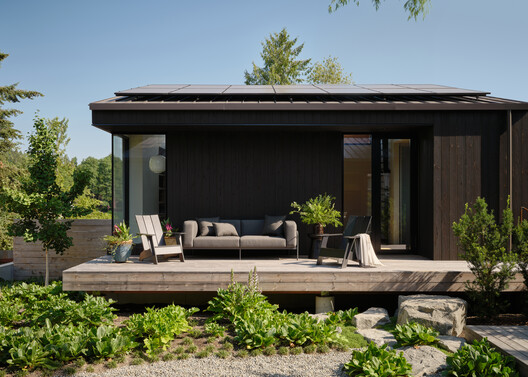
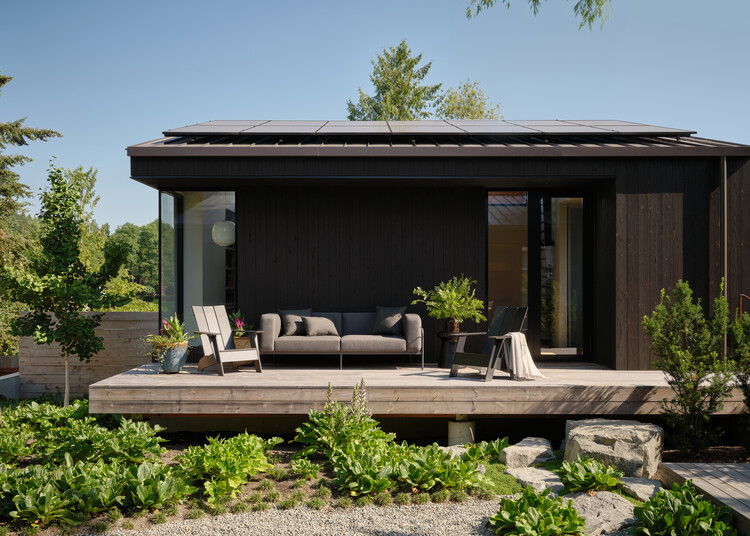
Architects: Linework Architecture
- Area: 2250 ft²
- Year: 2025


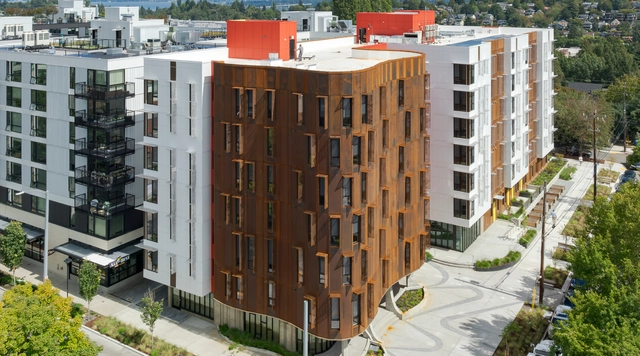
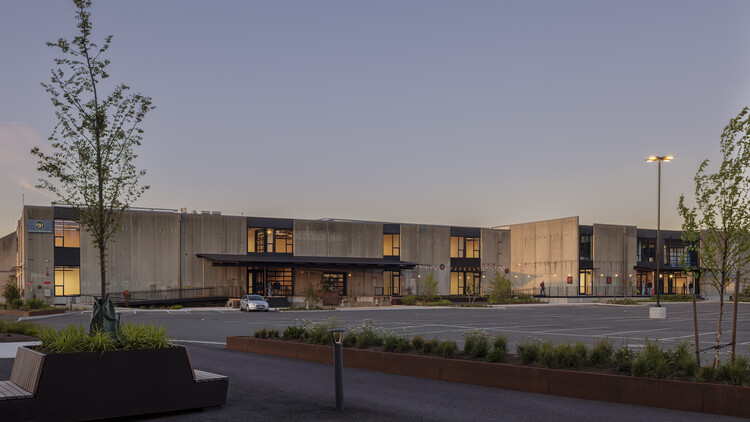
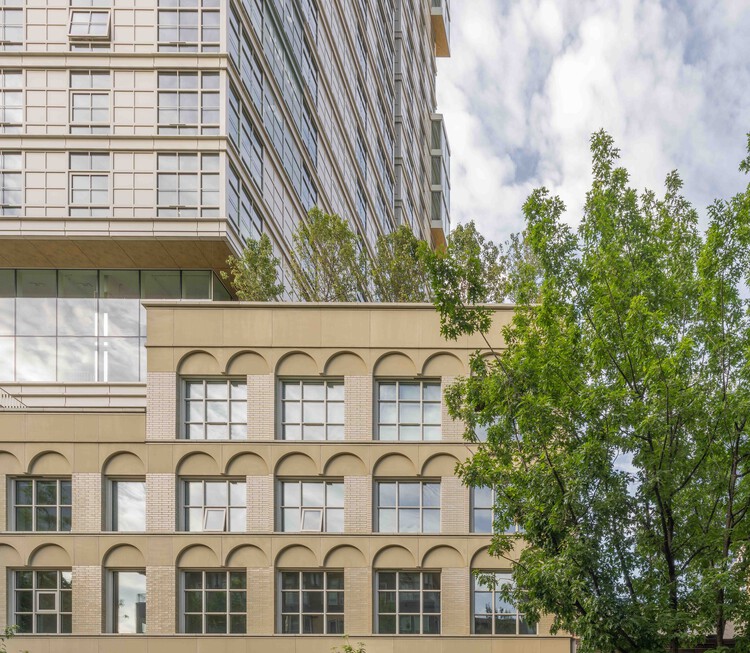
As urban neighborhoods continue to evolve, design plays a key role in shaping how buildings respond to urbanization, functional demands, and the character of their surroundings. Intertwined, these elements guide the transformation of urban life and influence how new developments engage with their context—a dynamic clearly visible in Seattle's Central District. Long considered a historic hub for the city's African American community, the Africatown Plaza project proposes a comprehensive approach that integrates architectural performance with community resonance, using the building envelope as a primary medium.
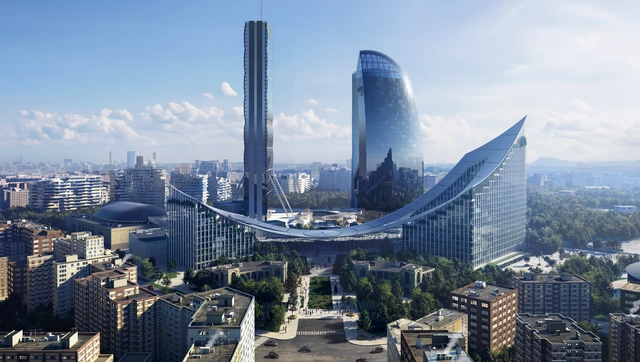
In recent weeks, a number of architecture firms have unveiled new projects that reflect an ongoing shift toward integrated, environmentally responsive urban planning. From Europe to the Middle East and North America, these proposals balance spatial innovation with long-term sustainability, whether through car-free living, passive performance strategies, or adaptive modular construction. While some projects reimagine infrastructure and public institutions, others explore how urban density can coexist with natural ecosystems. This edition of Architecture Now highlights a selection of recently announced masterplans, cultural buildings, and residential communities that offer new models for ecological and social resilience in the built environment.
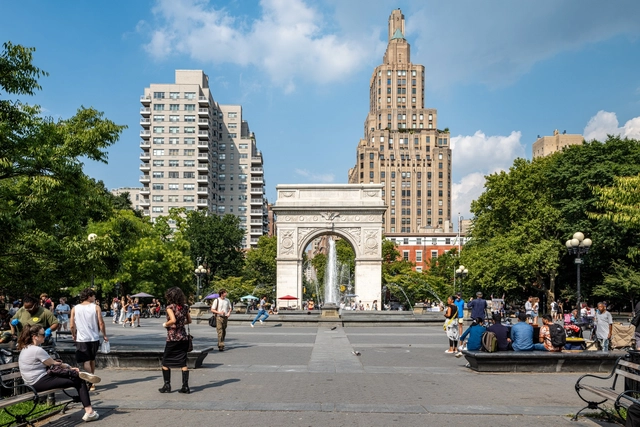
Protests, civil disobedience, and dissent are not only a defining part of our shared history since the colonial era, they also continue to the present day on campuses, at political conventions, and elsewhere. In this context, some historic marches, sit-ins, and other actions are enshrined in our collective narrative, while others have faded from memory; however, the cultural landscapes that served as stages where these events occurred still exist. These places are the focus of Landslide 2024: Demonstration Grounds and a portal for re-engaging with the stories of little-known or even forgotten events that were pivotal in USA history. The thirteen different sites across the country, represented in the new report and digital exhibition from The Cultural Landscape Foundation (TCLF), touch on events that shaped individuals and sparked movements.
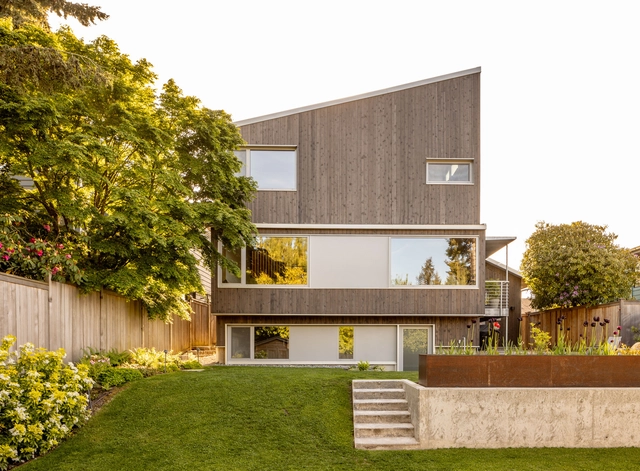
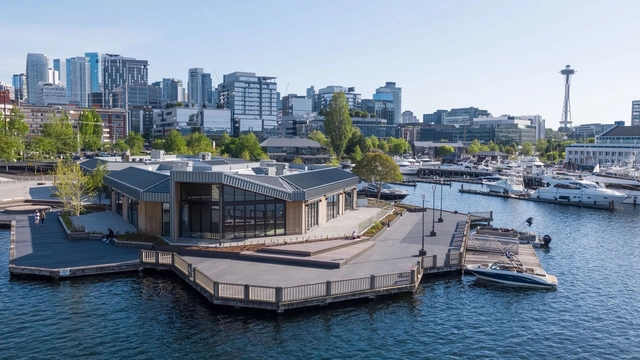
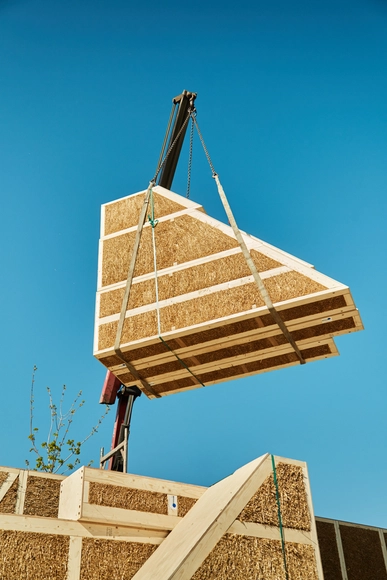
For a long time, the construction industry has followed a linear process - extract raw materials, build structures, demolish them, and then dispose of the garbage in landfills. This approach has serious negative effects on the environment and society and is inherently unsustainable. Reconsidering traditional methods and workflows requires support from all stakeholders and a sense of urgency proclaimed by authorities. In the United States, city organizations have begun to implement new policies to keep construction waste out of landfills and support circular practices. Several cities like Seattle and Pittsburgh, have started implementing deconstruction ordinances that require older buildings to be carefully deconstructed rather than demolished. How might their key provisions influence circular practices in the country?
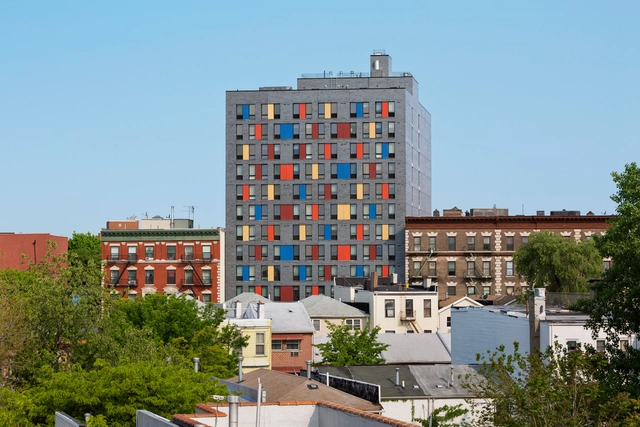
This article was originally published on Common Edge.
If you follow housing policy in America, you may have noticed a particular term cropping up a lot recently: social housing. Maybe you’ve read a longform academic article, live in a city that is codifying a social-housing policy like Seattle or Atlanta, or seen one of the recent mentions in The New York Times, highlighting U.S. and Viennese success stories. On the design front, Dezeen is running a social-housing revival series.

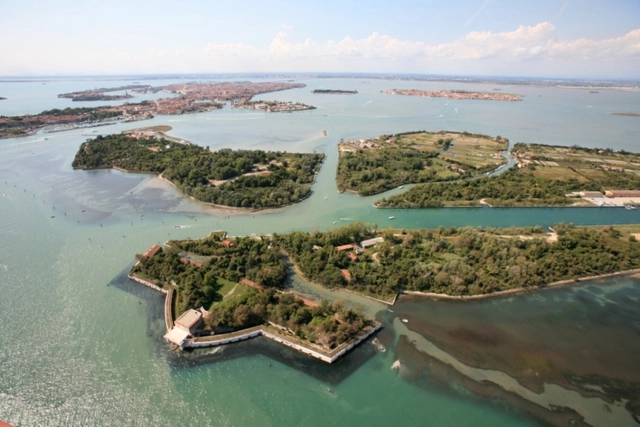
“Reinventing Cities,” C40’s renowned global design competition, has just announced its fourth edition. The competition’s main goal is to “transform underutilized sites or buildings into beacons of sustainability and resilience and act as a showcase for future zero-carbon urban developments.” This year, 15 cities have stepped up the challenge, inviting professionals from various disciplines to reimagine underutilized urban sites and design transformations prioritizing sustainability and inclusivity.
With a commitment to zero-carbon, urban resilient projects, Reinventing Cities has engaged over 3,500 businesses worldwide with 40 projects currently under development globally. This year’s competition is characterized by its ambitious environmental and social objectives; with participating cities spanning continents, including Almere, Bilbao, Bologna, Brussels, Glasgow, Milan, New York, Palermo, Renca, Rome, San Antonio, San Francisco, São Paulo, Seattle, and Venice.