1. ArchDaily
  2. Contemporary Architecture

Contemporary Architecture: The Latest Architecture and News

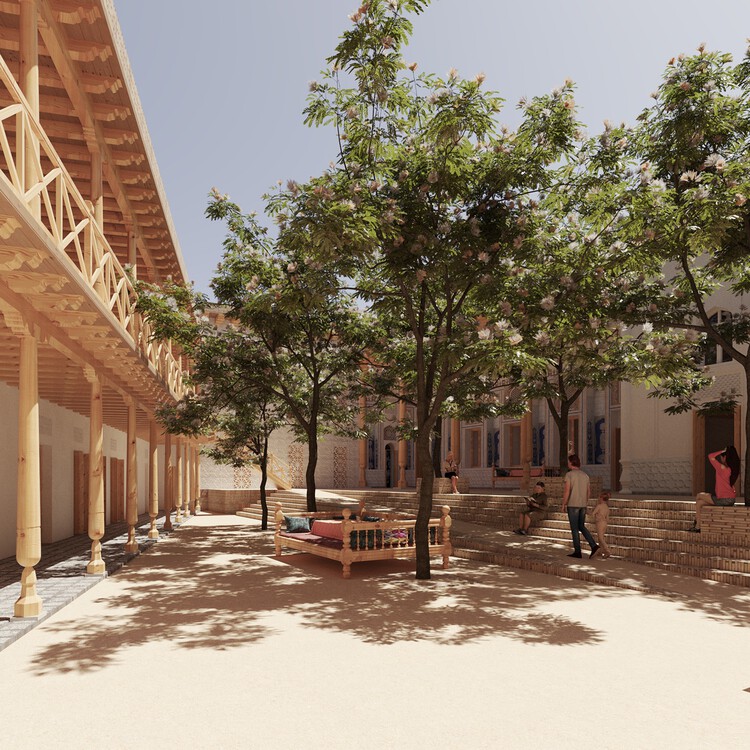
EUmies Awards 2026 Unveil 410 Nominated Works and the Jury Led by Smiljan Radić

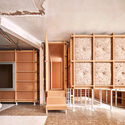
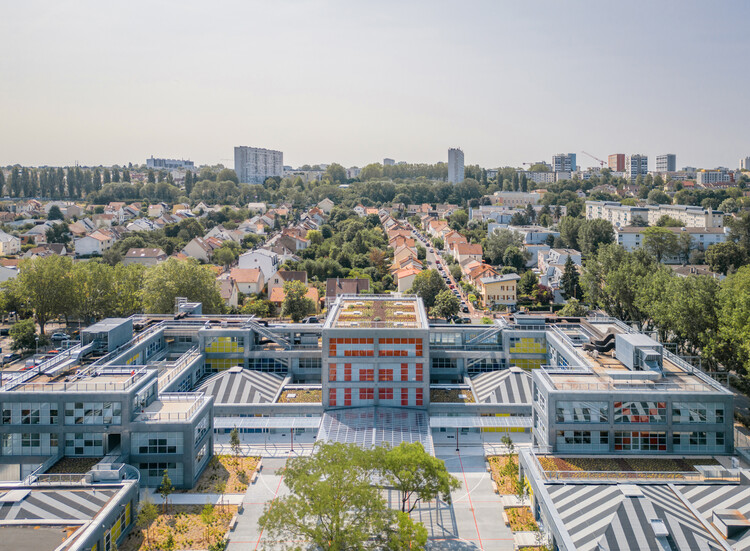
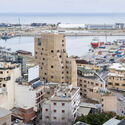
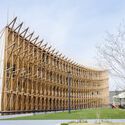
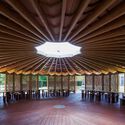
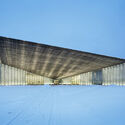
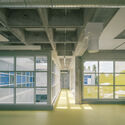
The EUmies Awards are organized annually by the Fundació Mies van der Rohe and the European Commission, with the support of the European Union's Creative Europe Programme. Based on the principle that "architecture is not merely a technical or aesthetic matter, but a cultural, environmental, and democratic issue," this 19th cycle of the Prize brings together 410 works from 40 countries and 143 regions across Europe. Beyond recognizing contemporary architecture projects, the Awards also aim to reflect European values such as cultural diversity, sustainability, democracy, and solidarity. This year, most nominated works (23%) are residential projects, including both collective and single-family housing, followed by cultural (13%) and educational (12%) programs. The selection shows a balance between transformations of existing buildings (44%) and new construction (56%), while 12% of the nominees are transnational works and 33% of the studios are 10 years old or younger, underscoring the growing visibility of emerging practices.

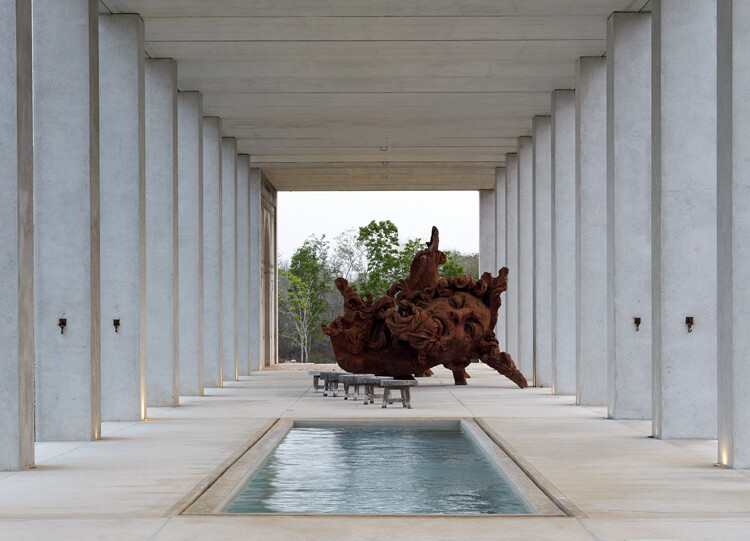
EUmies Awards 2026 Unveil 410 Nominated Works and the Jury Led by Smiljan Radić - Image 1 of 4EUmies Awards 2026 Unveil 410 Nominated Works and the Jury Led by Smiljan Radić - Image 2 of 4EUmies Awards 2026 Unveil 410 Nominated Works and the Jury Led by Smiljan Radić - Image 3 of 4EUmies Awards 2026 Unveil 410 Nominated Works and the Jury Led by Smiljan Radić - Image 4 of 4EUmies Awards 2026 Unveil 410 Nominated Works and the Jury Led by Smiljan Radić - More Images+ 17

The Grand Egyptian Museum Fully Opens, Completing Giza’s New Cultural Landmark

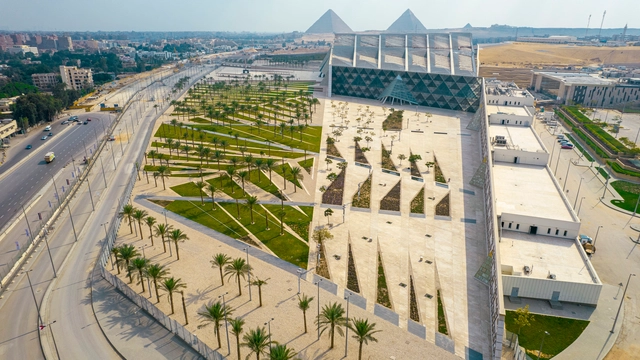
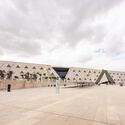
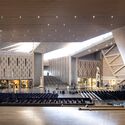
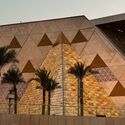
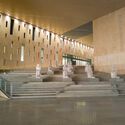
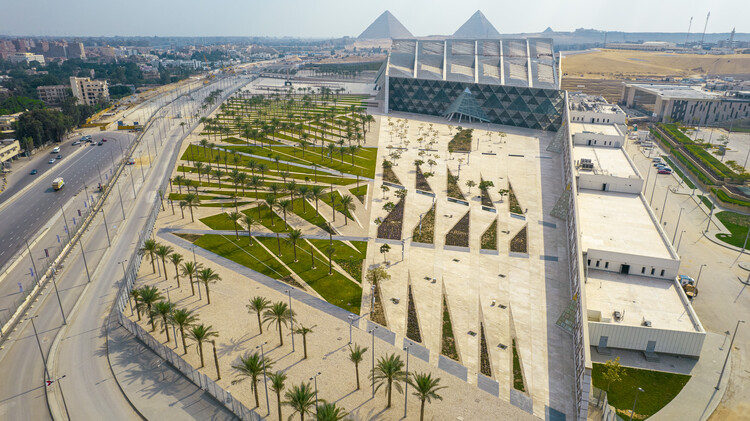
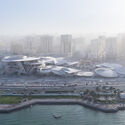
The Grand Egyptian Museum (GEM) in Cairo will open to the public on November 1, 2025, completing a project that has been in development for more than two decades. Designed by Heneghan Peng Architects, the museum is located on the Giza Plateau, approximately two kilometers from the Pyramids of Giza, and occupies a 500,000-square-meter site positioned between the edge of Cairo and the desert. Conceived as a new cultural and research center, the museum aims to present the legacy of ancient Egyptian civilization within a contemporary architectural framework.
The Grand Egyptian Museum Fully Opens, Completing Giza’s New Cultural Landmark - Image 1 of 4The Grand Egyptian Museum Fully Opens, Completing Giza’s New Cultural Landmark - Image 2 of 4The Grand Egyptian Museum Fully Opens, Completing Giza’s New Cultural Landmark - Image 3 of 4The Grand Egyptian Museum Fully Opens, Completing Giza’s New Cultural Landmark - Image 4 of 4The Grand Egyptian Museum Fully Opens, Completing Giza’s New Cultural Landmark - More Images+ 5

Architecture of Wine: 15 Contemporary Wineries Around the World

Subscriber Access | 

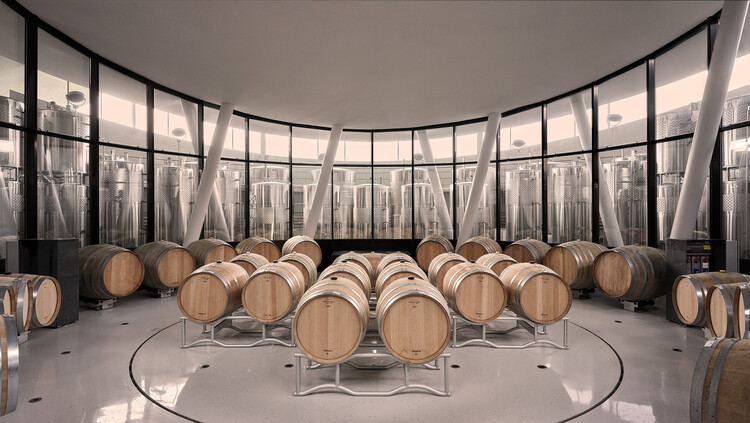
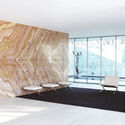
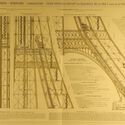
Wine production has long been tied to place, climate, and culture, and in recent decades, architecture has become a central part of this relationship. Wineries are no longer understood only as functional facilities for fermentation, storage, and distribution, but also as spaces where landscape, materiality, and visitor experience intersect. From subterranean cellars hidden beneath fields to sculptural landmarks rising in rural territories, these buildings shape the identity of winemaking regions while offering visitors a carefully choreographed encounter with the process of production.

At the intersection of agriculture, tourism, and culture, wineries present architects with unique opportunities to merge technical requirements with a spatial narrative. They must respond to environmental conditions, manage temperature and humidity with precision, and integrate with delicate ecosystems, while also providing spaces for tasting, gathering, and celebration. As a result, the typology has given rise to a wide range of architectural solutions. Some are rooted in tradition and local craft, others are exploring advanced technologies and contemporary forms.
Architecture of Wine: 15 Contemporary Wineries Around the World - Image 1 of 4Architecture of Wine: 15 Contemporary Wineries Around the World - Image 2 of 4Architecture of Wine: 15 Contemporary Wineries Around the World - Image 3 of 4Architecture of Wine: 15 Contemporary Wineries Around the World - Image 4 of 4Architecture of Wine: 15 Contemporary Wineries Around the World - More Images+ 45

OMA Unveils Hillside Redevelopment Project in Busan, South Korea

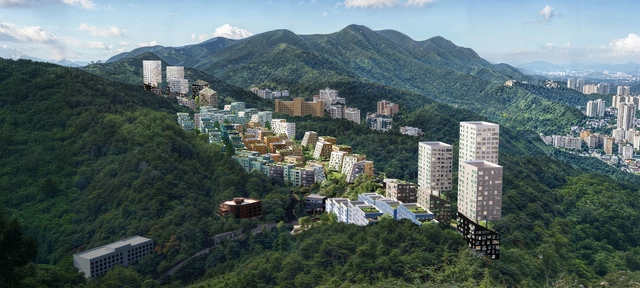
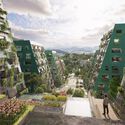
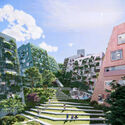
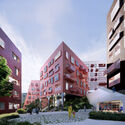
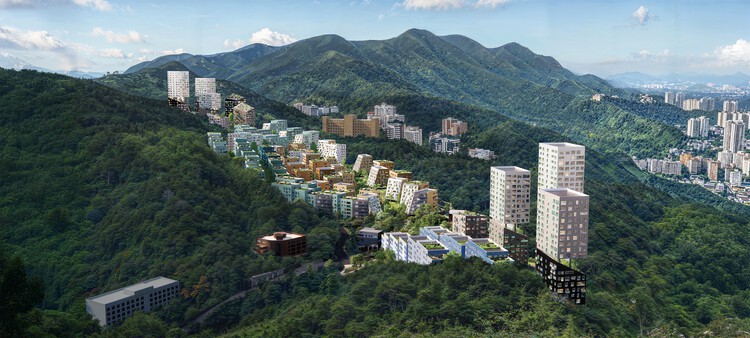
The Busan Slope Housing project by OMA addresses urban redevelopment on the steep hillsides of Busan, South Korea, drawing on the city's topographical complexity and historical settlement patterns. Developed in collaboration with the Busan Architecture Festival and the Department of Housing and Architecture, the project explores strategies to rethink hillside neighborhoods while responding to both contemporary housing needs and the social and spatial legacies of these areas. Rather than replacing these areas with conventional high-rise estates, OMA envisions a flexible, context-responsive framework that integrates contemporary housing typologies with the site's inherited structure.

OMA Unveils Hillside Redevelopment Project in Busan, South Korea - Image 1 of 4OMA Unveils Hillside Redevelopment Project in Busan, South Korea - Image 2 of 4OMA Unveils Hillside Redevelopment Project in Busan, South Korea - Image 3 of 4OMA Unveils Hillside Redevelopment Project in Busan, South Korea - Image 4 of 4OMA Unveils Hillside Redevelopment Project in Busan, South Korea - More Images+ 4

Passive Design Lessons from Renzo Piano’s Most Celebrated Works

It's no exaggeration to say that Renzo Piano is one of the most unanimously respected architects in the world of architecture. With an oeuvre that blends respect for context, lightness and technology to create environmentally conscious and aesthetically pleasing structures, his approach combines advanced materials with traditional techniques. In projects of various scales, the Genoese architect maintains an essential thread: the implementation of passive architectural strategies, highlighting the importance of these methods for sustainability and energy efficiency. This is often made explicit in his sketches, as an initial concern, and clearly comes through in the finished works. Here are some examples of iconic projects developed by his office in recent decades.


Passive Design Lessons from Renzo Piano’s Most Celebrated Works - Image 1 of 4Passive Design Lessons from Renzo Piano’s Most Celebrated Works - Image 2 of 4Passive Design Lessons from Renzo Piano’s Most Celebrated Works - Image 3 of 4Passive Design Lessons from Renzo Piano’s Most Celebrated Works - Image 4 of 4Passive Design Lessons from Renzo Piano’s Most Celebrated Works - More Images+ 12

Every Second Counts, Every Space Matters: 15 Contemporary Fire Stations

Subscriber Access | 

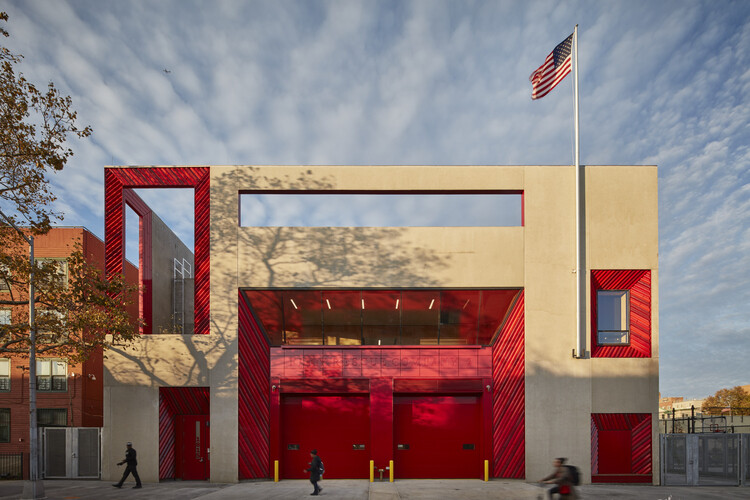
What should be taken into account when designing a fire station? The answer may seem obvious: functionality and efficiency. After all, every second counts in an emergency. But can a building designed for urgent operations also be aesthetically compelling, welcoming, and connected to its community? In recent decades, architects such as Zaha Hadid and Álvaro Siza have demonstrated that it can. By rethinking this building type, they have created spaces that go beyond emergency response—spaces that strengthen social ties, support the well-being of firefighters, and become urban landmarks.

Every Second Counts, Every Space Matters: 15 Contemporary Fire Stations - Image 1 of 4Every Second Counts, Every Space Matters: 15 Contemporary Fire Stations - Image 2 of 4Every Second Counts, Every Space Matters: 15 Contemporary Fire Stations - Image 3 of 4Every Second Counts, Every Space Matters: 15 Contemporary Fire Stations - Image 4 of 4Every Second Counts, Every Space Matters: 15 Contemporary Fire Stations - More Images+ 19

Architecture as Soft Power: Cultural Diplomacy and Its Role in Shaping Architectural Production

Cultural diplomacy refers to the use of cultural expression and creative exchange to foster understanding and build relationships between nations. In this context, architecture has long played a distinctive role. Beyond its functional and aesthetic dimensions, it serves as a medium of communication, a language through which countries express identity, values, and ambition on the global stage.

Architecture operates as a form of soft power — persuasive rather than coercive — enabling nations to project influence through material presence. From modernist embassies in the post-war era to monumental pavilions at world expositions, governments and institutions have recognized the built environment's potential to shape perception. By commissioning prominent architects and adopting specific design languages, countries have used architecture to signal modernity, tradition, innovation, or stability.

Architecture as Soft Power: Cultural Diplomacy and Its Role in Shaping Architectural Production - Image 1 of 4Architecture as Soft Power: Cultural Diplomacy and Its Role in Shaping Architectural Production - Image 2 of 4Architecture as Soft Power: Cultural Diplomacy and Its Role in Shaping Architectural Production - Image 3 of 4Architecture as Soft Power: Cultural Diplomacy and Its Role in Shaping Architectural Production - Image 4 of 4Architecture as Soft Power: Cultural Diplomacy and Its Role in Shaping Architectural Production - More Images+ 20

Frankfurt Architecture City Guide: 20 Projects Tracing a Skyline Between History and Modernity

Subscriber Access | 

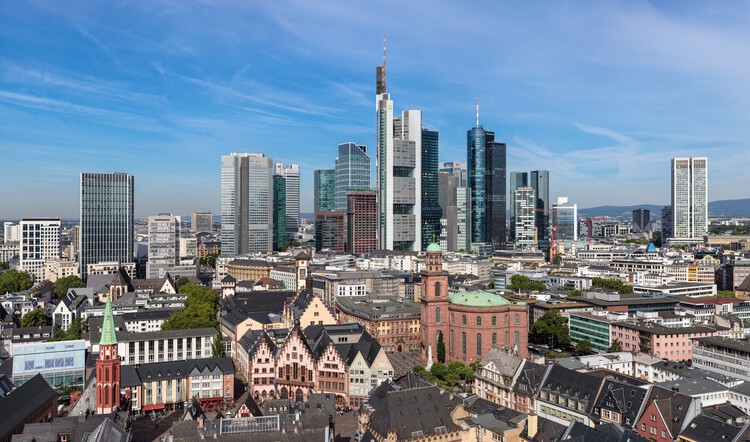
Frankfurt is often recognised for its distinctive skyline, a rare feature in European cities. Towering glass skyscrapers mark its role as a global financial hub, yet beneath this vertical image lies a city layered with centuries of history, destruction, and reconstruction. From medieval timber-framed houses to post-war modernism and contemporary high-rises, Frankfurt has consistently reinvented itself through architecture, producing a built environment where different periods coexist in dialogue.

The city's transformation accelerated after World War II, when much of its historic core was destroyed and planners sought to balance rapid economic growth with the need for cultural reconstruction. Landmarks such as the Römerberg square were meticulously rebuilt, while modernist interventions and infrastructural projects introduced new scales and languages. More recently, projects by internationally renowned offices have reshaped the riverfront and business districts, adding architectural icons that express Frankfurt's global role.

Frankfurt Architecture City Guide: 20 Projects Tracing a Skyline Between History and Modernity - Image 1 of 4Frankfurt Architecture City Guide: 20 Projects Tracing a Skyline Between History and Modernity - Image 2 of 4Frankfurt Architecture City Guide: 20 Projects Tracing a Skyline Between History and Modernity - Image 3 of 4Frankfurt Architecture City Guide: 20 Projects Tracing a Skyline Between History and Modernity - Image 4 of 4Frankfurt Architecture City Guide: 20 Projects Tracing a Skyline Between History and Modernity - More Images+ 23

BIG Reveals “The Sail” Congress Center on the Seine Riverfront in France

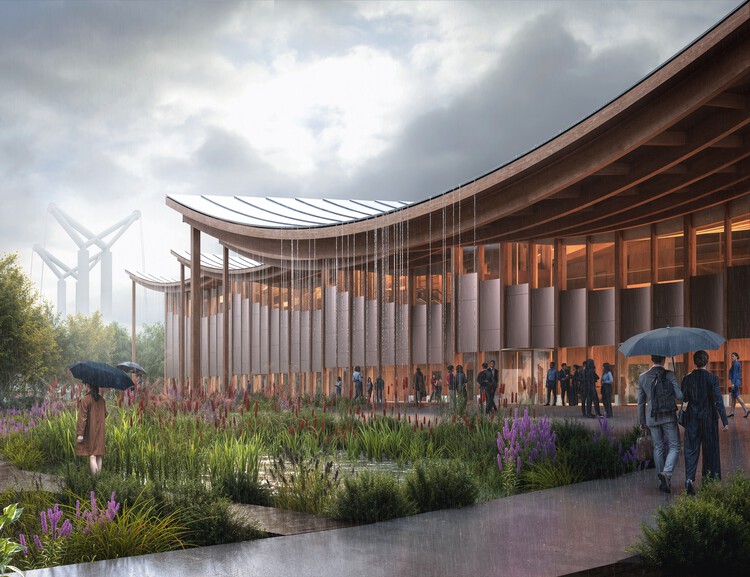
Bjarke Ingels Group (BIG) has unveiled the design for a new congress center in Rouen, France, featuring a distinctive sweeping timber roof that reflects the city's long-standing relationship with the water. Located along the Seine riverfront, the building, nicknamed "The Sail," is envisioned as a public gathering place that reconnects the city with its waterfront while offering new cultural and civic amenities. Designed for the Rouen Normandy Metropolis, the project combines contemporary architectural expression with references to Rouen's maritime and urban heritage.

BIG Reveals “The Sail” Congress Center on the Seine Riverfront in France - Image 1 of 4BIG Reveals “The Sail” Congress Center on the Seine Riverfront in France - Featured ImageBIG Reveals “The Sail” Congress Center on the Seine Riverfront in France - Image 2 of 4BIG Reveals “The Sail” Congress Center on the Seine Riverfront in France - Image 3 of 4BIG Reveals “The Sail” Congress Center on the Seine Riverfront in France - More Images+ 12

Lina Ghotmeh’s Bahrain Pavilion Wins Gold Award for Best Architecture and Landscape at Expo 2025 Osaka

The Kingdom of Bahrain's Pavilion at Expo 2025 Osaka, designed by Lina Ghotmeh – Architecture, titled "Connecting Seas," has been awarded the Gold Award for Best Architecture and Landscape in the self-built pavilions under 1,500 square meters category. Presented by the Bureau International des Expositions (BIE), the award recognizes architectural excellence in spatial design, creativity, and sustainability. The announcement was made at an official award ceremony in Osaka, Japan, attended by commissioners general and representatives from participating nations. Commissioned by the Bahrain Authority for Culture and Antiquities (BACA), this marks the country's fourth participation in a World Expo and reflects an ongoing commitment to expressing national identity through architecture and cultural dialogue.

Lina Ghotmeh’s Bahrain Pavilion Wins Gold Award for Best Architecture and Landscape at Expo 2025 Osaka - Image 1 of 4Lina Ghotmeh’s Bahrain Pavilion Wins Gold Award for Best Architecture and Landscape at Expo 2025 Osaka - Image 2 of 4Lina Ghotmeh’s Bahrain Pavilion Wins Gold Award for Best Architecture and Landscape at Expo 2025 Osaka - Image 3 of 4Lina Ghotmeh’s Bahrain Pavilion Wins Gold Award for Best Architecture and Landscape at Expo 2025 Osaka - Image 4 of 4Lina Ghotmeh’s Bahrain Pavilion Wins Gold Award for Best Architecture and Landscape at Expo 2025 Osaka - More Images+ 4

Lina Ghotmeh on Memory, Museums, and the Archaeology of the Future

Subscriber Access | 

Known today for her poetic yet rigorous approach to architecture, Lina Ghotmeh has become one of the most compelling voices in contemporary design. Her work spans continents, from the British Museum's Western Range redesign in London to AlUla's Contemporary Art Museum, and includes landmark commissions such as the Serpentine Pavilion in London, Stone Garden in Beirut, the Bahrain Pavilion at the 2025 Expo Osaka, and the Estonian National Museum in Tartu, Estonia which she won the competition to design at just 25. Through a palimpsest of projects, Ghotmeh has established a distinctive architectural language that bridges memory and contemporary life. Wherever she builds, her process captures a constant dialogue between people, place, past and future.

Lina Ghotmeh on Memory, Museums, and the Archaeology of the Future - Image 1 of 4Lina Ghotmeh on Memory, Museums, and the Archaeology of the Future - Image 2 of 4Lina Ghotmeh on Memory, Museums, and the Archaeology of the Future - Image 3 of 4Lina Ghotmeh on Memory, Museums, and the Archaeology of the Future - Image 4 of 4Lina Ghotmeh on Memory, Museums, and the Archaeology of the Future - More Images+ 7

The Project as Argument: What is Architectural Thinking?

Architecture is shaped not only by buildings, but by the ideas that make them possible. Before the constraints of capital, regulation, and procurement, there is a moment when architecture is allowed to think aloud. The first confrontation with this fertile moment usually takes place in academia, in the thesis. It is not merely a requirement for graduation, but a space of speculative freedom where architecture formulates hypotheses, builds arguments, and tests positions.

For many, it is also the first opportunity to think beyond the structure of academic programs — a first chance to explore something more personal, unresolved, or even unreasonable. While often seen as an endpoint, the thesis is better understood as a beginning: the first engagement with architecture as a form of reasoning, where the project is not yet a response, but a question.

The Project as Argument: What is Architectural Thinking? - Image 1 of 4The Project as Argument: What is Architectural Thinking? - Image 2 of 4The Project as Argument: What is Architectural Thinking? - Image 3 of 4The Project as Argument: What is Architectural Thinking? - Image 4 of 4The Project as Argument: What is Architectural Thinking? - More Images+ 27

Framing Interiors and Landscapes in Aluminum and Glass to Master the View

 | Sponsored Content

Windows have long held an ambivalent role in architecture, as they both define and enclose interiors while simultaneously creating a link to the outdoors. This dual function goes beyond simply meeting construction needs or providing daylight, directly influencing how occupants experience and engage with the views. The 20th century saw the introduction of materials such as steel, aluminum, and glass, which enabled different types of windows with thinner frames and expansive panes, enhancing transparency and reinforcing the visual connection with the surrounding setting.

American architects such as Frank Lloyd Wright and Philip Johnson explored these possibilities to harmonize architecture with landscape. In Fallingwater House, windows and terraces seamlessly connect the house to the waterfall and surrounding forest, whereas the Glass House's minimal framing nearly dissolves the boundary between interior and exterior, bringing the natural environment to life inside the house. Through its evolution, windows have become an element that unites space, materials, and perception, opening new pathways for exploring the relationship between architecture and its environment.

Centre Pompidou to Close for Five-Year Renovation Led by Moreau Kusunoki

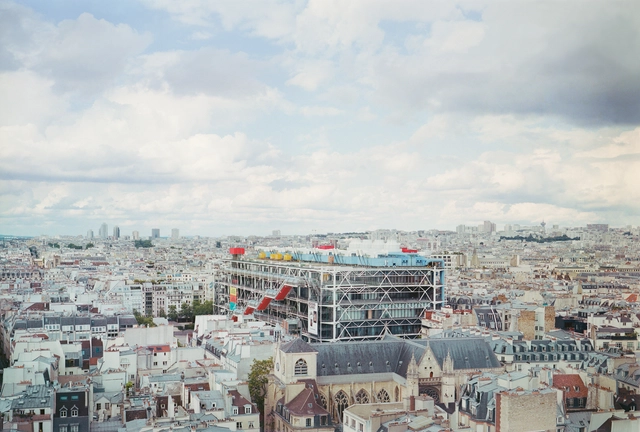
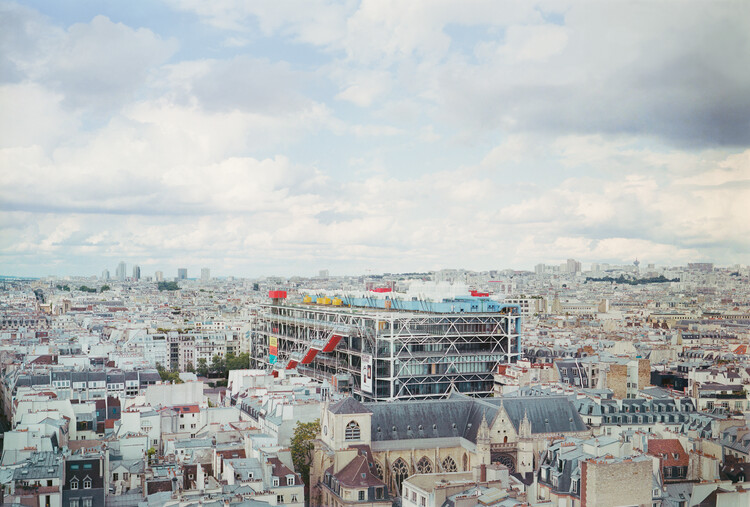
The Centre Pompidou in Paris, designed in 1971 by Renzo Piano and Richard Rogers, is closing for a major transformation that will take five years. Following an international competition, the renovation has been entrusted to Moreau Kusunoki, in association with Frida Escobedo Studio, alongside AIA Life Designers for the technical components. Initiated in 2020 with the support of France's Ministry of Culture, the project addresses urgent needs, including the removal of asbestos from facades, improved fire safety, enhanced accessibility, and significant upgrades in energy efficiency. The works will require a full closure of the Beaubourg site, with a planned reopening in 2030.

Centre Pompidou to Close for Five-Year Renovation Led by Moreau Kusunoki - Image 7 of 4Centre Pompidou to Close for Five-Year Renovation Led by Moreau Kusunoki - Image 14 of 4Centre Pompidou to Close for Five-Year Renovation Led by Moreau Kusunoki - Image 11 of 4Centre Pompidou to Close for Five-Year Renovation Led by Moreau Kusunoki - Image 9 of 4Centre Pompidou to Close for Five-Year Renovation Led by Moreau Kusunoki - More Images+ 12

Tradition, Innovation and Experimentation: Contemporary Mexican House Through the Lens of Edmund Sumner

Subscriber Access | 

Blending vernacular techniques with contemporary experimentation, Mexico's architectural landscape is shaped by a continuous dialogue between tradition, materiality, and modernity. As the fifth most biodiverse country in the world, Mexican architecture seeks to respond to its vast range of natural environments, climates, and cultural traditions, all within a territory marked by striking contrasts. Reflecting a visible duality, it can embody both exclusivity and act as a catalyst for social transformation.

Tradition, Innovation and Experimentation: Contemporary Mexican House Through the Lens of Edmund Sumner - Image 1 of 4Tradition, Innovation and Experimentation: Contemporary Mexican House Through the Lens of Edmund Sumner - Image 2 of 4Tradition, Innovation and Experimentation: Contemporary Mexican House Through the Lens of Edmund Sumner - Image 3 of 4Tradition, Innovation and Experimentation: Contemporary Mexican House Through the Lens of Edmund Sumner - Image 4 of 4Tradition, Innovation and Experimentation: Contemporary Mexican House Through the Lens of Edmund Sumner - More Images+ 20

Choreographing Space: Architecture and Dance as Interdisciplinary Practices

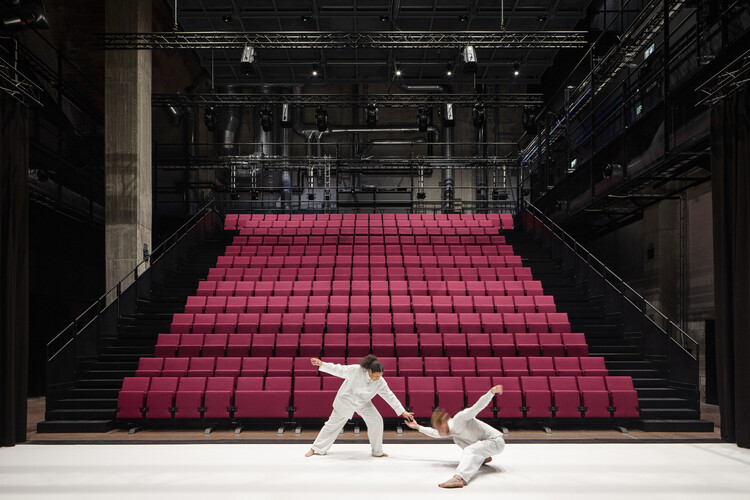
"Dance, dance… otherwise we are lost." This oft-cited phrase by Pina Bausch encapsulates not only the urgency of movement, but its capacity to reveal space itself. In her choreographies, space is never a neutral backdrop, it becomes a partner, an obstacle, a memory. Floors tilt, chairs accumulate, walls oppress or liberate. These are architectural conditions, staged and contested through the body. What Bausch exposes — and what architecture often forgets — is that space is not simply built, it is performed. Her work invites architects to think not only in terms of materials and forms, but of gestures, relations, and rhythms. It suggests that architecture, like dance, is ultimately about how we inhabit, structure, and emotionally charge the spaces we move through.

Historically, architecture and dance have operated in parallel, shaping human experience through the body's orientation in space and time. From the choreographed rituals of classical temples to the axial logics of Baroque palaces, built space has always implied movement. The Bauhaus took this further, as Oskar Schlemmer's Triadic Ballet visualized space as a geometric extension of the body. This was not scenery, but spatial thinking made kinetic. In the 20th century, choreographers like William Forsythe and Anne Teresa De Keersmaeker integrated architectural constraints into their scores, while architects such as Steven Holl, Diller Scofidio + Renfro, and Toyo Ito designed buildings that unfold as spatial sequences, inviting movement, drift, and delay.

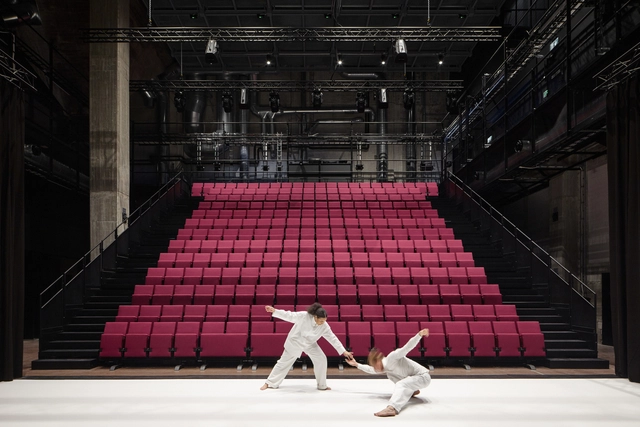
Choreographing Space: Architecture and Dance as Interdisciplinary Practices - Image 1 of 4Choreographing Space: Architecture and Dance as Interdisciplinary Practices - Image 2 of 4Choreographing Space: Architecture and Dance as Interdisciplinary Practices - Image 3 of 4Choreographing Space: Architecture and Dance as Interdisciplinary Practices - Image 4 of 4Choreographing Space: Architecture and Dance as Interdisciplinary Practices - More Images+ 35

First Copenhagen Architecture Biennial Opens With the Theme “Slow Down”

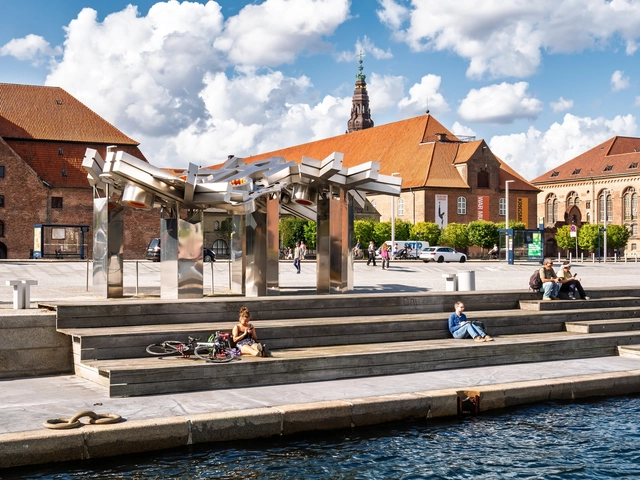
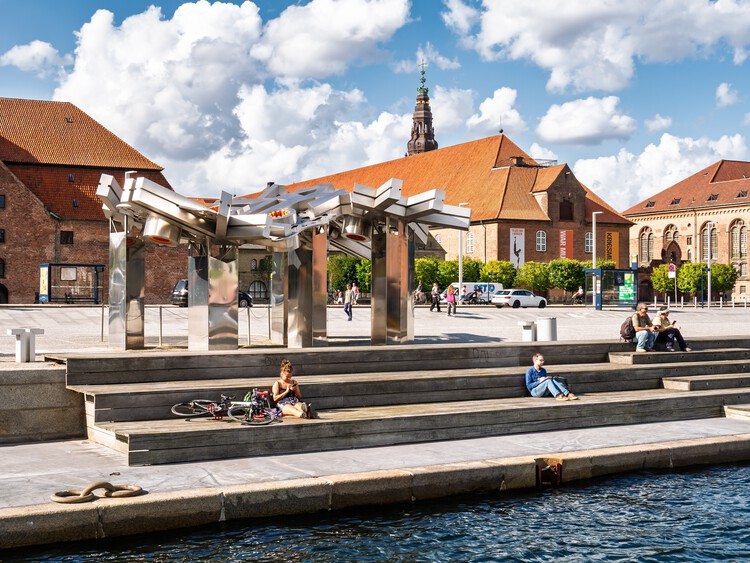
The first edition of the Copenhagen Architecture Biennial opens today and runs until October 19, transforming the city into a platform for architectural dialogue and exchange. Organised by CAFx (Copenhagen Architecture Forum), the new biennial expands on the former Copenhagen Architecture Festival, shifting from an annual format to a broader, more ambitious platform for architectural exploration. Led by Josephine Michau, CEO and Founder of CAFx and curator of the Danish Pavilion at the Venice Architecture Biennale 2023, the Biennial launches under the theme "Slow Down," reflecting on how societies can respond to the pressures of rapid population growth, resource consumption, and environmental challenges by rethinking the pace of change in the built environment. The theme builds on the concept of a "Great Deceleration," inviting participants to envision spaces that promote sustainability, longevity, and mindful engagement with the built environment.

First Copenhagen Architecture Biennial Opens With the Theme “Slow Down” - Image 1 of 4First Copenhagen Architecture Biennial Opens With the Theme “Slow Down” - Image 2 of 4First Copenhagen Architecture Biennial Opens With the Theme “Slow Down” - Image 3 of 4First Copenhagen Architecture Biennial Opens With the Theme “Slow Down” - Image 4 of 4First Copenhagen Architecture Biennial Opens With the Theme “Slow Down” - More Images+ 16

Inhabiting a Layered Past: How Contemporary Design Is Transforming Colonial Houses in Mérida, Mexico

Subscriber Access | 

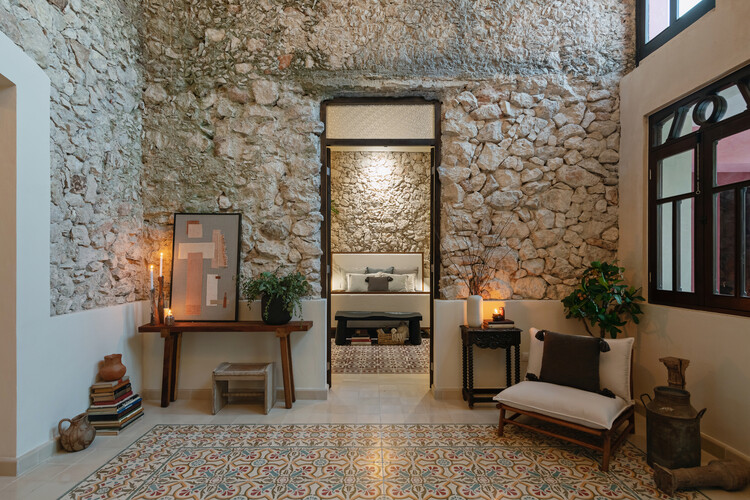
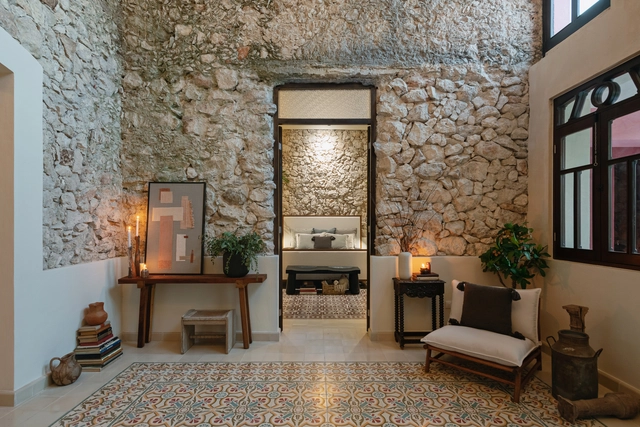
In the pursuit of connecting with the architectural traditions of cities and integrating their natural environments into design projects, the contemporary reinterpretation of colonial homes in Mexico faces the challenge of enhancing the contrast between the old and the new. Through the conservation of historical elements, the reuse of materials, and the fusion with contemporary design, the architecture of Mérida recognizes in its original colonial configuration new opportunities to create spaces in line with today’s demands. From achieving a direct connection with nature to naturally lighting and ventilating interior spaces, numerous ancient constructions, whether in ruins or not, choose to highlight their architecture by giving them a new life.

Inhabiting a Layered Past: How Contemporary Design Is Transforming Colonial Houses in Mérida, Mexico - Image 1 of 4Inhabiting a Layered Past: How Contemporary Design Is Transforming Colonial Houses in Mérida, Mexico - Image 2 of 4Inhabiting a Layered Past: How Contemporary Design Is Transforming Colonial Houses in Mérida, Mexico - Image 3 of 4Inhabiting a Layered Past: How Contemporary Design Is Transforming Colonial Houses in Mérida, Mexico - Image 4 of 4Inhabiting a Layered Past: How Contemporary Design Is Transforming Colonial Houses in Mérida, Mexico - More Images+ 26