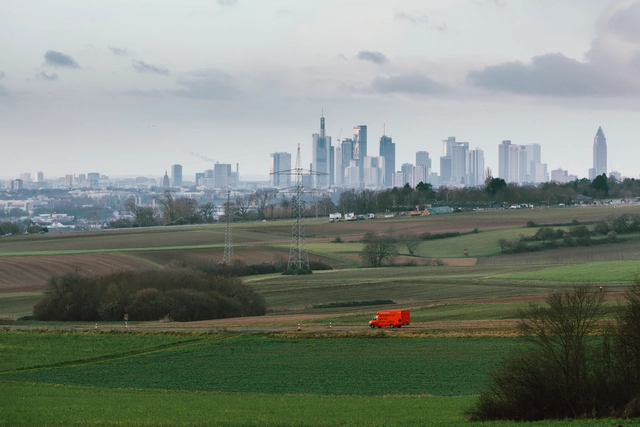
The German Design Awards 2026 are now open for submissions worldwide. Under the theme Connecting Global Excellence, the awards extend an invitation not just to enter, but to engage—with ideas, with places, with people. This year's open call is accompanied by a new series of Design Masterclasses in Zurich and Copenhagen, created in collaboration with DAAily platforms, offering spaces to share, learn and connect. As the Frankfurt RheinMain region prepares to take the global stage as World Design Capital 2026, the German Design Awards 2026 reflect the full spectrum of design today—from visionary innovation to cultural continuity. They are both a mirror of our diverse design landscape and a catalyst for forward-thinking transformation across all disciplines.
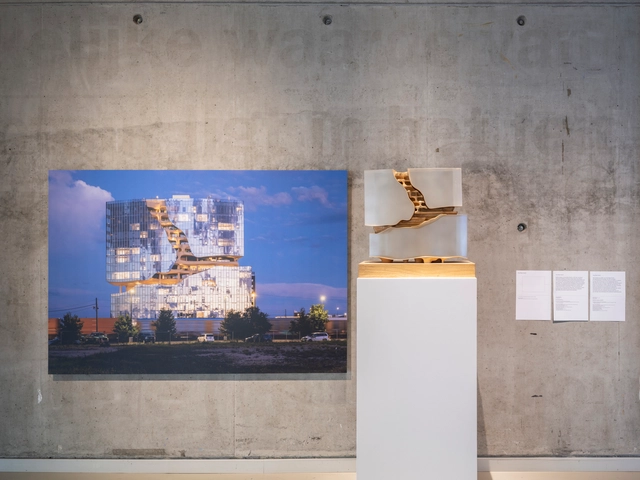
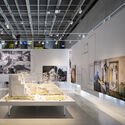
The exhibition "Ma Yansong: Architecture and Emotion," presenting the work of Chinese architect Ma Yansong and his globally recognized practice MAD Architects, has opened at the Nieuwe Instituut in Rotterdam, the Netherlands' national museum for architecture, design, and digital culture. Featuring a selection of projects from MAD's international portfolio, the exhibition explores how the studio challenges conventional architectural paradigms through forms influenced by nature and guided by sensorial experience. The exhibition will be on view until 12 October, and on Thursday 26 June, Ma Yansong will be the guest of honour at the Nieuwe Instituut for "An Evening With...", a public program where he will discuss his design philosophy with Aric Chen.
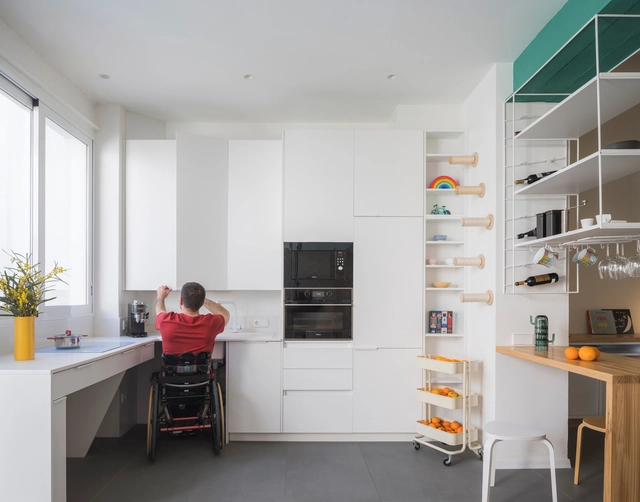
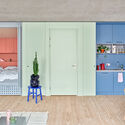
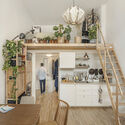
Space has become a luxury in many of the world's most densely populated cities—a growing reality that's hard to ignore. Megacities like Tokyo, Shanghai, Mumbai, Mexico City, and São Paulo already have populations exceeding 20 million, while other urban centers across Asia and Africa continue to expand rapidly. Among these, Delhi stands out: if current trends continue, it is projected to become the most populous city by 2028. As these cities expand, housing—especially new developments—follows a new logic: as square meters shrink, furniture adapts, and daily life learns to fit and thrive in high-density environments. This change isn't just about size; it reflects a new way of living. Where spaciousness once dominated, density now rules. Every corner gains spatial and commercial value, with the kitchen emerging as one of the biggest challenges in housing design today.
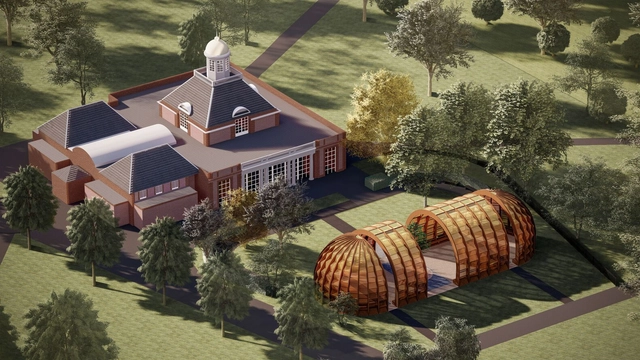
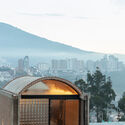
Bangladeshi architect and educator Marina Tabassum and her firm, Marina Tabassum Architects, have been selected to design the 2025 SerpentinePavilion. Titled "A Capsule in Time," the proposal takes inspiration from the ephemeral nature of architecture in the Bengal Delta, incorporating a semi-transparent structure intended to evoke a sense of community and connection. The Pavilion will open to the public on June 6th, until 26 October 2025, with a press preview two days before the opening. Tabassum's pavilion will mark the 25th year since the Serpentine's first commission of Zaha Hadid's inaugural structure in Hyde Park in 2000.
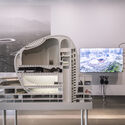
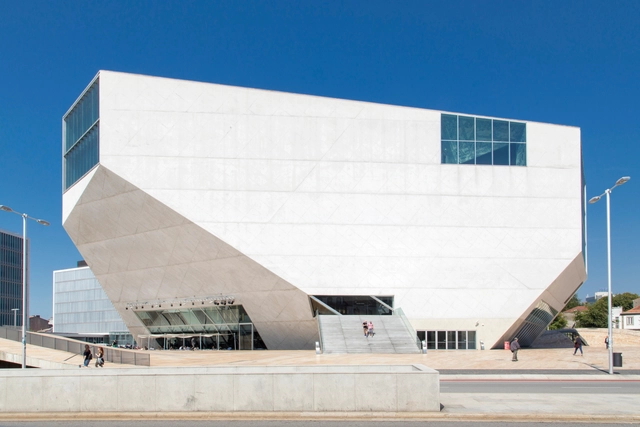
At the turn of the millennium, the world was gripped by the looming threat of the Y2K bug, a potential failure of computerized systems that could disrupt everything from banking to aviation. As midnight approached on December 31, 1999, people withdrew their savings, major corporations issued warnings, and governments scrambled to prevent public hysteria. But as the sun rose on January 1, 2000, the feared bug had no material impact, and the crisis faded as quickly as it had emerged. However, this era left its mark in unexpected places — particularly in architecture. Amid the anxiety surrounding digital technology, one of the most iconic concert halls of our time, Casa da Música in Porto, was born. Designed by OMA (Office for Metropolitan Architecture), its origins can be traced to a much smaller project: the Y2K House. What began as an exploration of private domesticity during the digital scare evolved into a grand public structure — an architectural transition from home to a performance hall.
As architecture navigates a rapidly changing world shaped by ecological urgency, social transformation, and technological acceleration, the notion of intelligence is shifting. No longer confined to individual cognition or artificial computation, intelligence can emerge from cultural memory, collective practices, and adaptive systems. In this broader sense, architecture becomes a field of convergence, where natural, artificial, and social intelligences intersect to offer new ways of designing and building.
Vernacular traditions embed generations of environmental knowledge, often transmitted through materials, construction techniques, and spatial logics finely tuned to local conditions; participatory platforms expand decision-making to wider communities to take part in shaping their environments, redistributing agency in the design process; and computational processes simulate and respond to complex data in real time bringing the capacity to analyse, simulate, and respond to complex variables — whether environmental, social, or behavioural — offering new forms of adaptability.
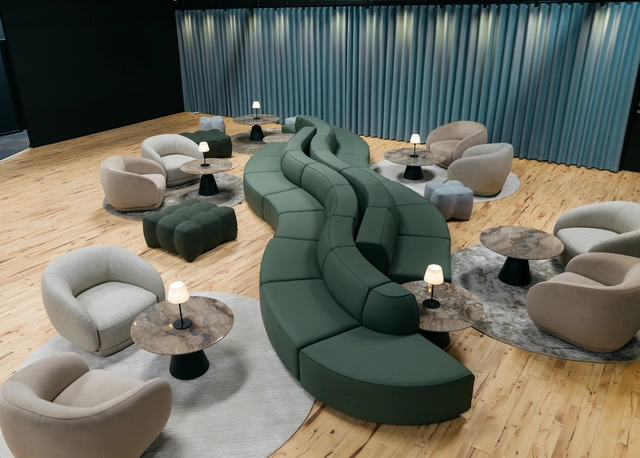
BoConcept’s modular solutions transform the space into a positive, diverse experience, enhancing the workplace environment
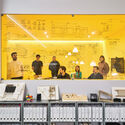
What is the meaning of architectural space if it is not used and enjoyed? This big picture question drills down to the essential purpose and sustainability of building architecture in the first place. It's a question that is perhaps most relevant today for offices that risk lying empty in an era of remote and hybrid work. An important challenge for design today is therefore to enhance the workplace environment to encourage attendance.
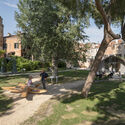
The 2025 iteration of the Time Space Existence exhibition is set to attract audiences from May 10 to November 23. Organized by the European Cultural Centre (ECC) in Venice's renowned venues—Palazzo Bembo, Palazzo Mora, and Marinaressa Gardens—this seventh edition brings together a diverse cohort of 207 architects, designers, artists, and researchers from over 52 countries. All contributions are curated under the theme of "Repair, Regenerate, and Reuse" as an exploration of architecture's capacity to engage with critical environmental, social, and cultural challenges. Highlights of the Special Projects section include ArchDaily's inaugural exhibition, presenting six architecture offices previously recognized as Best New Practices as emerging voices in the field of architectural innovations.
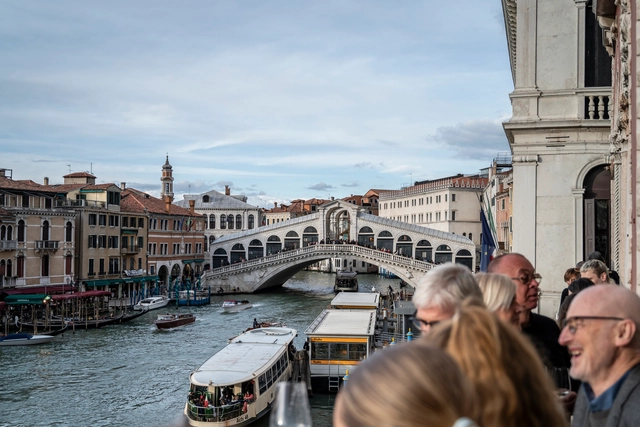
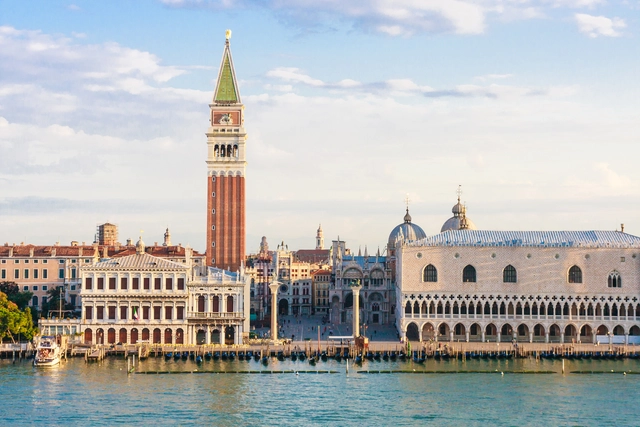
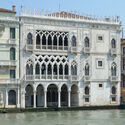
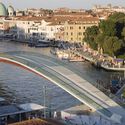
Built on a cluster of 118 small islands in the shallow Venetian Lagoon, the city of Venice, Italy, has captivated the imagination of architects and tourists alike. The area has been inhabited since ancient times, becoming a major financial and maritime power during the Middle Ages and Renaissance, as proven through the rich architecture that characterizes the city to this day. With influences from the Byzantine, Gothic, and Renaissance styles, the city represents a palimpsest of architectural narratives, overlapping and influencing each other. In recent years, Venice has become a major attraction for architects drawn to the La Biennale di Venezia, the most important Architectural Exhibition featuring national pavilions, exhibitions, and events to explore new concepts and architectural innovations.
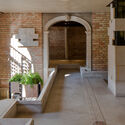
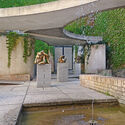
Beyond the Biennale, Venice itself is an open-air museum for architecture lovers. While the city is best known for its historical buildings, Modernist and contemporary interventions add a new layer of interest, with many contemporary architects working with the historical fabric, like OMA's intervention and rehabilitation of Fondaco dei Tedeschi, or David Chipperfield's renovation of Procuratie Vecchie, one of the buildings that define Piazza San Marco. In addition to what the city has to offer, the site of the Venice Biennale is also marked by interventions by famous architects such as Carlo Scarpa, Sverre Fehn, and Alvar Aalto, made permanent due to their outstanding qualities.
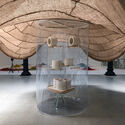
The 2025 edition of Milan Design Week took place from April 8 to April 13, 2025. During these five days, the city of Milan hosted special events, exhibitions, installations, and discussions centered on the creative disciplines, including the 63rd edition of the Salone del Mobile at Fiera Milano fairgrounds. Among the numerous activities, the event serves as an ideal opportunity to introduce the latest trends and showcase upcoming pieces from brands and designers worldwide. Among the new releases and product launches, the ArchDaily team identified a selection of products designed by architects, ranging from lighting and furniture systems to materials and small objects.
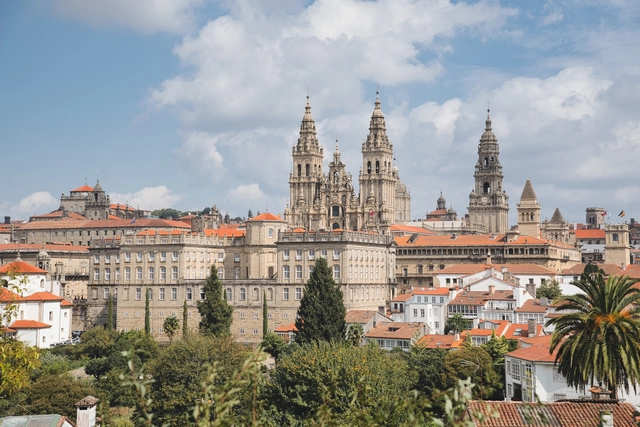
In recent decades, Santiago has evolved into a hub for contemporary architectural exploration, blending its historic charm with modern interventions. Projects such as Eisenman Architects' City of Culture reflect an ambitious dialogue between avant-garde design and Galicia's natural landscape. Complementing this are works by Álvaro Siza Vieira, Arata Isozaki, Francisco Mangado, and other renowned architects, who incorporate local materials and forms into forward-thinking designs. Together, these works position Santiago de Compostela as a dynamic architectural destination within Spain's broader cultural narrative.
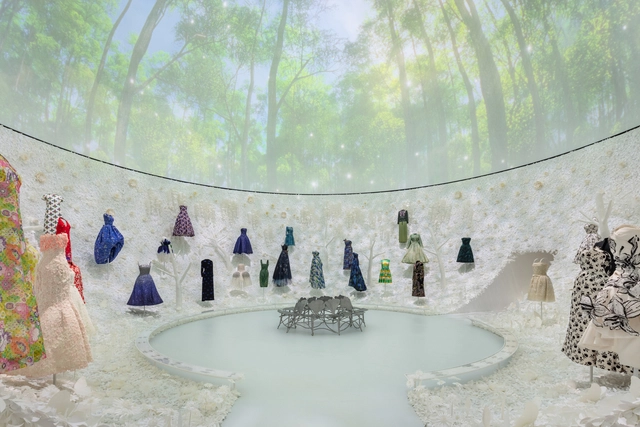
OMA has unveiled its latest exhibition design for "Christian Dior: Designer of Dreams" in Seoul, South Korea. Held at Dongdaemun Design Plaza (DDP), the exhibition marks the fifth collaboration between OMA and Dior. Previous designs include Dior: From Paris to the World at the Denver Art Museum (2018) and Dallas Museum of Art (2019), as well as Christian Dior: Designer of Dreams at the Museum of Contemporary Art Tokyo (2022). The Seoul exhibition presents over 80 years of Dior's creative history and the cultural heritage of Korea.
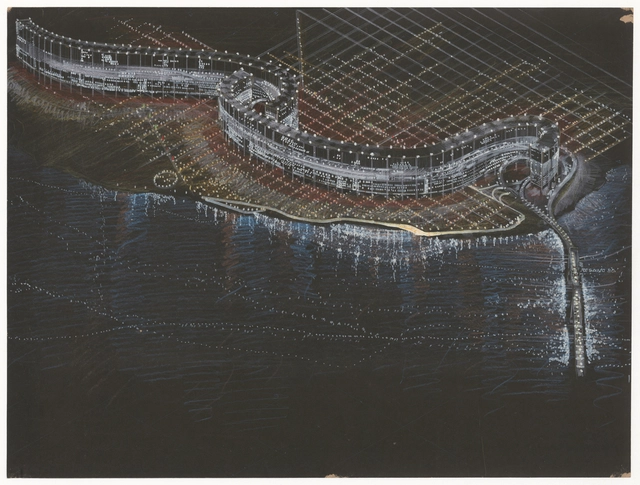
Through his unbuilt projects, built works, and research, Amancio Williams's ideas emerge as the result of a deep understanding of the most advanced trends of his time reflecting on architectural design, urbanism and city planning. By exploring various themes, concepts, and even materials, he aims to create a personal universe that interprets the present as something future-oriented, both international and distinctly Argentine. His proposal "La ciudad que necesita la humanidad" presents linear and layered buildings raised 30 meters above ground, incorporating everything from office spaces to roads and magnetic trains on different levels of a single structure. The Amancio Williams archive at the Canadian Centre for Architecture in Montreal documents Williams' career as an architect and designer from the 1940s to the late 1980s. The fonds documents his work for over 80 architectural, urban planning and design projects, as well as the administration of his architecture practice and his professional activities. Including drawings and sketches, presentation models, photographic materials, such as photographs of models, finished project (when realized), reference images, photographic reproduction of plans, and site photographs, the archive is available to consult offering more details.
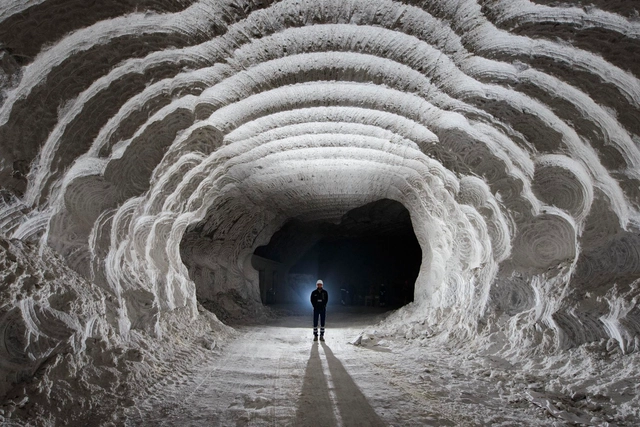
Blurring the boundaries between surface and underground, The In-between Scape and Transitorre boldly reimagine the Petralia Soprana Salt Mine as a meeting point of contrasts—where education blends with leisure, nature with architecture, and visitors become part of the story. These visionary projects, born from YACademy's Architecture for Landscape program, use bold forms and innovative materials to spark a dialogue between people and place, transforming the mine into an immersive and deeply connected experience. Drawing on a decade of expertise in designing within extraordinary natural sites, the program offers a unique educational journey into meaningful, context-driven architecture.
Throughout the course, Yacademy aims to train professional designers capable of intervening in astonishing and monumental natural contexts. Through an extensive program of lectures by master architects, exclusive site visits, hands-on workshops, and design reviews, designers will become more and more able to reconnect human design to the natural environment and be inspired by landscape to design outstanding, sustainable and impressive architectures. Moreover, the program guarantees an internship in a well-renowned architectural firm.
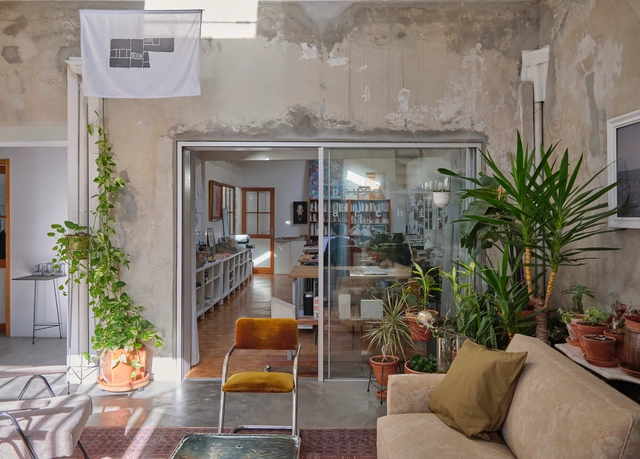
Porto's architectural legacy has long been shaped by the weight of history and the clarity of form. From the work of Álvaro Siza to the dense network of studios emerging from the city's schools, Porto offers a unique blend of continuity and reinvention. Here, architecture is not only a matter of design but often one of endurance — of working within constraints, of drawing with precision, and of navigating a built environment marked by permanence and resistance to spectacle.
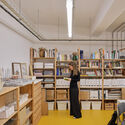
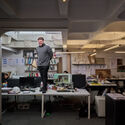
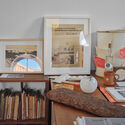
Yet within this persistent context, a new generation of architects has been reshaping the field with quiet determination. Often formed in shared spaces, these practices balance autonomy with collaboration and meticulous detailing with broader urban concerns. Their studios tend to reflect this ethos: modest in scale, defined by adaptive reuse, and rooted in the material reality of the city. In these workspaces, architecture unfolds as a process — sometimes speculative, sometimes grounded — but always reflective of a practice that is deeply local and increasingly global.
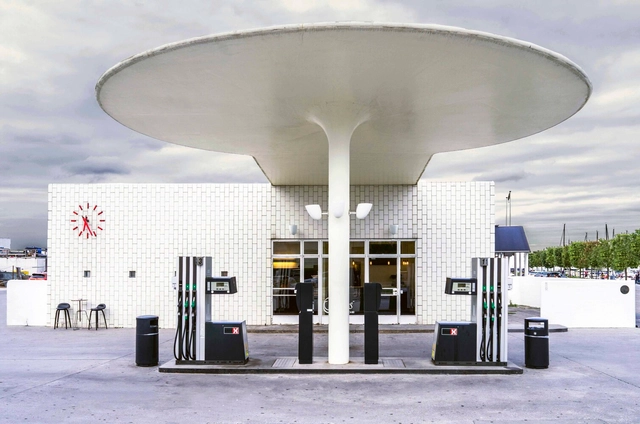
The gas station is an architectural typology that has undergone significant transformations since its inception. Initially, these structures were simple roadside refueling points designed for functionality rather than aesthetics. As automobile culture expanded, gas stations evolved to accommodate new technologies, shifting urban landscapes and changing consumer behaviors. Over time, they became more than just utilitarian stops — they developed into service hubs, integrating restaurants, motels, and leisure spaces, responding to contemporary transportation increasing demands.
By the late 20th century, however, the widespread standardization of gas stations led them to be perceived as "non-places", a concept defined by anthropologist Marc Augé to describe transient spaces that lack social or cultural significance. With uniform designs and a focus on efficiency, gas stations became interchangeable, reinforcing their role as purely functional infrastructure rather than meaningful architectural interventions. This standardization also departed from the era when fuel stations served as recognizable landmarks, contributing to a homogenized landscape devoid of local identity.
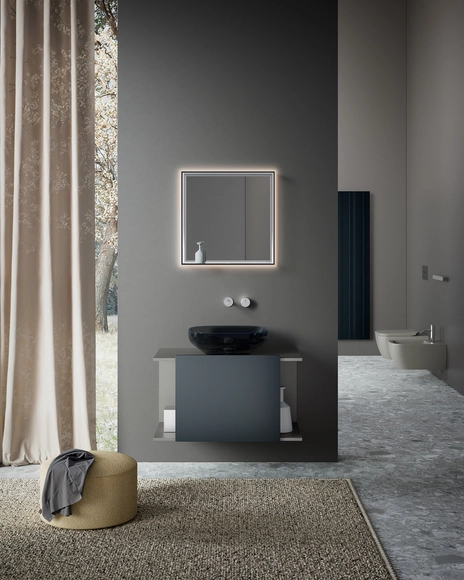
Every detail in the construction of an environment has a significant impact. The layout, composition, furniture, color range, and materials work together to create a cohesive and immersive experience in the perception of space. In bathroom design, this integration extends beyond aesthetics, aiming to ensure that every choice— from materiality to the form of furniture— contributes to economically viable, functional spaces with an aesthetic that doesn't rely on exclusivity. Architects and designers can shape diverse settings without sacrificing quality or visual coherence by focusing on cost-effectiveness and well-resolved solutions. In this sense, a democratic approach to design becomes a tool for creating environments where quality, functionality, and affordability are core principles.
https://www.archdaily.com/1028204/next-gen-living-customizable-high-quality-bathroom-design-within-reachEnrique Tovar
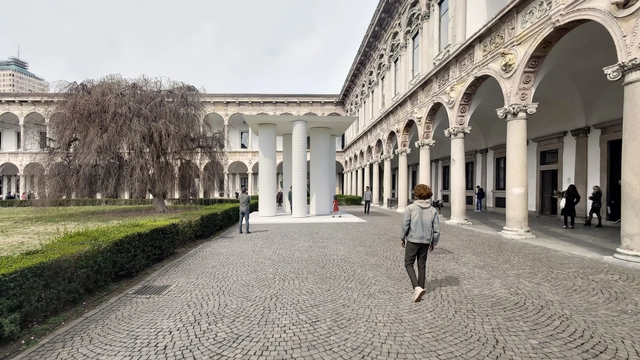
Milan Design Week 2025 is one of the most significant events in the design world, taking place from April 8 to April 13. Following in the previous years' tradition, the city of Milano will host a variety of exhibitions, installations, and discussions throughout its diverse districts, each offering a unique atmosphere and thematic focus. Alongside the renowned Salone del Mobile 2025 at the expansive Rho Fiera exhibition grounds, numerous activities and initiatives will be featured, all coordinated under the Fuorisalone agenda. This article will help navigate the many events by highlighting key venues and installations, ranging from the major fair to vibrant design districts and distinctive locations, such as historic courtyards and revitalized industrial spaces.