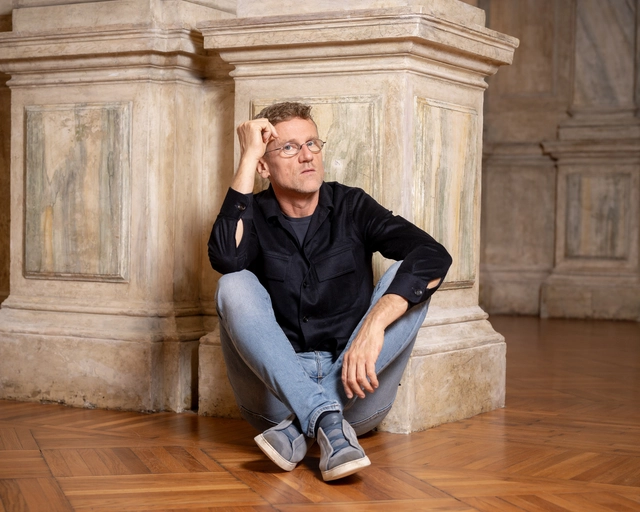
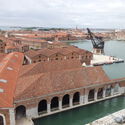
Carlo Ratti, the curator of the 19th International Architecture Exhibition - La Biennale di Venezia, along with The President of La Biennale di Venezia, Pietrangelo Buttafuocco, have just revealed highly anticipated details for the upcoming edition. Titled "Intelligens," the exhibition will be running from May 24th to November 23rd, 2025 in Giardini, the Arsenale, and various landmark locations throughout Venice.
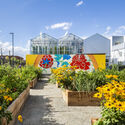
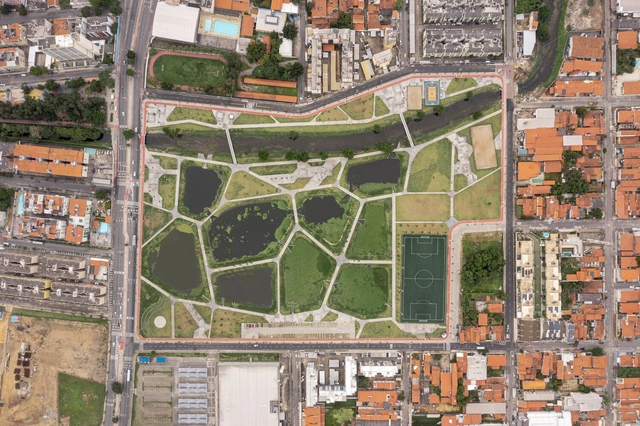
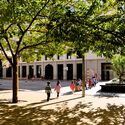
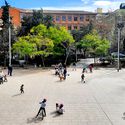
Social infrastructure encompasses the resources and services that allow the creation of communal bonds and social connections. Within the built environment, it manifests through public spaces like parks, libraries, and community centers alongside threshold spaces such as public transportation stops.
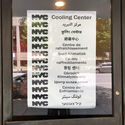
These public social spaces play a crucial role in strengthening communities and, in turn, their ability to respond to catastrophic climate-related events. They can provide physical shelter to the populations most vulnerable to these events and foster resilient networks of people who can more quickly recover. Given the escalating frequency of extreme weather events in the United States due to climate change and its social infrastructure inadequacies, examining public spaces as a critical tool for climate resilience becomes vital.
Every year, Earth Day, celebrated on April 22, presents us with an opportunity to contemplate the conditions of our planet and our impact upon it. Generating around 37% of global carbon emissions, the construction industry has an important, often detrimental, role to play, thus placing an increasingly urgent responsibility on architects and builders to devise strategies for reducing this number. Still, the built environment represents the habitat for most of humanity, and so it has the potential to protect and shelter people from the risks posed by the changing climate. Read on to discover a collection of articles delving into the strategies available at urban and architectural scales for mitigating the effects of climate change and minimizing the industry’s impact upon it.
In June 2023, the planet experienced its hottest month on record. In Iran, the heat index reached a staggering 66.7 degrees Celsius, pushing the boundaries of human endurance. This alarming trend is not an anomaly. It is a stark reminder that temperatures will continue to rise as climate change intensifies.
Scientists are linking the rise to human-induced climate change and the El Niño phenomenon. Additionally, the natural warming of Pacific Ocean waters is being further intensified by global warming.
When we think of the word "tropic," the image that typically comes to mind is an exotic space, characterized by perpetual warmth and humidity, with frequent and heavy rainfall nurturing lush vegetation. Throughout history, this tropical climate has been romanticized as a paradise and criticized for potentially fostering weakness due to its perceived clemency.
Thankfully, those judgments and associations have been relegated to the past, paving the way for theoretical and practical projects that outline the advantages and disadvantages of living in a tropical climate. These projects acknowledge the various strategies to enhance human adaptability within these distinctive climatic conditions.
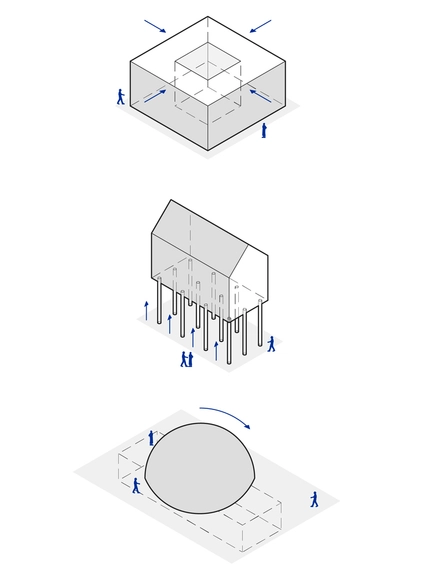
Introspection, Elevation, Covering-Up. Image Courtesy of Enrique Tovar
The flexibility of architecture allows it to continuously change and adjust its form in response to technological progress, social and artistic trends, and the collective experiences we undergo. Large-scale global events, such as the transatlantic migrations of the 19th century, the impact of tuberculosis on design, and most recently, the effects of the last major global health crisis (COVID-19), have all played significant roles in shaping the evolution of architecture.
In the context of the climate crisis, the role of architecture and urbanism has been extensively debated, as it represents one of the greatest challenges of this century. It is undeniable that while there are active efforts through policies and innovation to prevent reaching a point of no return, architecture is already adapting to the changes and extreme conditions caused by it. Rather than thinking of a distant or dystopian future scenario, the gradual changes in climatic conditions have been drivers for modifying, through architectural operations, how we conceive contemporary buildings.
https://www.archdaily.com/1015368/introspection-elevation-covering-up-radical-architectural-operations-for-adverse-climatesEnrique Tovar
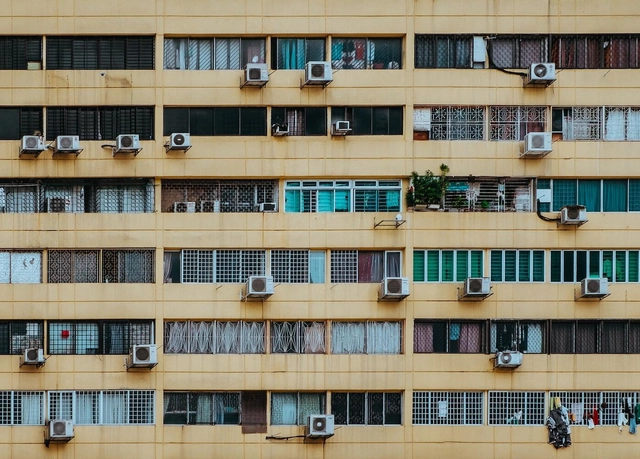
Between now and 2050, worldwide installation of cooling appliances, like air conditioning, is projected to triple, resulting in a twofold increase in energy consumption. This reliance on such devices, often seen as exacerbating global warming, poses a paradox: how can we fightrising temperatures in cities while simultaneously contributing to them through our dependence on these solutions?
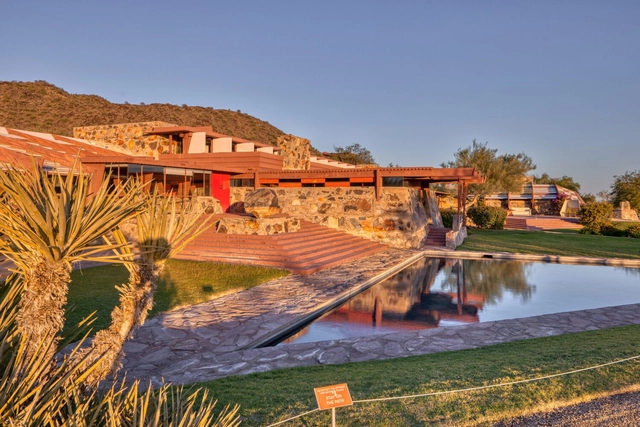
Courtesy of Frank Lloyd Wright Foundation | Taliesin West by Andrew Pielage
The renowned Frank Lloyd Wright Foundation has entrusted Sasaki with the task of designing a comprehensive design for Taliesin West in Scottsdale, Arizona, United States. Deemed a world heritage site, the location is a testament to the cultural and architectural legacy of the famed architect Frank Lloyd Wright, serving as his winter retreat and experimentation hub. The design seeks to pay homage to the heritage of Taliesin West while ensuring its longevity and relevance for generations to come.
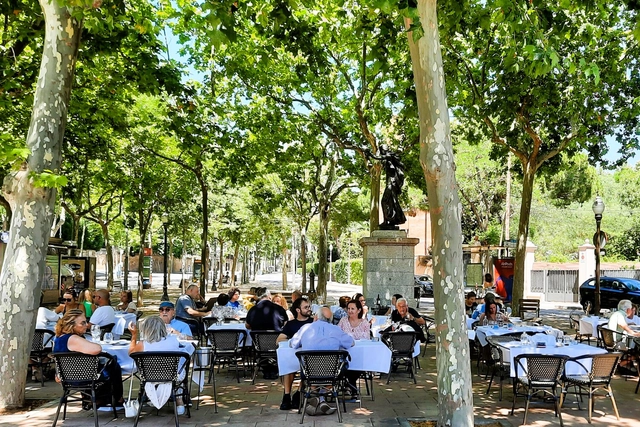
CityMakers, The Global Community of Architects Who Learn from Exemplary Cities and Their Makers, is working with Archdaily to publish a series of articles about Barcelona, Medellin, and Rotterdam. The authors are the architects, urban planners, and/or strategists behind the projects that have transformed these three cities and are studied in the "Schools of Cities" and "Documentary Courses" made by CityMakers. On this occasion, Jaume Barnada, coordinator of the award-winning Climate Shelters project in Barcelona schools and speaker at the "Schools of Cities", presents his article "Barcelona, the public place as a synonym for the adaptation of the built city."
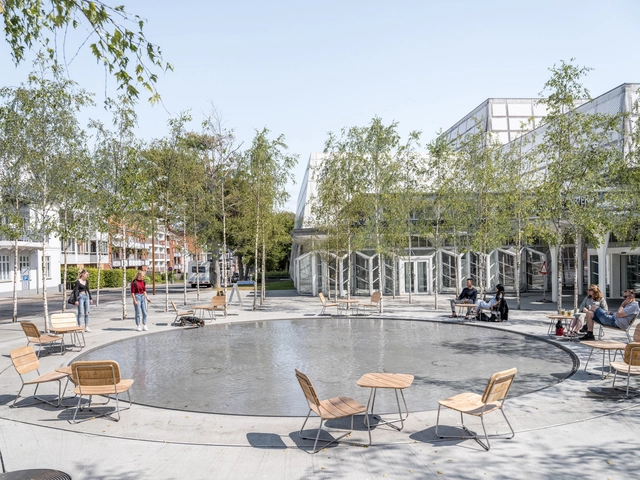
Cities are dense, built spaces in which pavements have been efficiently imposed on the natural soil. Cities like Barcelona have almost 75% of the land paved and waterproof. Without a doubt, it is an excess to reverse at a time of climate emergency, where we must reconnect with nature. Oriol Bohigas [1] told us that good urbanization had paved the squares of Mediterranean cities and that no one wanted to live in a mudhole. I'm sure he was right. Also, he taught us that the green and, consequently, the natural soil had to have dimension and especially an urban position. Squares are squares and parks are parks, and each space has a type of project. Today, concepts are too frequently confused when urbanizing public places and consequently, we find projects that blur the model.
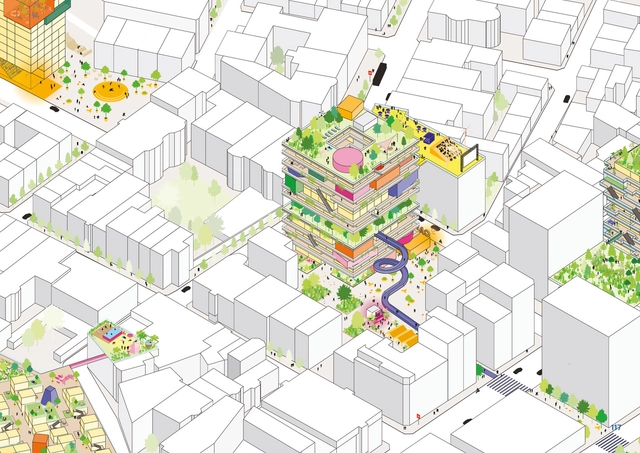
MVRDV has just released a new design study exploring how co-living can help shape the future of housing. Created in collaboration with developer HUB and sustainable investor Bridges Fund Management, the study introduces a comprehensive study exploring diverse typologies, aiming to revolutionize communal living and vibrant neighborhoods. It addresses modern housing needs, including flexibility, sustainability, and community, while tackling climate crisis and affordability issues. The endeavor offers tailored solutions for various co-living projects, catering to many demographics and lifestyles.
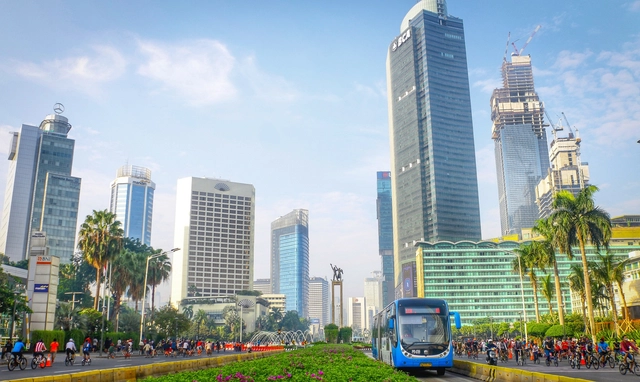
The Indonesian parliament has approved a bill to relocate the capital from the city of Jakarta to a completely new city to be built on the island of Borneo, 1,300 kilometers from the current capital. The decision, first announced in 2019, comes as a reaction to the myriad of challenges faced by Jakarta, including pollution, traffic congestion, and, perhaps the most threatening, rising sea waters. As a consequence of excessive groundwater extraction, rapid urbanization, and rising sea levels, 40% of the city is currently below sea level, making it increasingly difficult for the infrastructure to protect the residents. President Joko Widodo proposes an alternative: relocating the administrative center of the country to a new green metropolis, to be named Nunsantara, meaning ‘archipelago’ in ancient Javanese.
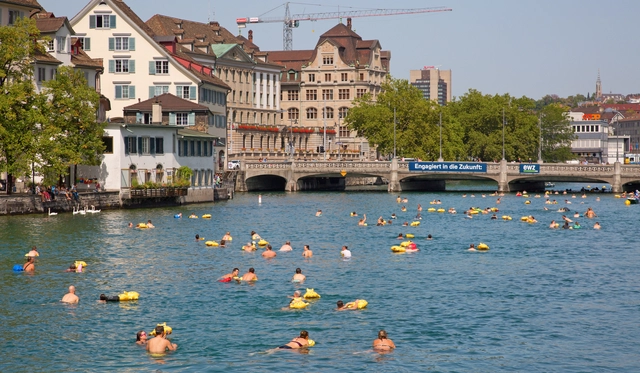
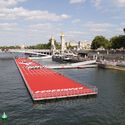
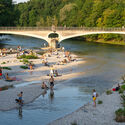
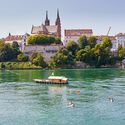
Throughout history, rivers played a crucial role in the social structures of cities. Along riverbanks, communities often congregated for socializing, swimming, and fishing. Swimming in rivers was a popular summertime activity enjoyed by people of all ages. Whether it was the Thames in London or the Seine in Paris, rivers were bustling with swimmers; integrated into urban lifestyles.
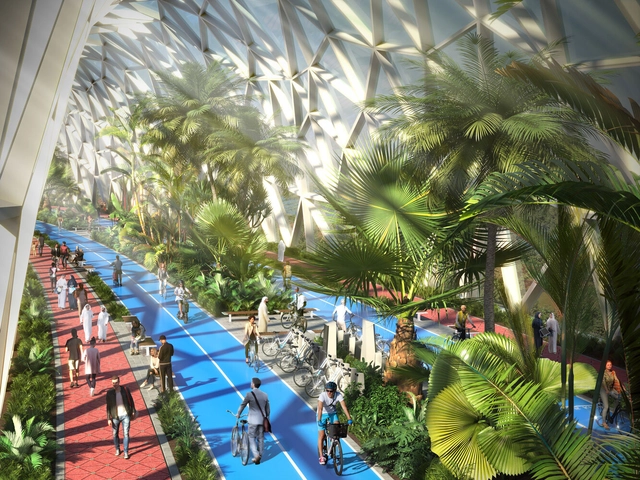
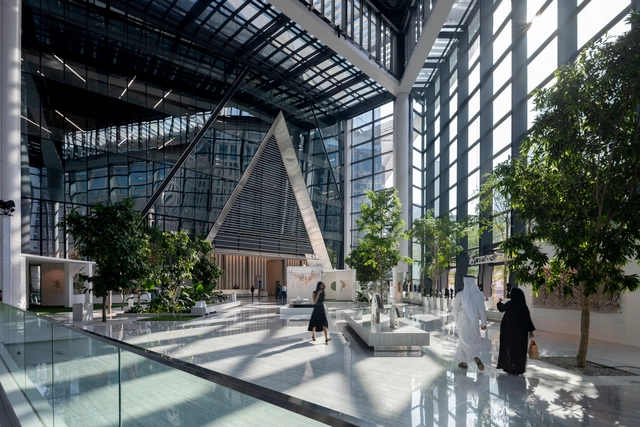
URB has released a study for “Dubai Cycle City 2040,” envisioning diverse cycling infrastructure in the Emirate. The initiative aims to revolutionize transportation in Dubai, allowing residents quick access to critical services and locations by cycling or walking. In a city where cars have reigned supreme as a transportation mode, plans are underway to transform urban mobility.
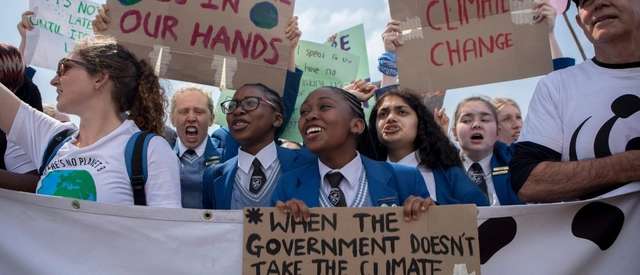
The biennale UN climate conference, COP28, concluded in Dubai this week with a commitment to the eventual “phasing out” of fossil fuels. It was a classic glass-half-empty/glass-half-full gesture. Yes, as optimists pointed out, it was the first time any reference to moving away from fossil fuels had made it into the text of the final communique. But, like previous COPs, this resolution, too, is nonbinding and was reached over howls of protest from both oil-producing countries and developing countries reliant on existing energy supply chains for future growth. The tortuous nature of the outcome, watered down and officially toothless, left me feeling glum. If we can’t agree on the nature of the problem, it will be exceptionally difficult to fix it.
To offer perspective, I reached out to longtime activist Bill McKibben. A professor at Middlebury College, he has published 20 books; his first, The End of Nature, appeared in 1989. He was, along with Dr. James Hansen, one of the first to sound the climate alarm. McKibbin is a contributing writer to the New Yorker, and a founder of Third Act, which organizes people over the age of 60 to work on climate and racial justice. In collaboration with seven Middlebury students, he founded 350.org, the first global grassroots climate campaign.
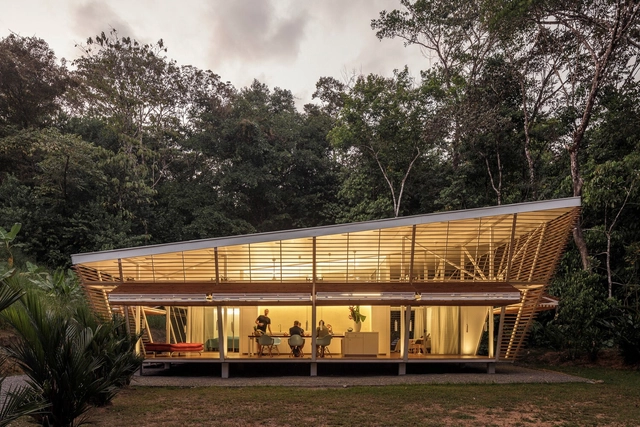
In the context of global initiatives to promote energy efficiency and the decarbonization of buildings, Latin America is at the center of the debate. The International Seminar on Sustainable and NetZero Buildings 2023, held in Bogotá and organized by CCCS, IEA, UNIANDES, CAF, and CEELA, aimed primarily to create a space for the exchange of experiences, such as Oliver Schütte's No Footprint House, while simultaneously conducting a review of government policies and the implementation of norms and standards in the region.
Among panels and conferences featuring Clara Camarasa, Nicola Borregaard, Laura Chapa, Paola Valencia, Iván Osuna, Juan Carlos Vega, Angélica Ospina, and Diego Velandia, five main learnings emerged as lessons: from creating more relevance and energy calculations to the development of the timber industry - and certifications.
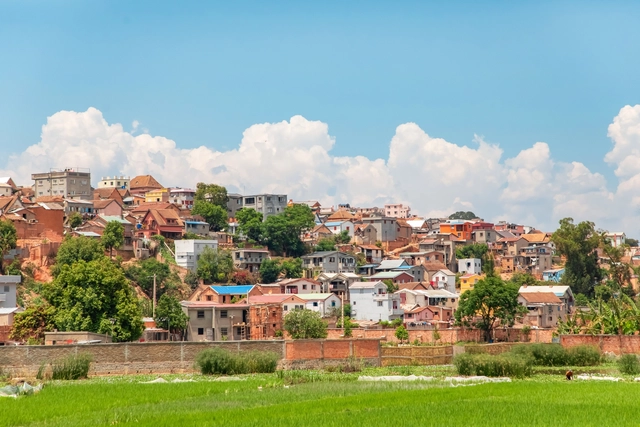
Madagascar is an island nation off the southeast coast of Africa that, despite its lush vegetation and unique flora and fauna, grapples with formidable environmental challenges, from rising sea levels to the excessive exploitation of natural resources. Joan Razafimaharo is an architect deeply involved in sustainability, climate change, and adaptation efforts in Madagascar and the broader Indian Ocean region. Razafimaharo is also one of only about sixty architects in the country, serving a population of 28 million.
Recently I spoke to her about environmental activism in the face of climate change, curbing the exploitation of natural resources, the role of architects in resource-scarce societies, and empowering women in isolated areas. The interview, originally conducted in French, has been translated and edited for length and clarity.
https://www.archdaily.com/1011140/how-madagascar-is-confronting-climate-changeMathias Agbo, Jr.
COP28, or the 2023 United Nations Conference of the Parties, was held in Dubai between November 30 and December 13. The annual meeting gathers representatives from 198 countries, as well as industry leaders to discuss and establish strategies to limit the extent of climate change and its adverse effects. The ultimate goal of these meetings is to find ways to limit the global temperature rise below 1.5 degrees Celsius compared to pre-industrial times. At the moment, the global temperature rise is already at 1.2 degrees Celsius. As the construction industry at large accounts for 39% of global emissions, architects and planners have a shared interest in the results of thee international summit, Read on to discover some of the key takeaways of COP28.
We are on the brink of concluding the hottest year in the past 125,000 years. Recently, elevated temperatures have adversely impacted the daily routines of a significant portion of the population, particularly those who spend most of their day outdoors without access to air-conditioned environments. Excessive heat stems from various sources, both natural and human-induced. Given the grim outlook on this matter, it becomes imperative to explore structural measures to address and mitigate the potential deterioration of public health caused by escalating temperatures.