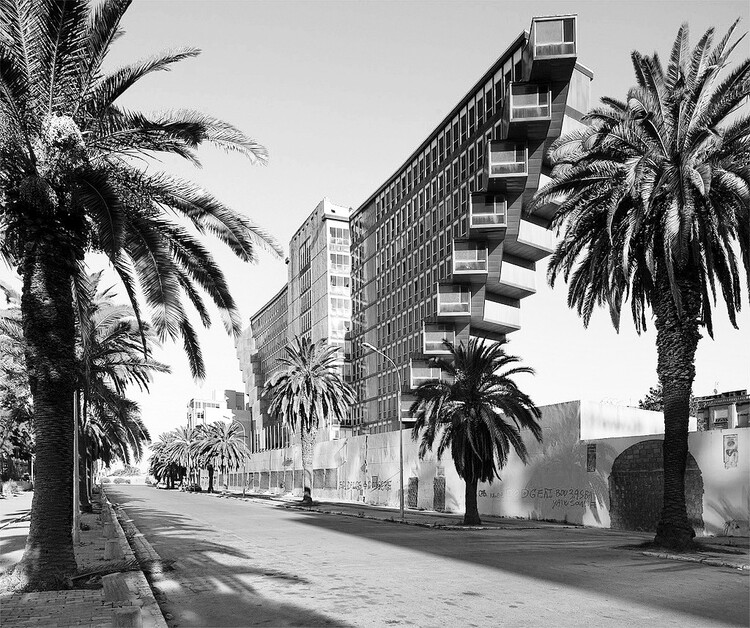
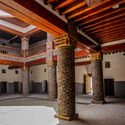
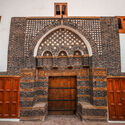
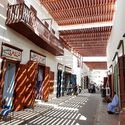
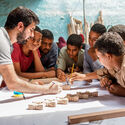
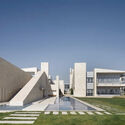
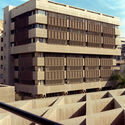
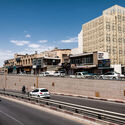
The Sharjah Architecture Triennial (SAT) has released the full documentary films from A Journey into Architecture Archives: Baghdad, Damascus, Tunis online. Curated by George Arbid, the project is part of SAT's long-term research program focused on documenting and safeguarding architectural archives across the Arab world. The three films, filmed on location in Baghdad, Damascus, and Tunis, combine archival research with fieldwork and oral histories, examining how architectural histories are constructed, preserved, and revisited over time.
Each year, the ArchDaily Next Practices Awards highlights emerging studios that are expanding the scope of architecture through new methods, materials, and ways of working. Selected from a global pool, these practices reflect a shift away from singular definitions of the discipline, engaging instead with broader questions of construction, environment, and social impact. Rather than operating within fixed categories, many of these studios position themselves across fields, combining design, research, and production to respond to contemporary conditions.
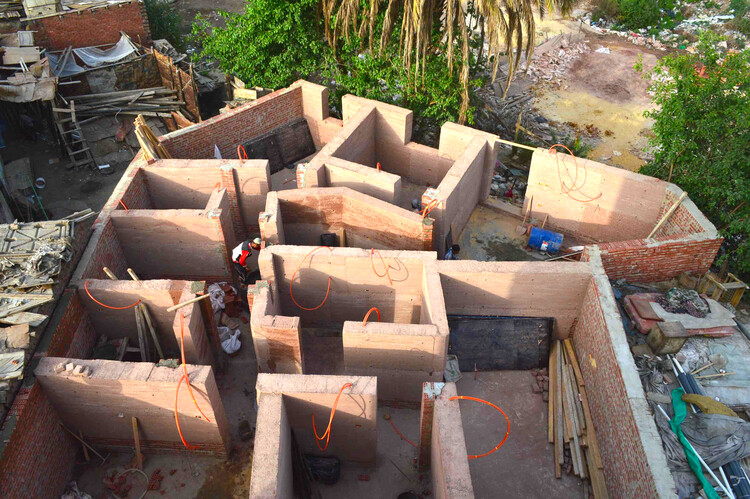
Named one of the winners of the 2025 edition, Hand Over is a Cairo-based practice operating across design, construction, and research. Founded by Radwa Rostom, a civil engineer with over fifteen years of experience in development and sustainability, the studio works through an integrated design-build model, engaging with earth construction, local materials, and community-based processes.
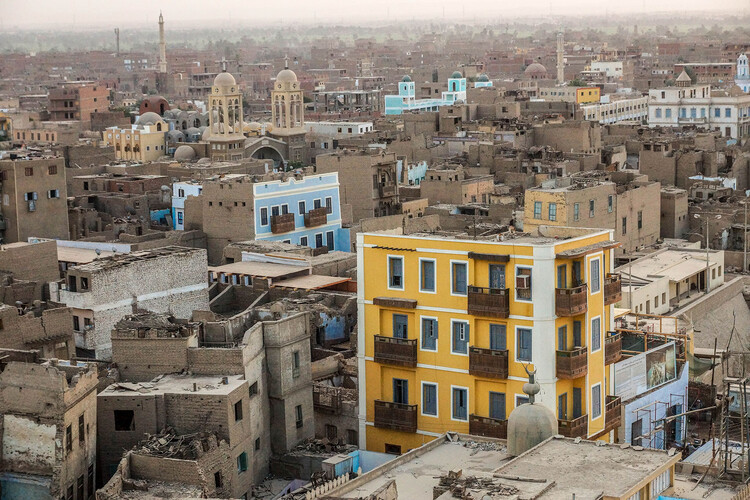
Revitalisation of Historic Esna, Egypt. Image Courtesy of Takween ICD
Among the seven winners of this year's 16th Aga Khan Award for Architecture was theRevitalisation of Historic Esna in southern Egypt. Led by the Cairo-based firm Takween, the project was far more than a simple restoration. It was a comprehensive renewal effort that combined deep community engagement with the preservation of both tangible and intangible heritage. By creating thousands of jobs and restoring the historic center, the initiative offered a powerful alternative to demolition. The Aga Khan Trust lauded it as a 'replicable model for sustainable development'.
From forest-inspired offices in Sweden to jungle-nest clubhouses in Tulum, mixed-use architecture continues to evolve as a tool for integrated living. As cities grow and our expectations of public, private, and commercial space shift, designers are increasingly rethinking how different functions including work, play, rest, learning, can coexist in a single architectural language. These projects suggest that buildings and projects no longer need to silo activities, but rather choreograph them to reflect the rhythms of everyday life.
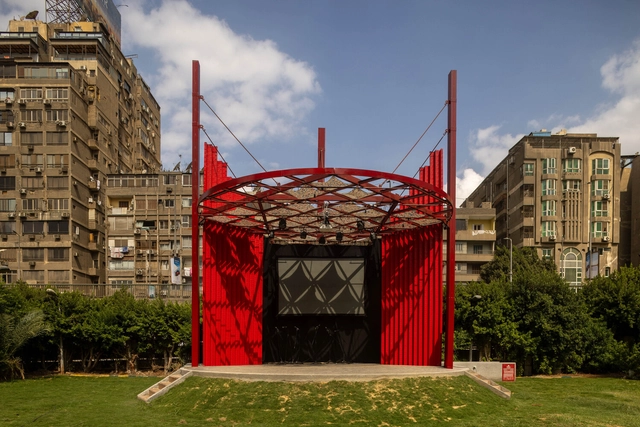
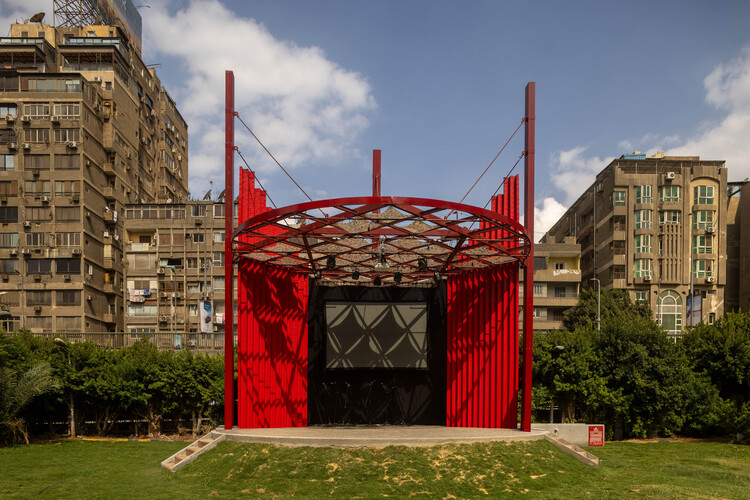
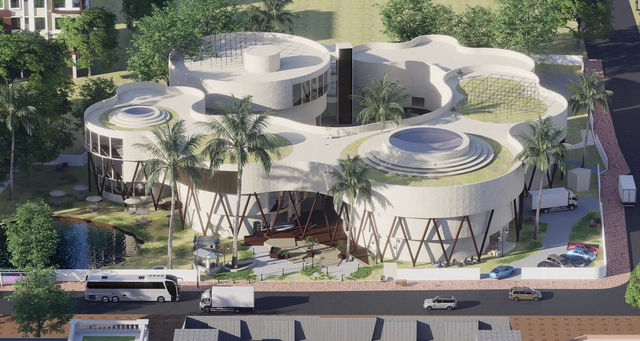
This collection, submitted by the ArchDaily community, presents a global spectrum of approaches to mixed-use design, from large-scale masterplans to conceptual theses. What ties them together is a commitment to spatial overlap, ecological sensitivity, and reimagined programs that prioritize user experience. Whether it's a student dormitory in Tehran, a public plaza in Cairo, or a community hub in Texas, each project embraces complexity to create spaces that are alive with interaction, transformation, and meaning.
Every year, World Population Day is observed on July 11th, aiming to increase people's awareness of various population issues, such as the importance of urbanization, genderequality, poverty, health, and human rights. In 2025, under the theme "Empowering Youth to Build the Families They Want," the United Nations draws attention to the largest generation of young people in history, many of whom are coming of age in rapidly urbanizing contexts. Urban centers remain key to understanding these demographic patterns, as cities continue to attract populations seeking opportunity, stability, and access to essential services. Today, more than half of the global population resides in urban areas, a share projected to increase to 66% by 2050.
Education has long been a driving force in the Middle East, shaping knowledge, encouraging innovation, and strengthening cultural identity. In recent years, educational architecture in the region has expanded beyond its academic function, evolving into public gathering spaces and cultural hubs. These institutions are designed not only for learning but also for dialogue, research, and collaboration, often integrating open courtyards, multi-use public areas, and architectural elements that reflect local heritage. Whether through their physical openness, adaptability, or connection to the urban environment, these spaces reinforce the idea that universities and research centers are essential to civic life.
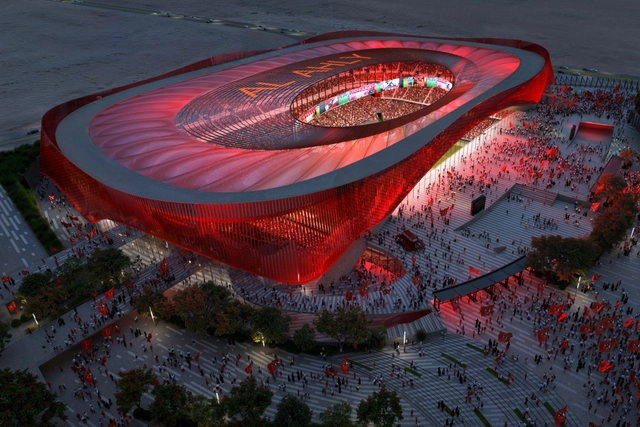
Gensler, in collaboration with El Qalaa El Hamraa and Buro Happold, has revealed plans for a new stadium dedicated to Al-Ahly Football Club, a team widely recognized for its prominence in African and Middle Eastern football. The project, more than three decades in the making, envisions a state-of-the-art venue designed not only for football matches but also as a national landmark capable of hosting large-scale events, setting a new standard for sports architecture in the region.
The use of technology has become vital in the documentation and conservation of heritage, especially in difficult or urgent circumstances. After many landmarks of the historic city of Palmyra were destroyed during Syria's war in 2015, conservators built three-dimensional digital models of the destroyed city to aid its future reconstruction. The destruction of the Buddhas of Bamiyan in Afghanistan in 2001 with very little prior documentation prompted action in the documentation of vulnerable monuments, such as the establishment of CyArk. More recently, detailed digital surveys and a heritage BIM model were essential in the restoration of Notre-Dame Cathedral in Paris after it was devastated by fire in 2019.
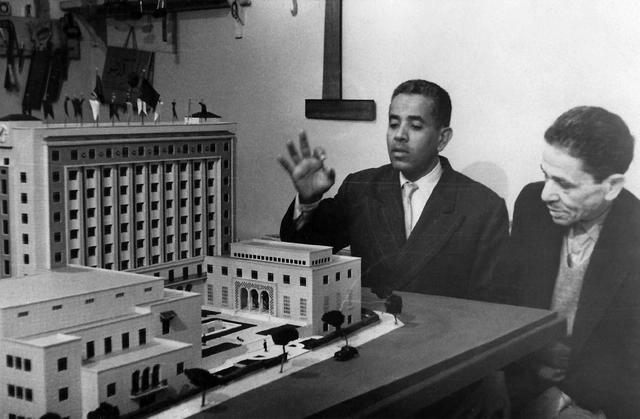
In the heart of Cairo, amid its historic landmarks and evolving urban fabric, a distinct modernist architectural movement took shape in the 1950s and 60s. It reflected the city's response to rapid political, economic, and social changes. When it arrived, modernism in Cairo was not just an imported style but a "pragmatic response to the needs of a growing city." Architects focused on functionality, efficiency, and adapting designs to the local climate and cultural context. Following the 1952 revolution, Egypt underwent significant transformations under President Gamal Abdel Nasser's leadership. In fact, the government sought to build a new national identity that reflected progress and the nation's self-sufficiency. Architecture played a crucial role in this effort, with a strong focus on modernization and development. The state invested in large-scale projects to accommodate the needs of a rapidly growing population and expanding industries. This period marked a shift from colonial-era influences toward a search for a distinct architectural identity that aligned with the political and social aspirations of the time.
As the global population continues to rise, dense cities face mounting challenges in catering to the needs of billions of people living and working in urban areas. Architects have long explored the skyscraper typology as a solution to these challenges, integrating commercial spaces and public amenities within residential buildings to create all-inclusive experiences for tenants. Over the years, skyscrapers have evolved into multifaceted vertical communities that aim to address the complexities of urban living.
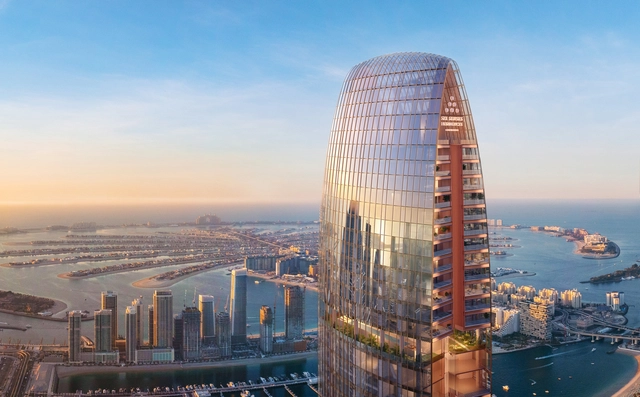
Every year, the Council on Tall Buildings and Urban Habitat (CTBUH) ranks the tallest buildings worldwide, encompassing completed projects, those under construction, and proposed developments. In this updated 2024 article, ArchDaily presents a list of the 25 tallest buildings currently under construction, along with their expected completion dates. These skyscrapers showcase the latest innovations in architecture, engineering, and urban planning.
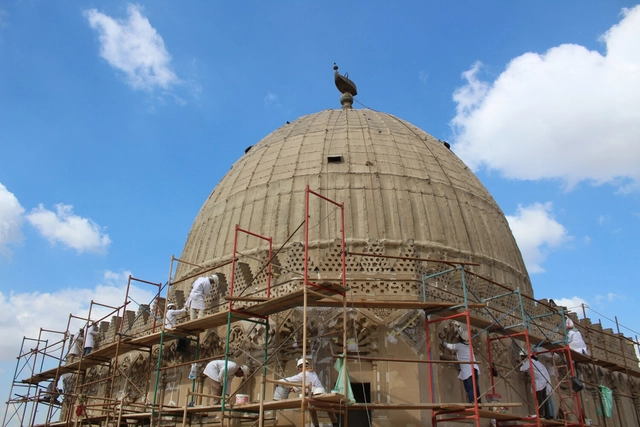
Al-Imam Al-Shafi'i. Image Courtesy of Megawra - Built Environment Collective
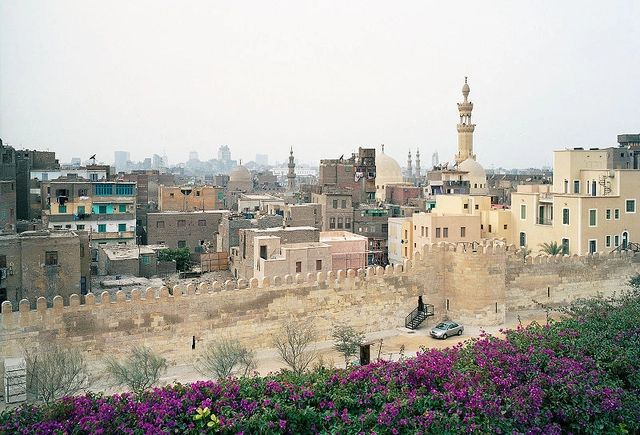
Cairo, often called the "City of a Thousand Minarets," boasts one of the richest cultural and architectural tapestries in the world. Its heritage reflects centuries of diverse influences from Pharaonic monuments to Islamic and Mamluk architecture. However, preserving this legacy is an ongoing challenge in the face of urban pressures, climate change, and socio-economic dynamics. Heritage conservation in Cairo is not just about safeguarding these structures; it's about integrating them into the lives of local communities, ensuring they remain dynamic and accessible spaces.
At the forefront of this mission is Dr. May al-Ibrashy, an architect and conservationist whose innovative and community-driven approach has redefined how heritage is preserved. As the founder of Megawra–Built Environment Collective, she has worked tirelessly in neighborhoods like Al-Khalifa, Al-Hattaba, and Sayyida Zeinab to restore historic monuments while creating vibrant public spaces. Her work bridges the gap between architectural preservation and urban regeneration, ensuring that these historic districts serve both as cultural landmarks and as living, functional spaces for their residents.
The International Union of Architects (UIA), in partnership with UN-Habitat, has just announced the winners of the second cycle of the UIA 2030 Award. This prestigious award recognizes architectural achievements that advance the UN's 2030 Agenda for Sustainable Development and the New Urban Agenda. Honoring projects that embody sustainable design principles, the UIA 2030 Award celebrates contributions to Sustainable Development Goal 11: "Make cities and human settlements inclusive, safe, resilient, and sustainable."
After receiving 100 submissions from 33 countries, regional finalists were selected in the first stage, representing the five UIA regions: Western Europe, Central and Eastern Europe and the Middle East, the Americas, Asia and Oceania, and Africa. These finalists moved on to Stage 2, where they submitted three-minute videos showcasing their projects in action and detailing their alignment with the SDGs. The winners in the six categories have been awarded during the World Urban Forum (WUF12), taking place in Cairo,Egypt, from November 4-8, 2024. This biennial competition highlights how architects around the world are advancing sustainable, inclusive urban solutions to address global challenges and shape resilient communities for the future.
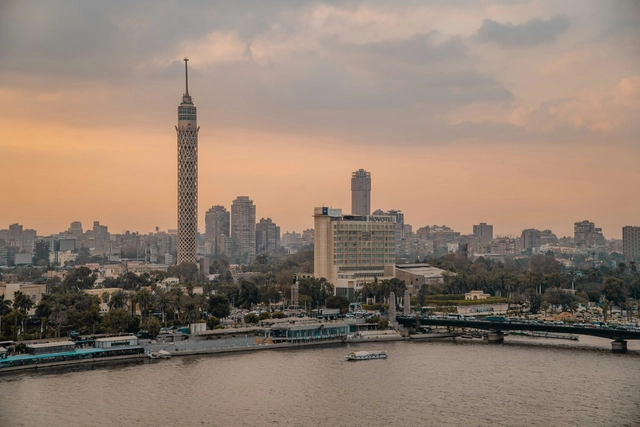
To this day, Cairo has a vibrant history, rich architectural culture, and heritage, which, from an outside perspective, is still the vivid and leading representation of the city. But what is today's Cairo beyond the capital of Egypt, the Nile, the deserts, the bustling streets, the museums, and the archaeological sites and historic buildings? The city has experienced a rapid urban transformation over the past few decades, acquiring a remarkably different character from the one recent and older generations remember from their youth in the streets, neighborhoods, and buildings of the city.
Cairo represents a population growth of 4 million in the 1960s to over 20 million today, while its urban footprint expanded by approximately 400% since the 1960s. The built-up area represents nearly half the metropolitan region, with an annual urban growth rate of 2-4% - much higher than the approximate 1% growth rate typical in countries like Canada, Germany, Japan, Italy, and Sweden. Due to this rapid urbanization, agricultural land now constitutes less than 10% of the total area of Greater Cairo. The city is a constantly evolving mosaic of over 50 distinct neighborhoods, each embodying its own unique identity and demographic composition, contributing to Cairo's diverse urban fabric.
https://www.archdaily.com/1022982/cairo-a-mosaic-of-contrasting-urban-narrativesHadir Al Koshta
As the architectural landscape continues to evolve in response to pressing global challenges, events such as biennales, design weeks, and fairs play an instrumental role in shaping the profession's future. These gatherings facilitate the exchange of innovative ideas, the exploration of sustainable practices, and the fostering of collaboration among architects, designers, and urban planners. They serve not only as platforms for showcasing cutting-edge designs but also as forums for critical dialogue about the built environment's impact on society and the planet.
Happening worldwide from September to December 2024, a variety of significant events hope to engage the architectural community. The World Urban Forum in Cairo focuses on local sustainable actions, while Dubai Design Week showcases innovative design in the Middle East. The World Architecture Festival in Singapore features live project presentations, and the Architecture & Design Film Festival in New York offers compelling narratives critical to contemporary discourse.
Recent news headlines from the African continent show a variety of urgent issues affecting urban centers: severe flooding threatens Kenya's capital, Nairobi; the light rail system in Addis Ababa, Ethiopia, is faltering after a successful start. Meanwhile, in Egypt's capital, Cairo, new infrastructure and housing expenditures proved too steep and necessitated a government bailout. African cities face a plethora of problems but they also hold the potential to improve countless lives. As South America shares stark similarities in its history with that of Africa, it could provide both a point of reference and a positive example for tackling these concerns at an urban level.