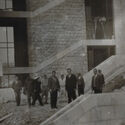
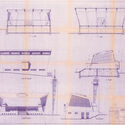
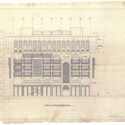
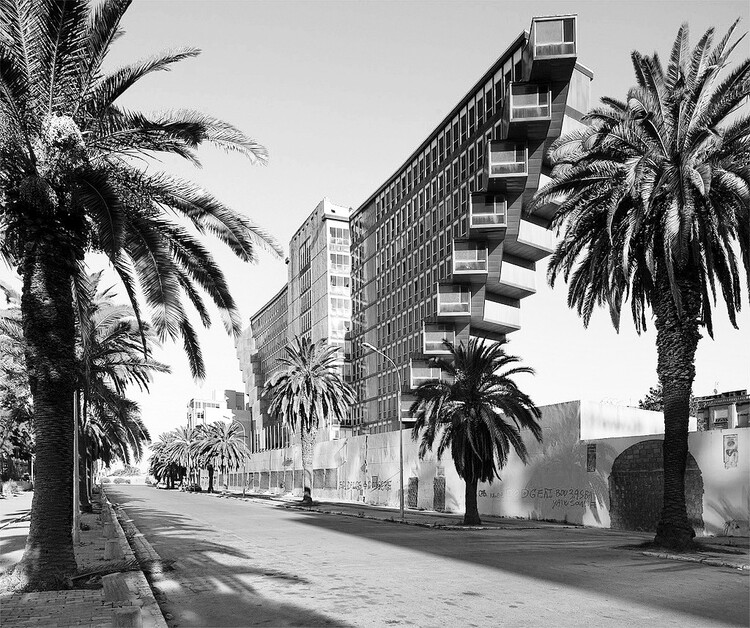
The Sharjah Architecture Triennial (SAT) has released the full documentary films from A Journey into Architecture Archives: Baghdad, Damascus, Tunis online. Curated by George Arbid, the project is part of SAT's long-term research program focused on documenting and safeguarding architectural archives across the Arab world. The three films, filmed on location in Baghdad, Damascus, and Tunis, combine archival research with fieldwork and oral histories, examining how architectural histories are constructed, preserved, and revisited over time.
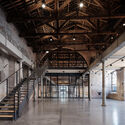
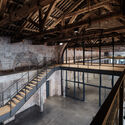
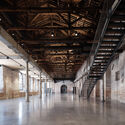
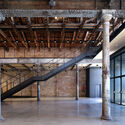
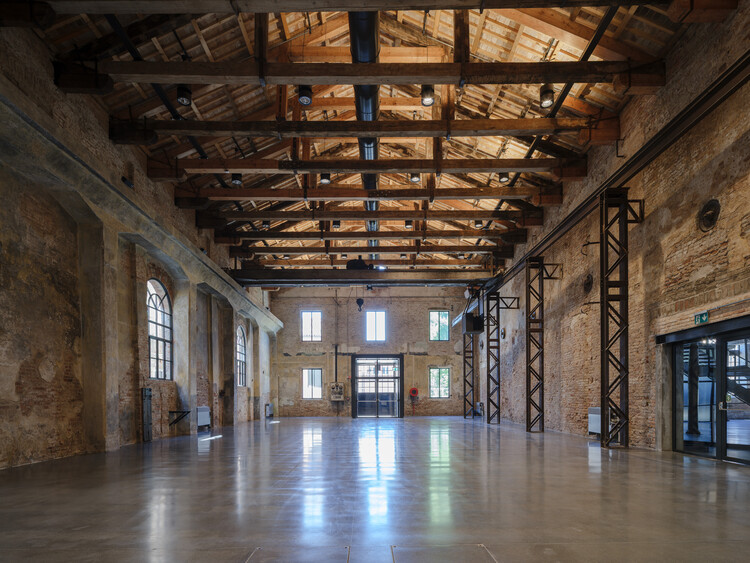
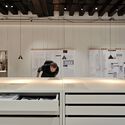
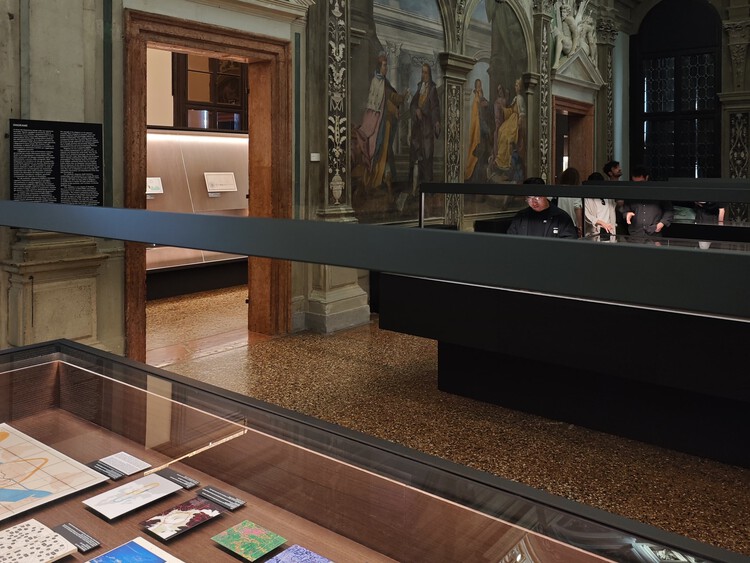
La Biennale di Veneziahas inaugurated the new home of its Historical Archive – International Centre for Research on Contemporary Arts at the Arsenale, relocating the institution's archival collections and research activities to a restored complex within one of its principal exhibition sites. The opening introduces a new permanent headquarters for the archive, bringing together facilities for conservation, research, public consultation, and cultural programming within the historic Arsenale. To mark the occasion, La Biennale organized a three-day program of performances, lectures, conversations, and public visits, highlighting the archive's role within the institution's broader ecosystem of exhibitions, festivals, and educational initiatives.
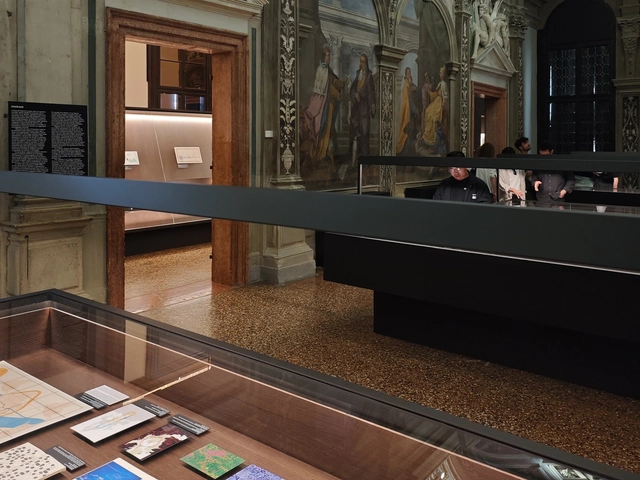
Before the digital turn, architecture's memory was largely tangible. It lived in the weight of drawings, the patina of models, and the thickness of books. To preserve architecture meant to preserve its traces, the documents, sketches, and photographs through which buildings could be remembered long after their material form had changed or disappeared. The modern architectural archive, as it developed in the 20th century, was both a refuge and a device of legitimacy. Institutions such as the Canadian Centre for Architecture, Casa da Arquitectura, or the Deutsches Architekturmuseum were built upon the conviction that to preserve architecture was to preserve its documents.
However, these archives didn't merely store knowledge. They determined what counted as architecture, who belonged to its canon, and how history would be told. To archive is to edit the past — to decide what enters, what is omitted, and how it will be interpreted. The archive, as theorised by Michel Foucault and later by Jacques Derrida, is never neutral; it is an instrument of power, a space that selects and excludes. In architecture, these dynamics are especially evident as they record the visible while silencing what falls outside their categories. The act of collecting has always been, implicitly, an act of judgment.
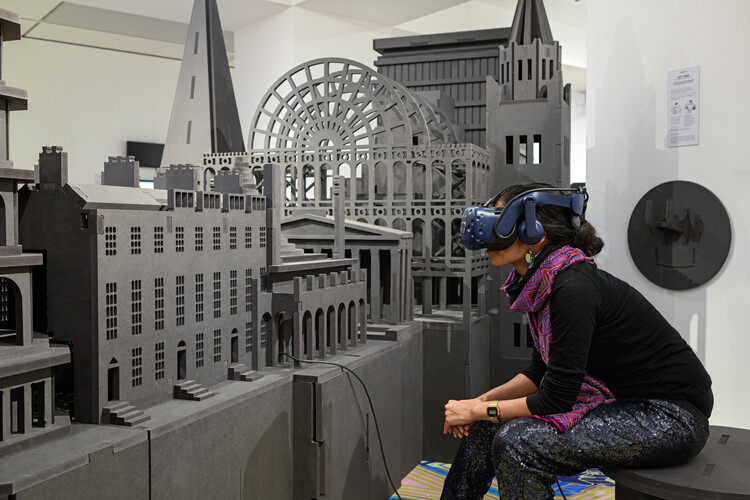
When we speak of intelligence at the 2025 Venice Biennale, the main exhibition broadly categorizes it into three domains: natural, artificial, and collective. While much attention has been drawn to robotic performances, future-forward material experiments—such as Boonserm Premthada's elephant dung bricks, or Canada's display of mesmerizing picoplankton, one often overlooked yet critical form of collective intelligence lies in the act of archiving.
Several national pavilions showcase this collective intelligence through beautifully curated exhibitions—the Spanish Pavilion's witty play on scale, for instance, features meticulously crafted models that invite close reading and delight. These curated collections offer a snapshot of the present, and in some cases, gestures toward the future. But without critically engaging with the past, without documenting and making sense of our shared spatial and architectural knowledge, the potential of collective intelligence remains incomplete. Archiving is not simply an act of preservation; it is a generative tool for projecting new futures.
Educational and cultural centers serve as pivotal spaces where communities engage with knowledge, creativity, and shared experiences. As architectural programs, they offer unique opportunities to explore how physical environments can foster learning, cultural expression, and social interaction. The significance of these projects lies not just in their function but in how they reflect the values and aspirations of society. When established architecture firms take on these projects, their design choices become a lens through which we can examine contemporary approaches to space, place, and community, offering a glimpse into the evolving role of architecture in shaping educational and cultural landscapes.
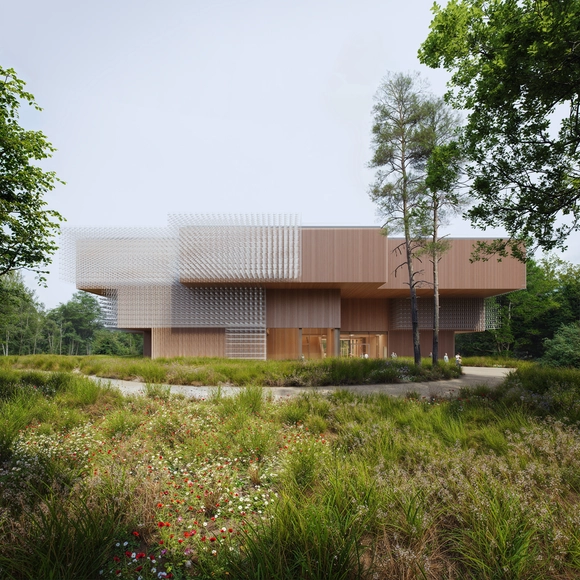
Among this week's curated list of unbuilt projects submitted by established architecture practices,fala atelier’s project for a school in Broc, Switzerland, stands out with its sensitive integration of Alpine architectural elements; WXCA’s Xylopolis Centre in Poland reflects a deep contemplation on humanity’s relationship with nature, while KPF’s life sciences building in London and Jones Studio’s WaterEducation Center in Arizona further exemplify how architecture can address contemporary societal needs, from fostering innovation ecosystems to educating the public on critical environmental issues.
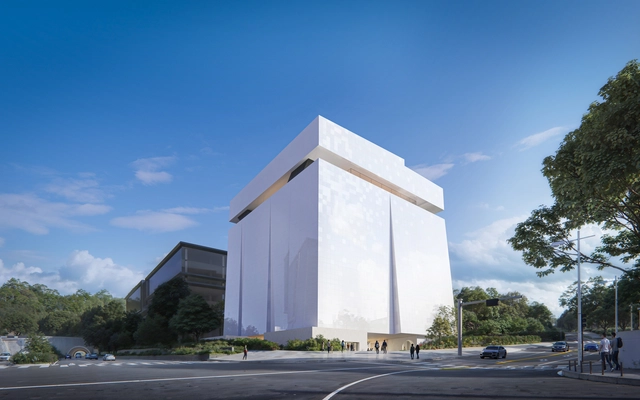
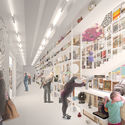
Herzog & de Meuron has revealed the design for the Seoripul Open Art Storage, a collective archive space that will serve three museums in Seoul: the Seoul Museum of Art, the Seoul Museum of Craft Art, and the Seoul Museum of History. Going beyond the archive program, the proposal aims to open up the building to visitors, transforming the art storage into a dynamic civic space. Located on the Eastern Border of Seoripul Park, the building is characterized by a pyramidal glass structure set in a garden that functions as a secluded outdoor space for Archive/Museum visitors.
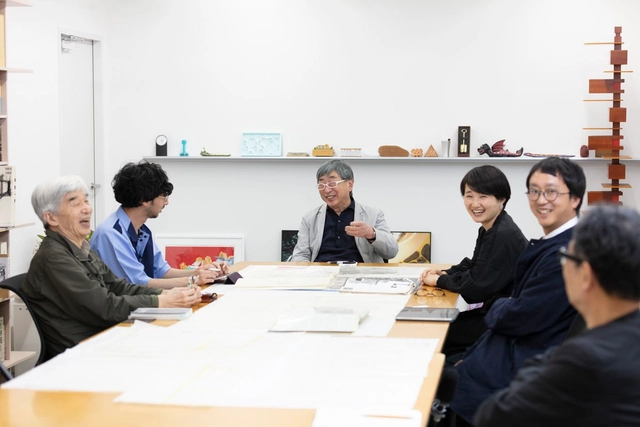
Architect Toyo Ito has donated his archive of architectural works to the Canadian Centre for Architecture (CCA), an international research institution and museum focused on increasing the accessibility of architectural knowledge. Toyo Ito is now contributing to the CCA Collection, which contains over 200 archival holdings, following his intention to encourage new research into his work and to put it in dialogue with other artifacts held by the institution. On December 6, 2023, the early works of the architect have arrived at the CCA.
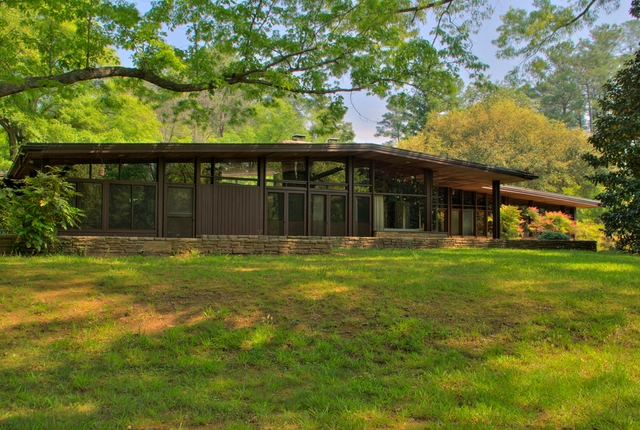
George Smart is an unlikely preservationist, almost an accidental one. The founder and executive director of USModernist, a nonprofit dedicated to the preservation and documentation of modern houses, Smart worked for 30 years as a management consultant. “I was doing strategic planning and organization training,” he says. “My wife refers to this whole other project as a 16-year seizure.” Recently I spoke with Smart about his two websites, the podcast, the house tours his organization conducts, and why documentation is such a power preservation tool.
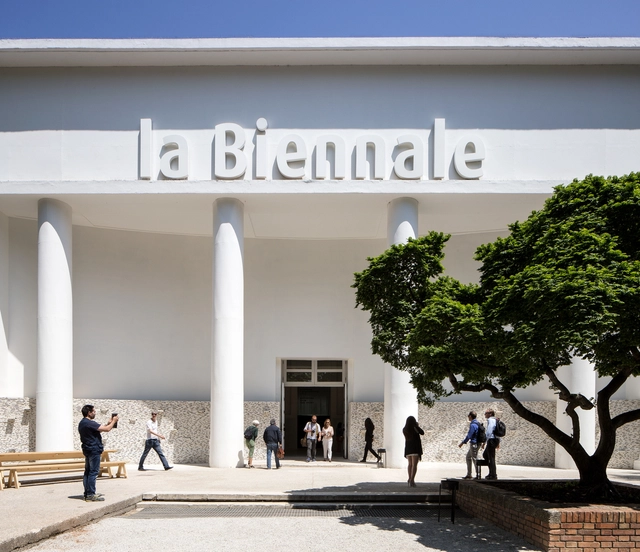
Padiglione Centrale Giardini_Photo by Francesco Galli. Image Courtesy of La Biennale di Venezia
La Biennale di Venezia is presenting for the first time an exhibition curated by all the Directors of the six Artistic Sectors from Art, Architecture, Cinema, Dance, Music, Theater. It will also be live-streamed on July 15th, 2020, at 2:30 pm (Italian time).
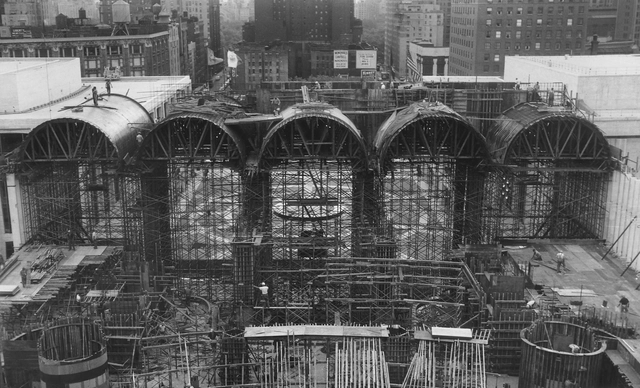
The new Met under construction in May 1964 (Photo: Metropolitan Opera Archives)
The Metropolitan Opera offers a free stream each night on the Met website for a period of 23 hours, from 7:30 p.m. EDT until 6:30 p.m. EDT the following day.
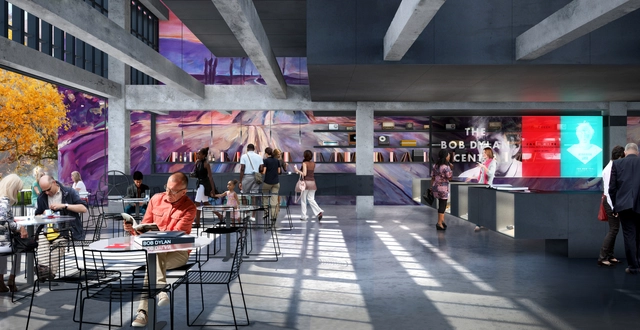
With construction underway on their renovation of the Space Needle, Olson Kundig will shift their focus to a different American icon. The Seattle firm has unveiled their proposal as lead architect and exhibit designer for The Bob Dylan Center—a new museum that will also house the Bob Dylan Archive in Tulsa, Oklahoma. Sponsored by the George Kaiser Family Foundation and the University of Tulsa, the center is expected to open in 2021, with groundbreaking planned for 2019 in the Tulsa Arts District.
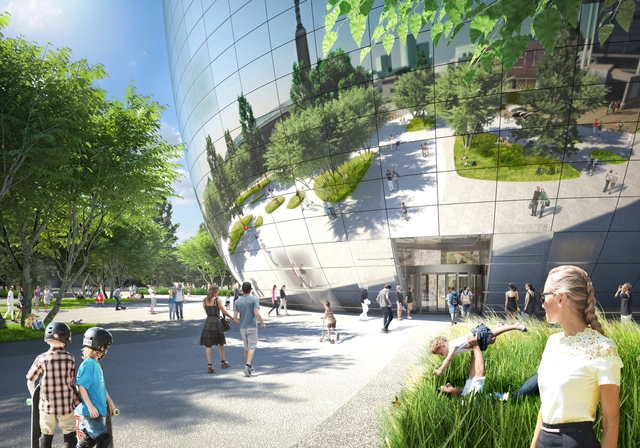
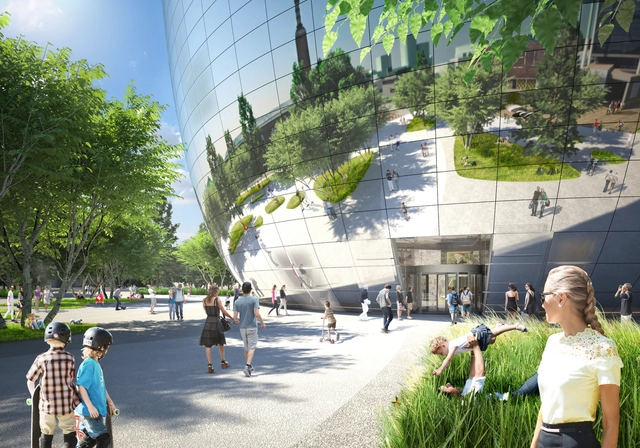
MVRDV’s public Art Depot Boijmans Van Beuningen has broken ground on the northern edge of Rotterdam’s Museumpark in the heart of the city’s cultural campus. The 15,000-square-meter reflective vessel will store the esteemed collection of over 70,000 art and design objects, adding a new cultural landmark to join the nearby Kunsthal, Het Nieuwe Instituut, Chabot Museum and Sonneveld House.
Officially breaking ground this past Friday, the BREEAM Excellent-planned “Collection Building” will combine restoration facilities, exhibition spaces, offices, logistics, a bar, restaurant, public roof terrace and private collectors facilities alongside a specially commissioned atrium that will allow visitors to experience 90% of the collection, including artworks in storage.
Rotterdam will soon have a new cabinet of curiosities to add to its collection of architectural icons. For many years the city's Museum Boijmans van Beuningen, originally established in 1849, has required a safer space to house its world-class collection of painting, sculpture and prints – a collection which is said to have a total value of €7billion ($7.5billion). Last week the Municipality of Rotterdam voted in favour of the building’s construction and, with zoning approved, "the world’s first fully accessible art storage facility" is now slated to open its doors in 2018.