1. ArchDaily
  2. Building Technology

Building Technology: The Latest Architecture and News

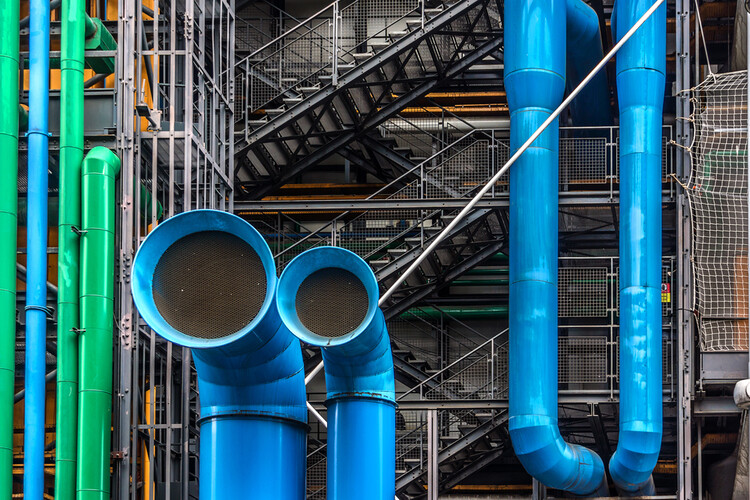
Ideology of Performance: Sustainability and the Limits of Efficiency

This article is part of our new Opinion section, a format for argument-driven essays on critical questions shaping our field.

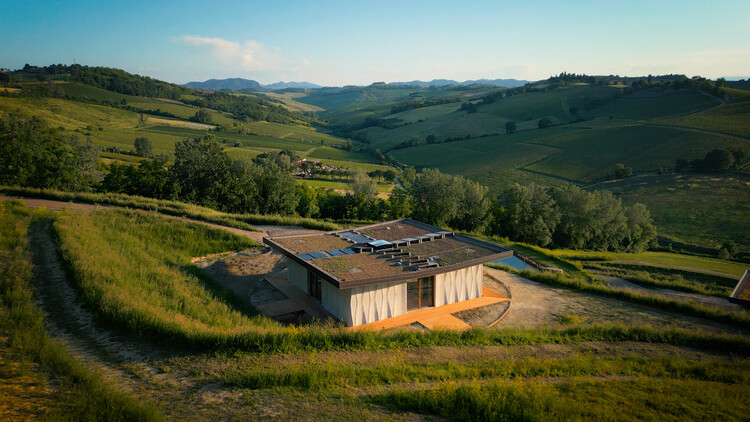
The modern sustainability project is built on the promise that evolving technologies can reconcile urban and economic growth with ecological responsibility. By the metrics developed by the built environment professions and the policies adopted by governments, progress is tangible and accelerating: buildings consume less energy per square foot than they did a generation ago, vehicles emit fewer pollutants per mile, and urban infrastructure is more integrated and measurably cleaner in many cities. And yet total resource consumption continues to rise. Sustainability, as currently practiced across the built environment professions, has become a strategy for optimizing consumption rather than reducing it. Until the profession is willing to question the scale and structure of demand rather than the efficiency with which that demand is met, its most celebrated achievements will continue to fall short of the problem they claim to address.
Ideology of Performance: Sustainability and the Limits of Efficiency - Image 1 of 4Ideology of Performance: Sustainability and the Limits of Efficiency - Image 2 of 4Ideology of Performance: Sustainability and the Limits of Efficiency - Image 5 of 4Ideology of Performance: Sustainability and the Limits of Efficiency - Image 3 of 4Ideology of Performance: Sustainability and the Limits of Efficiency - More Images+ 23

Spaces That Feel Back: How Buildings Respond to Human Behavior

Subscriber Access | 

Buildings were always intended to solve a straightforward problem: shelter. Through form and material, they protected occupants from the weather and organized human activity. Modern architecture, along with evolving lifestyles, added new priorities — efficiency, density, structural innovation, and aesthetics. People now demand more from buildings. Occupants increasingly want environments that actively support how they live, work, and feel.

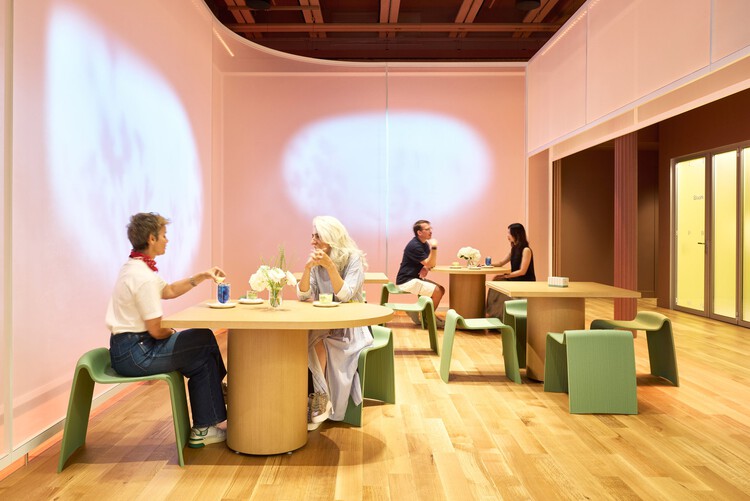
Wellness has become a central concern in modern times. Decades of research in environmental psychology and building science reveal that indoor conditions can profoundly affect human health and behavior. Lighting influences circadian rhythms and sleep patterns. Air quality impacts cognitive performance and respiratory health. Temperature and acoustics shape comfort and concentration.


Spaces That Feel Back: How Buildings Respond to Human Behavior - Image 1 of 4Spaces That Feel Back: How Buildings Respond to Human Behavior - Image 2 of 4Spaces That Feel Back: How Buildings Respond to Human Behavior - Image 3 of 4Spaces That Feel Back: How Buildings Respond to Human Behavior - Image 4 of 4Spaces That Feel Back: How Buildings Respond to Human Behavior - More Images+ 1

Architecture as a Platform: What Makes a Building Evolve?

Subscriber Access | 

Not long ago, recent enough to feel current, architecture entered a moment in which buildings became legible as products. The framing offered discipline and a refreshed perspective to an industry that often deems novelty more precious than operational clarity. Nudging exercises of "form" towards repeatability, user experience, performance, and scalability prepared buildings to be a "product" that could now be evaluated. Architecture is more answerable to how well it works, how clearly it communicates its use, and how consistently it delivers its intended experience.

The discipline of product design refreshes the perspectives of architects designing for a changing future. Along with offering a new vocabulary and a rubric for design, the field brings in accountability: a product must perform reliably across time and context. It must hold together as a system of decisions rather than a collection of parts. Quality, therefore, is no longer measured solely by uniqueness, but by consistency and by the ability to produce a predictable experience for its occupants.

Architecture as a Platform: What Makes a Building Evolve? - Image 1 of 4Architecture as a Platform: What Makes a Building Evolve? - Image 2 of 4Architecture as a Platform: What Makes a Building Evolve? - Image 3 of 4Architecture as a Platform: What Makes a Building Evolve? - Image 4 of 4Architecture as a Platform: What Makes a Building Evolve? - More Images+ 2

Expanding Practice: Architecture Think Tanks at the Intersection of Research and Design

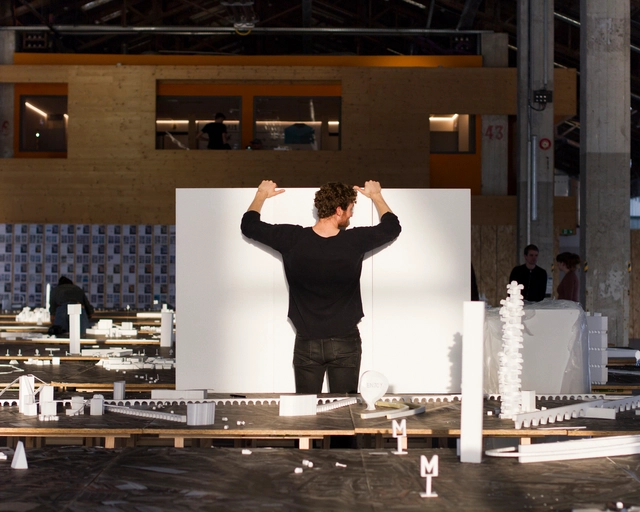
In architecture, most practices revolve around delivering projects to clients. Offices are shaped by deadlines, budgets, and clear briefs. While this structure produces buildings, it rarely leaves space for architects to question broader issues — about how we live, how cities are changing, or what the future demands of design. But alongside this production-focused system, a quieter movement has emerged: studios, collectives, and foundations that prioritize research, experimentation, and reflection. These are the architecture think tanks — spaces designed not to build immediately, but to think first.

The idea of a think tank is not new. Traditionally found in politics, economics, or science, think tanks bring together experts to study complex problems and propose solutions. In architecture, their rise reveals a tension at the heart of the discipline. If architecture is to remain socially and environmentally relevant, can it continue to rely only on client-driven practice? Or must it carve out space for slower, deeper inquiry?

Expanding Practice: Architecture Think Tanks at the Intersection of Research and Design - Image 1 of 4Expanding Practice: Architecture Think Tanks at the Intersection of Research and Design - Image 2 of 4Expanding Practice: Architecture Think Tanks at the Intersection of Research and Design - Image 3 of 4Expanding Practice: Architecture Think Tanks at the Intersection of Research and Design - Image 4 of 4Expanding Practice: Architecture Think Tanks at the Intersection of Research and Design - More Images+ 48

How Technology Is Quietly Reinventing the Safety of Heritage Buildings

India's palaces and former colonial warehouses are witnessing a new kind of restoration, one that happens beneath the surface. From discreet steel supports tucked behind centuries-old masonry to digital sensors embedded in frescoed ceilings, technology is quietly reshaping how heritage buildings are protected for the future. These upgrades are more about subtle precision and less about spectacle; invisible engineering wonders.

As the world moves towards adaptive reuse, architects and engineers are confronted with an evolving challenge to make historic structures safe for public access while maintaining the authenticity of the architecture. Whether it's upgrading palaces to cool efficiently or seismic reinforcement of Victorian godowns, the goal is beyond preservation. It's about the intelligent coexistence of the old and the new.

How Technology Is Quietly Reinventing the Safety of Heritage Buildings - Image 4 of 4How Technology Is Quietly Reinventing the Safety of Heritage Buildings - Image 1 of 4How Technology Is Quietly Reinventing the Safety of Heritage Buildings - Image 7 of 4How Technology Is Quietly Reinventing the Safety of Heritage Buildings - Image 3 of 4How Technology Is Quietly Reinventing the Safety of Heritage Buildings - More Images+ 3

Angola Introduces Large-Scale Concrete 3D-Printing to Address Housing Crisis

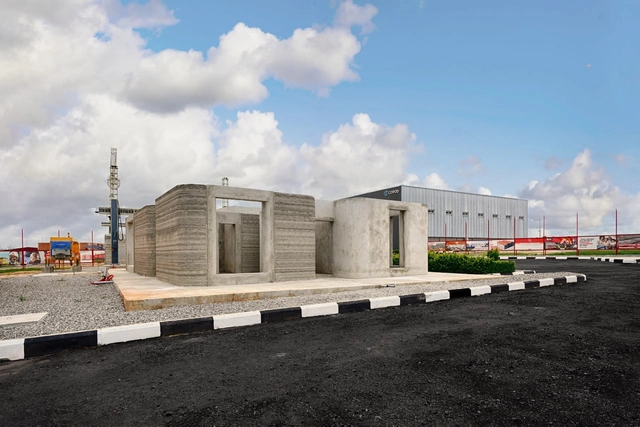
According to the World Bank, the Angola National Urbanization and Housing Program (PNUH), launched in 2008, aimed to build one million new housing units. However, by 2024, it had delivered only approximately 220,000. Power2Build, an Angolan construction startup, estimates the current housing deficit in Angola at around three million homes, with the situation particularly critical in Luanda, one of the fastest-growing cities on the African continent. With an entirely Angolan multidisciplinary team, Power2Build aims to contribute to reducing this deficit through the use of automated 3D concrete printing technology. Implemented on-site with large-scale construction printers from Danish company COBOD, the system is expected to accelerate construction timelines and improve building quality. Large-scale cement-based 3D printing eliminates the need for traditional molds by precisely placing or solidifying specific volumes of material in sequential layers using computer-controlled positioning. The process involves three key stages: data preparation, material preparation, and printing.

Angola Introduces Large-Scale Concrete 3D-Printing to Address Housing Crisis - Image 1 of 4Angola Introduces Large-Scale Concrete 3D-Printing to Address Housing Crisis - Image 2 of 4Angola Introduces Large-Scale Concrete 3D-Printing to Address Housing Crisis - Image 3 of 4Angola Introduces Large-Scale Concrete 3D-Printing to Address Housing Crisis - Image 4 of 4Angola Introduces Large-Scale Concrete 3D-Printing to Address Housing Crisis - More Images+ 13

"Luxury Without Context Is Just Excess": Elisa Orlanski Ours on Bridging Design Vision with Market Realities

Subscriber Access | 

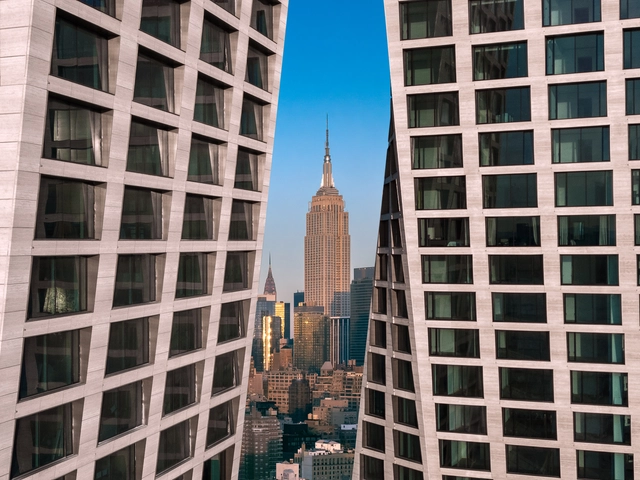
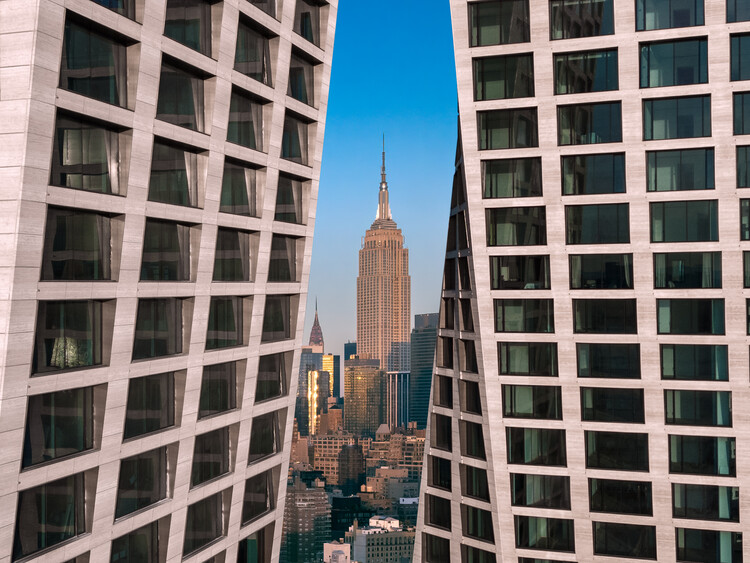
In the complex ecosystem of architectural development, where innovative concepts meet market realities, a distinct role exists to bridge diverse professional interests and realize impactful spaces. Elisa Orlanski Ours exemplifies this function. This is the domain of Elisa Orlanski Ours, a designer, educator, and industry leader. As Chief Planning & Design Officer at Corcoran Sunshine Marketing Group, Elisa founded her department two decades ago. Now, her extensive portfolio spans condominium skyscraper master plans and individual branded villas across continents, including significant New York City developments like Hudson Yards and 220 Central Park South, as well as international developments in collaboration with prominent architectural firms like SHoP Architects, BIG, Herzog & de Meuron, Adjaye Associates, and SO-IL. Her strategic perspective on bringing projects from schematic phase to final sale provides valuable insights into the industry's intricate workings. ArchDaily's Managing Editor, Maria-Cristina Florian, had the opportunity to discuss these critical topics with Elisa in the following interview.

"Luxury Without Context Is Just Excess": Elisa Orlanski Ours on Bridging Design Vision with Market Realities - Image 1 of 4"Luxury Without Context Is Just Excess": Elisa Orlanski Ours on Bridging Design Vision with Market Realities - Image 2 of 4"Luxury Without Context Is Just Excess": Elisa Orlanski Ours on Bridging Design Vision with Market Realities - Image 3 of 4"Luxury Without Context Is Just Excess": Elisa Orlanski Ours on Bridging Design Vision with Market Realities - Image 4 of 4Luxury Without Context Is Just Excess: Elisa Orlanski Ours on Bridging Design Vision with Market Realities - More Images+ 31

The Greener Future of Automatic Door Systems: A Shift in Design and Performance

 | Sponsored Content

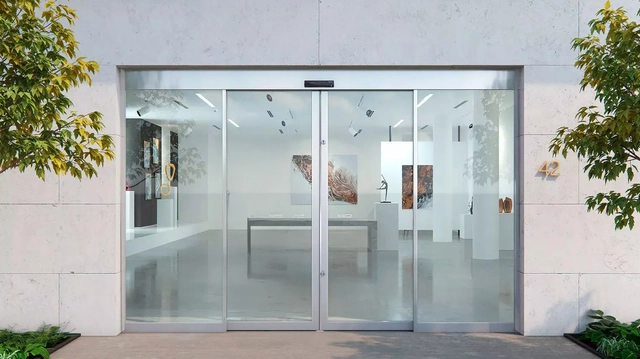
Throughout history, doors—and later automatic doors—have served a far greater purpose than merely marking an entrance or exit. They define thresholds, guide the flow of movement, and subtly shape the way people interact within a space. We can trace their evolution back to the 1st century, when Heron of Alexandria devised a steam-powered door—an early example of technology merging with architecture. Since then, contactless automatic door systems have incorporated technological advancements that enhance operation and redefine their role within buildings. Today, they are integrated across a range of building types and scales, acting as transitional elements that enhance comfort, energy efficiency, and the overall quality of indoor spaces.

What is Low-Tech Architecture: Comparing Shigeru Ban and Yasmeen Lari's Approaches

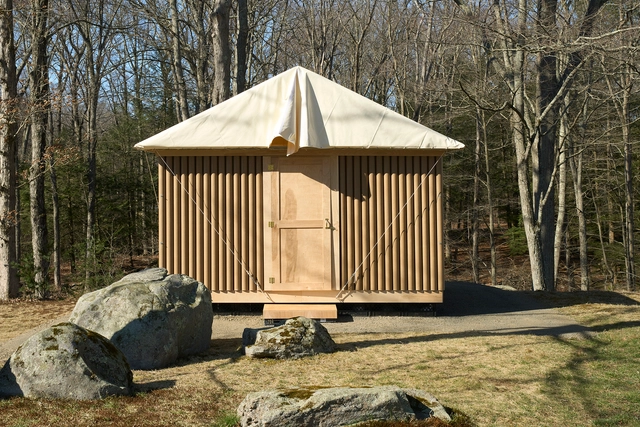
The concept of low-tech architecture recognizes the impact of carbon-intensive technologies and building practices and proposes an alternative: a rediscovery of practical, rational, locally adapted solutions that count on smart design strategies instead of energy-intensive devices to ensure a safe, comfortable living environment. Far from being a regressive approach, the term remains open to innovations but seeks to rebalance the industry's reliance on mechanization. It thus favors an architecture of fewer components, minimized dependence on high-tech solutions, and a preference for low-embodied carbon materials.

What is Low-Tech Architecture: Comparing Shigeru Ban and Yasmeen Lari's Approaches - Image 1 of 4What is Low-Tech Architecture: Comparing Shigeru Ban and Yasmeen Lari's Approaches - Image 2 of 4What is Low-Tech Architecture: Comparing Shigeru Ban and Yasmeen Lari's Approaches - Image 3 of 4What is Low-Tech Architecture: Comparing Shigeru Ban and Yasmeen Lari's Approaches - Image 4 of 4What is Low-Tech Architecture: Comparing Shigeru Ban and Yasmeen Lari's Approaches - More Images+ 15

AI and the Built Environment: Bridging Technology, Design, and Cultural Identity

Artificial intelligence (AI) is reshaping the architectural landscape, offering tools that enhance creativity, streamline workflows, and redefine design processes. From assisting in urban planning to conceptualizing homes and creating visualizations, AI is unlocking new possibilities for architects, designers, and even non-professionals. Yet, as AI-generated outputs become more prevalent, concerns emerge regarding the possibility of generating generic-looking designs or the disappearance of traditional design skills. These challenges lead us to critically examine how AI complements human creativity and the ethical implications surrounding authorship, originality, and intellectual property rights in this rapidly evolving digital era.

AI and the Built Environment: Bridging Technology, Design, and Cultural Identity - Image 1 of 4AI and the Built Environment: Bridging Technology, Design, and Cultural Identity - Image 2 of 4AI and the Built Environment: Bridging Technology, Design, and Cultural Identity - Image 3 of 4AI and the Built Environment: Bridging Technology, Design, and Cultural Identity - Image 4 of 4AI and the Built Environment: Bridging Technology, Design, and Cultural Identity - More Images+ 2

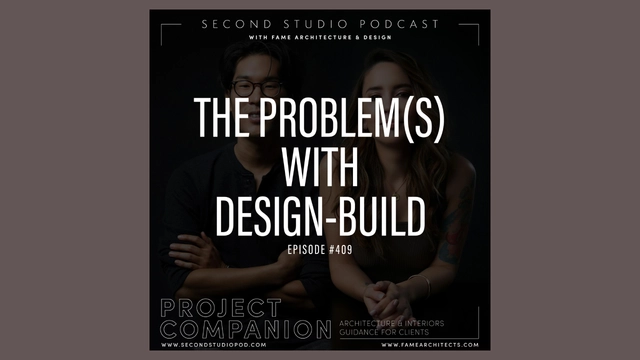
The Second Studio Podcast: The Problem(s) with Design-Build

The Second Studio (formerly The Midnight Charette) is an explicit podcast about design, architecture, and the everyday. Hosted by Architects David Lee and Marina Bourderonnet, it features different creative professionals in unscripted conversations that allow for thoughtful takes and personal discussions.

A variety of subjects are covered with honesty and humor: some episodes are interviews, while others are tips for fellow designers, reviews of buildings and other projects, or casual explorations of everyday life and design. The Second Studio is also available on iTunes, Spotify, and YouTube.

This week David and Marina of FAME Architecture & Design discuss the Design-Build model of home construction. They cover the definition of the Design-Build model; lack of licensed architects in Design-Build companies; efficiency and economy; quality of construction; how costs are lowered; lack of transparency; who should / shouldn't engage with Design-Build companies; and more.

The Future of Work: Sentient Workplaces for Employee Wellbeing 

Subscriber Access | 

Imagine stepping into an environment that fully understands you, knows your habits, and actively works to support your wellbeing as an occupant. Air quality might be monitored and managed, and occupant circadian rhythms might be tracked to suggest ideal states of productivity. Workplace designers have been considering occupant wellbeing and health in their designs for offices of the future. Hypothesizing what time ahead may contain, there is a strong case to be made for sentient architecture and interior design being disruptive forces in how we interact with our work environments.

The Future of Work: Sentient Workplaces for Employee Wellbeing  - Image 1 of 4The Future of Work: Sentient Workplaces for Employee Wellbeing  - Image 2 of 4The Future of Work: Sentient Workplaces for Employee Wellbeing  - Image 3 of 4The Future of Work: Sentient Workplaces for Employee Wellbeing  - Image 4 of 4The Future of Work: Sentient Workplaces for Employee Wellbeing  - More Images+ 2

Designing for Two Worlds: How Space Exploration is Shaping the Future of Architecture on Earth

Subscriber Access | 

Space exploration isn’t merely a testament to human ambition or a quest for new territories and resources. Our ventures beyond Earth’s atmosphere are driven by a deeper purpose: to understand better our place in the cosmos and to pioneer innovations that can transform life on our home planet.

While venturing beyond our planet captures the imagination, the true impact of space exploration may be felt much closer to home. Public perception often frames space exploration as a distant endeavor with limited relevance to terrestrial challenges. However, this perspective overlooks the substantial contributions of space programs to our world. By driving technological innovation, expanding our scientific knowledge, and inspiring future generations, space exploration has proven to be an invaluable catalyst for addressing global issues.

Designing for Two Worlds: How Space Exploration is Shaping the Future of Architecture on Earth - Image 1 of 4Designing for Two Worlds: How Space Exploration is Shaping the Future of Architecture on Earth - Image 2 of 4Designing for Two Worlds: How Space Exploration is Shaping the Future of Architecture on Earth - Image 3 of 4Designing for Two Worlds: How Space Exploration is Shaping the Future of Architecture on Earth - Image 4 of 4Designing for Two Worlds: How Space Exploration is Shaping the Future of Architecture on Earth - More Images+ 30

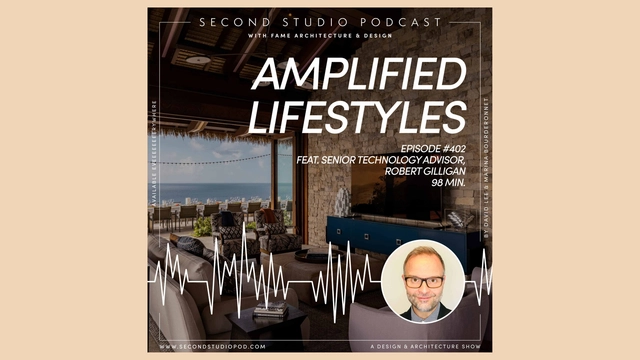
The Second Studio Podcast: AV Design in Architecture

The Second Studio (formerly The Midnight Charette) is an explicit podcast about design, architecture, and the everyday. Hosted by Architects David Lee and Marina Bourderonnet, it features different creative professionals in unscripted conversations that allow for thoughtful takes and personal discussions.

A variety of subjects are covered with honesty and humor: some episodes are interviews, while others are tips for fellow designers, reviews of buildings and other projects, or casual explorations of everyday life and design. The Second Studio is also available on iTunes, Spotify, and YouTube.

This week David and Marina of FAME Architecture & Design are joined by Robert Gilligan, Senior Technology Advisor at Amplified Lifestyles to discuss his background in audio-visual technology; advancements in smart home technology; home audio-visual system management; the role of audio-visual engineers in architecture projects; home security systems; the future of audio-visual technology; and more.

How are AI Systems Assisting Architects and Designers?

Since their introduction to the wider public, artificial intelligence technologies seem prone to change the working landscape for professionals across all fields, and architecture and urban planning are no different. While many fear their negative impact, AI technologies can also be viewed as a different set of tools in the arsenal of architects and designers. As revolutionary as they are, there is a plethora of applications and platforms being developed not to replace, but to aid, offload repetitive tasks, and help visualize ideas or large data sets, all to provide a basis for the architect's decision-making process.

How are AI Systems Assisting Architects and Designers? - Image 1 of 4How are AI Systems Assisting Architects and Designers? - Image 2 of 4How are AI Systems Assisting Architects and Designers? - Image 3 of 4How are AI Systems Assisting Architects and Designers? - Image 4 of 4How are AI Systems Assisting Architects and Designers? - More Images+ 5

The Rise of 3D-Printed Prefabricated Homes

As construction materials costs increase, builders and developers are seeking alternatives to traditional home construction methods to address housing shortages. In response, an expanding construction technology field is the 3D printing sector. This technology promises quicker, cheaper construction and the potential to extrude local and recycled materials. However, due to the slow-changing nature of the construction industry, a radical shift involving large-scale 3D-printing machines on-site and a complete overhaul of the construction process seems unlikely shortly.

Prefabricated 3D printing modular housing offers a compelling solution, providing the benefits of 3D printing advancements while leveraging standard construction machinery and labor. In off-site 3D-printed construction, there is no need to transport massive 3D-printing machines on-site. Instead, components are printed in a controlled environment and then assembled on-site. These types of 3D-printed residential modular kits of parts are already being manufactured and are attracting significant investment.

The Rise of 3D-Printed Prefabricated Homes - Image 1 of 4The Rise of 3D-Printed Prefabricated Homes - Image 2 of 4The Rise of 3D-Printed Prefabricated Homes - Image 3 of 4The Rise of 3D-Printed Prefabricated Homes - Image 4 of 4The Rise of 3D-Printed Prefabricated Homes - More Images

Does Size Really Matter? Debunking the Obsession with Super Tall Buildings

Subscriber Access | 

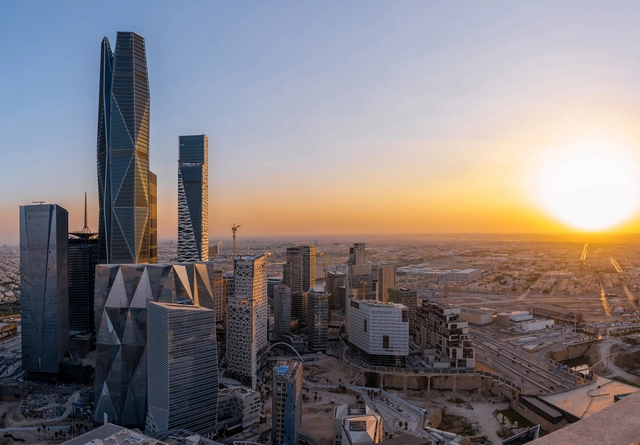
The future Saudi tower designed by Foster + Partners is expected to reach a staggering height of two kilometers. This multibillion-dollar project, towering twice as high as the current record holder, the Burj Khalifa in Dubai, will dominate the skyline of Riyadh, accommodating offices, residences, and entertainment spaces. It forms part of a development program led by Saudi Arabia, driven by the vision of Crown Prince Mohammad bin Salman to establish the country's presence through ambitious, large-scale projects. While these super-tall towers symbolize visibility and global recognition, they face criticism for their extravagant construction costs and environmental impact.

Does Size Really Matter? Debunking the Obsession with Super Tall Buildings - Image 1 of 4Does Size Really Matter? Debunking the Obsession with Super Tall Buildings - Image 2 of 4Does Size Really Matter? Debunking the Obsession with Super Tall Buildings - Image 3 of 4Does Size Really Matter? Debunking the Obsession with Super Tall Buildings - Image 4 of 4Does Size Really Matter? Debunking the Obsession with Super Tall Buildings - More Images+ 7

Populous Unveils Design for Technology-Embedded Multi-Use Stadium in Saudi Arabia

Populous, along with the Board of Directors of the Qiddiya Investment Company, has unveiled the design for the Prince Mohammed Bin Salman Stadium, a new multi-use venue to contribute to the offerings of Qiddiya City, a new district dedicated to sports and entertainment near Riyadh, Saudi Arabia. Located atop the 200m-high Tuwaiq cliff, the stadium, featuring a vast array of integrated technologies and innovative systems, is anticipated to host some of the country’s biggest sports, entertainment, and cultural events.