1. ArchDaily
  2. Architecture Exhibitions

Architecture Exhibitions: The Latest Architecture and News

Foster + Partners Presents "Civic Vision" Exhibition at Sydney’s Parkline Place

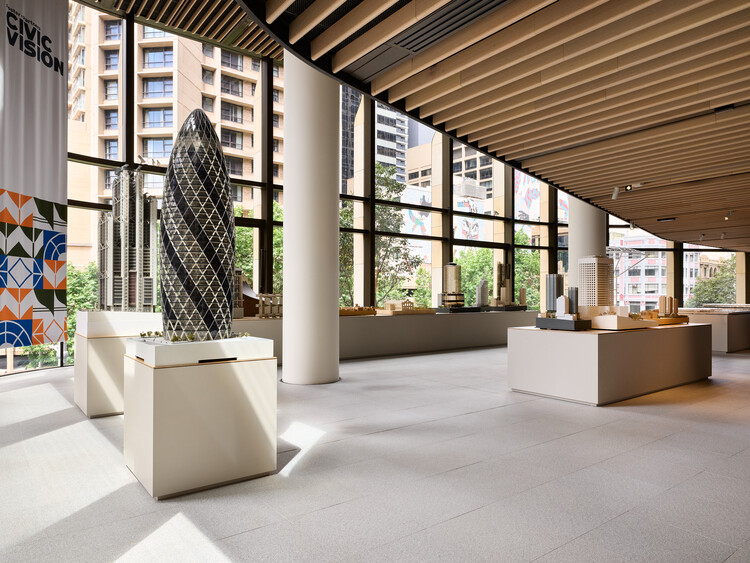
Foster + Partners has opened Civic Vision, the first comprehensive exhibition of the practice's work to be presented in Australia. On view until December 21, 2025, at Parkline Place, the firm's latest completed project in Sydney, developed by Investa on behalf of Oxford Properties Group and Mitsubishi Estate Asia, the exhibition offers an in-depth overview of Foster + Partners' global portfolio since its founding in 1967 by Norman Foster. It explores the evolution of the practice's design approach and its exploration of civic architecture across different contexts and scales.

Foster + Partners Presents "Civic Vision" Exhibition at Sydney’s Parkline Place - Image 1 of 4Foster + Partners Presents "Civic Vision" Exhibition at Sydney’s Parkline Place - Image 2 of 4Foster + Partners Presents "Civic Vision" Exhibition at Sydney’s Parkline Place - Image 3 of 4Foster + Partners Presents "Civic Vision" Exhibition at Sydney’s Parkline Place - Image 4 of 4Foster + Partners Presents Civic Vision Exhibition at Sydney’s Parkline Place - More Images+ 19

Small-Scale Solutions to Climate Challenges: 13 Highlighted Projects from the 19th Venice Architecture Biennale

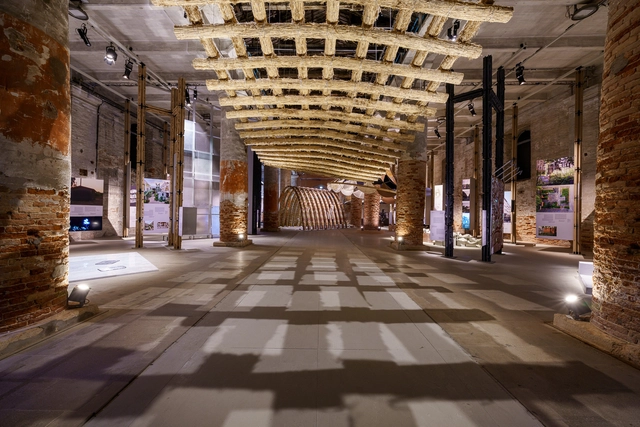
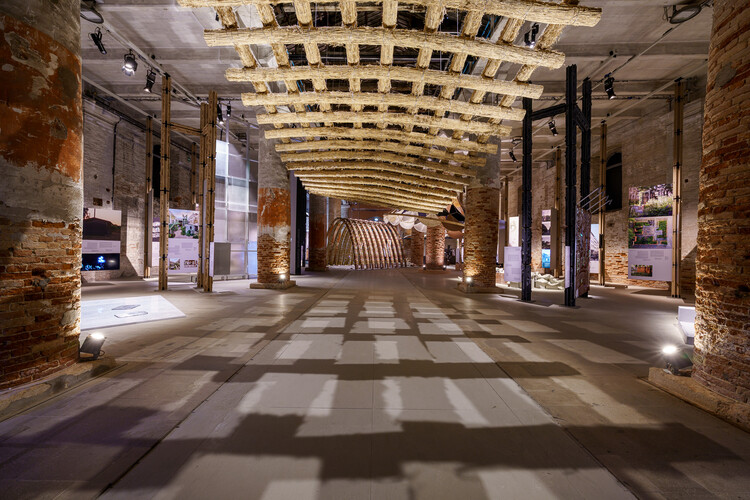
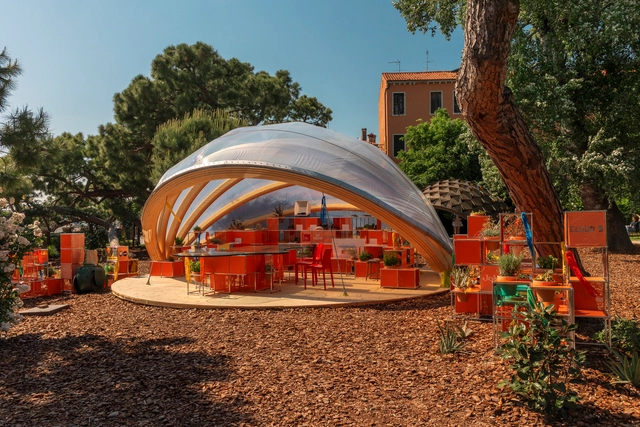
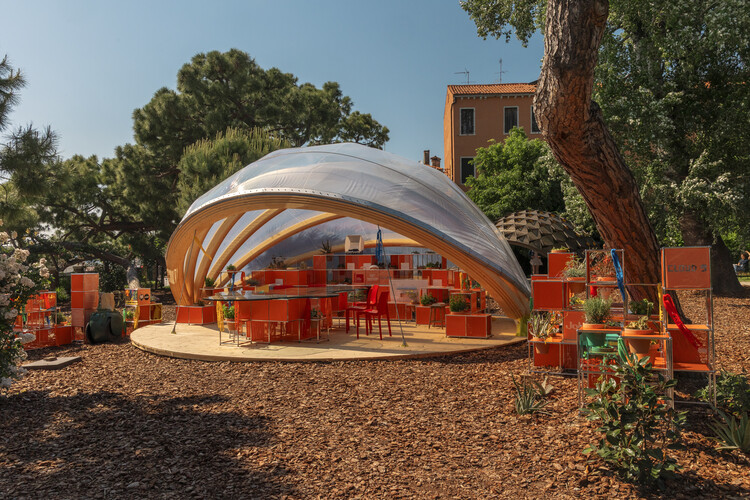
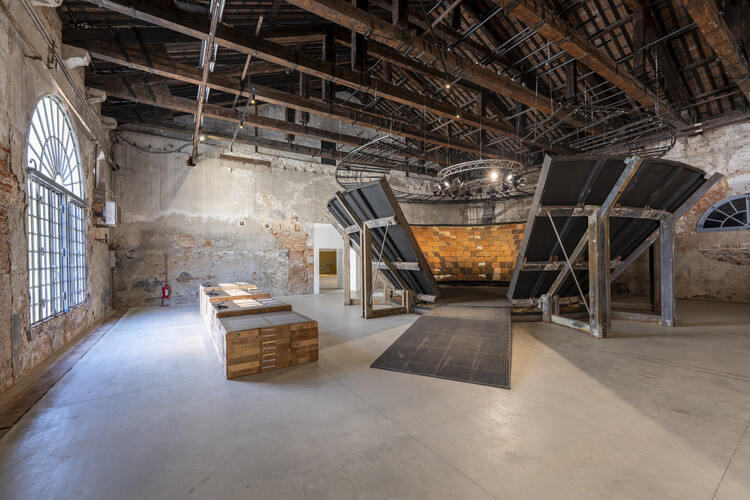
With just a few days left before the six-and-a-half-month 19th Venice Architecture Biennale comes to an end, it is possible to look back on some of the most notable contributions within its thematic framework. Marked by the largest call for participants to date, the Biennale's diversity of topics and the range of installations on display go beyond easy recapitulation. As part of that reflection, several initiatives can be highlighted as illustrative of the principles reflected in the curatorial theme, "Intelligens. Natural. Artificial. Collective." The concepts interwoven in Carlo Ratti's title form a call to address the urgent need for substantial solutions amid the accelerating climate crisis, positioning the Biennale as a platform for diverse design proposals and experiments organized around three forms of intelligence: natural, artificial, and collective. Beyond the national pavilions and numerous collateral events held throughout Venice over the past six months, among the more than 700 participants are projects that, through practice, embody four shared intentions: opening conversations about the future, proposing systemic responses to local realities, placing technology at the center of design innovation, and pursuing material research rooted in local sensitivity.

Small-Scale Solutions to Climate Challenges: 13 Highlighted Projects from the 19th Venice Architecture Biennale - Image 1 of 4Small-Scale Solutions to Climate Challenges: 13 Highlighted Projects from the 19th Venice Architecture Biennale - Image 2 of 4Small-Scale Solutions to Climate Challenges: 13 Highlighted Projects from the 19th Venice Architecture Biennale - Image 3 of 4Small-Scale Solutions to Climate Challenges: 13 Highlighted Projects from the 19th Venice Architecture Biennale - Image 4 of 4Small-Scale Solutions to Climate Challenges: 13 Highlighted Projects from the 19th Venice Architecture Biennale - More Images+ 52

One Month Until Closing: 10 Must-See National Pavilions at the 2025 Venice Architecture Biennale

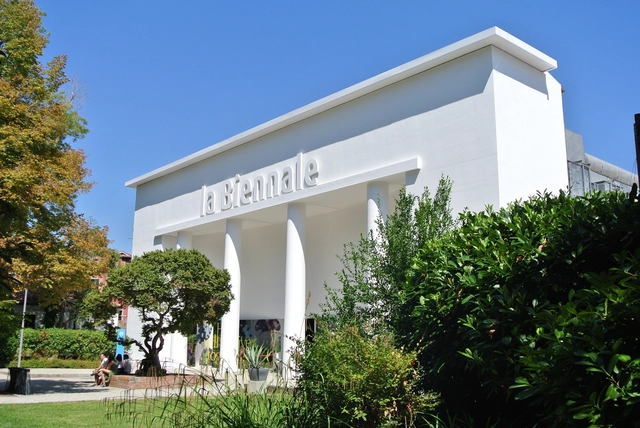
As the 19th International Architecture Exhibition enters its final month before closing on November 23, the 2025 Venice Architecture Biennale continues to reaffirm its position as one of the most influential global platforms for contemporary architectural discourse. Opened to the public on May 10 under the curatorship of Italian architect Carlo Ratti, this edition, titled "Intelligens. Natural. Artificial. Collective." brings together over 750 participants across 65 national pavilions, 11 collateral events, and numerous parallel initiatives throughout the city. Structured around the themes of Natural, Artificial, and Collective Intelligence, the Biennale examines how architecture can respond to the intertwined challenges of climate adaptation, technological transformation, and social collaboration.

One Month Until Closing: 10 Must-See National Pavilions at the 2025 Venice Architecture Biennale - Image 1 of 4One Month Until Closing: 10 Must-See National Pavilions at the 2025 Venice Architecture Biennale - Image 2 of 4One Month Until Closing: 10 Must-See National Pavilions at the 2025 Venice Architecture Biennale - Image 3 of 4One Month Until Closing: 10 Must-See National Pavilions at the 2025 Venice Architecture Biennale - Image 4 of 4One Month Until Closing: 10 Must-See National Pavilions at the 2025 Venice Architecture Biennale - More Images+ 6

Staging Culture: The Architect as Curator

Architecture has never been confined to the act of building. It constantly negotiates between material practice and intellectual reflection, yet throughout the twentieth and twenty-first centuries, many architects felt that the built project alone was insufficient to address the full range of questions facing the discipline. Economic pressures, political contexts, and programmatic demands often narrowed the scope of practice.

Exhibitions and curatorial platforms, by contrast, created spaces of experimentation and critique, opening arenas where architecture could interrogate itself, where its past could be reinterpreted, its present challenged, and its future projected. In this tension, the figure of the architect-curator emerged, treating curating itself as a form of design — not of walls or facades, but of discourse, narratives, and frameworks of meaning.

Staging Culture: The Architect as Curator - Image 1 of 4Staging Culture: The Architect as Curator - Image 2 of 4Staging Culture: The Architect as Curator - Image 3 of 4Staging Culture: The Architect as Curator - Image 4 of 4Staging Culture: The Architect as Curator - More Images+ 32

The Chilean Architecture Biennial Revives a Church Ruin as a Temporary Pavilion

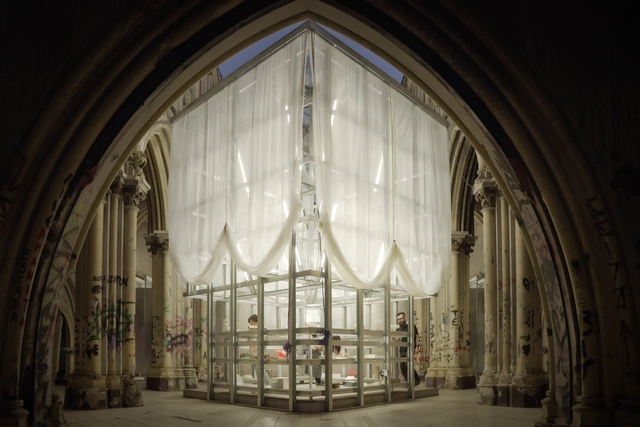
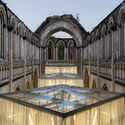
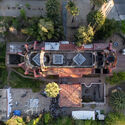
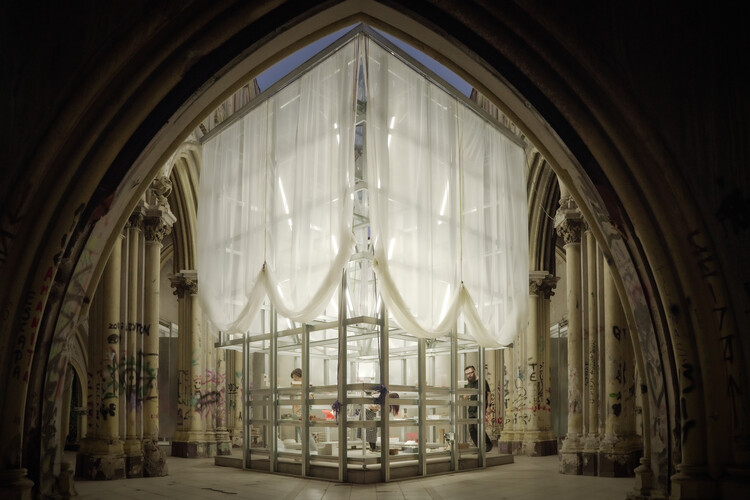
Between September 25 and October 5, 2025, the XXIII Chilean Architecture and Urbanism Biennial took place in Santiago. Under the title "DOUBLE EXPOSURE: (re)program · (re)adapt · (re)construct," the event was organized around the idea of "understanding architecture not as the production of the new, but as the ability to reactivate what already exists." Based on this premise, the curatorial team, composed of Ángela Carvajal and Sebastián López (Anagramma Arquitectes) together with Óscar Aceves, conceived a circuit of eight venues located in downtown Santiago. Their goal was to revive and reclaim urban spaces through a series of free public activities that drew around 70,000 visitors. Among the reactivated sites, the ruins of the San Francisco de Borja Church stood out. Burned during the social outburst of October 2019, the site hosted a temporary pavilion that served as a venue for talks, readings, art installations, discussions, and community events.

The Chilean Architecture Biennial Revives a Church Ruin as a Temporary Pavilion - Image 1 of 4The Chilean Architecture Biennial Revives a Church Ruin as a Temporary Pavilion - Image 2 of 4The Chilean Architecture Biennial Revives a Church Ruin as a Temporary Pavilion - Image 3 of 4The Chilean Architecture Biennial Revives a Church Ruin as a Temporary Pavilion - Image 4 of 4The Chilean Architecture Biennial Revives a Church Ruin as a Temporary Pavilion - More Images+ 17

Highlights from BAL 2025: Latin American Architecture Biennial

Subscriber Access | 

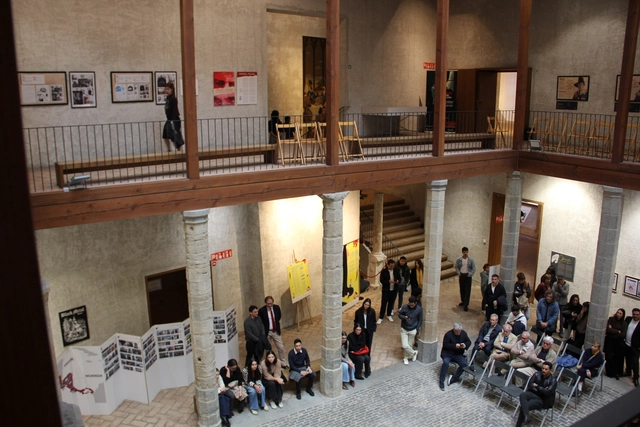
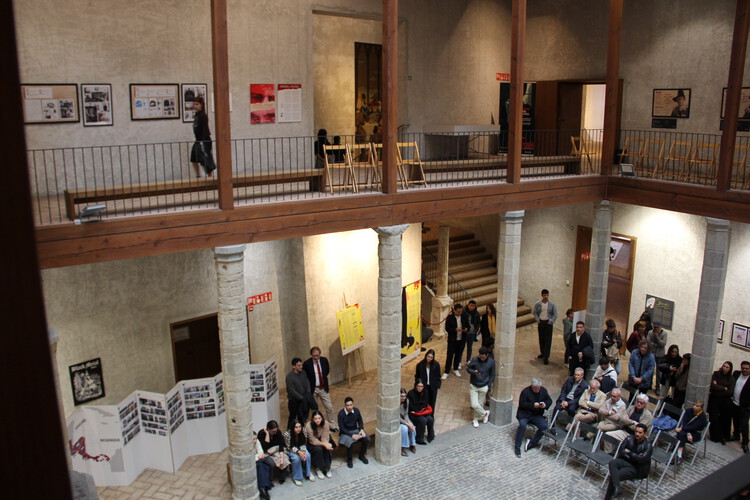
Held in Pamplona from the 23rd to the 26th of September, the 2025 Latin American Architecture Biennial (BAL) brought together emerging studios and established voices from across the continent. This year’s edition stood out for the diversity and depth of its participants: projects of striking formal and conceptual richness, developed by young yet remarkably mature offices. Together, they reflected the vitality of today’s Latin American architecture — thoughtful, inventive, and deeply aware of its context.

Highlights from BAL 2025: Latin American Architecture Biennial - Image 1 of 4Highlights from BAL 2025: Latin American Architecture Biennial - Image 2 of 4Highlights from BAL 2025: Latin American Architecture Biennial - Featured ImageHighlights from BAL 2025: Latin American Architecture Biennial - Image 3 of 4Highlights from BAL 2025: Latin American Architecture Biennial - More Images+ 30

Climate, Craft, and Continuity: Behind the Global Recognition of Bahrain’s Architecture

Bahrain's architectural participations in the international exhibitions have gained increasing global recognition, marked most recently by major awards at Expo 2025 Osaka and the Venice Architecture Biennale. These milestones reflect a broader trajectory in which the country's design culture, rooted in climatic intelligence and cultural continuity, has become a prominent voice in international conversations on context-driven architecture.

This growing visibility builds upon a deep architectural lineage. Bahrain's identity has long been shaped by its position as a maritime crossroads of the Arabian Gulf, where the legacy of pearling settlements and the compact urban fabric of Muharraq and Manama reveal a dialogue between local traditions and global exchange. Today, that dialogue evolves through practices that merge preservation with experimentation, translating heritage into a contemporary architectural language that is both place-specific and forward-looking.

Climate, Craft, and Continuity:  Behind the Global Recognition of Bahrain’s Architecture - Image 1 of 4Climate, Craft, and Continuity:  Behind the Global Recognition of Bahrain’s Architecture - Image 2 of 4Climate, Craft, and Continuity:  Behind the Global Recognition of Bahrain’s Architecture - Image 3 of 4Climate, Craft, and Continuity:  Behind the Global Recognition of Bahrain’s Architecture - Image 4 of 4Climate, Craft, and Continuity:  Behind the Global Recognition of Bahrain’s Architecture - More Images+ 4

Expo Osaka 2025 Concludes After Six Months of Discussions on Saving, Empowering, and Connecting Lives

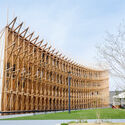
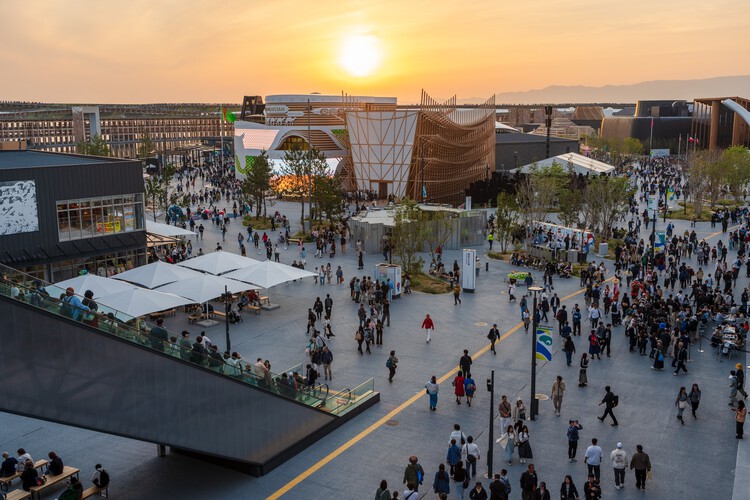
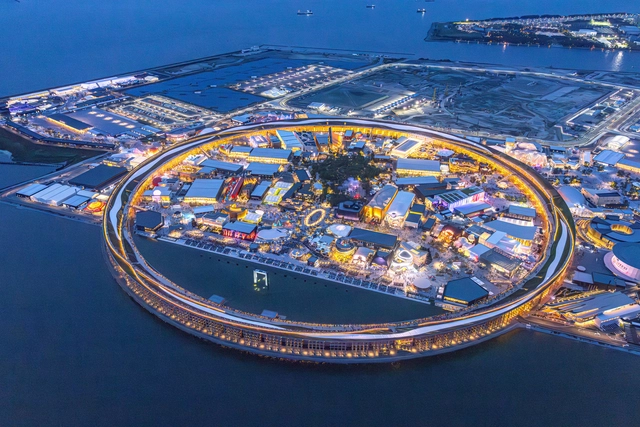
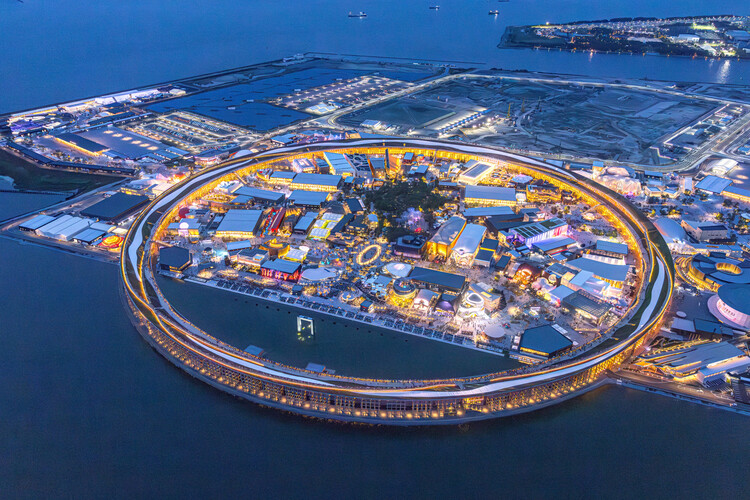
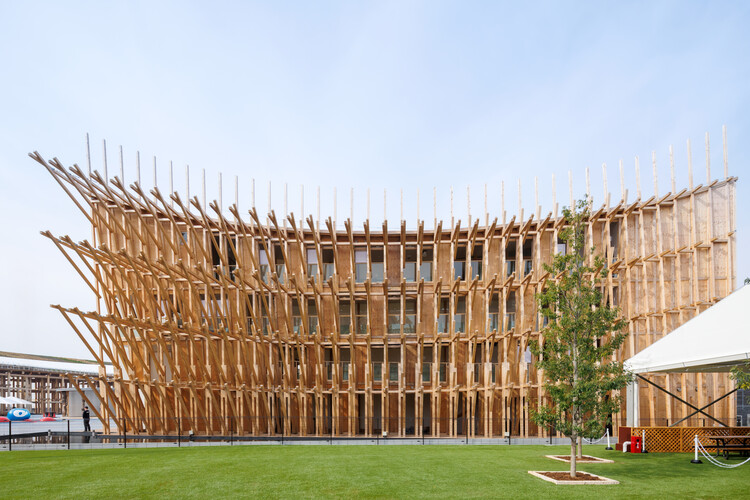
Monday, October 13th, marked the conclusion of Expo Osaka 2025. The exhibition gathered representatives from 165 countries and international organizations and welcomed around 28 million visitors to Yumeshima, a reclaimed site in Osaka Bay. The site was reimagined through a masterplan and bounded by a Guinness World Record-breaking wooden circular structure, both designed by Sou Fujimoto Architects. Over 184 days, participants were able to visit the self-built, modular, and shared pavilions, national exhibitions, and public activities organized under the overarching theme "Designing Future Society for Our Lives." During its six-month run, the Expo set out to explore three pivotal subthemes, Saving Lives, Empowering Lives, and Connecting Lives, as an invitation to bring together new perspectives for our built and social ecosystem.

Expo Osaka 2025 Concludes After Six Months of Discussions on Saving, Empowering, and Connecting Lives - Image 1 of 4Expo Osaka 2025 Concludes After Six Months of Discussions on Saving, Empowering, and Connecting Lives - Image 2 of 4Expo Osaka 2025 Concludes After Six Months of Discussions on Saving, Empowering, and Connecting Lives - Image 3 of 4Expo Osaka 2025 Concludes After Six Months of Discussions on Saving, Empowering, and Connecting Lives - Image 4 of 4Expo Osaka 2025 Concludes After Six Months of Discussions on Saving, Empowering, and Connecting Lives - More Images+ 5

Lina Ghotmeh’s Bahrain Pavilion Wins Gold Award for Best Architecture and Landscape at Expo 2025 Osaka

The Kingdom of Bahrain's Pavilion at Expo 2025 Osaka, designed by Lina Ghotmeh – Architecture, titled "Connecting Seas," has been awarded the Gold Award for Best Architecture and Landscape in the self-built pavilions under 1,500 square meters category. Presented by the Bureau International des Expositions (BIE), the award recognizes architectural excellence in spatial design, creativity, and sustainability. The announcement was made at an official award ceremony in Osaka, Japan, attended by commissioners general and representatives from participating nations. Commissioned by the Bahrain Authority for Culture and Antiquities (BACA), this marks the country's fourth participation in a World Expo and reflects an ongoing commitment to expressing national identity through architecture and cultural dialogue.

Lina Ghotmeh’s Bahrain Pavilion Wins Gold Award for Best Architecture and Landscape at Expo 2025 Osaka - Image 1 of 4Lina Ghotmeh’s Bahrain Pavilion Wins Gold Award for Best Architecture and Landscape at Expo 2025 Osaka - Image 2 of 4Lina Ghotmeh’s Bahrain Pavilion Wins Gold Award for Best Architecture and Landscape at Expo 2025 Osaka - Image 3 of 4Lina Ghotmeh’s Bahrain Pavilion Wins Gold Award for Best Architecture and Landscape at Expo 2025 Osaka - Image 4 of 4Lina Ghotmeh’s Bahrain Pavilion Wins Gold Award for Best Architecture and Landscape at Expo 2025 Osaka - More Images+ 4

Behind the Scenes, On Display: Self-Curated Journeys through the Museum Archive

The museum and gallery visit has long been a highly curated experience. Visitors are guided through a carefully orchestrated sequence of rooms, with hand-picked works arranged to tell a specific narrative, supported by signage, graphics, scenography, and calibrated lighting. Even the rarely changed exhibitions - the permanent collections, also typically rely on a strong curatorial voice— led by noted artists or curators—to set institutional stance and shape interpretation.

At the same time, storage areas for museums and galleries are typically kept separately—often within the same building but under tightly controlled access, and not infrequently off-site in dedicated facilities, such as the Louvre Conservation Centre. These zones have long been understood as highly controlled spaces not only in terms of access, but also in relation to climate, humidity, archival order, handling protocols, maintenance, and repair. For fear of thefts and that the spatial, environmental, and sequencing requirements of the archive could be disturbed, storage has traditionally been somewhat secretive and primarily serves academic researchers and art practitioners by request. Rarely does the general public gain a comprehensive picture of the works safeguarded by any given institution.

Behind the Scenes, On Display: Self-Curated Journeys through the Museum Archive - Image 1 of 4Behind the Scenes, On Display: Self-Curated Journeys through the Museum Archive - Image 2 of 4Behind the Scenes, On Display: Self-Curated Journeys through the Museum Archive - Image 3 of 4Behind the Scenes, On Display: Self-Curated Journeys through the Museum Archive - Image 4 of 4Behind the Scenes, On Display: Self-Curated Journeys through the Museum Archive - More Images+ 27

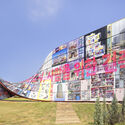
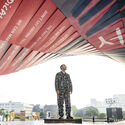
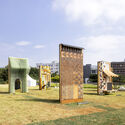
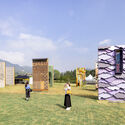
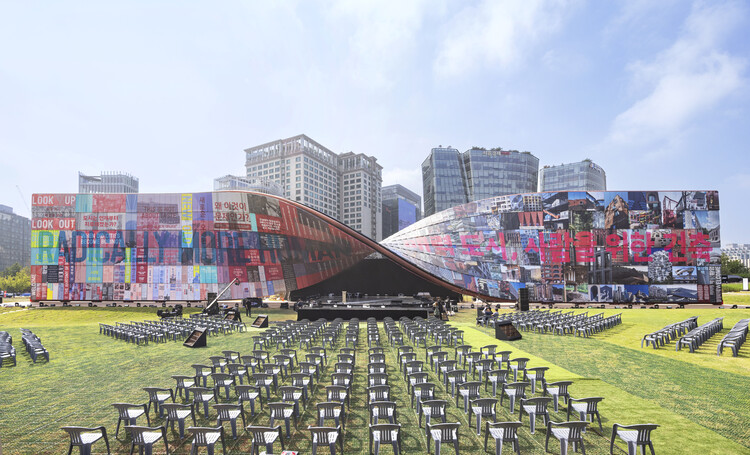
The 5th Seoul Biennale of Architecture and Urbanism Opens With Thomas Heatherwick as General Director

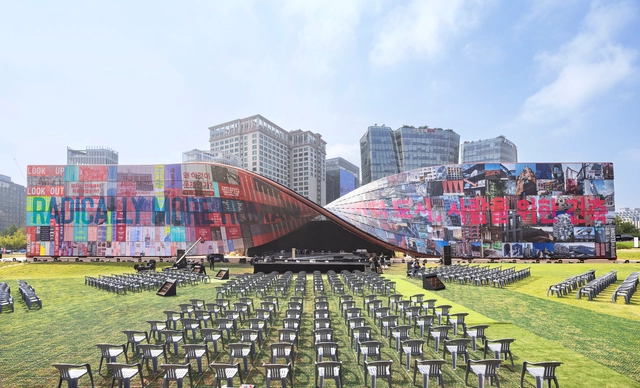
The 5th Seoul Biennale of Architecture and Urbanism opened on September 26 at Songhyeon Green Plaza in central Seoul. Recognized as the largest public architecture festival in Asia, this year's edition is directed by Thomas Heatherwick under the curatorial theme of how cities can become "radically more human." Running through November 18, the Biennale brings together exhibitions, global forums, and citizen-led projects to examine the role of architecture in shaping more inclusive and enduring urban environments.

The 5th Seoul Biennale of Architecture and Urbanism Opens With Thomas Heatherwick as General Director - Image 1 of 4The 5th Seoul Biennale of Architecture and Urbanism Opens With Thomas Heatherwick as General Director - Image 2 of 4The 5th Seoul Biennale of Architecture and Urbanism Opens With Thomas Heatherwick as General Director - Image 3 of 4The 5th Seoul Biennale of Architecture and Urbanism Opens With Thomas Heatherwick as General Director - Image 4 of 4The 5th Seoul Biennale of Architecture and Urbanism Opens With Thomas Heatherwick as General Director - More Images+ 3

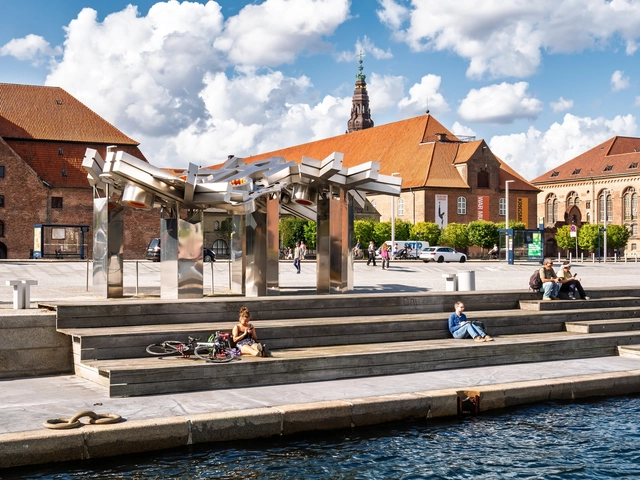
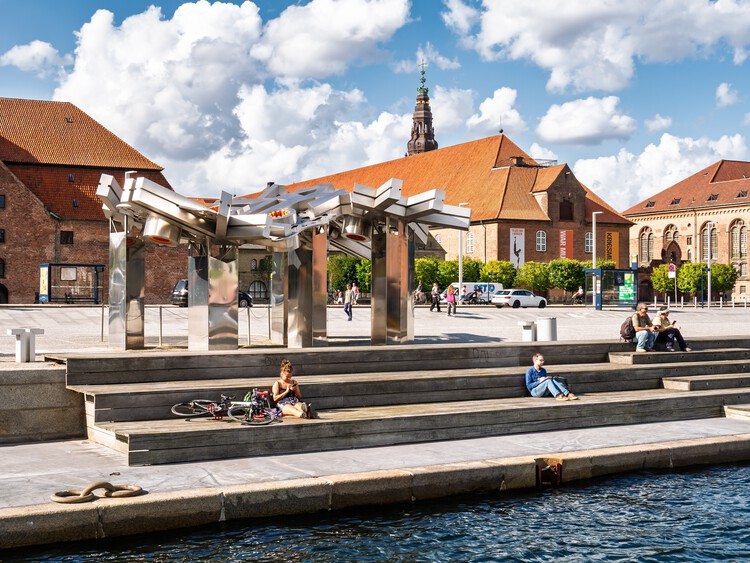
Slow Pavilions, Chapel Retold, and More: 6 Key Highlights From the First Copenhagen Architecture Biennial

The first edition of the Copenhagen Architecture Biennial opened on September 18 and will run until October 19, under the theme "Slow Down." Organized by CAFx (Copenhagen Architecture Forum), the new platform evolves from the city's previous annual festival into a broader international biennial for architectural dialogue and exchange. Led by Josephine Michau, the event seeks to create space for reflection on architecture's role in shaping societies and the environment. The chosen theme, Slow Down, invites participants to reconsider the pace of transformation in the built environment in response to global pressures such as rapid urbanization, resource consumption, and climate change.

During the opening days, ArchDaily announced the 2025 Next Practices Awards, and throughout the month, the Biennial presents more than 250 events, ranging from exhibitions and talks to performances and guided tours. Highlights include contributions from Danish practices such as Adept with Fast City/Slow Architecture and Lendager with Living Lab, alongside international participants like Atelier Bow-Wow and Rem Koolhaas.

Slow Pavilions, Chapel Retold, and More: 6 Key Highlights From the First Copenhagen Architecture Biennial - Image 1 of 4Slow Pavilions, Chapel Retold, and More: 6 Key Highlights From the First Copenhagen Architecture Biennial - Image 2 of 4Slow Pavilions, Chapel Retold, and More: 6 Key Highlights From the First Copenhagen Architecture Biennial - Image 3 of 4Slow Pavilions, Chapel Retold, and More: 6 Key Highlights From the First Copenhagen Architecture Biennial - Image 4 of 4Slow Pavilions, Chapel Retold, and More: 6 Key Highlights From the First Copenhagen Architecture Biennial - More Images+ 55

First Copenhagen Architecture Biennial Opens With the Theme “Slow Down”

The first edition of the Copenhagen Architecture Biennial opens today and runs until October 19, transforming the city into a platform for architectural dialogue and exchange. Organised by CAFx (Copenhagen Architecture Forum), the new biennial expands on the former Copenhagen Architecture Festival, shifting from an annual format to a broader, more ambitious platform for architectural exploration. Led by Josephine Michau, CEO and Founder of CAFx and curator of the Danish Pavilion at the Venice Architecture Biennale 2023, the Biennial launches under the theme "Slow Down," reflecting on how societies can respond to the pressures of rapid population growth, resource consumption, and environmental challenges by rethinking the pace of change in the built environment. The theme builds on the concept of a "Great Deceleration," inviting participants to envision spaces that promote sustainability, longevity, and mindful engagement with the built environment.

First Copenhagen Architecture Biennial Opens With the Theme “Slow Down” - Image 1 of 4First Copenhagen Architecture Biennial Opens With the Theme “Slow Down” - Image 2 of 4First Copenhagen Architecture Biennial Opens With the Theme “Slow Down” - Image 3 of 4First Copenhagen Architecture Biennial Opens With the Theme “Slow Down” - Image 4 of 4First Copenhagen Architecture Biennial Opens With the Theme “Slow Down” - More Images+ 16

The Korean Pavilion at the 2025 Venice Biennale Marks 30 Years with “Little Toad, Little Toad: Unbuilding Pavilion”

The Korean Pavilion at the 19th International Architecture Exhibition - La Biennale di Venezia marks its 30th anniversary with "Little Toad, Little Toad: Unbuilding Pavilion," an exhibition commissioned by Arts Council Korea (ARKO) and curated by Curating Architecture Collective (CAC), composed of Chung Dahyoung, Kim Heejung, and Jung Sungkyu. Bringing together architects and artists Kim Hyunjong, Heechan Park, Young Yena, and Lee Dammy, the exhibition critically revisits the pavilion as both a physical structure and a symbolic space, tracing its trajectory since its completion in 1995 while speculating on its possible futures.

The Korean Pavilion at the 2025 Venice Biennale Marks 30 Years with “Little Toad, Little Toad: Unbuilding Pavilion” - Image 1 of 4The Korean Pavilion at the 2025 Venice Biennale Marks 30 Years with “Little Toad, Little Toad: Unbuilding Pavilion” - Image 2 of 4The Korean Pavilion at the 2025 Venice Biennale Marks 30 Years with “Little Toad, Little Toad: Unbuilding Pavilion” - Image 3 of 4The Korean Pavilion at the 2025 Venice Biennale Marks 30 Years with “Little Toad, Little Toad: Unbuilding Pavilion” - Image 4 of 4The Korean Pavilion at the 2025 Venice Biennale Marks 30 Years with “Little Toad, Little Toad: Unbuilding Pavilion” - More Images+ 27

Aedes Architecture Forum in Berlin Presents Exhibition on Helin & Co’s Helsinki Urban Projects

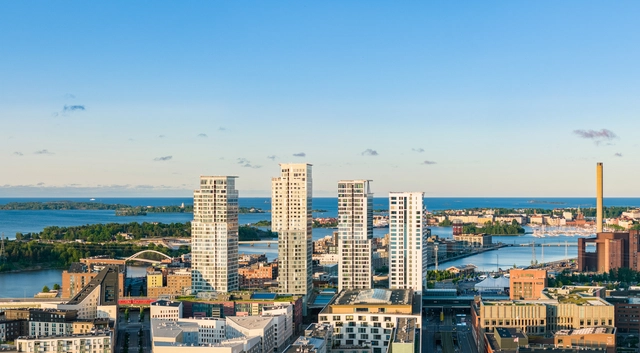
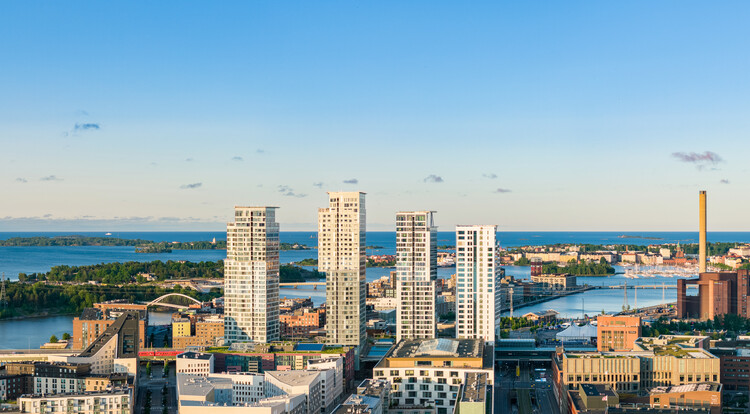
From September 6 to October 15, 2025, the Aedes Architecture Forum in Berlin will host an exhibition on the Finnish architectural firm Helin & Co. The show aims to examine the firm's role in shaping Helsinki over the past two decades. Titled Heart and Horizon, it reflects the practice's approach of combining the human scale ("Heart") with an engagement with urban space along the waterfront ("Horizon"). A central focus is placed on three projects that have been fundamental to Helsinki's transformation: the Kamppi Centre, a networked urban quarter with mobility hubs, cultural and residential areas; the Kalasatama Centre, a new district on the former harbour that combines urban density with views of the sea; and the Sello District Centre in Espoo, a multifunctional complex with a library, music school and concert hall.

Aedes Architecture Forum in Berlin Presents Exhibition on Helin & Co’s Helsinki Urban Projects - Image 1 of 4Aedes Architecture Forum in Berlin Presents Exhibition on Helin & Co’s Helsinki Urban Projects - Image 2 of 4Aedes Architecture Forum in Berlin Presents Exhibition on Helin & Co’s Helsinki Urban Projects - Image 3 of 4Aedes Architecture Forum in Berlin Presents Exhibition on Helin & Co’s Helsinki Urban Projects - Image 4 of 4Aedes Architecture Forum in Berlin Presents Exhibition on Helin & Co’s Helsinki Urban Projects - More Images+ 35

The European Cultural Centre Announces 21 Shortlisted Projects for the 2025 ECC Awards

The European Cultural Centre Italy has organized the ECC Awards since 2010 to recognize artists, architects, designers, and academics in their respective fields. The Awards highlight projects featured in the Time Space Existence exhibition, which runs in parallel with the Venice Architecture Biennale and showcases tangible approaches to building more sustainably, aiming to position architecture as a force for environmental and social repair. The seventh edition of Time Space Existence is a group exhibition spanning three Venetian venues: Palazzo Bembo, Palazzo Mora, and the Marinaressa Gardens. This year, the exhibition focuses on the themes of Repair, Regenerate, and Reuse, emphasizing the essential role of architects and designers as agents of positive change in shaping sustainable, inclusive, and regenerative ways of living.

The European Cultural Centre Announces 21 Shortlisted Projects for the 2025 ECC Awards - Image 1 of 4The European Cultural Centre Announces 21 Shortlisted Projects for the 2025 ECC Awards - Image 2 of 4The European Cultural Centre Announces 21 Shortlisted Projects for the 2025 ECC Awards - Image 3 of 4The European Cultural Centre Announces 21 Shortlisted Projects for the 2025 ECC Awards - Image 4 of 4The European Cultural Centre Announces 21 Shortlisted Projects for the 2025 ECC Awards - More Images+ 22

The Philippine Pavilion at the 2025 Venice Biennale Reimagines the Relationship Between Architecture and Soil

The Philippines' Pavilion at the 19th International Architecture Exhibition – La Biennale di Venezia presents Soil-beings (Lamánlupa), an exhibition curated by artistic director Renan Laru-an. Through interdisciplinary collaborations, the Pavilion brings together architects, technical experts, indigenous leaders, artists, policymakers, and local communities to explore the cultural, ecological, and technological dimensions of soil. Its objective is to challenge conventional architectural paradigms by shifting the focus from structure to soil, not as a passive material, but as a living force with agency, history, and power.


The Philippine Pavilion at the 2025 Venice Biennale Reimagines the Relationship Between Architecture and Soil - Image 1 of 4The Philippine Pavilion at the 2025 Venice Biennale Reimagines the Relationship Between Architecture and Soil - Image 2 of 4The Philippine Pavilion at the 2025 Venice Biennale Reimagines the Relationship Between Architecture and Soil - Image 3 of 4The Philippine Pavilion at the 2025 Venice Biennale Reimagines the Relationship Between Architecture and Soil - Image 4 of 4The Philippine Pavilion at the 2025 Venice Biennale Reimagines the Relationship Between Architecture and Soil - More Images+ 28

Exhibition at Paul Rudolph’s Modulightor Building in New York Unites Works of Architectural Art from Gehry, Rossi, and More

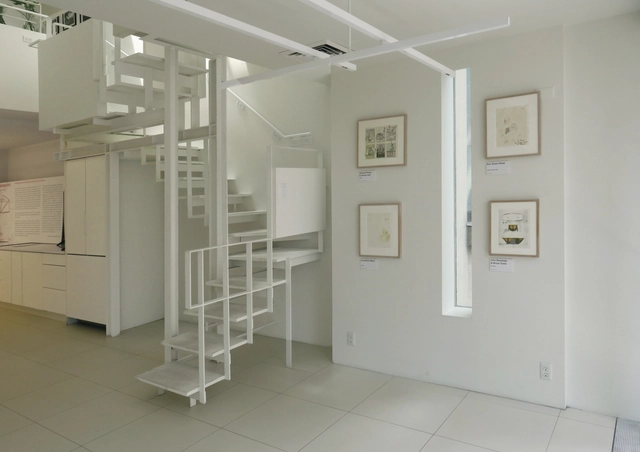
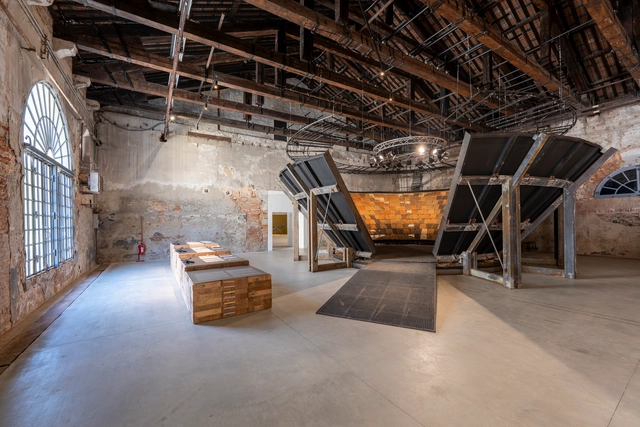
An exhibition of architectural drawings and photographs, titled "Architecture = Art: The Susan Grant Lewin Collection," is now on view at Paul Rudolph's Modulightor Building in Manhattan, New York. Hosted by the Paul Rudolph Institute for Modern Architecture (PRIMA), the collection brings together works by prominent architects, including Eileen Gray, Daniel Arsham, Frank Gehry, Jesse Reiser, Hani Rashid, Steven Holl, Aldo Rossi, Michael Graves, James Wines, Stanley Tigerman, John Hejduk, among others. The drawings are accompanied by a selection of photographs by architectural photographers such as Ezra Stoller, Robin Hill, Norman McGrath, Paul Clemence, and others. The exhibition opened on July 2 and will remain on view until September 20, 2025.
Exhibition at Paul Rudolph’s Modulightor Building in New York Unites Works of Architectural Art from Gehry, Rossi, and More - Image 1 of 4Exhibition at Paul Rudolph’s Modulightor Building in New York Unites Works of Architectural Art from Gehry, Rossi, and More - Image 2 of 4Exhibition at Paul Rudolph’s Modulightor Building in New York Unites Works of Architectural Art from Gehry, Rossi, and More - Image 3 of 4Exhibition at Paul Rudolph’s Modulightor Building in New York Unites Works of Architectural Art from Gehry, Rossi, and More - Image 4 of 4Exhibition at Paul Rudolph’s Modulightor Building in New York Unites Works of Architectural Art from Gehry, Rossi, and More - More Images+ 16