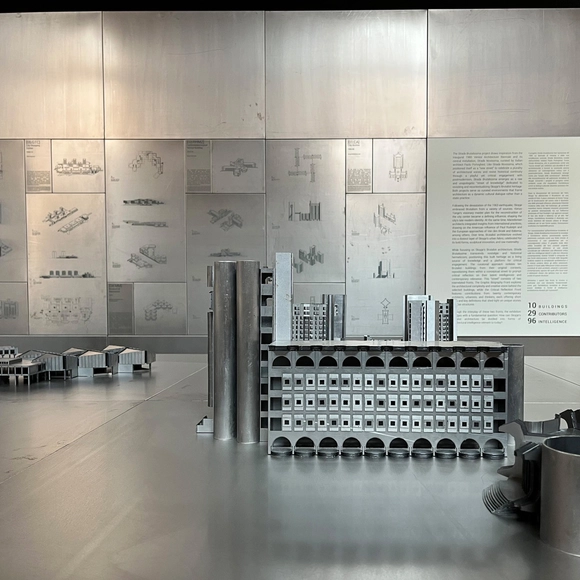
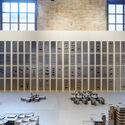
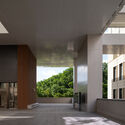
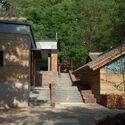
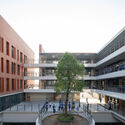
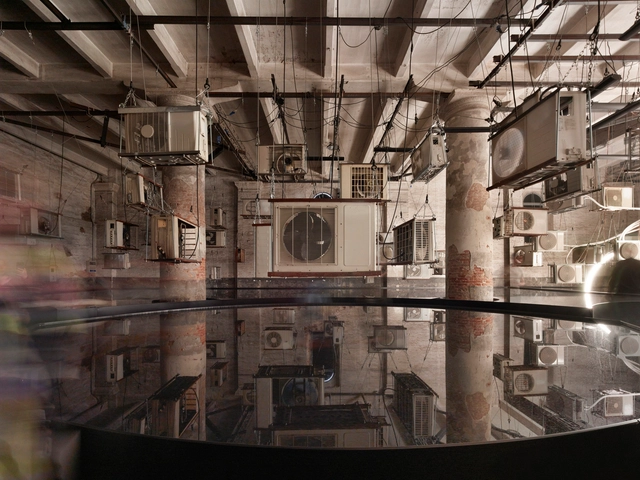
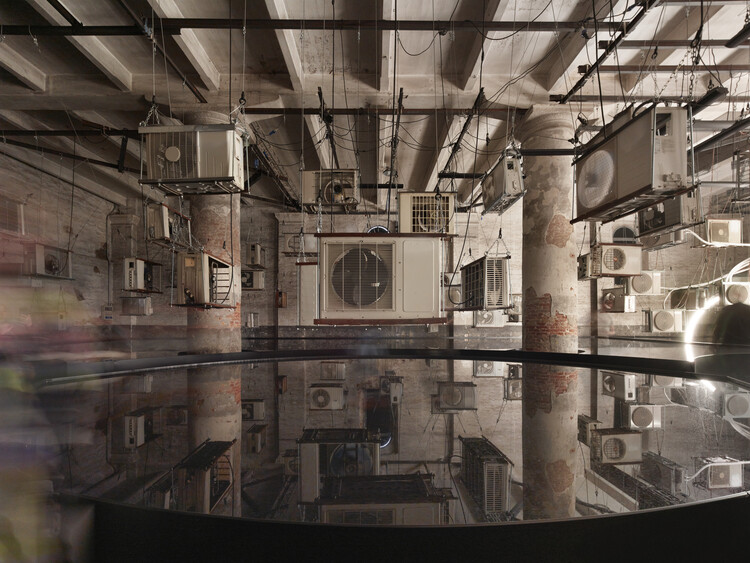
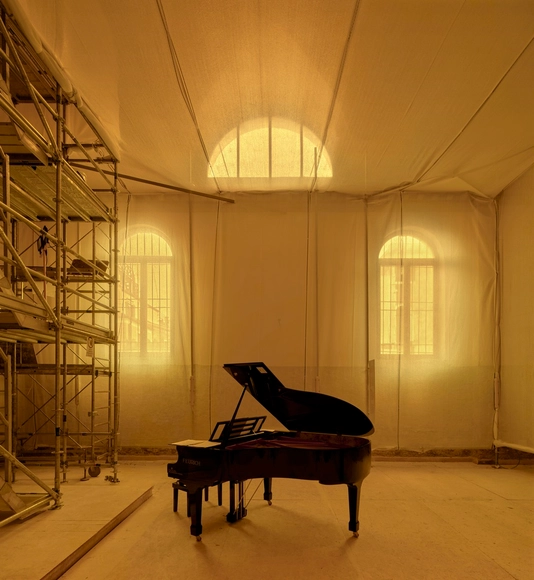
Strada Brutalissima. Pavilion of the Republic of North Macedonia at the 19th Venice Architecture Biennale, 2025. Image Courtesy of Blagoja Bajkovski
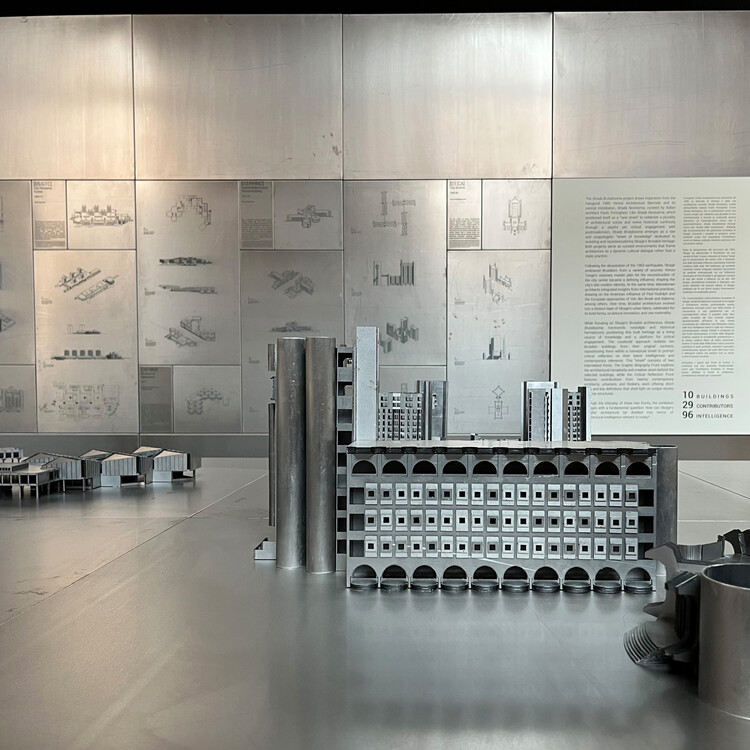
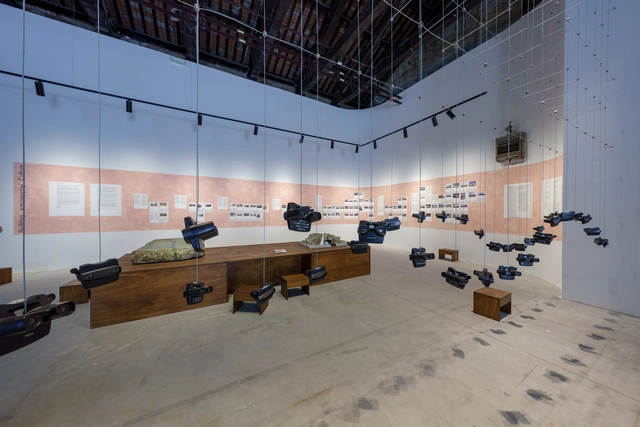
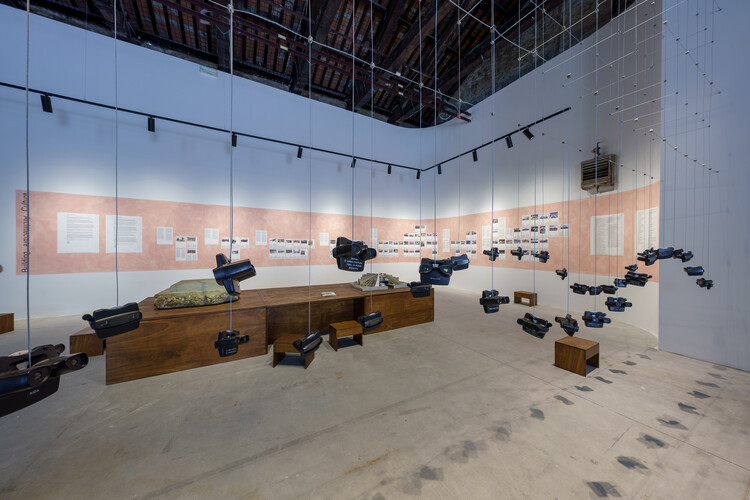
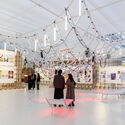
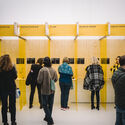
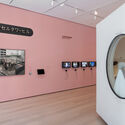
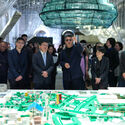
The Republic of North MacedoniaPavilion at the 19th Venice Architecture Biennale is dedicated to the Brutalist architecture of its capital city, Skopje. This architectural movement has given the city a distinctive identity following the earthquake that struck in 1963. According to pavilion curator, architect Blagoja Bajkovski, in the aftermath of the disaster, Skopje embraced Brutalism from a variety of sources. One of the most prominent of these was Kenzo Tange's reconstruction plan, developed after an international competition organized by the United Nations in 1965. The exhibition, titled Strada Brutalissima, recounts this identity, the events that shaped it, and the buildings that continue to represent it through a series of architectural models. Inspired by the 1980 Venice Architecture Biennale's Strada Novissima, the project reinterprets the concept of a curated "street," this time centered on Skopje's Brutalist heritage.
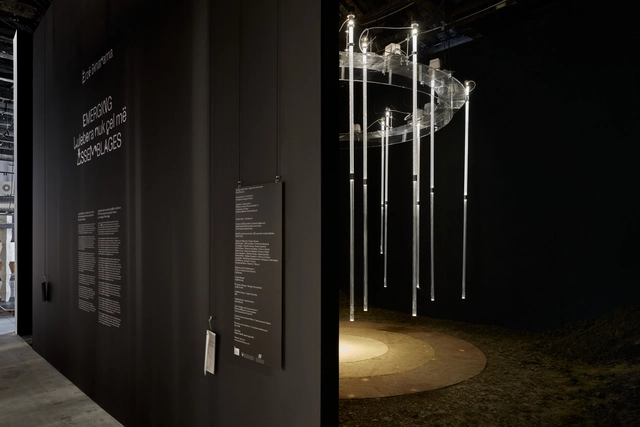
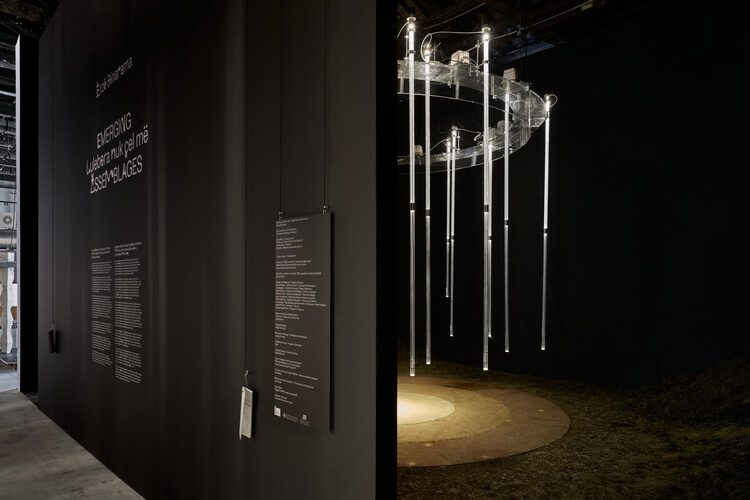
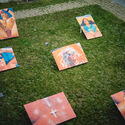
The Republic of Kosovo brings this year to the 19th Venice Architecture Biennale an exhibition titled Lulebora nuk çel më. Emerging Assemblages. The exhibit was commissioned by the National Gallery of Kosovo and curated by the architect, interdisciplinary designer, and researcher Erzë Dinarama. Reflecting on the country's shifting agricultural landscapes in the context of ecological uprooting and embodied knowledge systems under climate pressure, the installation offers a sensorial exploration of Kosovan fieldwork. Combining a range of local soil materials with a hanging olfactory calendar, the Pavilion invites visitors to imagine through touch and smell.
Curated by Anneke Abhelakh, the Albania Pavilion at the 2025 Venice Architecture Biennale, titled "Building Architecture Culture", explores how the country's architecture embodies its political, cultural, and social transformations. Albania's built environment reflects a layered history, from Ottoman and Italian rule to communist isolation and post-socialist transformation, each leaving visible marks on its cities and public spaces. The pavilion examines how architecture both responds to and shapes collective memory, public space, and civic engagement, framing these questions through past, present, and future perspectives.
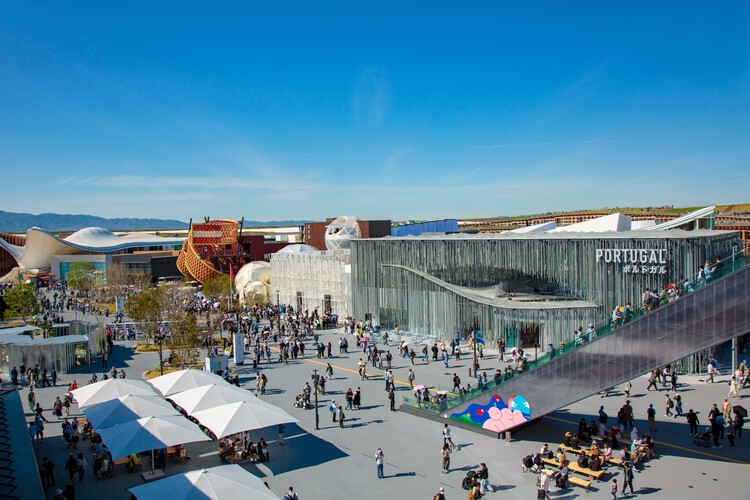
As Expo 2025 Osaka passes the midpoint of its six-month duration on July 13, the international exposition continues to serve as a global platform for architectural experimentation, cultural exchange, and technological innovation. Officially opened on April 13 on the reclaimed island of Yumeshima, the event is organized under the theme "Designing Future Society for Our Lives," and has already welcomed more than 13 million visitors as of late July. Conceived as a space for collaboration across disciplines and borders, the Expo brings together more than 150 national, thematic, and corporate pavilions.
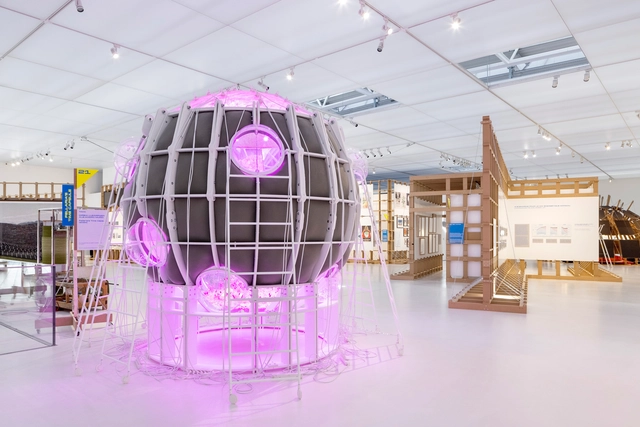
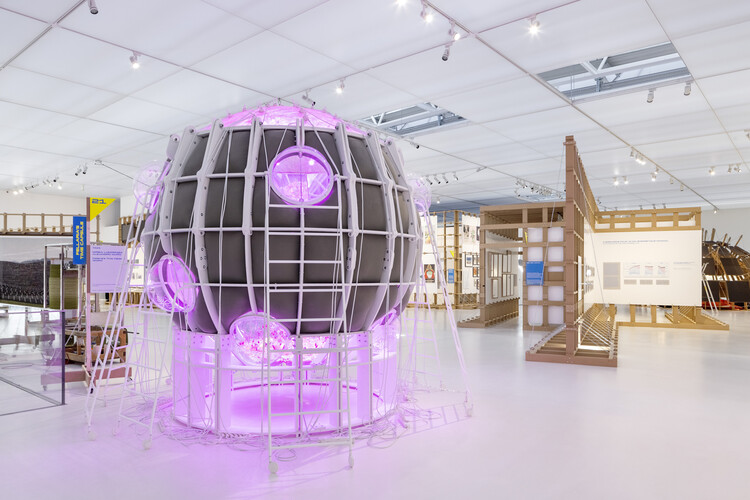
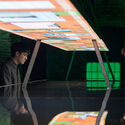
Soleil·s, the second edition of the Solar Biennale, is currently open at mudac, the Museum of Contemporary Design and Applied Arts in Lausanne, Switzerland. Following the first edition hosted at Het Nieuwe Instituut in Rotterdam in 2022, this exhibition explores how design can drive the adoption of solar innovations toward a sun-powered future. The event is initiated by The Solar Movement, founded by designers Marjan van Aubel and Pauline van Dongen, an initiative dedicated to making solar energy the default power source by combining design, technology, and advocacy. This year's exhibition is curated by mudac and offers an immersive experience featuring new and existing projects by TAKK, ecoLogicStudio, Olafur Elíasson, and Andreas Gursky.
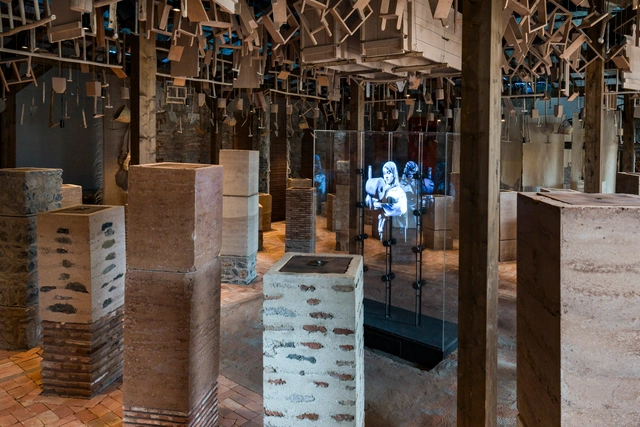
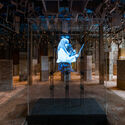
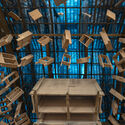
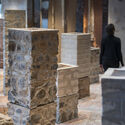
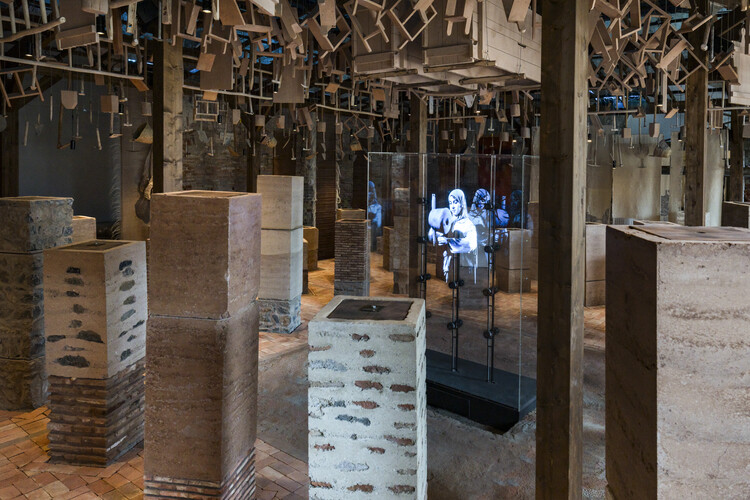
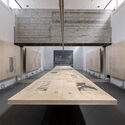
The Kingdom of Morocco's exhibition at the 19th International Architecture Exhibition – La Biennale di Venezia highlights Moroccan earth architecture and traditional construction techniques. The exhibition, titled Materiae Palimpsest, was curated by architects Khalil Morad El Ghilali and El Mehdi Belyasmine. In an exploration that blends ancient techniques with digital technologies, the exhibit features textile works by architect and artist Soumyia Jalal, along with holograms of artisans and tactile installations. The narrative presents earth as a renewable resource and sustainable material, and earth construction as a key to both preserving architectural heritage and addressing contemporary ecological and social challenges. Materiae Palimpsest offers an invitation to rethink architecture's current relationship with building materials, opening the way to locally rooted construction methods.
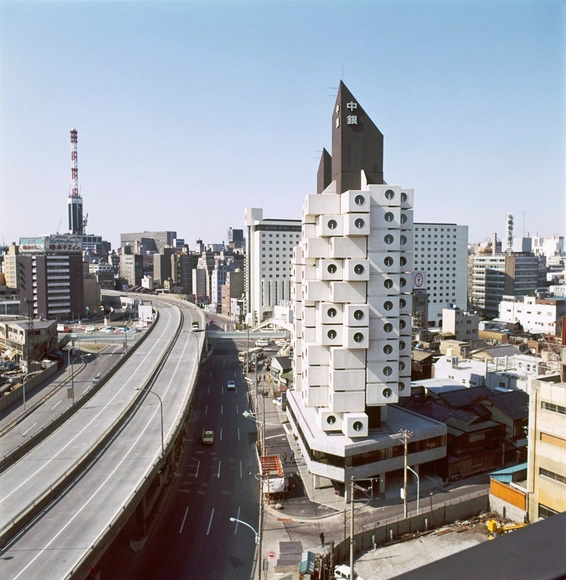
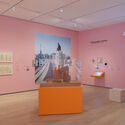
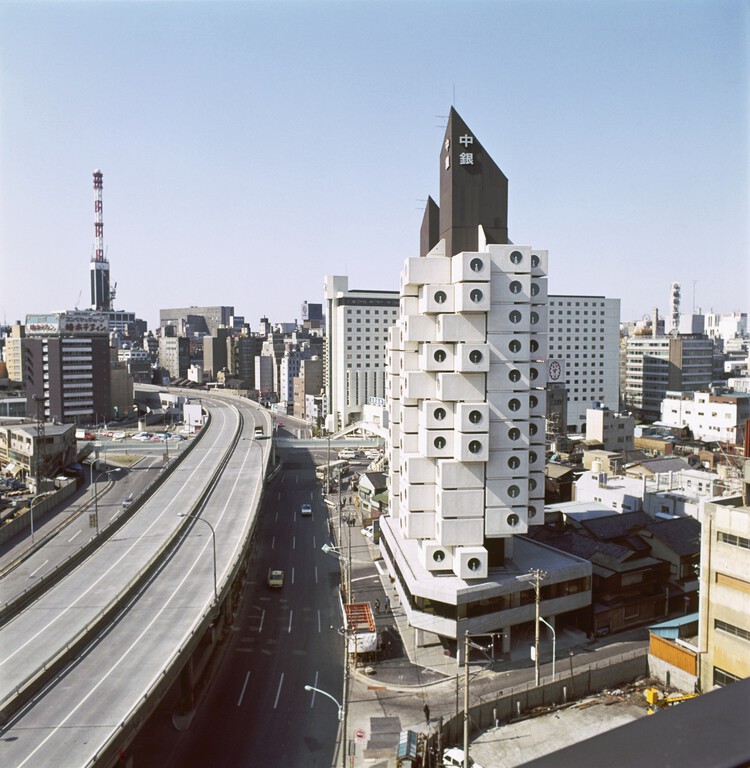
The Museum of Modern Art (MoMA) in New York is hosting an exhibition dedicated to Japanese architect Kisho Kurokawa's Nakagin Capsule Tower from July 10, 2025, through July 12, 2026. Titled The Many Lives of the Nakagin Capsule Tower, the exhibition offers a retrospective on the building's 50-year lifespan. Constructed in Tokyo's Ginza district in 1972 and dismantled in 2022, the tower is presented through contextual materials, original drawings, archival recordings, and a fully restored capsule. The exhibition invites reflection on how cities address aging buildings and the rapid transformation of urban areas. The diverse materials documenting the tower's continuous evolution over five decades encourage viewers to consider how architecture might endure by taking on new roles and functions beyond its original purpose.
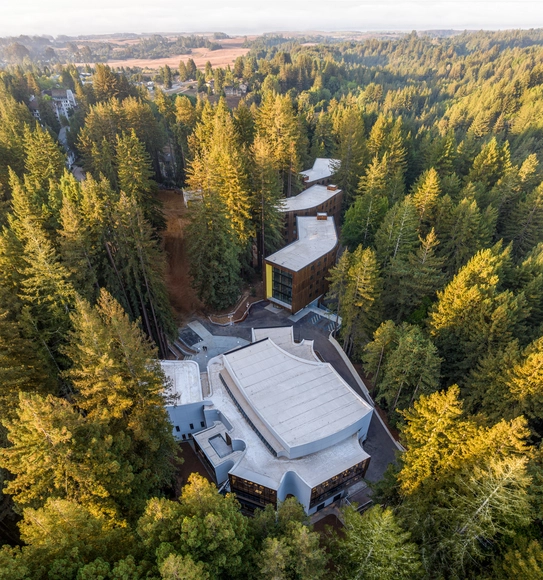
Studio Gang is an architecture and urban design practice founded in 1997 by Jeanne Gang and based in Chicago, with additional offices in New York, San Francisco, and Paris. Comprised of over 100 professionals, including architects, designers, and planners, the studio is known for its research-driven approach to design. On Friday, July 11, the Aedes Architecture Forum in Berlin will inaugurate an exhibition on Studio Gang's work, organized in collaboration with AW Architektur & Wohnen magazine. Titled Studio Gang: The Art of Architectural Grafting, the exhibition explores the studio's design methodology through six recent projects.
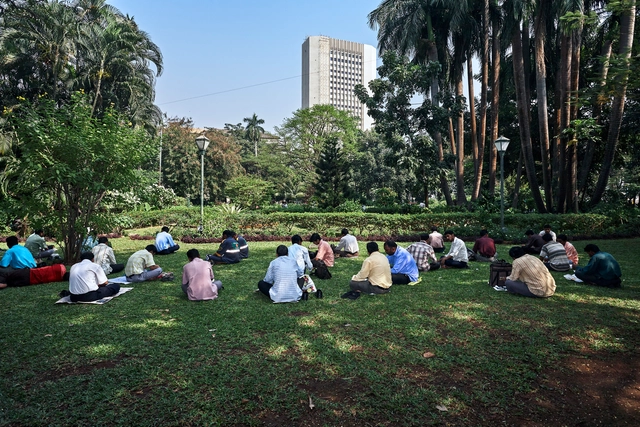
The Sharjah Architecture Triennial has announced the theme for its upcoming edition: Architecture Otherwise: Building Civic Infrastructure for Collective Futures. Scheduled for November 2026, the event will unfold across the city and the Emirate of Sharjah, UAE, through site-specific installations, exhibitions, performances, workshops, and public programs. Positioned as a platform for architectural and urban exploration across West Asia, South Asia, and the African continent, the Triennial will combine practical and theoretical approaches to contemporary urban life. Conceived by its curators, Vyjayanthi Rao and Tau Tavengwa, SAT03 aims to explore how architecture can shape collective life in regions undergoing rapid urban transformation. Consequently, selected participants will take part in month-long residencies, embedding their work within the social and cultural fabric of Sharjah.
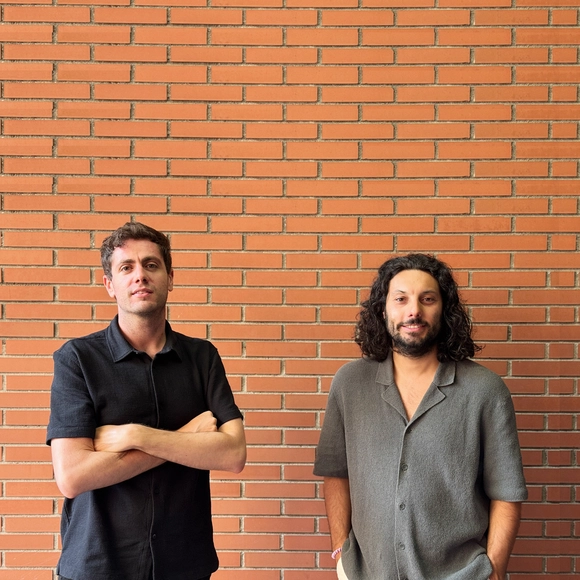
Miguel Ramón López y Ander Bados Sesma, comisarios de la XVII Bienal Española de Arquitectura y Urbanismo. Image Courtesy of XVII Bienal Española de Arquitectura y Urbanismo
The seventeenth edition of the Spanish Biennial of Architecture and Urbanism (BEAU) will take place in December 2025. The event consists of an exhibition hosted in a former thermal power station repurposed as a cultural center in Ponferrada, in northeastern Spain. This edition will be curated by architects Ander Bados Sesma, from Atelier Ander Bados, and Miguel Ramón López, a Ponferrada native and architect at Estudio Lamela, under the curatorial proposal titled flujos comun.es ("common flows"). Their curatorial proposal responds to the theme of the open call: Architecture as a Policy for Change, an invitation to reflect on the role of the discipline in processes of social, economic, and environmental transformation. Within this framework, flujos comun.es presents a critical perspective on the challenges associated with hyperconnectivity. The call for proposals and project submissions is currently open, and will be until the end of July, depending on the category.
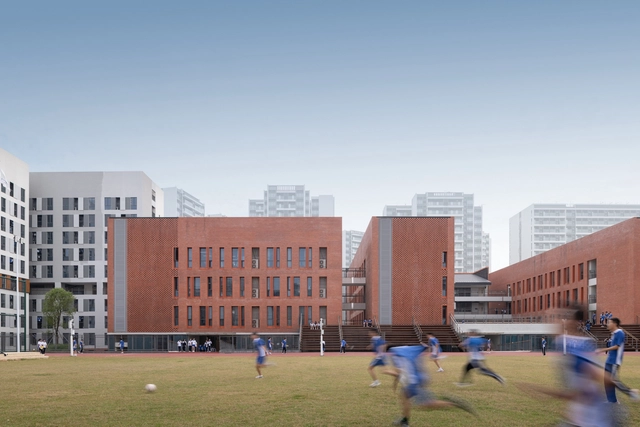
Situated in one of the fastest-developing regions over the past decade—the southern part of China, including Hong Kong and the Greater Bay Area—urban growth has been driven by an overwhelming wave of commercial ambition. Projects here are often designed for maximum density, height, and efficiency, resulting in developments of enormous scale that can easily span several acres. Prioritizing transit-oriented development, these complexes frequently take the form of sprawling malls built directly above major transportation hubs. Designed to disorient and prolong foot traffic to encourage economic activities, these mega-structures have become commonplace in cities like Hong Kong and Shenzhen.
While this typology of megastructures offers clear advantages—economic efficiency, high development returns, and convenience for transit users—it almost invariably ignores its urban context and environment. These developments often turn a blind eye, deliberately so, to their environmental footprint and the city's walkability. At such overwhelming scales, the human walking experience is diminished, if not outright neglected. Pedestrians become interiorized—trapped within the insulated world of these complexes.
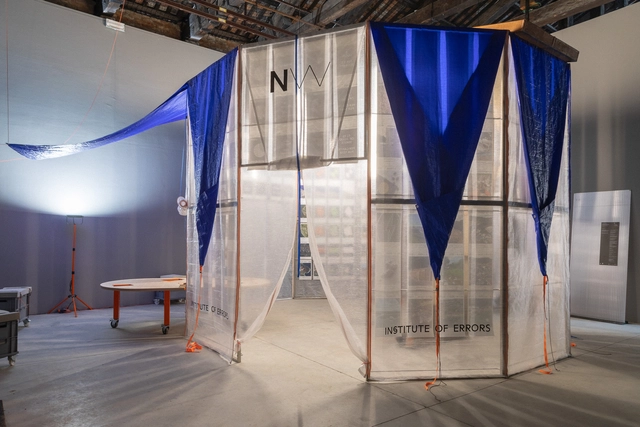
The Croatian Pavilion presents "Intelligence of Errors" at the 19th International Architecture Exhibition – La Biennale di Venezia, an artistic and research-driven project that repositions spatial and policy-related errors as generative tools for design. Commissioned by the Ministry of Culture and Media of the Republic of Croatia, the exhibition is curated by Ida Križaj Leko, a practicing architect and head of the interdisciplinary university specialist program Urban Studies at the University of Rijeka. In dialogue with the central Biennale theme,Intelligens. Natural. Artificial. Collective., the pavilion investigates how recognizing and analyzing errors can contribute to the development of collective intelligence under non-ideal conditions.
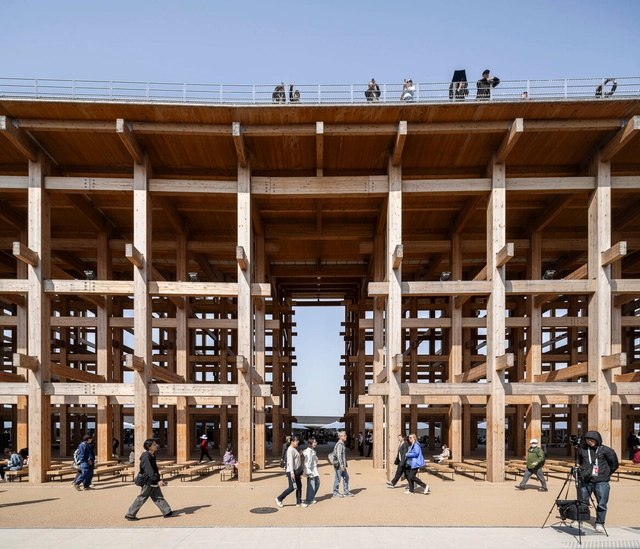
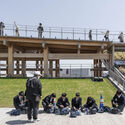
Expo 2025 officially opened its doors on April 13, 2025, on Yumeshima, a reclaimed island in Osaka Bay. Held under the theme "Designing Future Society for Our Lives," the event brings together over 150 countries and international organizations to address pressing global challenges through architecture, technology, and design. At the center of the Expo grounds stands the Grand Ring, a monumental circular structure designed by Japanese architect Sou Fujimoto. Spanning approximately 2 kilometers in circumference and rising to 20 meters in height, the timber structure encircles the main exhibition area and was recognised by Guinness World Records as "The largest wooden architectural structure".
Titled "The People of the Ring," this photo series by Stéphane Aboudaram documents the Grand Ring at Expo 2025 Osaka from a user's perspective, capturing both the structure and the visitors engaging with it.
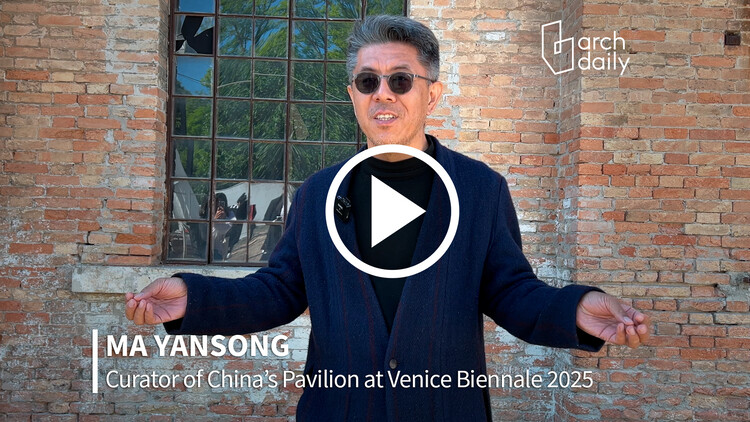
At the 19th Venice Architecture Biennale, the Chinese Pavilion presents Coexist, an exhibition curated by Ma Yansong, founder of MAD Architects. The pavilion assembles ten interdisciplinary teams, spanning architects, scholars, students, scientists, and even social media participants, to collectively investigate the potential of architecture to reconcile contradictions between tradition and futurity, artificial and nature, technology and emotion. Rather than presenting a singular vision, Coexist aims to open space for responses to the diverse realities shaping contemporary architecture. While on site in Venice, ArchDaily's editors had the opportunity to discuss the ideas that shaped the Chinese Pavilion with the curator.
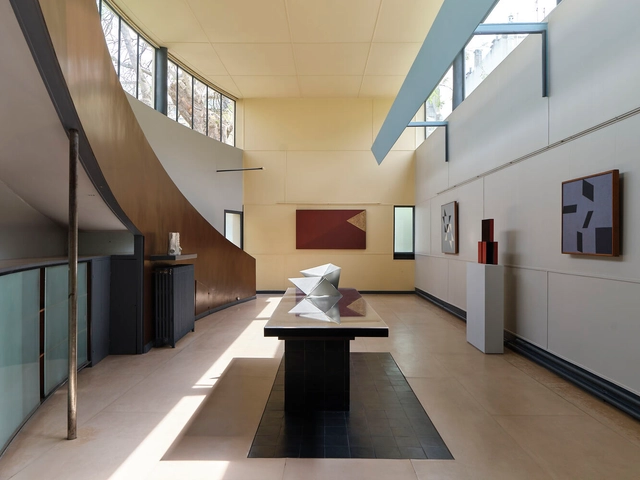
Founded in 2022 by art advisor Filipe Assis, ABERTO is an exhibition platform celebrating the convergence of art, design, and architecture in Brazil and beyond. Staging exhibitions in private and public modernist spaces, its past editions have highlighted the global connections forged by Brazilians from the 20th century onwards. Following three exhibitions in São Paulo, "ABERTO 4 – Brazil After Le Corbusier" marks its first international edition, taking place at Le Corbusier's Maison La Roche in Paris, from 14 May to 8 June 2025. The exhibition presents around 35 design and art pieces by Brazilian artists, spotlighting Le Corbusier's seminal connection to Brazilian modernist architecture and exploring his influence on contemporary Brazilian creatives. Previous editions of ABERTO have featured over 100 artists from Brazil and abroad in houses designed by Oscar Niemeyer (2022), Vilanova Artigas (2023), and Ruy Ohtake and Chu Ming Silveira (2024).
The 19th edition of the Venice Architecture Biennale officially opened to the public on May 10, becoming a significant international platform for exploring the current state of global architecture and sparking conversations about the challenges the discipline faces today—both shared and specific to each territory. This year’s theme, "Intelligens. Natural. Artificial. Collective," proposed by general curator and Italian architect Carlo Ratti, invites reflection on architecture’s interconnection with other fields—such as art, artificial intelligence, and technology—while also emphasizing the importance of territories, landscapes, and, above all, the people who collectively shape our built environment.
At the 19th International Architecture Exhibition, La Biennale di Venezia, the Dicastery for Culture and Education presents "Opera Aperta", a project that positions architecture as a practice of collective care and responsibility. Curated by Marina Otero Verzier and Giovanna Zabotti, Opera Aperta is set within the Santa Maria Ausiliatrice Complex in Venice's Castello district. Designed by Tatiana Bilbao ESTUDIO and MAIO Architects, the project transforms the 500-square-meter site into a space for collaborative restoration and public engagement. Conceived as a work in progress rather than a finished installation, Opera Aperta functions as a platform for ongoing exchange, participation, and engagement rooted in the local context. This open and process-oriented approach was recognized during the opening events, where the Holy See Pavilion received the Golden Lion's Special Mention for National Participation.