Evolution of the House Plan in Europe: from the Industrial Revolution to the Interwar Period

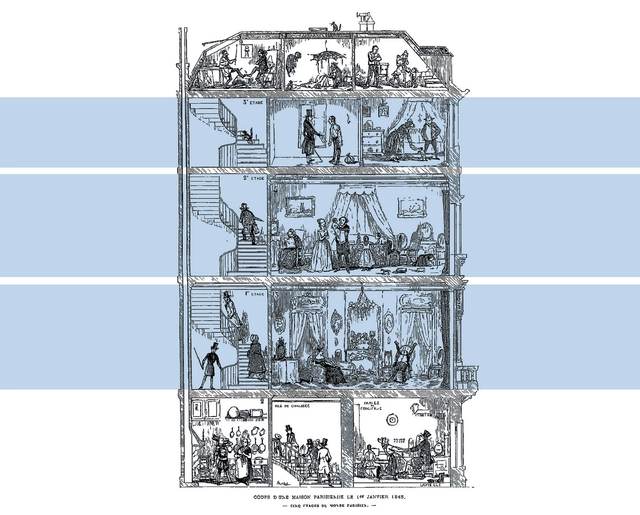
The introduction of new techniques and materials, along with innovations in indoor plumbing systems, resulting from the industrial revolution, paved the way for vertical living. Investigating specifically a period of time where a flux of population was driven to cities, and social class divisions were being questioned, this article looks back at the evolution of the house plan in Europe between 1760 and 1939.

Modern, Low-Budget and Easy to Build Living Spaces: the Case Study House Program

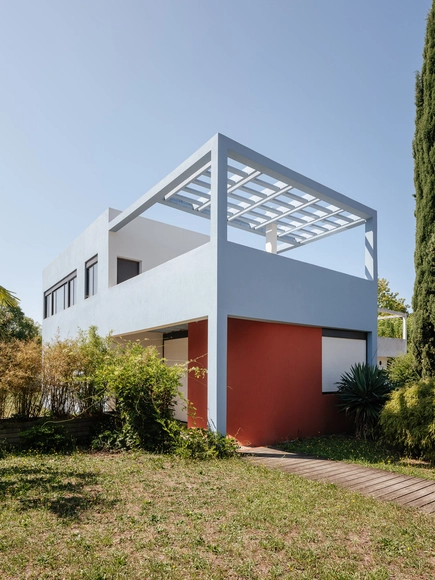
Between 1945 and 1966, the Case Study Houses program, following the Weißenhof-siedlung exposition, commissioned a study of economic, easy-to-build houses. The study included the creation of 36 prototypes that were to be built leading up to post-war residential development. The initiative by John Entenza, editor of Arts & Architecture magazine, brought a team to Los Angeles that featured some of the biggest names in architecture at the time, including Richard Neutra, Charles & Ray Eames, Pierre Koenig, and Eero Saarinen, among others.

Lacaton & Vassal’s Transformation of 530 Dwellings Through the Lens of Laurian Ghinitoiu

Renowned photographer Laurian Ghinitoiu has shared with ArchDaily a series of photos of one of the most influential projects of recent Pritzker Laureates, Anne Lacaton, and Jean-Philippe Vassal. The Transformation of the 530 dwellings in Bordeaux, 3 modernist residential buildings, reflect Lacaton & Vassal's sensitivity towards understanding existing structures. It also highlights how with minimal interventions, radical changes can be made to the habitability and usability of a modernist building -knowing that in Europe, the majority of these structures have ended up being demolished-. This approach was enough to select this transformation as the winner of the EU Mies 2019 Award, for the best contemporary architecture in Europe.

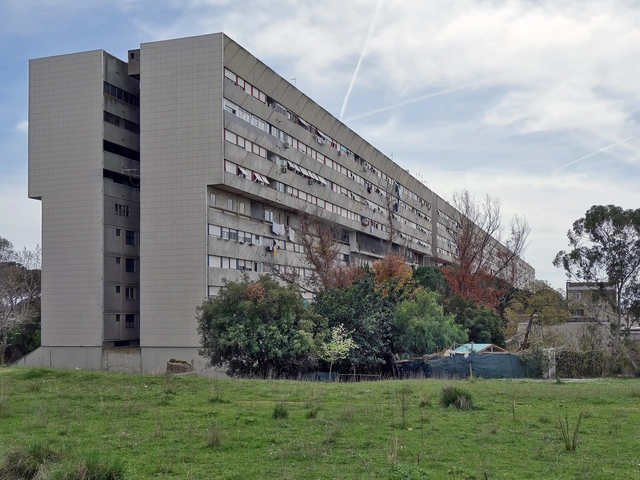
Corviale, a One-Kilometer Residential Complex in Rome

The Corviale housing complex, located in the south-western periphery of Rome, was designed in the 1970s as a solution to the growing number of dormitory districts in the Roman suburbs, caused by the significant population increase between the 1950s and 1970s - when the population grew from approximately 1.6 million to 2.7 million inhabitants - followed by suburban sprawl.

How to Design Smart Homes? 8 Tips for Incorporating Domotics Into Architecture

Home automation has long been associated with high costs, a burdening assembly time, and a cumbersome process that impelled us to discard the idea of automating projects. However, these days are long gone. 

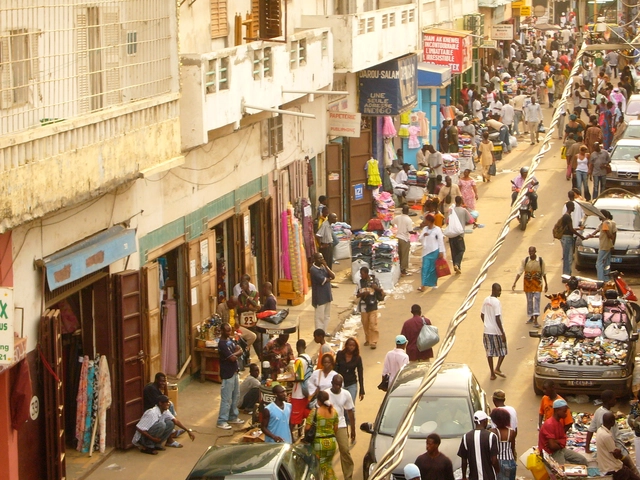
Living in Dakar, A Study of Senegalese Housing & Future Development

Launched by the Goethe Institut, Habiter Dakar (Living in Dakar) is a virtual exhibition tackling Housing in the Senegalese capital. The study was led by Nzinga Mboup and Caroline Geffriaud, both Architects based in Dakar. They noticed that the current housing offer in the city was particularly far off the needs of its inhabitants, whether on the cultural, societal or environmental level.

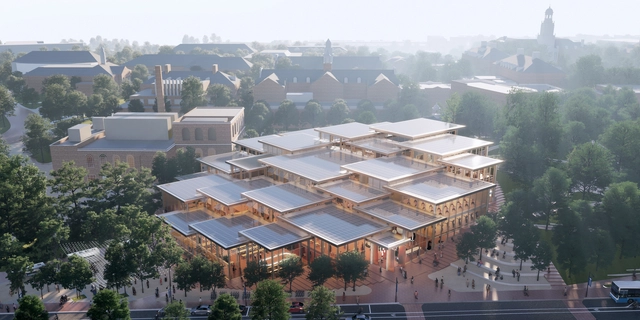
BIG Selected to Design a Socially Engaging Hub for the Johns Hopkins University

Johns Hopkins University has selected BIG to design its new Student Center, regenerating the heart of its campus and reviving the social experience, from a shortlisted list of 4 offices, after a months-long international competition. Entitled “The Village”, the proposal is an “open, modern, and welcoming facility envisioned as a social engagement hub for all members of the Hopkins community”.

Curl la Tourelle Head Designs 100% Social Housing Scheme in the London Borough of Brent

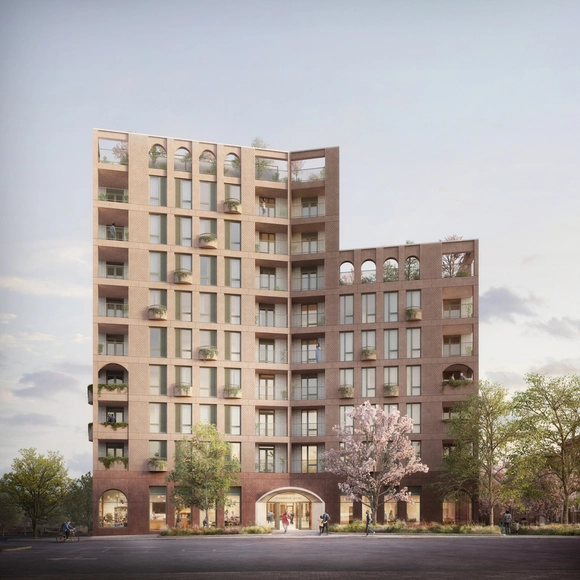
Curl la Tourelle Head Architecture received the green light to move forward with its latest “socially focused mixed-use scheme” that includes council homes, an adult education center, and affordable workspaces. Entitled Morland Gardens, the new project located in the London Borough of Brent, one of the district’s most deprived areas, is scheduled to start in the fall of 2020.

Social Housing and Settlements: Potential Promoters of Community Living

When considering “How Will We Live Together”, it is important to note the projective and future tense of the phrase. The idea not only encompasses ways we already share our built environment but targets the anticipated issues that are to be tackled to facilitate communal and mutually beneficial ways of living.

Examples of Patterns and Generative Codes on Socially-Organized Housing in Latin America

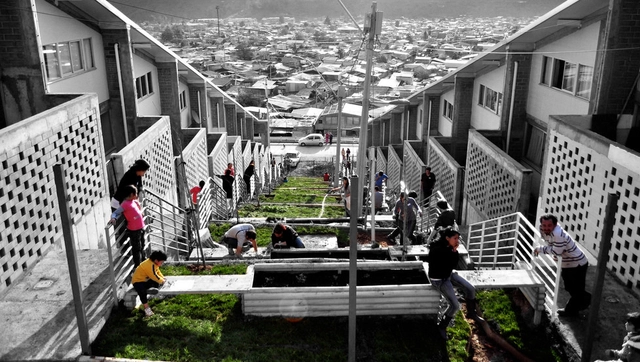
The series of articles developed by Nikos A. Salingaros, David Brain, Andrés M. Duany, Michael W. Mehaffy and Ernesto Philibert-Petit researches the peculiarities of social housing in Latin America. This time, examples of strategies and planning in their construction are reviewed, such as the importance of collaborative social processes and the specific sequences of stages.

Le Corbusier's Cité Frugès: Lessons from a Modern Social Housing Neighborhood

In the 1920s, work was completed on the Cité Frugès housing complex in Pessac, France. The project, meant to house Pessac's industrial workers, would be one of seventeen Le Corbusier works on UNESCO's list of World Heritage Sites.

Vincent Hecht Captures SANAA's Completed Maréchal Fayolle Housing Complex in Paris

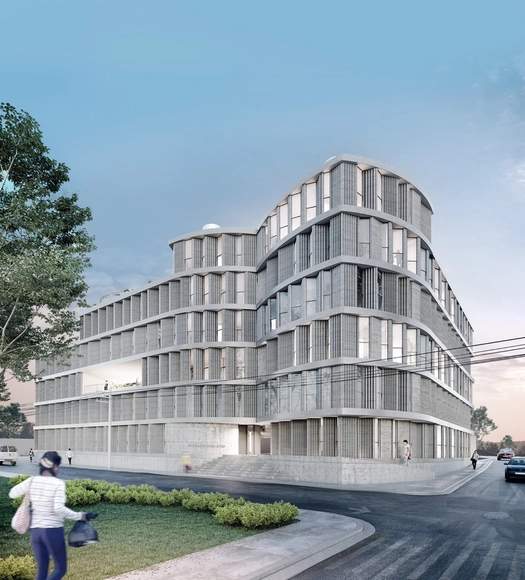
SANAA’s recently completed social housing complex in Paris was captured by the Architecture and Photography studio of Vincent Hecht. Part of Paris habitat, France’s largest public utility social housing company, the project comprises four buildings accommodating more than 100 social housing units in total.

Storage Solution for Small Houses: Useful Examples

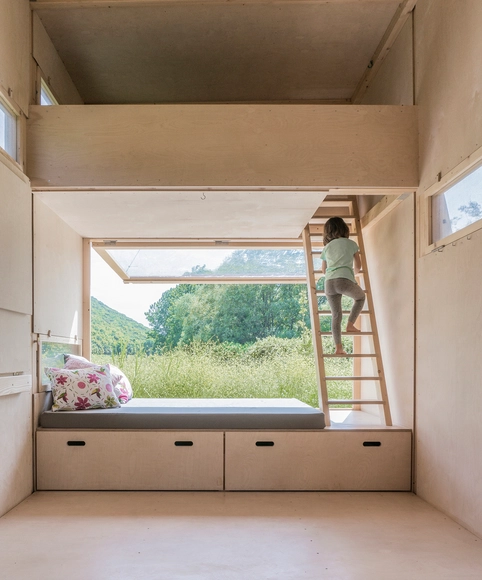
Dense cities mean small homes. With more and more frequency we are forced to adapt to spaces within which some elements simply do not fit. As architects, these restrictions actually provide us with opportunities and remind us that our goal is to give precise solutions to specific problems. Designing with infinite number square meters and/or an unlimited budget is practically unheard of.

The Rise and Fall of Danchi, Japan’s Largest Social Housing Experiment

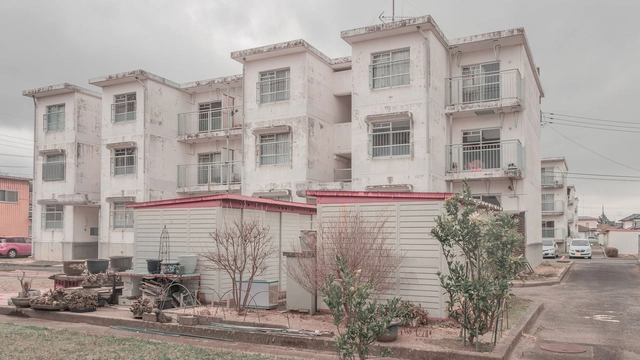
Japanese mass housing from the 1960s is a fascinating cross-cultural experiment that merged Western and Soviet modernist typologies with traditional Japanese elements. Once a symbol of a new “modernized” way of life, it has since become a burden for Japanese society. Current living conditions in these housing estates are unsuitable for elderly residents and have given rise to the phenomena of kodokushi—lonely, unnoticed deaths inside of the apartments. Researcher and photographer Tatiana Knoroz explores the tragic fate of this modernist project in her essay for Strelka Mag.

Socially-Organized Housing: Biophilia, Connectivity, and Spirituality

The series of articles developed by Nikos A. Salingaros, David Brain, Andrés M. Duany, Michael W. Mehaffy and Ernesto Philibert-Petit researches the peculiarities of social housing in Latin America. 

Socially-Organized Housing: the Geometry of Control

Having explored the design that establishes 'emotional ownership' and the antipatrons of social housing, Nikos A. Salingaros, David Brain, Andrés M. Duany, Michael W. Mehaffy and Ernesto Philibert-Petit continue their series of articles on social housing in Latin America. This time, the proposal studies how control influences the urban form and the form of housing.

SO-IL Develop Prototype Social Housing for León, Mexico

SO-IL has released details of their Las Americas social housing project in León, one of Mexico’s fastest-growing cities. Seeking to establish a solution to the nation’s housing crisis, SO-IL collaborated with the Instituto Municipal de Vivienda de León (IMUVI) in the development of the prototype development.

Anti-Patterns of Social Housing in Latin America

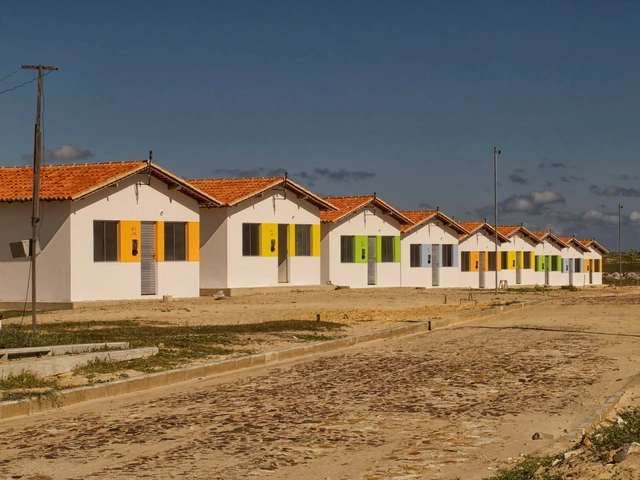
Continuing the series of articles developed by Nikos A. Salingaros, David Brain, Andres M. Duany, Michael W. Mehaffy, and Ernesto Philibert-Petit, in this article we'll be exploring how observations on social housing in Latin American have been approached from an outdated and antagonistic point of view. Notions and errors committed in previous studies  - in some cases simply by inertia - are discussed in the Latin American context, and propose adaptable solutions focused on the long-term, urban roots of residents.