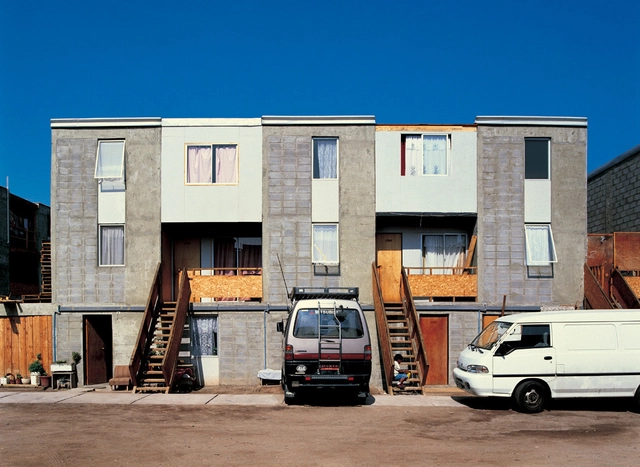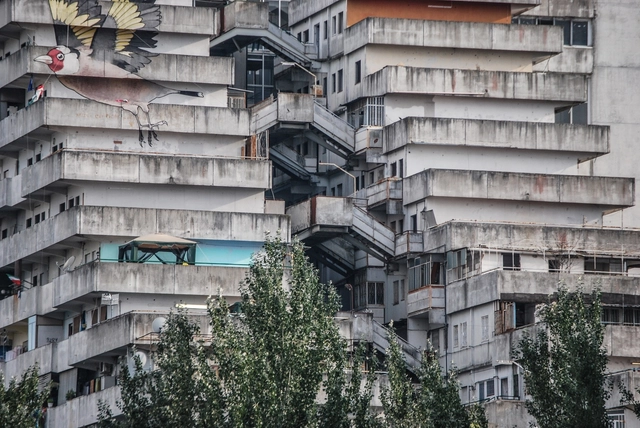
Cabrini-Green and Vele di Scampia: When Public Housing Projects Don’t Work Out

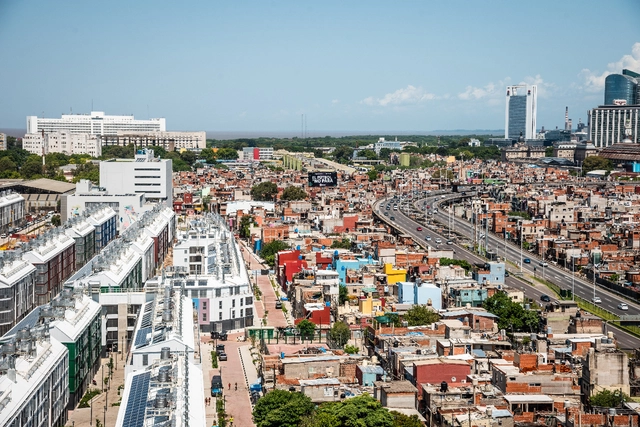
The COVID-19 pandemic has seen inequalities laid bare, especially when it pertains to the unequal allotment of architectural resources to people. The start of the pandemic saw Europeans who could afford it, for example, leaving the urban metropolises they lived in and going away to their second homes in the countryside. We’ve also seen how poorer people in places like New York, for example, do not have adequate access to green spaces – a critical part of human well-being. Within this conversation is also the issue of social housing - known by multiple names around the world - and how the social housing that gets designed in the present and in the future should respond to ever-changing global needs.
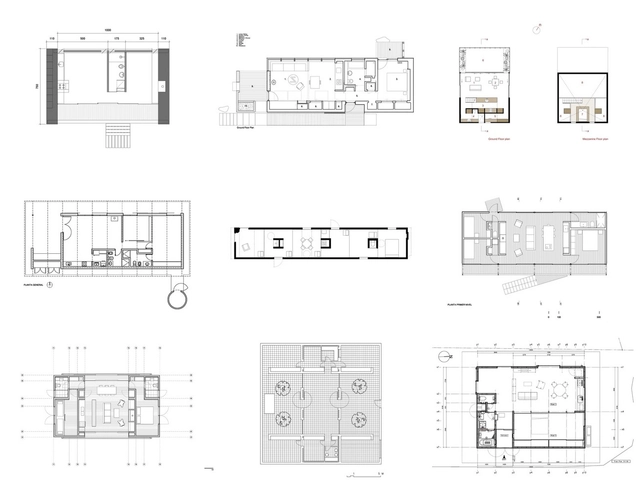
House Plans Under 100 Square Meters: 30 Useful Examples

The challenge of designing a house with a tight budget and space constraints, together with the essential duty of responding correctly to the requirements of the user, is sometimes one of the most challenging and motivating tasks an architect can face. How can you take advantage of space most effectively? How can you avoid wasted material? How do you anticipate the possible future expansion of the house? And how do you develop a simple design that also delivers value to its inhabitants?

To help you in this process, we scoured our projects archives to select 30 houses that provide interesting architectural solutions despite measuring less than 100 square meters.

Social Housing: 60 Examples in Plan and Section

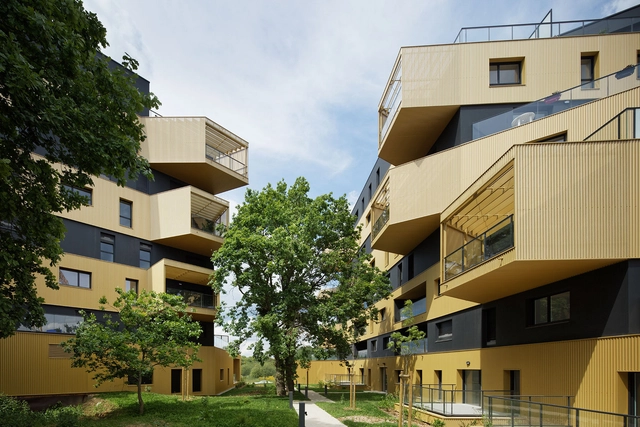
Social Housing is a principal element for a more democratic city. These housing structures provide decent dwellings for all citizens in urban areas and connect them to the rest of the city and its services.

4 Social Housing Developments That Wrap Around Central Courtyards

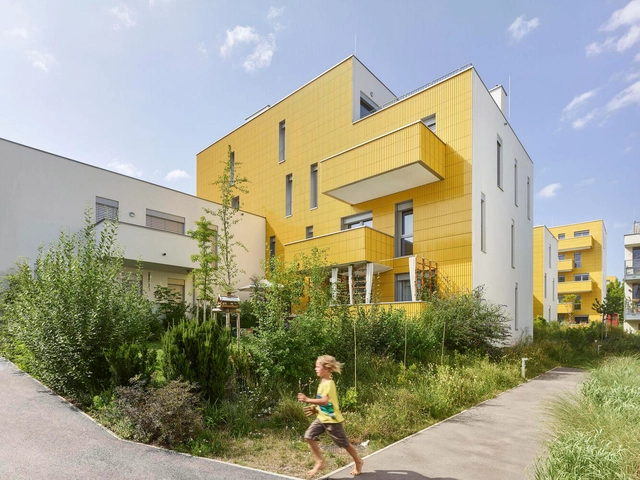
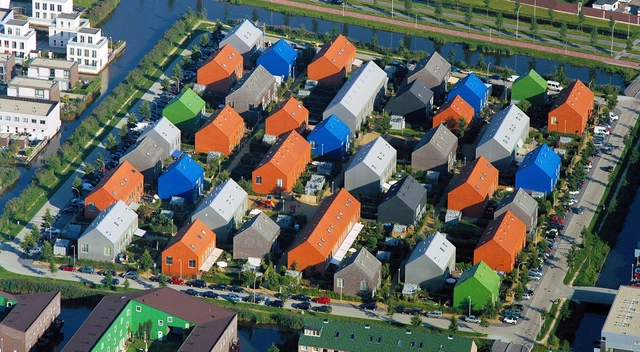
There’s a lot of undeserved stigma surrounding social housing. Although many projects start off well enough with shiny ribbon-cutting photoshoots, the cameras move on and investment tends to dry up, and maintenance cut. A lack of suitable green spaces follows – due to low-maintenance, and eventually results in forgotten, isolated communities, eventually spiraling down the plughole of ghettoisation.

French Architect Renée Gailhoustet Passes Away at the Age of 93

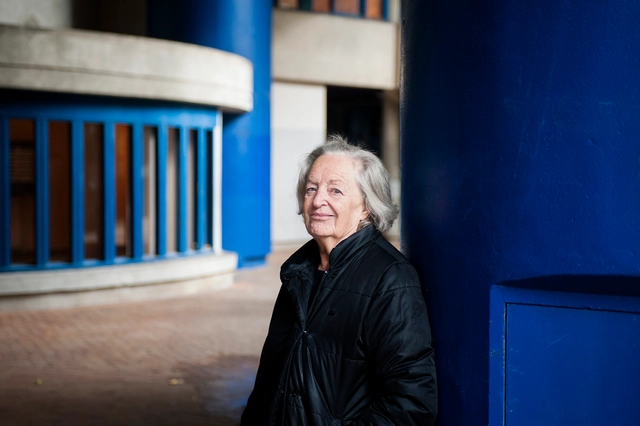
Renée Gailhoustet, French architect, pioneer of social housing, and winner of the 2022 Royal Academy Architecture Prize, has passed away aged 93. As announced by the Royal Academy, she passed away in her home in Le Liégat, Ivry-sur-Seine, one of her best-known projects, which was completed in 1982. Throughout her career, stretching back to the 1960s, Renée Gailhoustet was a strong advocate for social housing, exemplifying through her work a vision of generous housing in harmony with their urban environments.

On Inclusive, Safe, Resilient, and Sustainable Cities: In Conversation with the Winners of the UIA 2030 Award

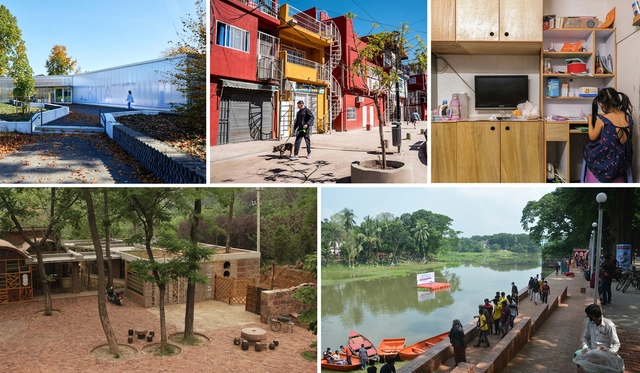
The first edition of the UIA 2030 Award celebrated projects that contribute to the delivery of the UN 2030 Agenda for Sustainable Development. Located in Germany, Hong Kong, Argentina, Bangladesh, and China, the winning interventions were announced during the eleventh session of the World Urban Forum in Katowice, Poland. Organized by the International Union of Architects (UIA), together with the UN-HABITAT, the award program gathered 125 submissions in 40 countries.

Winners of the UIA 2030 Award Announced: Acknowledging Architects' Contributions to the Sustainable Development Goals

Today, at the eleventh session of the World Urban Forum in Katowice, Poland, the International Union of Architects (UIA), together with the UN-HABITAT, have announced the laureates of the UIA 2030 Award. Seeking to acknowledge the contributions of architects to the UN 2030 Agenda for Sustainable Development and New Urban Agenda through built interventions that demonstrate design quality and alignment with the UN Sustainable Development Goals (SDGs), this first edition of a biennial awards program, selected winning projects from Germany, Hong Kong, Argentina, Bangladesh, and China, from 125 submitted projects in 40 countries.

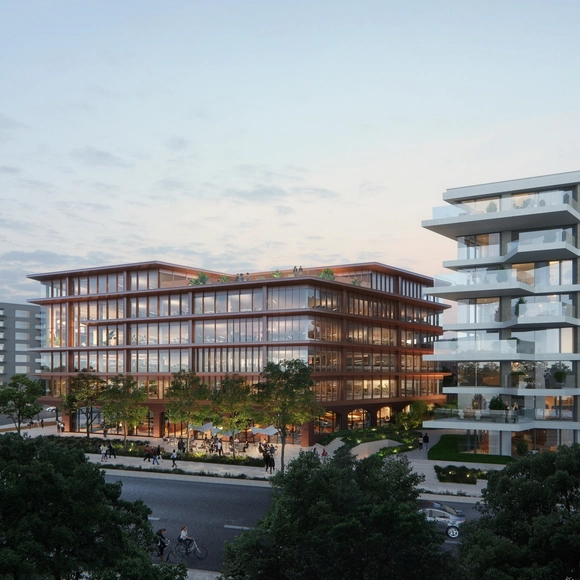
Powerhouse Company Designs Waterfront Working and Living Complex in Amsterdam

Powerhouse Company has revealed a new design for THIS., a new mixed-use development in Amsterdam’s North District. Overlooking the waterfront of the IJ river, the complex offers the necessary amenities for both working and living in an area close to the city center. The ensemble includes a new office building, two waterfront private sector residential buildings, and two social housing blocks containing a total of 2017 homes. A Hidden Garden, designed by Delva Landscape Architecture and Urbanism, connects the residential and office buildings, creating a space for leisure and social activities.

The Commons: Dissecting Open-Source Design

In New Mexico, irrigation channels that have been in continuous operation for three centuries replenish and nourish the wetlands of the American Southwest. These channels are known as Acequias – communally managed water systems built on democratic tradition. Members of the community own water rights, who then elect a three-person team to oversee the channels. In Cairo and Barcelona, Tahrir Square and Plaza de Catalunya have acted as important sites for voicing political dissatisfaction. The Tahrir Square protests of 2011, for instance, resulted in the eventual toppling of an almost 30-year-old government.

Comparing Social Housing: 30 Projects from Countries Around the World

The security and dignity of a good-quality home is one of the most important and liberating qualities in society. For people experiencing financial or social pressures, many countries offer some form of public or social housing system. While there is no fixed definition for social housing, it often involves the design, construction, and allocation of housing by government authorities, or non-profit organizations.

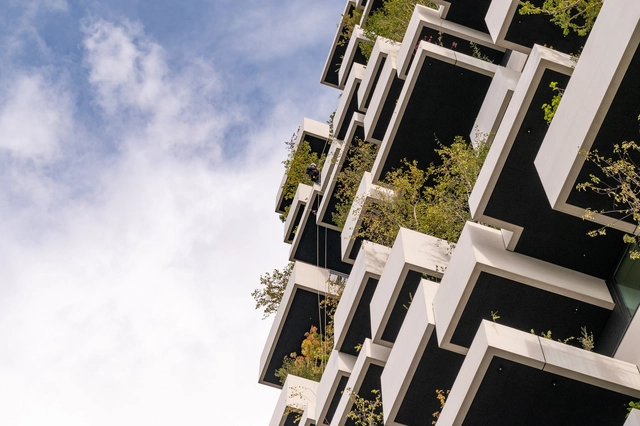
Stefano Boeri Architetti Releases Video Documentary on the First Vertical Forest in Social Housing

Seven years after the inauguration of Bosco Verticale in Milan, Stefano Boeri Architetti presented a video documentary of Trudo Tower, the first Vertical Forest in social housing. The 19-storey residential tower, which is built in Eindhoven, The Netherlands, features hundreds of various species on each of its four facades, with 125 affordable apartments that accommodate low-income residents. The miniseries consists of 3 episodes that explore how "living in contact with trees and greenery - and enjoying their advantages - is not the prerogative of rich people but could well become a possible choice for millions of citizens around the world.”

MAIO Designs 40 Hierarchyless-Spaces, Social Housing Units in Barcelona

MAIO is currently building a five-story building with 40 social housing units in the Sant Feliu de Llobregat district, Barcelona. The project design urban connectivity, social equity, and sustainability. As the winner of a two-phase competition, the building will house hierarchyless, generic, flexible spaces to fit the inhabitants' needs.

“People Have a Strong Demand for a New Proximity to Nature”: In Conversation with Stefano Boeri

“Designing a house for trees”, as he puts it, Stefano Boeri is working across the planet, exporting his approach with trees from Mexico to Shenzhen. Building a whole ecosystem, rather than just a green facade, the architect understands the need to redefine our relationship with nature, especially in cities.

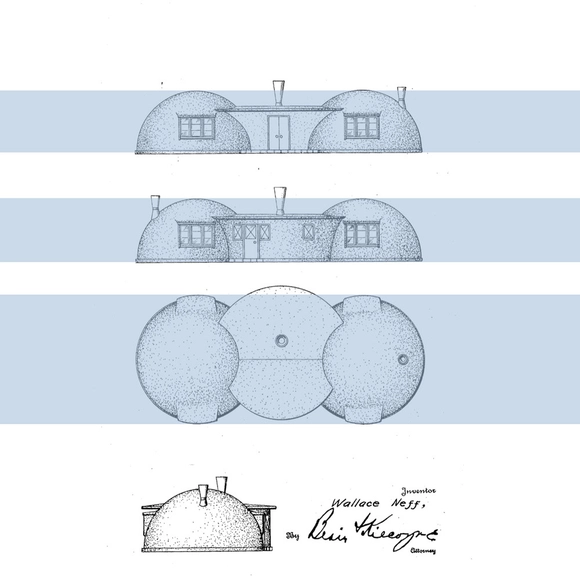
The Evolution of the House Plan in the United States: Post-war Era

Following the Second World War, United States veterans and citizens were seeking a fresh start, a rightful place to live out their modern American dream. With a significant housing shortage looming around and fast-growing families, solutions had to be found to provide equitable living means for all. The development of new construction techniques and propagation of easy building materials promised an age of prosperity.

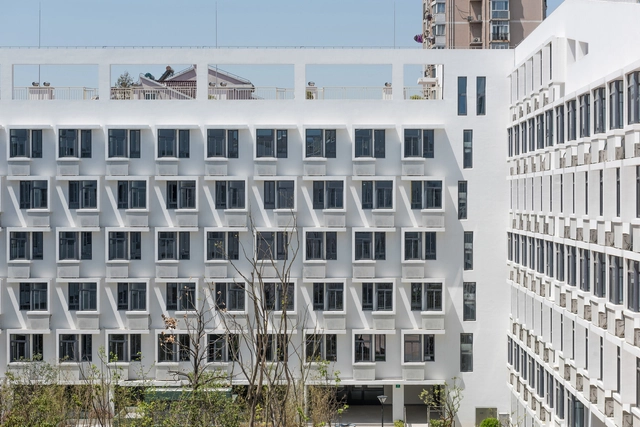
Contemporary Social Housing in China: Playing with the Constraints

Saskia Sassen, the Robert S. Lynd Professor of Sociology at Columbia University, predicts in her co-authored book “The Quito Papers and the New Urban Agendathat, in the future cities will become our crucial battlefield as we continue to fight against gentrification and growing degree of isolation in our communities. Sassen argues that, “Cities should be an inclusive space for both the affluent and the poor. Nevertheless, in reality our cities never achieved equality for all, because our cities were never designed that way. Still cities ought not to be a place that tolerates inequality or injustice”.

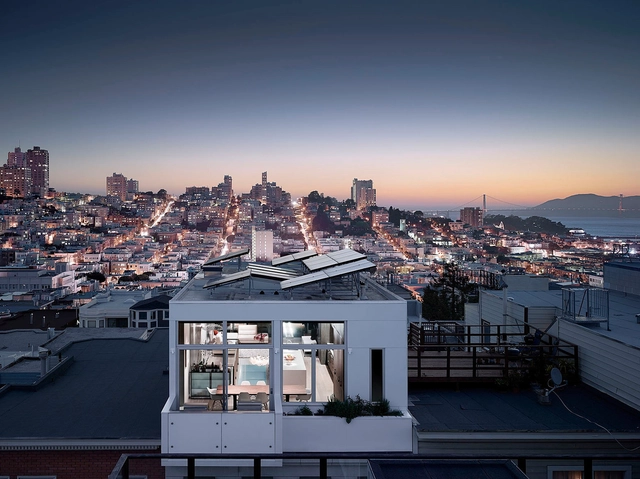
San Francisco: Modern Housing in The Golden City

San Francisco is a city defined by its relationship to housing. Since the 90s it has faced an affordable housing shortage, and now, has some of the highest rents of any major US city. As planners and policy makers work to move beyond the city's past and find new paths forward, architects and designers are testing out diverse housing models. From dense residential towers to multi-unit developments, modern housing aims to strike a balance between economy and urbanity.

What Are The Most Used Materials in Social Housing? 15 Diverse Applications and Construction Styles

Choice of building materials and the inherent continuous reflection about the reach and capabilities of architecture are an interesting alternative way to approach this issue. The materials used in social housing should address local and economic possibilities and the real needs for access to housing in the contemporary context.

We Already Have Viable Models for Quality Affordable Housing

This article was originally published on Common Edge.