1. ArchDaily
  2. AD Q&A

AD Q&A: The Latest Architecture and News

Subscriber Access

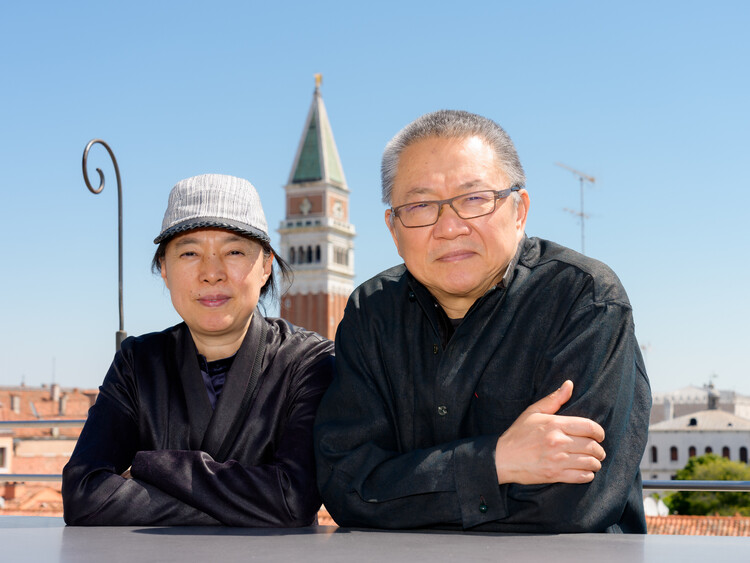
“Architecture Must Return to Its Essence”: Wang Shu and Lu Wenyu on the 2027 Venice Architecture Biennale

Audio available

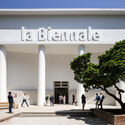
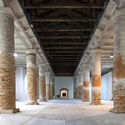
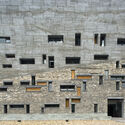
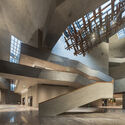
"Architecture must return to its essence." With this statement, Wang Shu and Lu Wenyu establish the central premise of their curatorial vision for the 20th International Architecture Exhibition of La Biennale di Venezia, taking place from May 8 to November 21, 2027, across the Giardini, the Arsenale, and throughout Venice. Titled "Do Architecture – For the Possibility of Coexistence Facing a Real Reality", the exhibition calls for a return to the physical act of making architecture, at a time when, according to the curators, the discipline has become increasingly disconnected from lived reality through excessive abstraction, commercialization, and digitalization.

Rather than focusing on what architecture might become, the curators propose a renewed engagement with the present, questioning what it means to practice architecture today through materials, construction, local knowledge, and direct experience. This approach builds on ideas that have long informed the work of Amateur Architecture Studio, founded by Wang Shu and Lu Wenyu in 1997, particularly their exploration of traditional building techniques, material reuse, and the relationship between architecture and place.The exhibition also places the question of coexistence at its center, exploring how architecture can bring together seemingly opposing conditions, from technology and craftsmanship to urban and rural ways of building, while remaining grounded in the specific realities of each place.
“Architecture Must Return to Its Essence”: Wang Shu and Lu Wenyu on the 2027 Venice Architecture Biennale - Image 1 of 4“Architecture Must Return to Its Essence”: Wang Shu and Lu Wenyu on the 2027 Venice Architecture Biennale - Image 2 of 4“Architecture Must Return to Its Essence”: Wang Shu and Lu Wenyu on the 2027 Venice Architecture Biennale - Image 3 of 4“Architecture Must Return to Its Essence”: Wang Shu and Lu Wenyu on the 2027 Venice Architecture Biennale - Image 4 of 4“Architecture Must Return to Its Essence”: Wang Shu and Lu Wenyu on the 2027 Venice Architecture Biennale - More Images+ 8

A New Lens on Modern Heritage: ArchDaily Partners with World Monuments Fund

Audio available

What makes a building worth preserving? Age is the most common answer, but not always the best one. A building from the 1950s or 70s may carry as much historical significance as a medieval cathedral; it simply demands a different framework, one that weighs political context, cultural meaning, and architectural innovation over the mere passage of time. This is especially true for modernist architecture across the so-called Global South, where the movement took on unique forms of expression.

It is precisely this conversation that ArchDaily and World Monuments Fund are now opening together. WMF brings on-the-ground conservation expertise across the world, and ArchDaily brings the editorial capacity to contextualize that work and connect it to a global audience. The goal is to do both at once: preserve places and tell their stories, shaping how modernist heritage is understood far beyond the field of preservation itself.

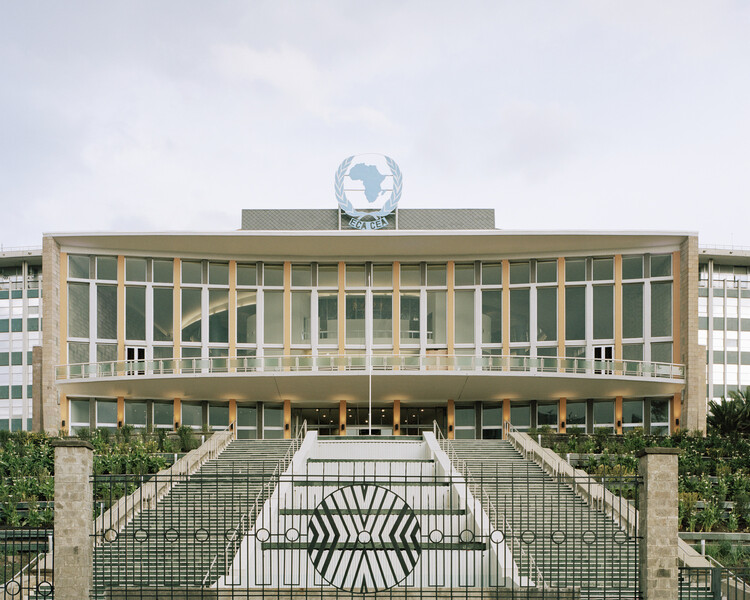
A New Lens on Modern Heritage: ArchDaily Partners with World Monuments Fund - Imagen 1 de 4A New Lens on Modern Heritage: ArchDaily Partners with World Monuments Fund - Imagen 2 de 4A New Lens on Modern Heritage: ArchDaily Partners with World Monuments Fund - Imagen 3 de 4A New Lens on Modern Heritage: ArchDaily Partners with World Monuments Fund - Imagen 4 de 4A New Lens on Modern Heritage: ArchDaily Partners with World Monuments Fund - More Images+ 14

Subscriber Access

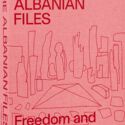
Freedom and Architecture: Anneke Abhelakh on "The Albanian Files"

Audio available

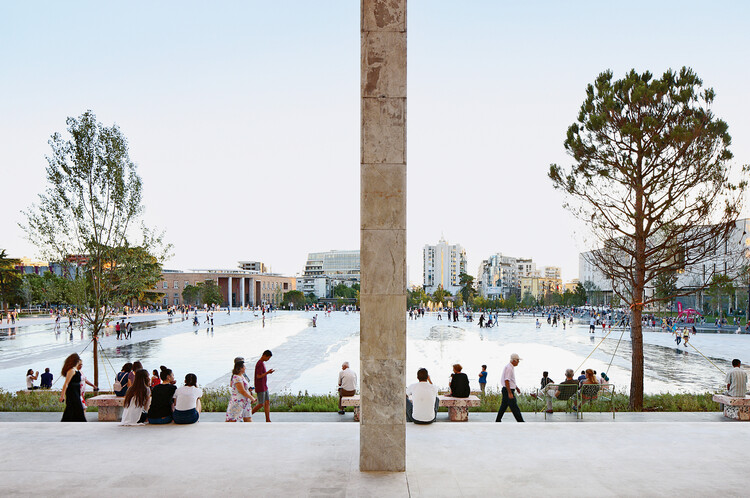
For the past twenty years, Albania has been one of the most active construction territories in Europe. Dozens of international architects have been working there on projects that promise to alter the drawing, the structure, and the cities of a country still recovering from the regimes of the last century. To acknowledge that growth, and those changes in the landscape, is also to acknowledge that behind every form there is a story, and that there are files that tell us more than architecture itself.

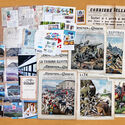
Edited by Anneke Abhelakh and published by Lars Müller Publishers, with a foreword by Prime Minister Edi Rama, The Albanian Files has compiled two decades of work of sixty international architecture offices working in Albania into a dense publication whose format, color, and sheer presence amount to a statement in the reading of the country's recent history. The publication works as an extended document, a cartography of what these processes left behind. Much of what takes shape across its pages describes structures of power, patterns of commissioning, and positions whose consequences have proved controversial. Revealing is a sign of transparency, but it is also a sign that some things should never have been hidden in the first place. Albania, more than ever, with its aspirations to open a territory and its growing wish to engage with the world (through tourism and the prospect of EU membership), needs this clarity.

Freedom and Architecture: Anneke Abhelakh on "The Albanian Files" - Image 1 of 4Freedom and Architecture: Anneke Abhelakh on "The Albanian Files" - Image 2 of 4Freedom and Architecture: Anneke Abhelakh on "The Albanian Files" - Image 3 of 4Freedom and Architecture: Anneke Abhelakh on "The Albanian Files" - Image 4 of 4Freedom and Architecture: Anneke Abhelakh on The Albanian Files - More Images+ 4