José Hevia

BROWSE ALL FROM THIS PHOTOGRAPHER HERE

The Productive Clash: Heritage Interiors, Contemporary Projects, and the Value of Imperfection

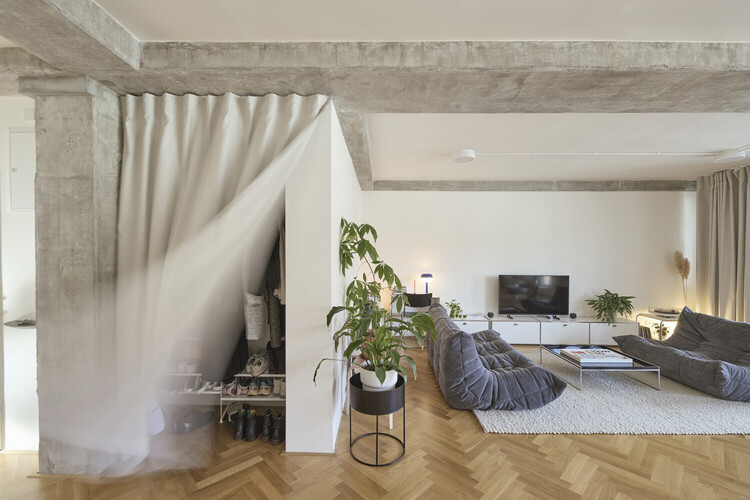
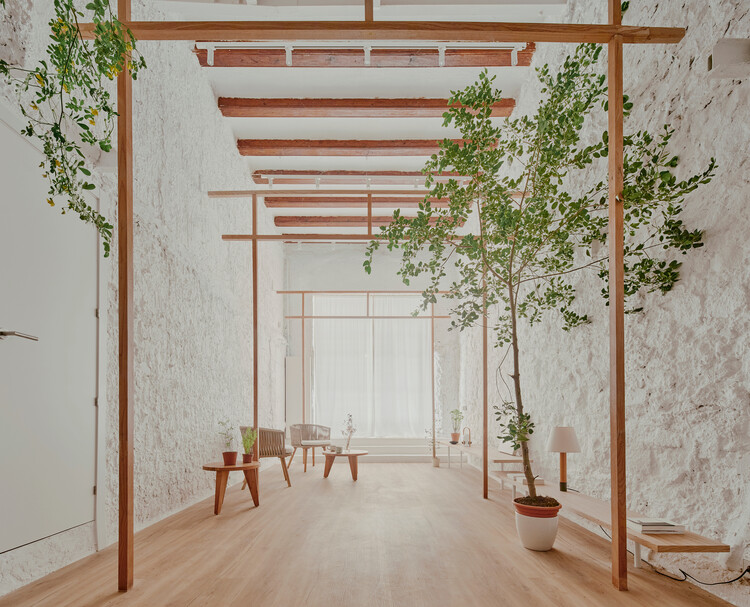
Heritage, in interiors, is increasingly rarer to be only a matter of preservation alone. More often it arrives as friction: the encounter between what a building already is—its plan logic, its scars, its structural inconsistencies—and what contemporary life demands of it.

Some of the most convincing projects today are not those that "restore" an interior back to a single moment, nor those that erase the past under a seamless new skin. They are the ones that stage a relationship between old and new—allowing contrast to do more than tell a story, and letting the clash become a pragmatic tool for construction, budget, and speed.

The Productive Clash: Heritage Interiors, Contemporary Projects, and the Value of Imperfection - More Images+ 28

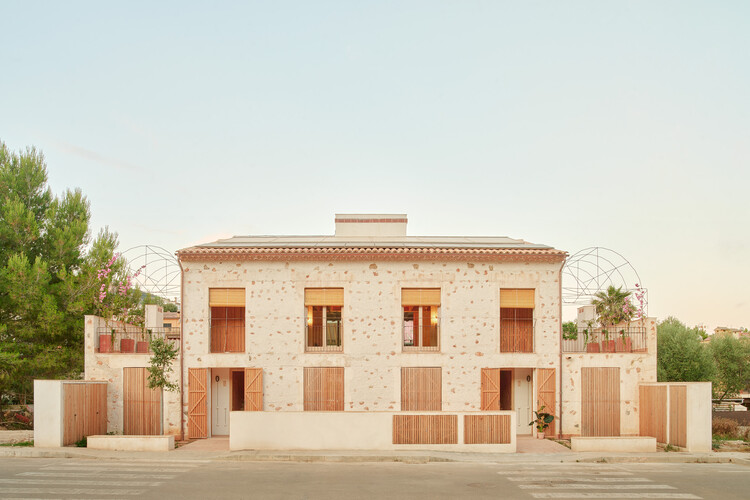
House Sota la Mola / TwoBo arquitectura

House Sota la Mola / TwoBo arquitectura - More Images+ 22

Matadepera, Spain
  • Architects: TwoBo arquitectura
  • Area Area of this architecture project Area:  250
  • Year Completion year of this architecture project Year:  2025
  • Manufacturers Brands with products used in this architecture project
    Manufacturers:  Bivaq, Isist Atelier

UIA 2026 Barcelona Announces Full Program, Detailing Formats, Exhibitions, and City-Wide Itineraries

The UIA World Congress of Architects 2026 Barcelona has released its full program, outlining the structure, participants, and range of activities scheduled to take place from June 28 to July 2, 2026. Expanding on the previously introduced theme, Becoming. Architectures for a Planet in Transition, the Congress is conceived as a distributed event across multiple venues and urban contexts rather than a single-site conference. Organized by the International Union of Architects (UIA) in collaboration with the Higher Council of the Colleges of Architects of Spain (CSCAE) and the Architects' Association of Catalonia (COAC), the event is expected to gather approximately 10,000 participants and 250 speakers from more than 130 countries.

UIA 2026 Barcelona Announces Full Program, Detailing Formats, Exhibitions, and City-Wide Itineraries - More Images+ 18

Ideology of Performance: Sustainability and the Limits of Efficiency

This article is part of our new Opinion section, a format for argument-driven essays on critical questions shaping our field.

The modern sustainability project is built on the promise that evolving technologies can reconcile urban and economic growth with ecological responsibility. By the metrics developed by the built environment professions and the policies adopted by governments, progress is tangible and accelerating: buildings consume less energy per square foot than they did a generation ago, vehicles emit fewer pollutants per mile, and urban infrastructure is more integrated and measurably cleaner in many cities. And yet total resource consumption continues to rise. Sustainability, as currently practiced across the built environment professions, has become a strategy for optimizing consumption rather than reducing it. Until the profession is willing to question the scale and structure of demand rather than the efficiency with which that demand is met, its most celebrated achievements will continue to fall short of the problem they claim to address.

Ideology of Performance: Sustainability and the Limits of Efficiency - More Images+ 23

El Born Loft / Roman Izquierdo Bouldstridge

El Born Loft / Roman Izquierdo Bouldstridge - More Images+ 16

  • Area Area of this architecture project Area:  85
  • Year Completion year of this architecture project Year:  2026
  • Manufacturers Brands with products used in this architecture project
    Manufacturers:  JUNG, Santa & Cole, Finsa, Mapei, Marset, +3

Housing Affordability Crisis: Architectural and Policy Responses from Spain, France, Australia, and the United States

Today's housing crisis is a global phenomenon that can be broadly divided into two major problems: a shortage of residential buildings and barriers to accessing those that already exist. The deficit is real and concrete when it comes to what the UN calls "adequate housing for all." According to UN-Habitat, an estimated 96,000 new housing units would need to be built per day to meet population needs by 2030. Climate change and forced migration are broadening the gap. But 2.8 billion people worldwide, representing nearly 40% of the global population, lack access to stable shelter, secure land, and basic sanitation services not only because of underproduction, but also due to an economic barrier: an affordability crisis. As demand grows and prices rise, housing, now increasingly functioning as a form of social security, becomes a target for rental income and real estate speculation. As adequate housing is a human right, pressure on governments and private entities is increasing worldwide to limit speculation and ensure fair access to existing dwellings. Below, we present four examples of initiatives in Spain, Australia, France, and the United States that aim to urgently expand housing access while limiting speculation.

Housing Affordability Crisis: Architectural and Policy Responses from Spain, France, Australia, and the United States - More Images+ 3

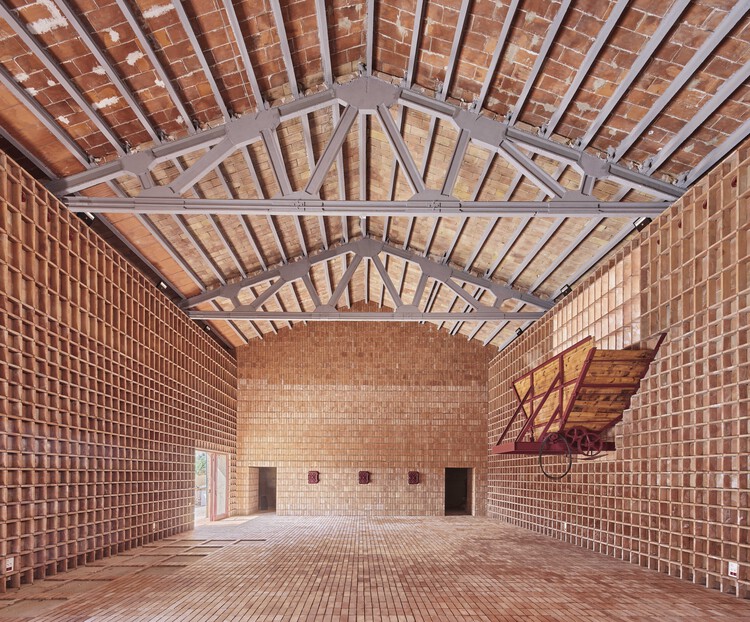
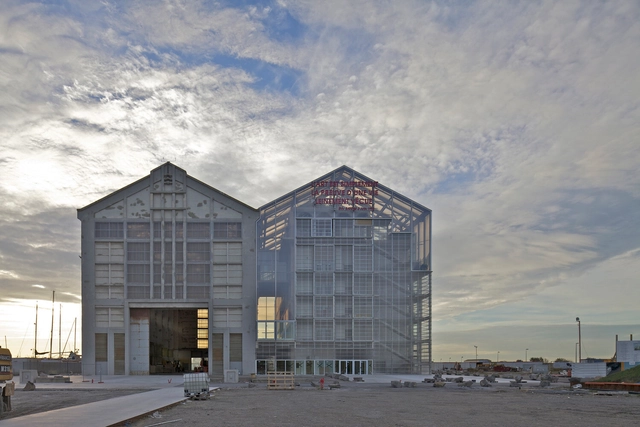
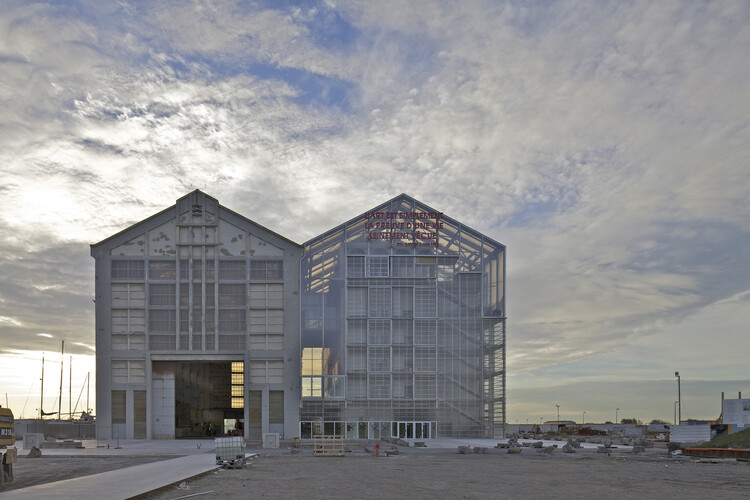
Rehabilitation of the Agricultural Cooperative for a Multipurpose and Cultural Space in Flix / Camps Felip Arquitecturia

Rehabilitation of the Agricultural Cooperative for a Multipurpose and Cultural Space in Flix / Camps Felip Arquitecturia - More Images+ 19

  • Area Area of this architecture project Area:  425
  • Year Completion year of this architecture project Year:  2023
  • Manufacturers Brands with products used in this architecture project
    Manufacturers:  todobarro

The Long Table as a Spatial Protocol: Designing Conditions for Gathering and Pause

A long table can sit almost anywhere and still do the same work. It can stretch beneath a market canopy, run along a school dining hall, or occupy the center of a shared living room, and it immediately changes the room's temperature.

That is why the long table is less an object than a spatial instrument. It does not guarantee a connection, and it rarely looks "inclusive" by default. Instead, it sets conditions: a shared edge, a common rhythm of arrival, a field of mutual visibility, or a rule that turns eating into a scene with others. Food studies describe this practice as commensality, the act of eating together and the social order it can create, reinforce, or contest. But what matters here is not a specific dimension or the table's function, but the way a long surface holds difference, conversation, and silence; intimacy and distance; the decision to join and the right to hesitate.

The Long Table as a Spatial Protocol: Designing Conditions for Gathering and Pause - More Images+ 22

When Eating Becomes Spatial: 14 Projects Built Around Shared Meals

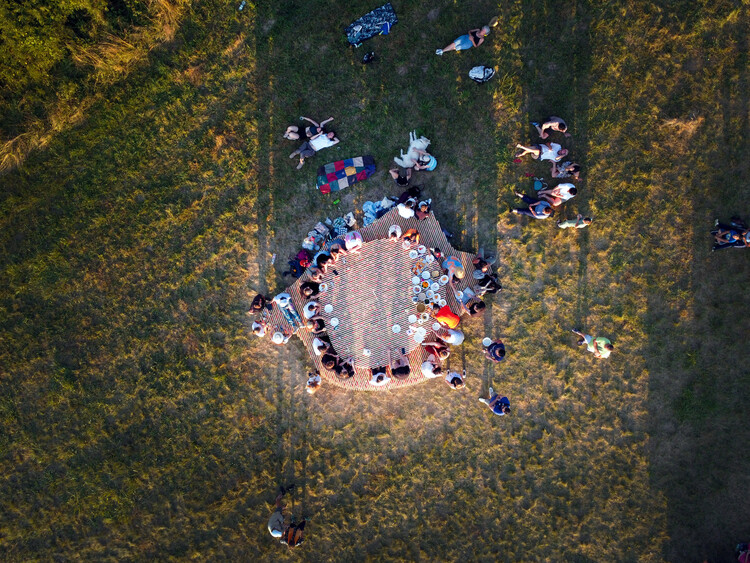
In recent years, food has taken on a renewed role within architecture, not simply as a program or typology, but as a shared spatial practice. Beyond restaurants or dining design, communal eating spaces are increasingly understood as environments where presence, ritual, and time intersect, allowing people to gather, stay, and coexist. In these settings, eating does not just happen within space; it actively shapes it, temporarily transforming ordinary, borrowed, or improvised environments into places of exchange.

This shift is visible across a wide range of built projects, installations, and community spaces that use shared meals as a way of bringing people together. Initiatives such as Fondo Supper Club frame dining as a social platform, using food to connect artists, designers, and local communities through conversation and collaboration. Similarly, sit.feast, presented during Milan Design Week 2024, approached the table as a spatial installation, one where sitting and eating together became the primary means of collectively producing space.

When Eating Becomes Spatial: 14 Projects Built Around Shared Meals - More Images+ 16

Rethinking Public Space Through a Skateboarder’s Eyes

Subscriber Access | 

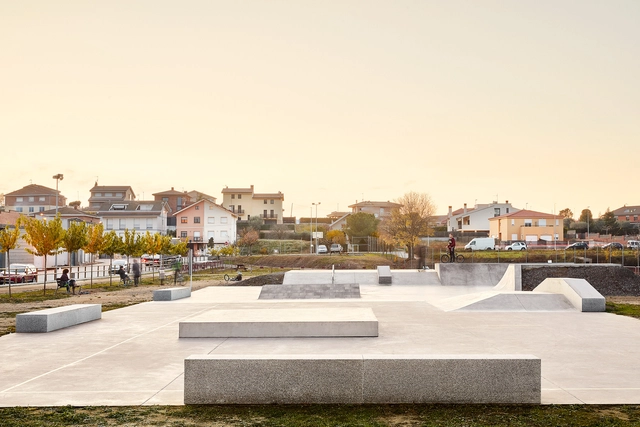
Created by California surfers who wanted to bring the lines of surfing onto asphalt, skateboarding soon outgrew its role as a simple alternative for flat days. It established itself as a practice that reads the city through a different logic, reinterpreting steps, handrails, walls, and interstitial spaces as possible lines, challenges, and opportunities. Over time, it evolved into a global urban culture, a way of inhabiting and transforming public space through movement. What was once marginal has become a catalyst for urban activation, community building, and new uses for overlooked spaces. At its core, skateboarding reveals how many cities coexist within the same city, depending on who moves through them and how each person is able to reinterpret their surroundings.

The Architecture of Restraint: When Choosing Not to Build Becomes Design

In a world facing ecological exhaustion and spatial saturation, the act of building has come to represent both creation and consumption. For decades, architectural progress was measured by the new: new materials, new technologies, new monuments of ambition. Yet today, the discipline is increasingly shaped by another form of intelligence, one that values what already exists. Architects are learning that doing less can mean designing more, and this shift marks the emergence of what might be called an architecture of restraint: a practice defined by care, maintenance, and the deliberate choice not to build.

The principle recognizes that the most sustainable building is often the one that already stands, and that transformation can occur through preservation, repair, or even absence. Choosing not to build becomes a political and creative act, a response to the material limits of the planet and to the ethical limits of endless growth. That Architecture moves beyond the production of new forms to embrace continuity, extending the life of structures, materials, and memories that already inhabit the world.

The Architecture of Restraint: When Choosing Not to Build Becomes Design - More Images+ 33

Beyond Human-Centered Architecture: Designing Spaces with Other Species

Subscriber Access | 

As architecture moves beyond human-centered design, new practices are rethinking coexistence as an ethical and ecological framework. From political infrastructures to habitats, these approaches invite us to imagine architecture as a shared living system.

Modern architecture has long been written through an anthropocentric lens, placing the human at its center and rendering other species invisible. Yet this paradigm continues to shift, as architects and researchers redefine the role of design in more-than-human worlds. Studios such as Office for Political Innovation, Studio Ossidiana, and Husos Architects are questioning human-centered narratives and reframing design as a shared practice between species. In this context, architecture is no longer a tool of control but a medium for coexistence, a discipline that mediates between species, environments, and cultures.

Beyond Human-Centered Architecture: Designing Spaces with Other Species - More Images+ 23

Ses Veles Housing / Alventosa Morell Arquitectes + Joan Josep Fortuny Giró

Ses Veles Housing / Alventosa Morell Arquitectes  + Joan Josep Fortuny Giró - More Images+ 20

Puigpunyent, Spain

EUmies Awards 2026 Unveil 410 Nominated Works and the Jury Led by Smiljan Radić

The EUmies Awards are organized annually by the Fundació Mies van der Rohe and the European Commission, with the support of the European Union's Creative Europe Programme. Based on the principle that "architecture is not merely a technical or aesthetic matter, but a cultural, environmental, and democratic issue," this 19th cycle of the Prize brings together 410 works from 40 countries and 143 regions across Europe. Beyond recognizing contemporary architecture projects, the Awards also aim to reflect European values such as cultural diversity, sustainability, democracy, and solidarity. This year, most nominated works (23%) are residential projects, including both collective and single-family housing, followed by cultural (13%) and educational (12%) programs. The selection shows a balance between transformations of existing buildings (44%) and new construction (56%), while 12% of the nominees are transnational works and 33% of the studios are 10 years old or younger, underscoring the growing visibility of emerging practices.

EUmies Awards 2026 Unveil 410 Nominated Works and the Jury Led by Smiljan Radić - More Images+ 17

Designing with Smoke: The Chimney as Architectural and Environmental Instrument

Subscriber Access | 

Chimneys are among the most quietly persistent elements in architectural history. Yet their presence persists in nearly every cultural and climatic context, serving as a technical feature and a spatial, atmospheric, and symbolic device. It populates dense city skylines and anchors rural horizons alike, its vertical silhouette as ordinary as a window or a doorframe. This apparent ordinariness is deceptive. The chimney is one of the few architectural components that links the intimate scale of interior life with the expansive forces of the environment. For architects and designers, the necessity of the chimney presents a choice: to let it recede quietly into the building's functional fabric or to amplify it as a central, expressive element that shapes a project's identity.

Designing with Smoke: The Chimney as Architectural and Environmental Instrument - More Images+ 47

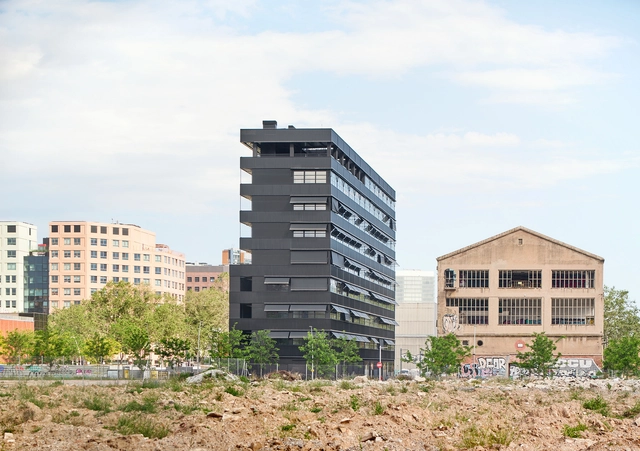
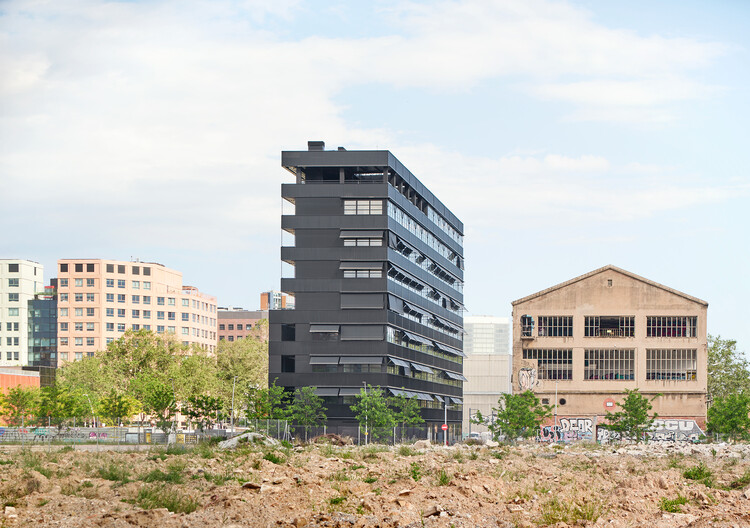
67-Unit Social Housing Building in Illa Glòries / Vivas Arquitectos + Pau Vidal

67-Unit Social Housing Building in Illa Glòries / Vivas Arquitectos + Pau Vidal - More Images+ 16

Barcelona, Spain

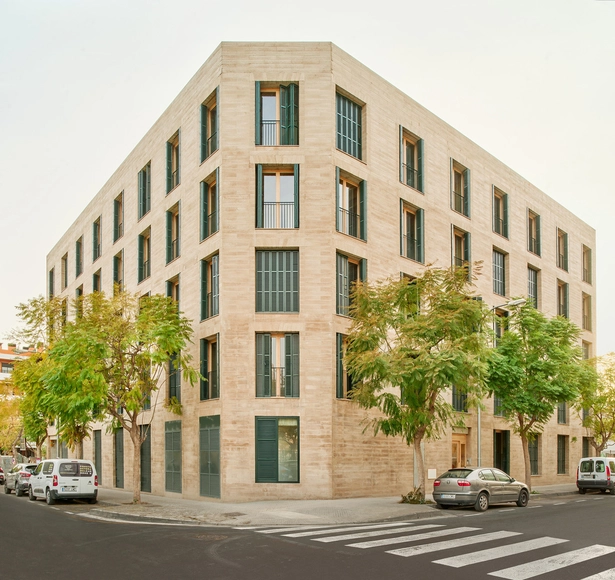
30+8 Social Housing Units on Josep Togores Street / Vivas Arquitectos

30+8 Social Housing Units on Josep Togores Street / Vivas Arquitectos - More Images+ 18

  • Architects: Vivas Arquitectos
  • Area Area of this architecture project Area:  2840
  • Year Completion year of this architecture project Year:  2025

45 Industrialized Social Housing Units / Vivas Arquitectos

45 Industrialized Social Housing Units  / Vivas Arquitectos - More Images+ 14

Barcelona, Spain
  • Architects: Vivas Arquitectos
  • Area Area of this architecture project Area:  4569
  • Year Completion year of this architecture project Year:  2024