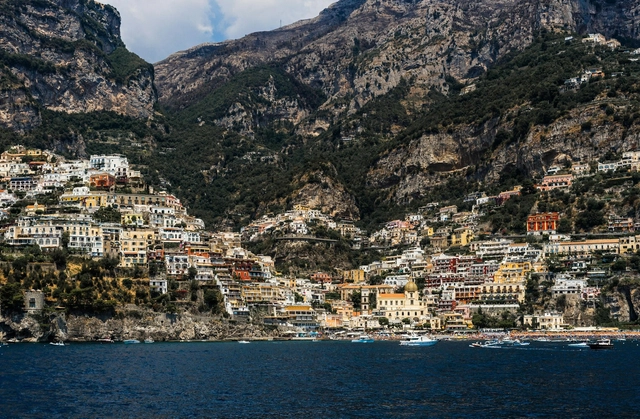
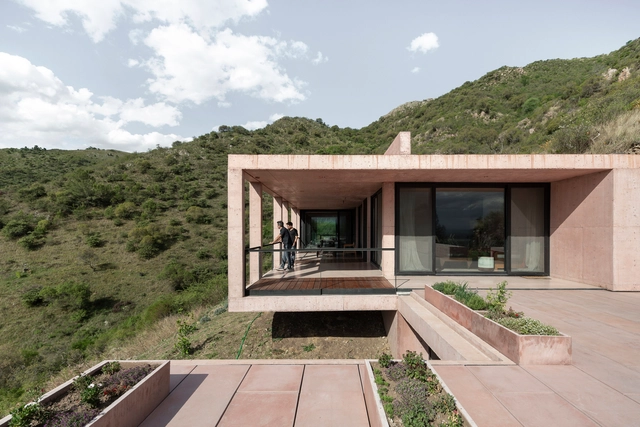
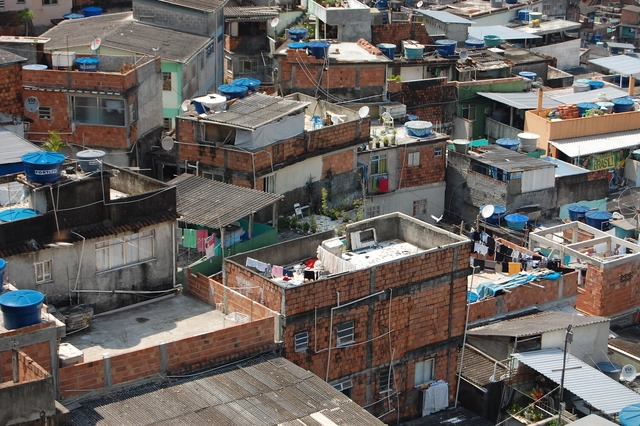
Living in cities built on geographical slopes is a unique and challenging experience. While these areas can offer panoramic views and impressive landscapes, the steep topography presents a series of challenges in terms of urban planning, structural safety, and socio-environmental risks. These cities require special care and solutions in the design of streets, buildings, and infrastructure, as well as an understanding that, for reasons of environmental safety and population well-being, not all areas should be occupied.
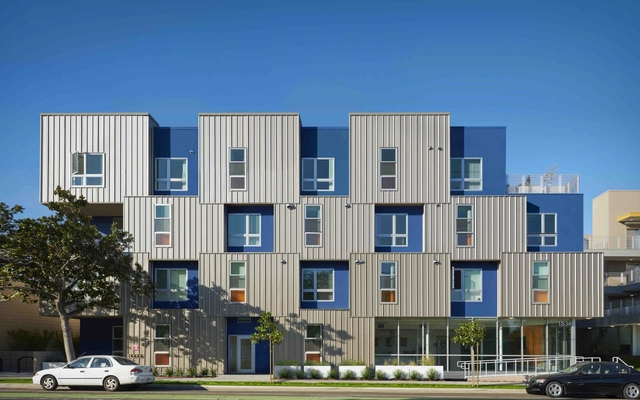
When Brenda Mendoza told an NPR reporter about her commute to work, she became the face of the housing crisis in Los Angeles today. Mendoza, a uniform attendant at a Marriott hotel, was living with her family in an apartment in Koreatown, where she had grown up, 10 minutes from her job. The landlord raised the rent, so she moved to a less costly place in Downey. When that rent also rose out of reach, she moved to Apple Valley, and now gets up at 3:30 a.m. to drive 100 miles to her job, dropping off her husband and son at their jobs on the way. She did not move to Apple Valley to invest in a house she could love. She simply found an equally unstable, but slightly more affordable, rental hours from her workplace.
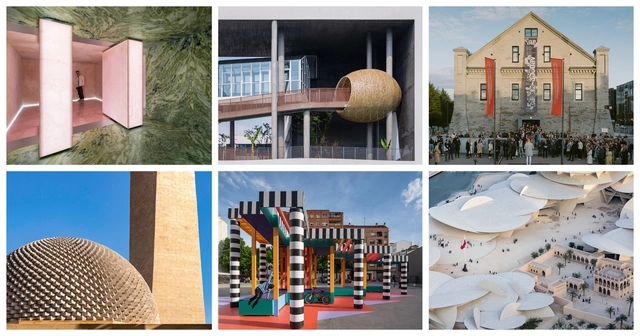
Spanning continents and cultures, architecture-focused events serve as platforms for the gathering of diverse groups of professionals to share innovations and embark on dialogues regarding some of the most pressing matters faced by our profession. Embodying the spirit of collaboration, highlighting local cultures and practices, and fostering open debates, this year’s list of events covers a diverse range of biennales, forums, city-wide celebrations, international fairs, and awards.
The influence of design on our physical and mental health has been largely explored in various contexts, ranging from spatial configuration to furniture. The topic has gained notoriety due to the growing awareness of human well-being, especially in recent times. An example of this bond between design and health is the emergence of concepts such as Neuroarchitecture, which seeks to understand the built environment’s potential in our brain. Another case that illustrates this approach, this time in furniture design, is the Paimio Sanatorium, where Alvar Aalto designed the tuberculosis sanatorium and all its furnishings. The chair created for the patient’s lounge —the Paimio Chair— facilitated their breathing due to its shape and the inclination of the backrest.
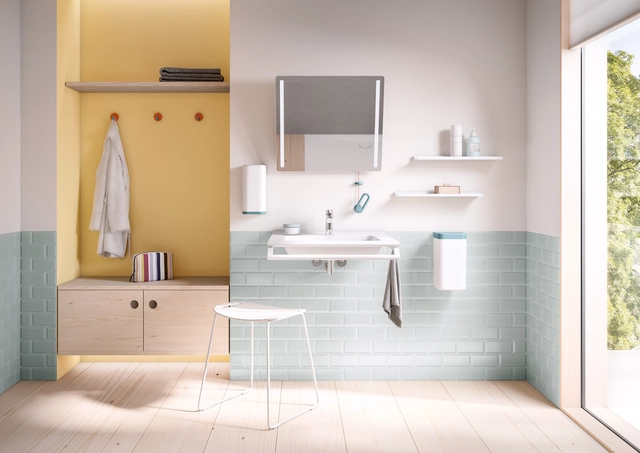
These approaches are examples of how design can be applied in a specific way to enhance people's well-being through gestures like spatial organization, color and shapes, thereby promoting architecture that contributes to health, care, and recovery, In this context, and as a result of explorations in this field, HEWI has developed ICONIC, infusing emotionally appealing color concepts for its design icon, the 477/801 barrier-free sanitary range. An essential element of this range's design was the concept of "healing architecture" within healthcareand daycare buildings and its influence on not just the physical and mental well-being of patients but also the welfare of other users, such as relatives and staff.
https://www.archdaily.com/1012377/healing-architecture-for-care-and-recovery-iconic-design-with-colorful-conceptsEnrique Tovar
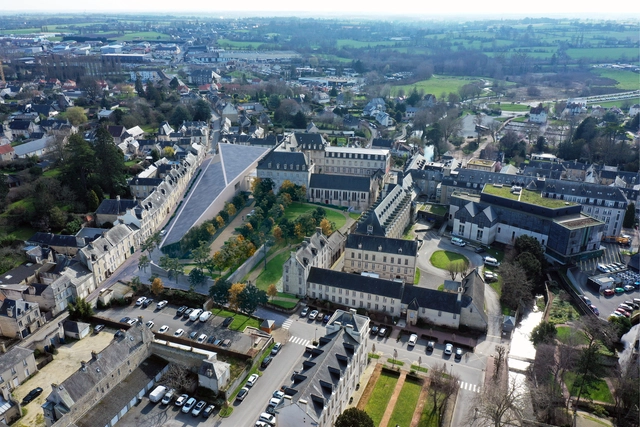
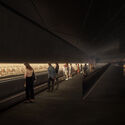
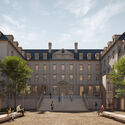
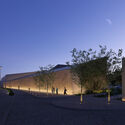
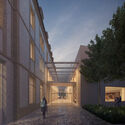
RSHP has unveiled the urban and architectural design for the new Bayeux Tapestry Museum. The intervention is created to house and display the Bayeux Tapestry, an embroidered cloth measuring 70 meters in length and depicting the events leading up to the Norman Conquest of England in 1066 and culminating in the Battle of Hastings. The almost 1000 years-old artifact is also included in UNESCO’s “Memory of the World” list. The project proposes a contemporary extension of the 17th-century seminary where the Musée de la Tapisserie de Bayeux is located.
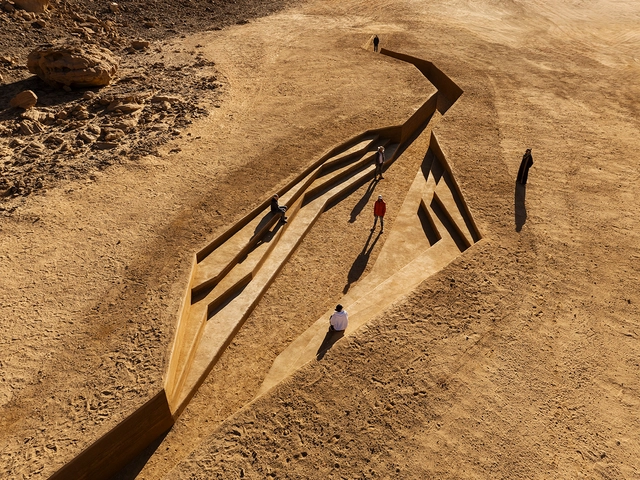
Returning for its third edition, Desert X AlUla 2024 invites artists to engage with the landscape, nature, and heritage of AlUla. The exhibition aims to position AlUla as the hub for monumental art experiences in the region. This year’s theme, “In the Presence of Absence,” challenges the concept of deserts as “empty spaces.” Artists worldwide are encouraged to investigate conceptual ideas of the invisible, engaging in a dialogue with AlUla’s environment.
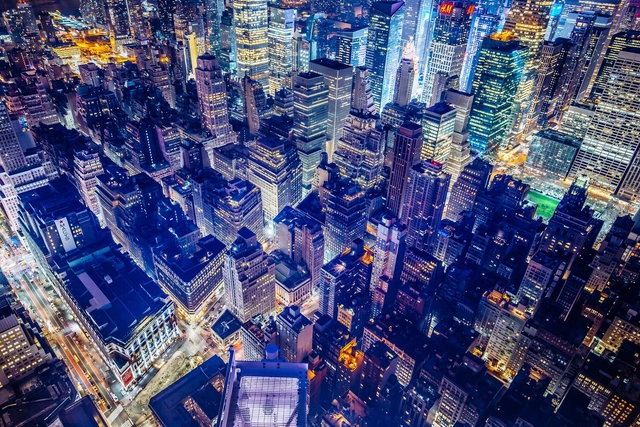
The convergence of artificial intelligence (AI) and urban planning holds significant promise for creating more intelligent, efficient, and sustainable cities. This fusion entails the integration of cutting-edge technologies that can guide decision-making, enhance resource allocation, predict trends, engage citizens, and more. In this framework, where AI is seen as a tool for advancing various urban aspects, there has been a surge in the development of applications, software, and other technological systems tailored to support urban planning. Below, we have highlighted some global studies and technologies applied from urban morphology to community involvement.
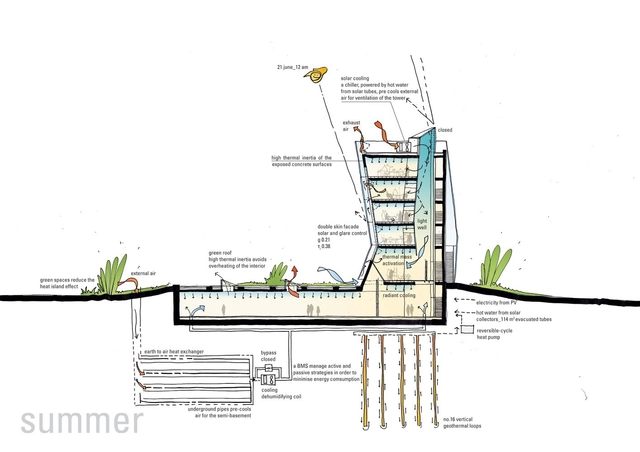
Unlike the air, the temperature in the subsoil varies very little during the year or according to geographical position. A few meters below the surface, the ground temperature is between about 10 to 21°C (50 to 70°F) depending on the region. Dig deeper, and the temperature increases between 20 to 40 degrees centigrade per km, reaching the Earth's core, which approaches 5000 °C. In fact, thinking about how we inhabit a sphere that is orbiting through space with a glowing center can be distressing for some. However, it may be helpful to learn that using Earth's forming energy to generate electricity is a sustainable and efficient way that is already common in some countries. At the same time, we can also take advantage of the mild temperature found a few meters under the ground to acclimatize buildings, whether in hot or cold climates.
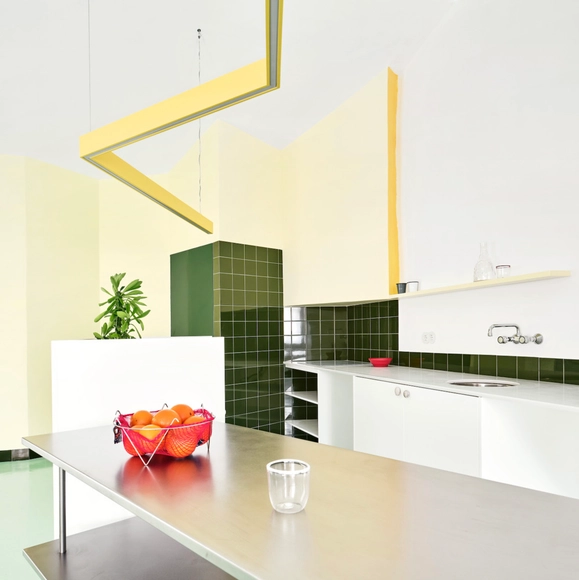
Often associated with an industrial aesthetic, metal has become more prevalent in residential and commercial architecture. Its reflective quality has broadened the scope of texture and color combinations, giving rise to a fresh aesthetic for interior design. Consequently, architects and designers increasingly incorporate metallic surfaces to define floors, benches, and other furniture elements, thereby defining spatial layouts and infusing them with a contemporary vibe. To inspire this trend, we explore various methods for incorporating aluminum or similar materials into your space.
Cortesia de SolarLab, Photo by doublespacephoto.com
Autonomy and freedom during the design process are invaluable resources for architects, especially when defining a volume and choosing materials, systems, and solutions for a building. The flexibility of these elements must not only promote their harmonious integration within a structure but, above all, allow architects to incorporate them without the need to change their initial concepts. This design freedom becomes even more crucial in the context of facades, specifically in building-integrated photovoltaic (BIPV) facades. This is due to the unique challenge of incorporating the energy capture function into the design of the building envelope, simultaneously demanding adaptation to the designer's aesthetic preferences and effective performance, as well as the entire infrastructure for capturing and transporting energy.
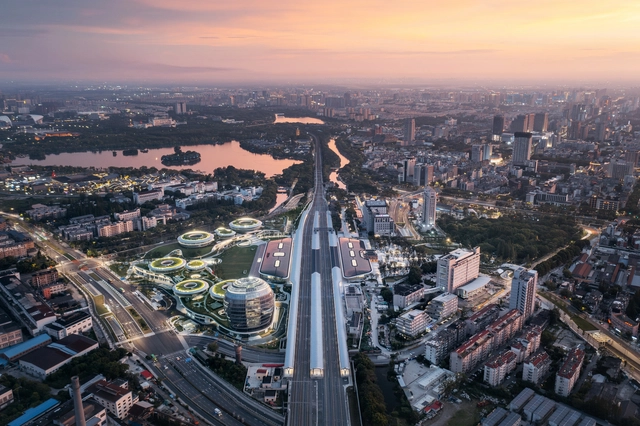
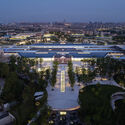
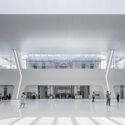
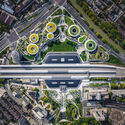
MAD Architects has announced the completion of the Jiaxing Train Station, the first transportation infrastructure project developed by the architecture office. Located in the historic city of Jiaxing, 100 kilometers southwest of Shanghai, the project involves the replacement of a dysfunctional station that had stood at the site between 1995 and 2019. As China has developed significantly in terms of urbanization, its train stations have grown into complicated, widespread, and uninviting infrastructures. Through their project, MAD Architects strive to return to a human scale, to create a facility that responds to the newest developments in transportation technology, while creating spaces that are comfortable and easy to navigate for its users.
Is it possible to assert the existence of a timeless material in architecture from an aesthetic standpoint? Undoubtedly, wood and concrete emerge as strong contenders, not only due to their representation of the solidity, volume, and mass of buildings but also because they provide a broad range of aesthetic possibilities in projects. Concrete, in particular, exhibits greater malleability in comparison to wood. While wood already offers flexible solutions, such as through CLT systems, concrete is derived from a blend of liquid, powder, and an aggregate—a paste that can be poured into a mold, spread over a surface and shaped into various forms.
In early 2018, spatial practitioner and Bartlett lecturer Neba Sere hosted a panel discussion at London's Architecture Foundation, where she was one of six young trustees. The topic: beginnings. How to go about them, move ahead, and transform them into something that lasts. Six years later, she looks back on the event as a beginning in itself: that day marked the creation of a WhatsApp group that would turn into Black Females in Architecture (BFA). BFA is now a 500-strong global membership network co-directed by Sere and fellow architects Selasi Setufe and Akua Danso.
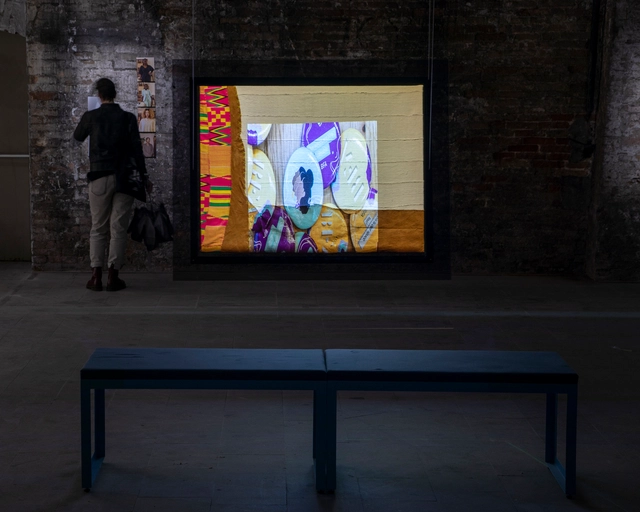
BFA was initiated in response to the need for visibility of black women and female-identifying people with black heritage in architecture and the built environment. Last year, the group celebrated its fifth anniversary with the showing of a short film and a panel discussion at the Venice Architecture Biennale. Now, after putting in the groundwork of spreading information about the lack of diversity and equality in the industry and increasing their numbers, BFA is gearing up to drive physical change.
Architecture, understood as a cultural product, is strongly influenced by diverse stimuli that include historical, geographical, and cultural aspects, among others. Together, these elements form a heritage that may (or may not) endure through time. Although architecture tends to adapt to each culture, modeling its traditional techniques according to its context and shaping the surrounding environment, there is no guarantee that the traditional elements in it will endure or remain unchanged over time. This is largely due to the constant evolution of society and technology, which sometimes tends towards universality and the adoption of a common language, rather than one of their own.
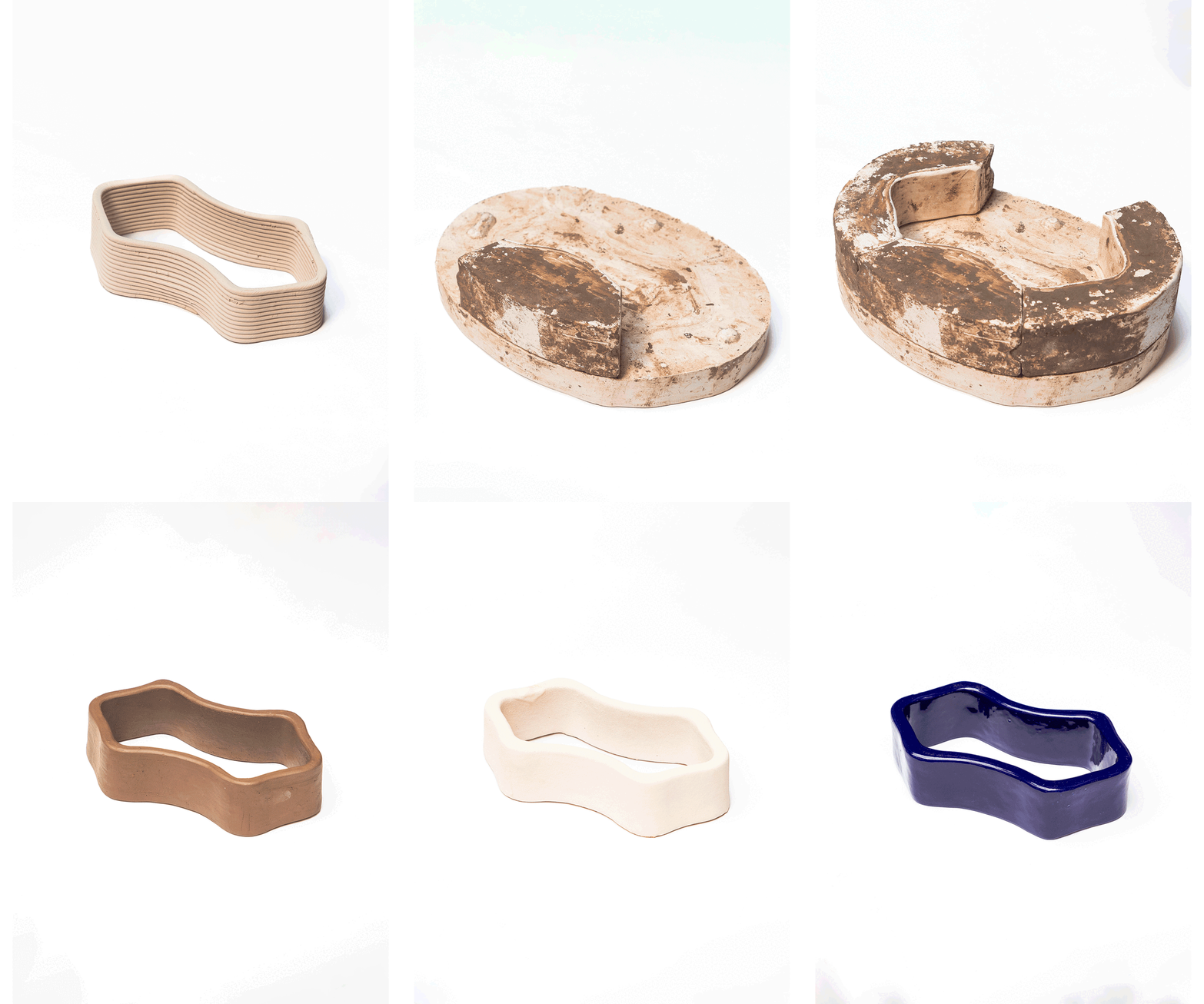
Given this scenario, it is essential to explore an approach where innovation and technology do not replace tradition and artisanal production; instead, they arise as a means of exploration towards emerging routes. Adopting novel techniques and innovative materials that are adapted to specific local needs makes it possible to maintain an authentic expression that responds to the demands of the environment. This approach, which could be termed neo-craft, allows for the preservation of a distinct voice that reflects the authenticity of the local context. At the same time, it contributes to a universal perspective, merging the local with the global.
https://www.archdaily.com/1012790/at-the-intersection-of-innovation-and-tradition-the-talavera-projectEnrique Tovar
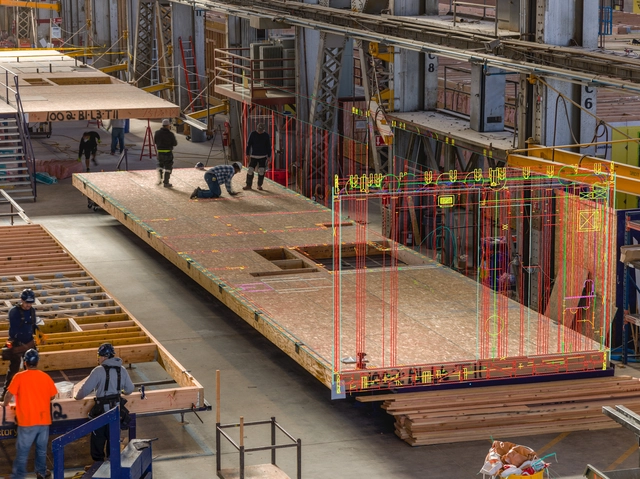
While mass timber and off-site construction remain in the foreground, the associated digital technologies for architects have had a quieter evolution. Aiming to bring these issues to the architectural forefront, QWEB (Quebec Wood Export Bureau) is now expanding its Offsite Wood BIM initiative by joining the non-profit BC Wood Specialties Association.
Why is this east/west alliance great news for AEC professionals? BC Wood will share its range of timber systems with the Offsite Wood BIM platform, improving the representation of timber in the BIM market, as is currently the case with other structural materials. Because the wood industry is closely linked to specific geographic regions, this collaboration will quadruple the number of wood types available on the platform by 2024. By including detailed digital descriptions of these systems in the Revit modeling environment, industry professionals will be able to work with wood more effectively and efficiently in their projects.
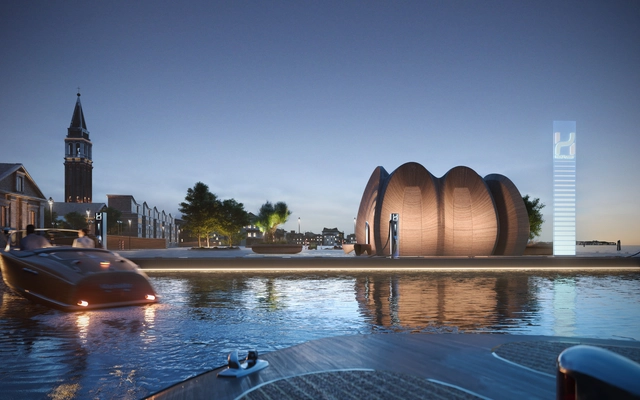
Zaha Hadid Architects have released images of their design for the world’s first hydrogen refueling infrastructure for recreational boating. Continuing ZHA’s experience in maritime designs, the stations are to be installed in 25 Italian marinas and ports. Launched by NatPower H, the stations will begin to be implemented in the summer of 2024, with plans to expand to over 100 locations throughout the Mediterranean Sea in the next six years.
As architectural theory undergoes a process of review and updating, there is a rejection of prevailing binary distinctions found both in common perception and in architectural education. Traditional dichotomies such as center versus periphery, the 'formal' versus 'informal' city, and design as a rigid technique versus construction as improvisation have been persistent architectural themes, with a history of ongoing debates. Despite the dominance of global northern perspectives on what constitutes good architecture or how it should be approached, reality consistently reveals itself to be more intricate, diverse, and multidimensional.
The discipline of architecture has undergone considerable change, primarily driven by advancements in the application of technology. Architects, long viewed as the futurists of the constructed world, are now utilizing progressive techniques and resources and expanding the use cases of technologies such as Augmented Reality (AR) and Virtual Reality (VR). This transition extends beyond professional practices into architectural education, bringing opportunities to redefine the approach of architects toward their craft.
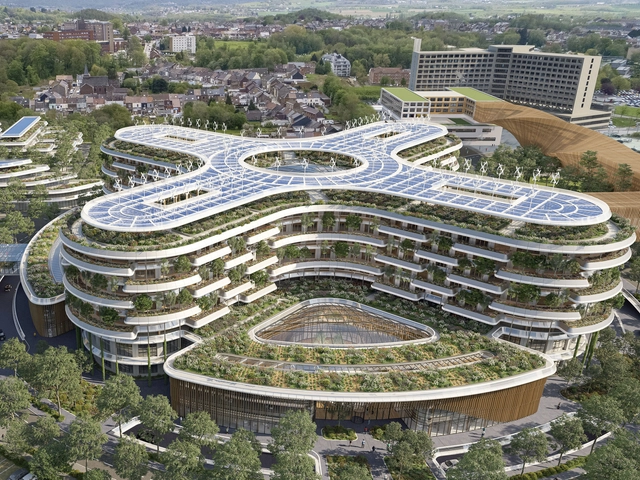
This curated selection of the Best Unbuilt Architecture highlights projects submitted by the ArchDaily community that demonstrate the use of organic shapes in various forms of architecture and program use. Many times, organic architecture stands as a testament to what we are able to make in 2024, innovating in structural and material technology. From Vincent Callebaut’s HospiWood to Zomorrodi & Associates’ Cadence Art Center, these instances showcase this shift in desigin thinking. Whether its a residential villa in the United States or a resort centered around a curved pool in the Netherlands, organic architecture has been trending globally.
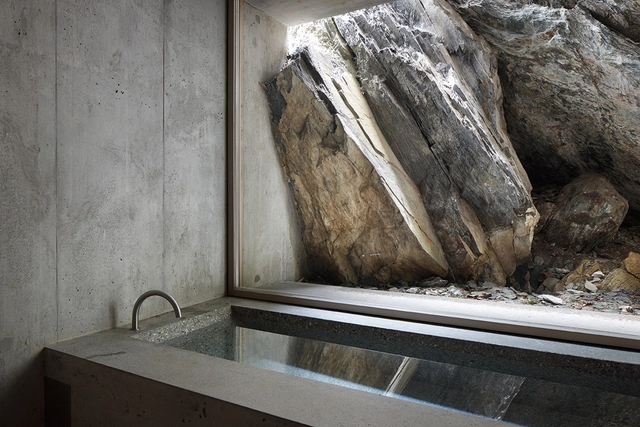
Although they are an integral and necessary space in residential architecture, the wide variety of design opportunities for bathrooms has often remained overlooked in favor of practicality. Historically programmed for privacy, the contemporary bathroom has been reimagined for a greater sense of openness and comfort - finding a delicate balance between privacy and exposure is facilitated by design objects such as the tub.
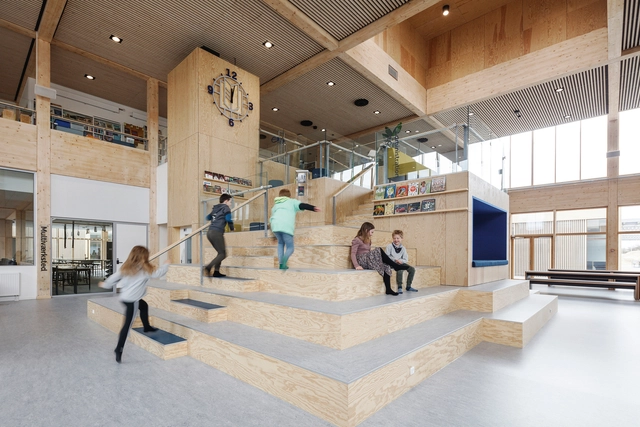
With spaces for children, “you have the opportunity to create architecture that in many ways is unformulated architecture. Children react to spaces completely spontaneously. It is almost an enhanced architecture”, says Dorte Mandrup. The implication is that design can contribute to forming critical thinking, encouraging autonomy, and responsibility, and helping forge future citizens. For the most part, the educational system and its spatial expression haven’t changed significantly in the last hundred years. Nonetheless, with access to information becoming ubiquitous, the focus is slowly moving from accumulating information to nurturing critical thinking, and new teaching methods open up a new area of architectural experimentation. The following explores the impact of space on learning, specifically in primary and secondary education, discussing how architecture could aid the educational process, becoming a teaching tool.
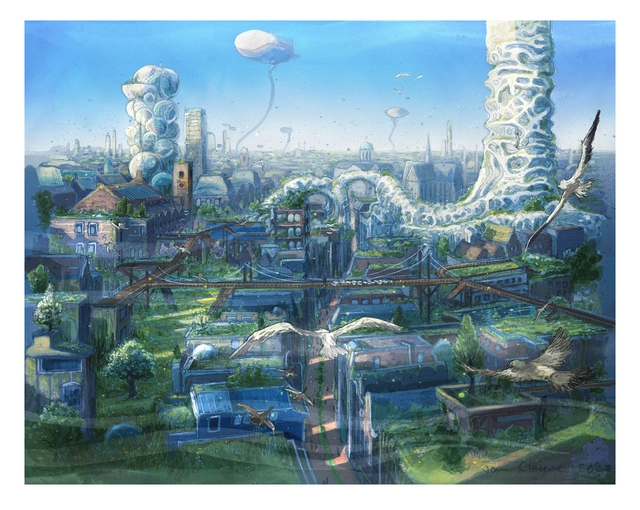
Studio Monnik, 'Alles Komt Goed', 2023. ‘Poreuze Stad’, Illustratie van Jan Cleijne. Een toekomstscenario voor Amsterdam in 2089. Image Courtesy of Het Nieuwe Instituut
Still, the country faces expected and unexpected challenges, from an acute housing shortage to raising concerns regarding climate change and shifting ideas of ecology. In the words of curator Suzanne Mulder, the country is “once again on the drawing board,” as architects, urban planners, and designers are reopening conversations about the future by looking at past lessons. To come to their help, Rotterdam’s Nieuwe Instituut is organizing the exhibition ‘Designing the Netherlands: 100 Years of Past & Present Futures.’