The Safari Lodge: An Overlooked Typology with Social and Environmental Potential

Subscriber Access

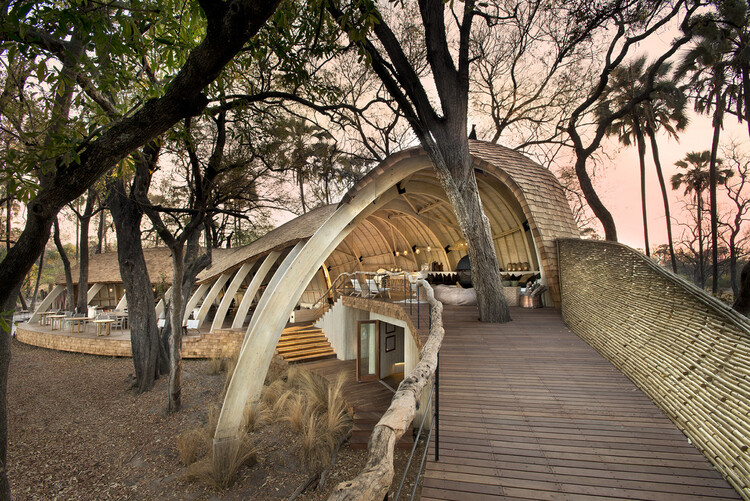
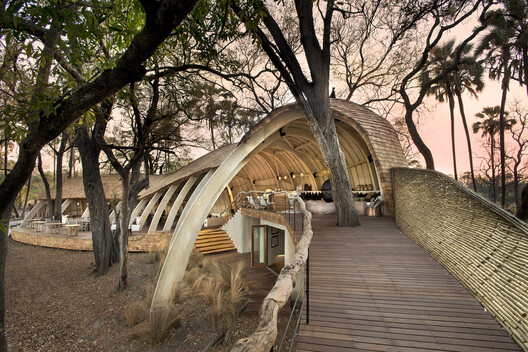
In Eastern and Southern Africa, safari lodges attract tourists from around the world wishing to witness the landscapes and fauna of the natural world. Usually situated in national parks and game reserves, their remote locations make for costly journeys and are therefore suitable for luxury stays. Often overlooked as an architectural typology, many lodges risk falling into the trap of being contextually insensitive or crudely mimicking vernacular building methods, resulting in pastiche. On the other hand, the safari lodge sits at the intersection of the man-made and natural worlds, bringing together rural dwellers and townfolk, wealth and poverty, wildlife and humans. Thus, it can be an opportunity to design with the highest social and environmental responsibility.
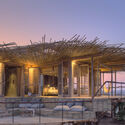
The Safari Lodge: An Overlooked Typology with Social and Environmental Potential - Image 2 of 14The Safari Lodge: An Overlooked Typology with Social and Environmental Potential - Image 3 of 14The Safari Lodge: An Overlooked Typology with Social and Environmental Potential - Image 4 of 14The Safari Lodge: An Overlooked Typology with Social and Environmental Potential - Image 5 of 14The Safari Lodge: An Overlooked Typology with Social and Environmental Potential - More Images+ 9

Content Loader

Image gallery

See allShow less
About this author
Cite: Mohieldin Gamal. "The Safari Lodge: An Overlooked Typology with Social and Environmental Potential" 17 Oct 2025. ArchDaily. Accessed . <https://www.archdaily.com/1035059/the-safari-lodge-an-overlooked-typology-with-social-and-environmental-potential> ISSN 0719-8884

You've started following your first account!

Did you know?

You'll now receive updates based on what you follow! Personalize your stream and start following your favorite authors, offices and users.