1. ArchDaily
  2. ecotourism

ecotourism: The Latest Architecture and News

The Safari Lodge: An Overlooked Typology with Social and Environmental Potential

Subscriber Access | 

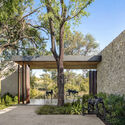
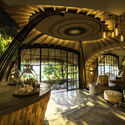
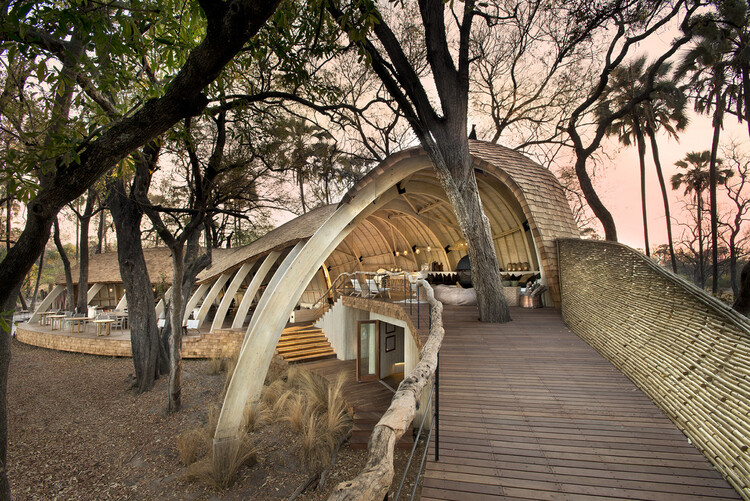
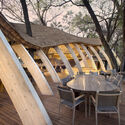
In Eastern and Southern Africa, safari lodges attract tourists from around the world wishing to witness the landscapes and fauna of the natural world. Usually situated in national parks and game reserves, their remote locations make for costly journeys and are therefore suitable for luxury stays. Often overlooked as an architectural typology, many lodges risk falling into the trap of being contextually insensitive or crudely mimicking vernacular building methods, resulting in pastiche. On the other hand, the safari lodge sits at the intersection of the man-made and natural worlds, bringing together rural dwellers and townfolk, wealth and poverty, wildlife and humans. Thus, it can be an opportunity to design with the highest social and environmental responsibility.
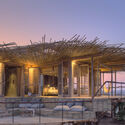
The Safari Lodge: An Overlooked Typology with Social and Environmental Potential - Image 1 of 4The Safari Lodge: An Overlooked Typology with Social and Environmental Potential - Image 2 of 4The Safari Lodge: An Overlooked Typology with Social and Environmental Potential - Image 3 of 4The Safari Lodge: An Overlooked Typology with Social and Environmental Potential - Image 4 of 4The Safari Lodge: An Overlooked Typology with Social and Environmental Potential - More Images+ 9

Architecture as an Invitation to Explore: 25 Visitor Centers Around the World

Subscriber Access | 

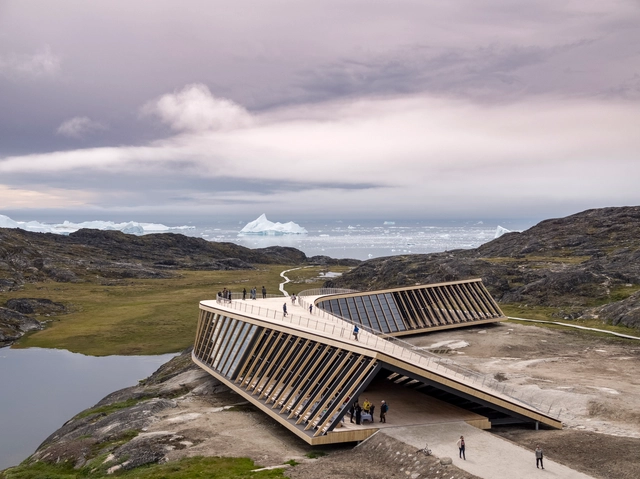
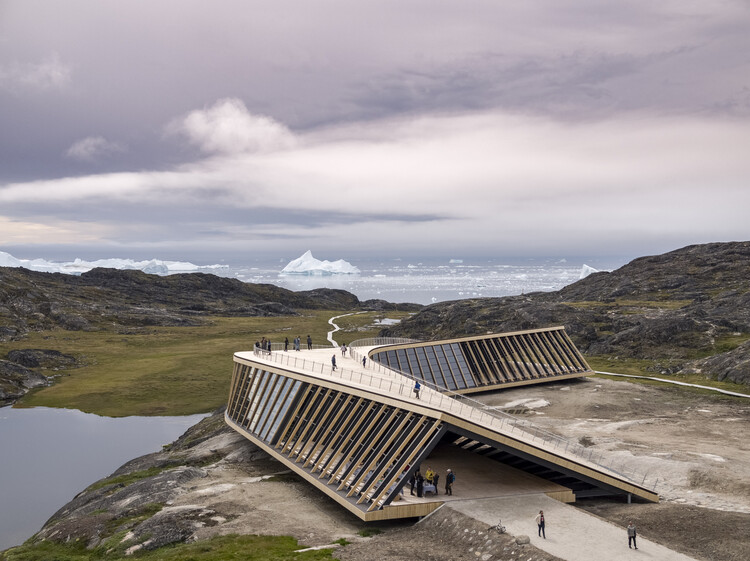
Destinations like ecological reserves, national parks, and historic sites rank among the most visited places worldwide. Motivated by different desires — from aesthetic appreciation to a longing for connection with nature — visitors are drawn to locations marked by historical importance, scenic beauty, or architectural significance. In this context, it becomes essential for the institutions responsible for preserving and managing these sites to adopt thoughtful mediation strategies — both in terms of communication and spatial design. One such strategy is the creation of visitor centers: architectural structures that not only receive guests but also educate and guide them. These buildings act as interfaces between the site and its audience, translating the ecological, historical, and cultural values of the place into architectural form.

Architecture as an Invitation to Explore: 25 Visitor Centers Around the World - Image 1 of 4Architecture as an Invitation to Explore: 25 Visitor Centers Around the World - Image 2 of 4Architecture as an Invitation to Explore: 25 Visitor Centers Around the World - Image 3 of 4Architecture as an Invitation to Explore: 25 Visitor Centers Around the World - Image 4 of 4Architecture as an Invitation to Explore: 25 Visitor Centers Around the World - More Images+ 23

OODA and MassLab Win Competition for a “Building without Devastating” Master Plan in Portugal

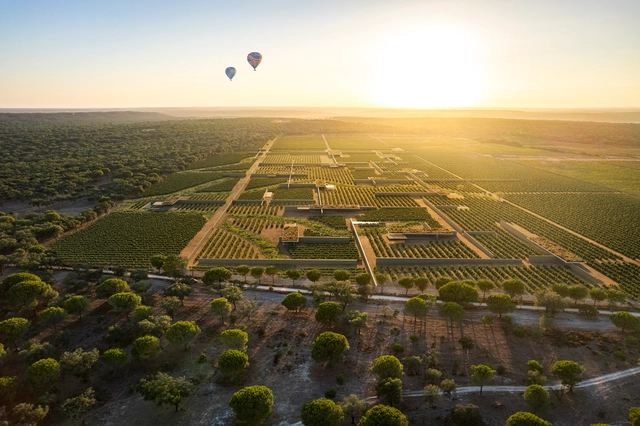
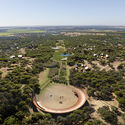
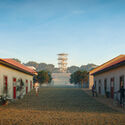
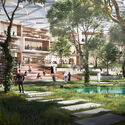
In collaboration with MassLab, OODA has been awarded first place in the Barrosinha Agricultural Company competition, aimed at creating a 2,000-hectare development seamlessly integrated into the agro-forestry heritage of Alcácer do Sal, Portugal. The master plan, covering a variety of functions for tourism, housing, commerce, and leisure, is designed in harmony with the United Nations Sustainable Development Goals, striving to transform Herdade da Barrosinha into a model of sustainable renewal.

OODA and MassLab Win Competition for a “Building without Devastating” Master Plan in Portugal - Image 1 of 4OODA and MassLab Win Competition for a “Building without Devastating” Master Plan in Portugal - Image 2 of 4OODA and MassLab Win Competition for a “Building without Devastating” Master Plan in Portugal - Image 3 of 4OODA and MassLab Win Competition for a “Building without Devastating” Master Plan in Portugal - Image 4 of 4OODA and MassLab Win Competition for a “Building without Devastating” Master Plan in Portugal - More Images+ 13

URB Reveals World’s Largest Ocean Restoration Project in Dubai

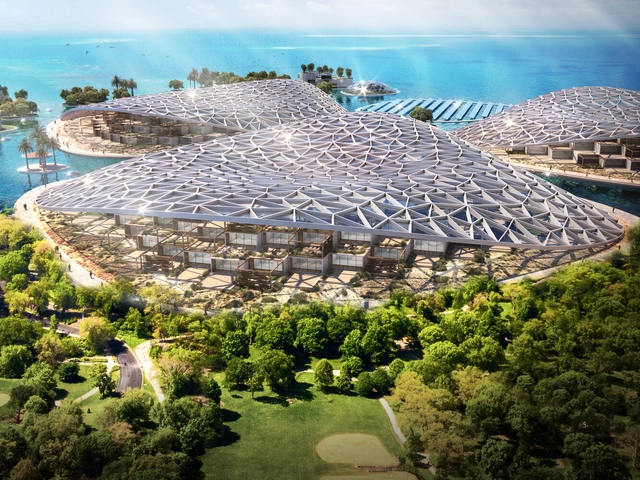
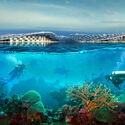
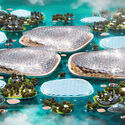
URB has revealed 'Dubai Reefs,' a floating living lab designed to restore marine ecosystems and promote ecotourism. The project's primary objective is to generate over 30,000 employment opportunities within a green economy in the city. Dubai Reefs encompasses a sustainable floating community dedicated to marine research, regeneration, and ecotourism, comprising residential, hospitality, retail, educational, and research facilities.

URB Reveals World’s Largest Ocean Restoration Project in Dubai - Image 1 of 4URB Reveals World’s Largest Ocean Restoration Project in Dubai - Image 2 of 4URB Reveals World’s Largest Ocean Restoration Project in Dubai - Image 3 of 4URB Reveals World’s Largest Ocean Restoration Project in Dubai - Featured ImageURB Reveals World’s Largest Ocean Restoration Project in Dubai - More Images

"Biodomes" in the UAE's Al Hajar Mountains Will Promote Ecotourism

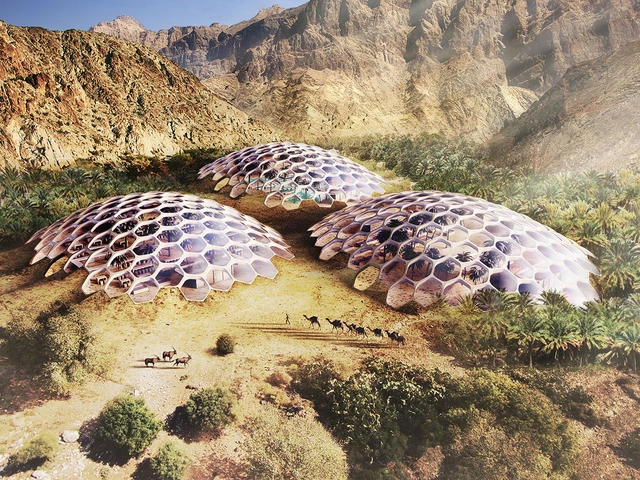
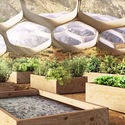
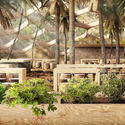
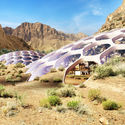
The world’s tallest building, the Burj Khalifa, towers at 828 meters in the heart of Dubai’s ever-growing urban core. But just a few hours east of the metropolis, a different kind of monument is garnering tourism to the United Arab Emirates: the Al Hajar Mountains. With its peak at 3,008 meters, the mountain range’s natural elegance rivals the country’s architectural achievements. The Biodomes Wildlife Conservation Centre, a project from Baharash Architecture for the UAE’s Eco Resort Group, seeks to celebrate the mountain range through an ecotourism paradigm.

"Biodomes" in the UAE's Al Hajar Mountains Will Promote Ecotourism  - Image 1 of 4"Biodomes" in the UAE's Al Hajar Mountains Will Promote Ecotourism  - Image 2 of 4"Biodomes" in the UAE's Al Hajar Mountains Will Promote Ecotourism  - Image 3 of 4"Biodomes" in the UAE's Al Hajar Mountains Will Promote Ecotourism  - Image 4 of 4Biodomes in the UAE's Al Hajar Mountains Will Promote Ecotourism  - More Images+ 5