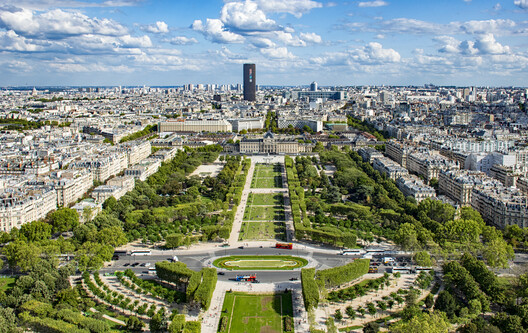
On October 31, World Cities Day 2026 will be observed under the theme "Regenerating the City: Adequate Housing for All." Hosted in Fuzhou, China, this year's global observance focuses on how urban regeneration can advance access to adequate housing by improving existing neighborhoods, infrastructure, and public spaces. According to the United Nations, up to 3.4 billion people worldwide lack access to adequate housing, secure tenure, basic services, or affordable living conditions. This challenge points to the need for approaches that consider housing alongside the wider conditions of urban life, including environmental resilience, connectivity, and access to essential services.

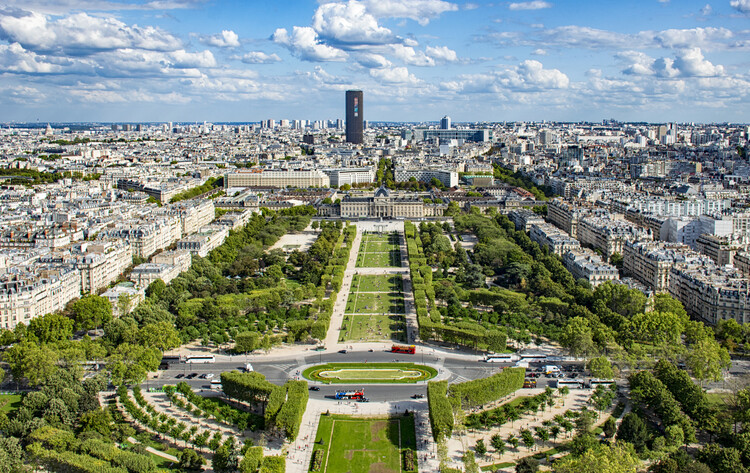
Cities are shaped by the relationship between people, their homes, and the environments they share. Housing developments influence the density and character of neighborhoods, transportation networks determine access to jobs and services, and public spaces provide places for recreation and social interaction. These urban systems are also increasingly exposed to environmental pressures, from extreme heat and flooding to storms and other natural hazards. As cities continue to grow and change, providing adequate housing is closely connected to how urban settlements adapt to these challenges while supporting the communities that live in them.
For World Cities Day, we look at these interconnected aspects of urban life through four themes: housing, public space, mobility, and neighborhood livability, bringing together stories that examine the challenges and possibilities shaping cities today.
Housing, Displacement, and Climate Resilience
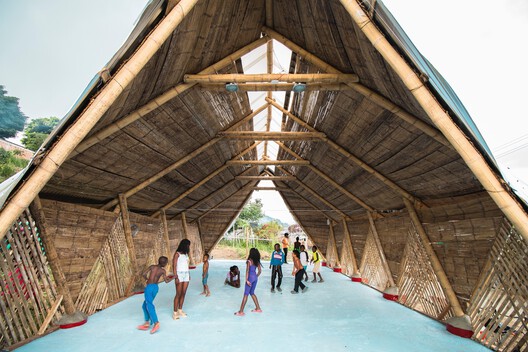
Adequate housing is about more than having a roof over one's head. Its location, construction, affordability, access to services, and ability to withstand environmental risks all influence the security it provides. As floods, storms, and extreme heat increasingly affect urban settlements, housing strategies must consider how buildings and communities can adapt to changing conditions. For people displaced by environmental pressures, conflict, or economic instability, finding a new home also involves rebuilding access to livelihoods, services, and social networks. These challenges call for approaches that connect housing design with land use, infrastructure, and community participation.
Responding to Displacement: Architectural Strategies Across Latin America
"If You Build Ugly Social Housing, You Will Create Social Problems": An Interview with the OBEL Award 2026 Recipients
UN-Habitat Recognizes Five Approaches to Adequate Housing With 2026 Scroll of Honour
Designing for Density: How Modernist Principles Continue to Shape Social Housing Solutions Today
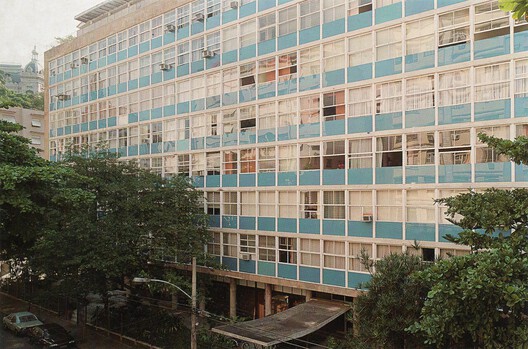
On Housing, Public Space, and Climate Resilience: In Conversation with the Winners of the 2026 UIA 2030 Award
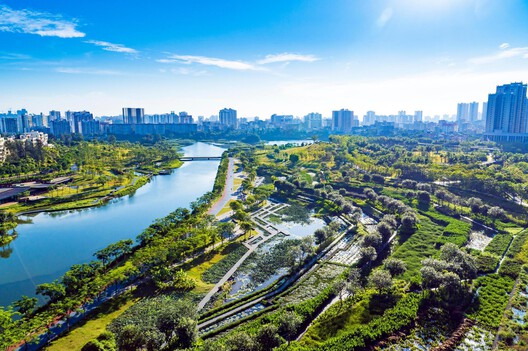
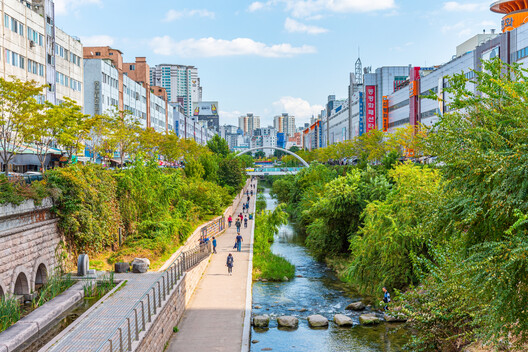
Urban Landscapes as Infrastructure: Public Space, Water, and Climate Adaptation
Parks, waterfronts, gardens, and open spaces are often understood as amenities that improve the appearance and recreational value of cities. Their role, however, extends into the functioning of urban environments. Landscapes can help absorb rainwater, reduce surface temperatures, support biodiversity, and provide relief during periods of extreme heat. In areas exposed to flooding, the integration of water management into public space and landscape planning can also help reduce pressure on conventional drainage infrastructure. These functions become particularly important as cities expand and natural systems are increasingly affected by urban development.
Lessons from Roberto Burle Marx: Designing Resilient and Evolving Urban Landscapes
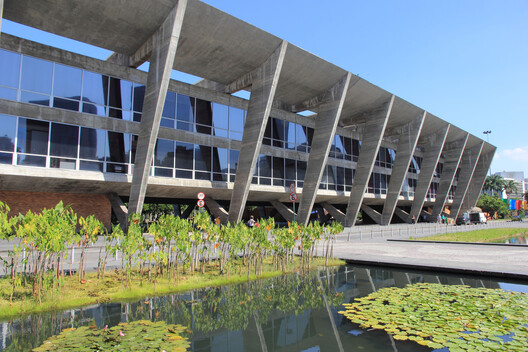
Urban Landscape as an "Art of Survival": An interview with Kongjian Yu, the Advocate of the Sponge Cities Concept
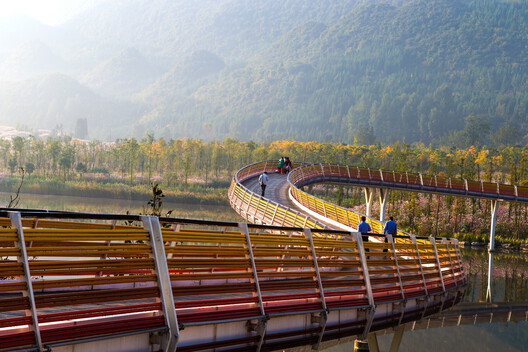
Who Owns Public Space? Three Active Models of Shared Management Shaping Urban Commons in Europe and New York
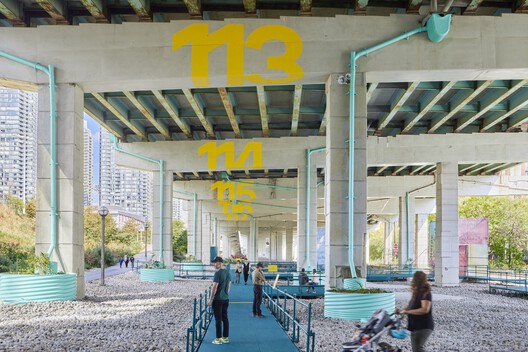
Elevated Infrastructure and Public Space: Reclaiming the Ground Below
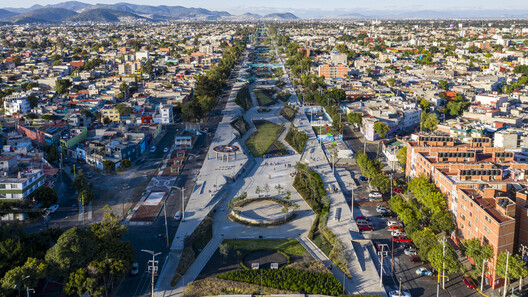
From Residual Land to Civic Places: 6 Mexican Public Parks
Moving Through the City: Mobility, Transportation, and Connectivity
How people move through a city directly influences their access to housing, employment, education, healthcare, and public space. Transportation networks connect neighborhoods, but the way streets and infrastructure are planned can also create barriers, particularly for people who rely on walking, cycling, or public transportation. In many cities, car-oriented development has contributed to fragmented urban environments, unsafe streets, and unequal access to essential services. Rethinking mobility involves more than introducing new transportation technologies or expanding road networks. It also requires considering how different modes of travel work together, how infrastructure serves people with different needs, and how connections between urban and rural areas can be improved.
Mobility Justice: Urban Equity in an Era of Innovation
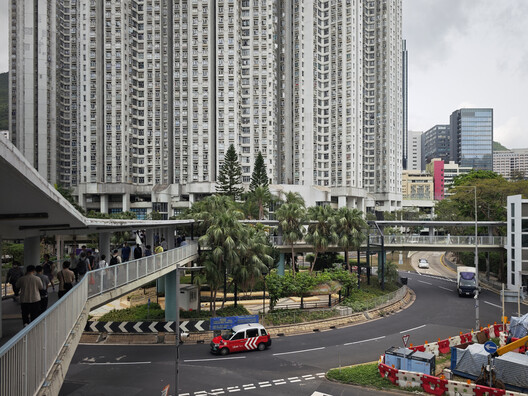
Beyond the Street: Climate, Commerce, and the Evolution of Hong Kong's Elevated Networks
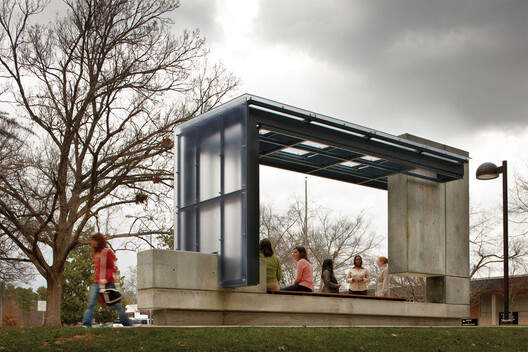
Rural Transportation Hubs: Infrastructure Design, Access, and Regional Mobility
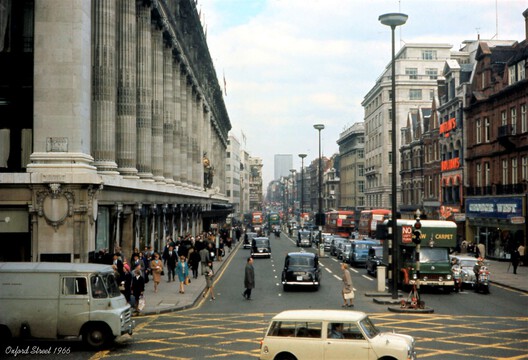
From London to Houston: Four Ongoing Pedestrianisation Initiatives Shaping More Walkable Cities
What Makes a Neighborhood Livable? Health, Green Space, and Community
While citywide strategies establish the conditions for urban development, the experience of living in a city often comes down to the neighborhood scale. Access to parks, healthcare, schools, local services, and safe streets influences how people experience their surroundings and participate in everyday urban life. These qualities are not distributed evenly, and broad indicators or international rankings can sometimes obscure differences between neighborhoods and the needs of their residents. Understanding livability therefore requires looking beyond economic performance or the quantity of green space to consider how people use their environments, interact with one another, and take part in decisions that affect their communities.
The Metrics We Use Decide the Cities We Build: Urban Indicators and Lived Experience
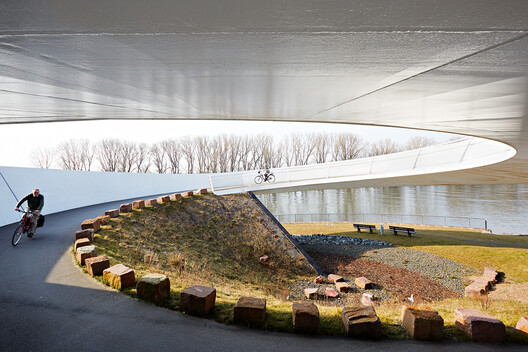
City-Making Through Participation: Lessons from Utopian Hours 2026
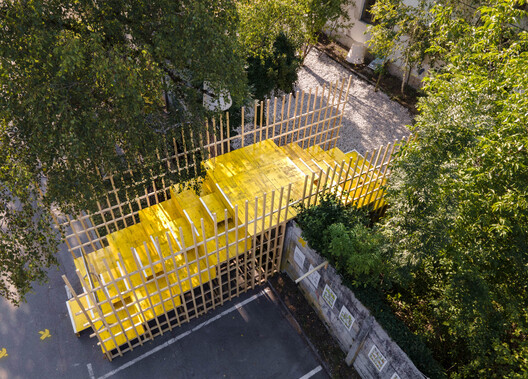
Paris as a Living Laboratory: Proximity, Inclusion, and the School as Climate and Social Infrastructure
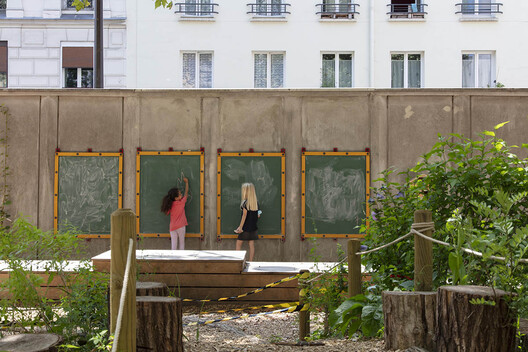
Building Public Life: How Bogotá and Mexico City Addressed Urban Inequality
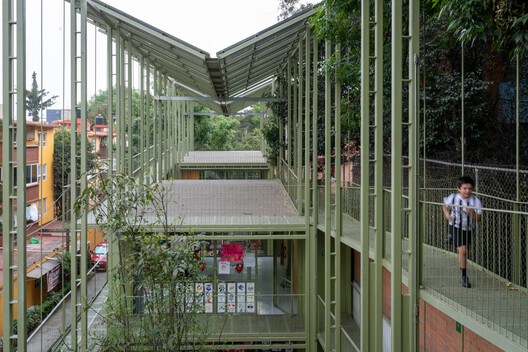
The City as a System of Health: Breaking Feedback Loops in Planning
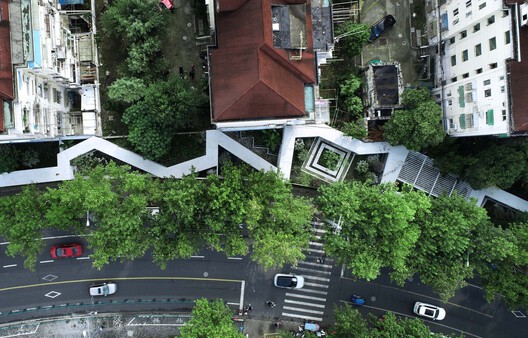
Explore ArchDaily's input into recent United Nations International Days: International Day of Democracy, International Youth Day, International Day of the World's Indigenous Peoples, World Population Day, World Environment Day, Africa Day, and International Mother Earth Day.