1. ArchDaily
  2. Urban Regeneration

Urban Regeneration: The Latest Architecture and News

UNStudio Reveals River-Oriented Master Plan for Former Industrial Site in Cluj-Napoca, Romania

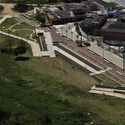
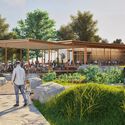
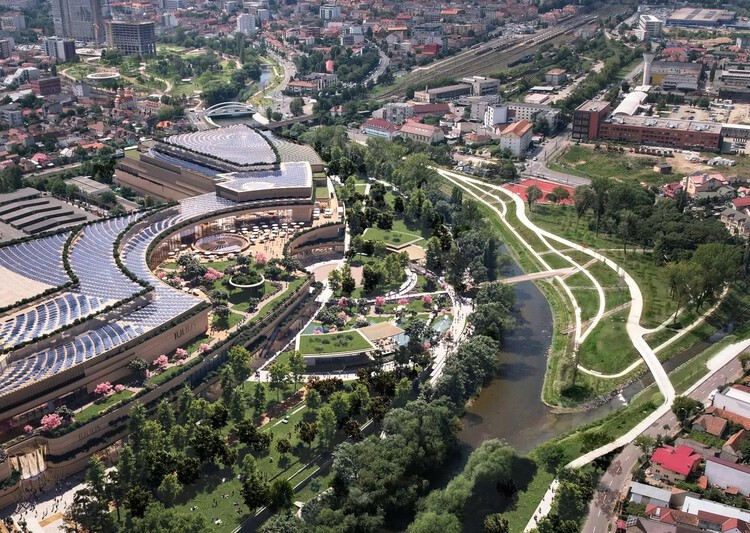
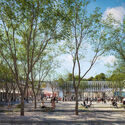
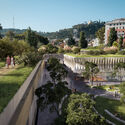
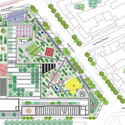
A former industrial site along the Someș River in Cluj-Napoca, Romania, is being transformed into a large-scale mixed-use district that reconnects the city with its waterfront. Designed by UNStudio in collaboration with Felixx Landscape Architects and Planners for developers IULIUS and Atterbury Europe, the RIVUS project combines urban regeneration, adaptive reuse, landscape design, and new public infrastructure within a single framework. Developed through a public participation process involving local residents, the proposal will transform the former Carbochim industrial platform into a river-oriented district organized around public space, mobility, and everyday urban activity.

UNStudio Reveals River-Oriented Master Plan for Former Industrial Site in Cluj-Napoca, Romania - Image 1 of 4UNStudio Reveals River-Oriented Master Plan for Former Industrial Site in Cluj-Napoca, Romania - Image 2 of 4UNStudio Reveals River-Oriented Master Plan for Former Industrial Site in Cluj-Napoca, Romania - Image 3 of 4UNStudio Reveals River-Oriented Master Plan for Former Industrial Site in Cluj-Napoca, Romania - Image 4 of 4UNStudio Reveals River-Oriented Master Plan for Former Industrial Site in Cluj-Napoca, Romania - More Images+ 1

Stefano Boeri Architetti Converts Former Rome Transit Depot Into Multifunctional Civic Space

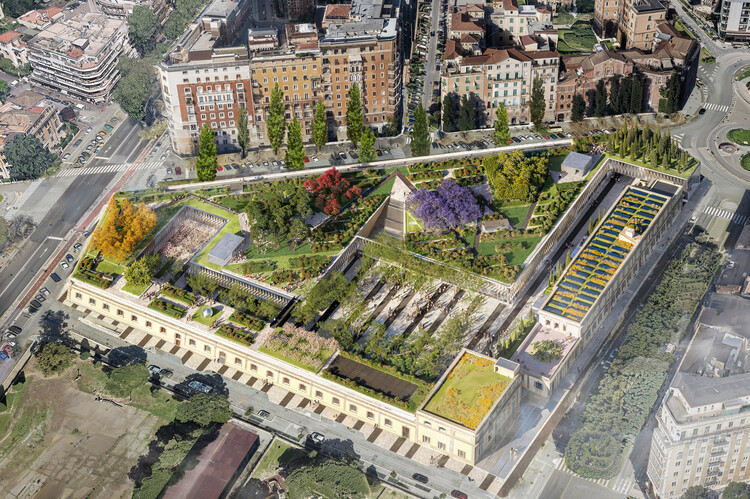
The Rome City Council has approved a Memorandum for the urban regeneration of the Depositi delle Vittorie in Piazza Bainsizza, a former ATAC depot in Rome dating back to the early 1900s. Abandoned for nearly two decades and now privately owned, the site is set to be transformed into a multifunctional complex designed by Stefano Boeri Architetti. The project envisions the adaptive reuse of the former transportation infrastructure through the introduction of cultural, educational, commercial, co-working, and leisure functions, alongside new public spaces and extensive landscaped areas.

Stefano Boeri Architetti Converts Former Rome Transit Depot Into Multifunctional Civic Space - Image 1 of 4Stefano Boeri Architetti Converts Former Rome Transit Depot Into Multifunctional Civic Space - Image 2 of 4Stefano Boeri Architetti Converts Former Rome Transit Depot Into Multifunctional Civic Space - Image 3 of 4Stefano Boeri Architetti Converts Former Rome Transit Depot Into Multifunctional Civic Space - Image 4 of 4Stefano Boeri Architetti Converts Former Rome Transit Depot Into Multifunctional Civic Space - More Images

MVRDV and OODA Reveal Landscape-Led Masterplan for Lisbon’s Marvila Riverfront Regeneration

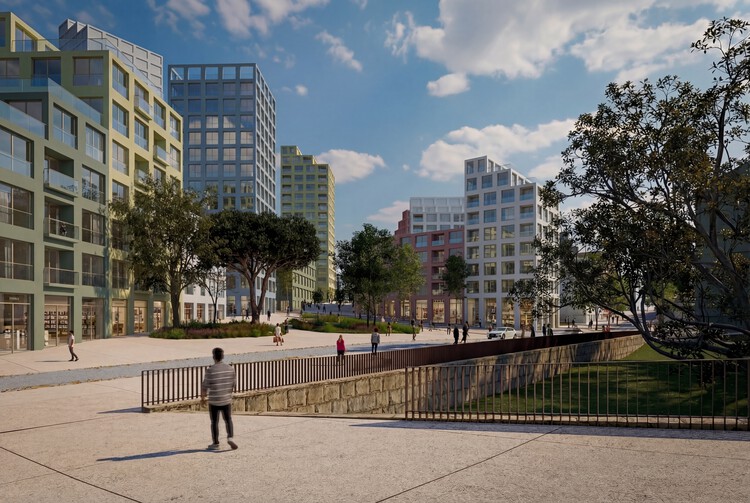
MVRDV and OODA have revealed a new masterplan for the regeneration of a vacant 28-hectare site between Marvila and Beato on Lisbon's riverfront. Recently approved by the Lisbon City Council, the project was developed in collaboration with LOLA Landscape Architects and Thornton Tomasetti to transform the area into a landscape-led urban district. Titled The Marvila Masterplan, the proposal establishes a framework for introducing 1,400 homes alongside public facilities, commercial spaces, and services within a fragmented and largely abandoned territory. The project is a private initiative led by the principal landowner and developed in coordination with the Lisbon City Council and Infraestruturas de Portugal.

MVRDV and OODA Reveal Landscape-Led Masterplan for Lisbon’s Marvila Riverfront Regeneration - Image 1 of 4MVRDV and OODA Reveal Landscape-Led Masterplan for Lisbon’s Marvila Riverfront Regeneration - Image 2 of 4MVRDV and OODA Reveal Landscape-Led Masterplan for Lisbon’s Marvila Riverfront Regeneration - Image 3 of 4MVRDV and OODA Reveal Landscape-Led Masterplan for Lisbon’s Marvila Riverfront Regeneration - Image 4 of 4MVRDV and OODA Reveal Landscape-Led Masterplan for Lisbon’s Marvila Riverfront Regeneration - More Images+ 18

Public Space in Use: Región Austral and the Architecture of Everyday Life

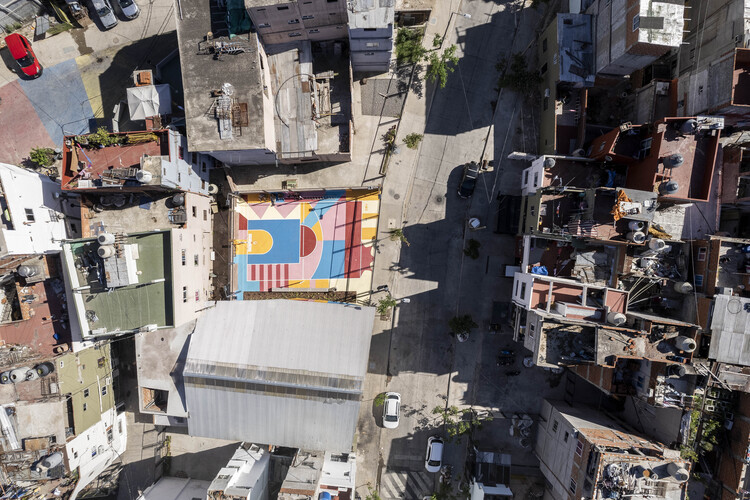
Architecture is often evaluated through what gets built. But in many cases, what matters happens after: how spaces are used, adapted, and made part of everyday life. For Región Austral, winner of ArchDaily's 2025 Next Practices Awards, this is where design really begins. Working across many contexts, the practice approaches public space not as a single object, but as something that needs to be activated, negotiated, and sustained over time. Their projects focus less on defining form and more on creating the conditions for use, with design serving as the starting point.

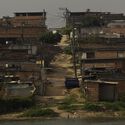
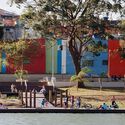
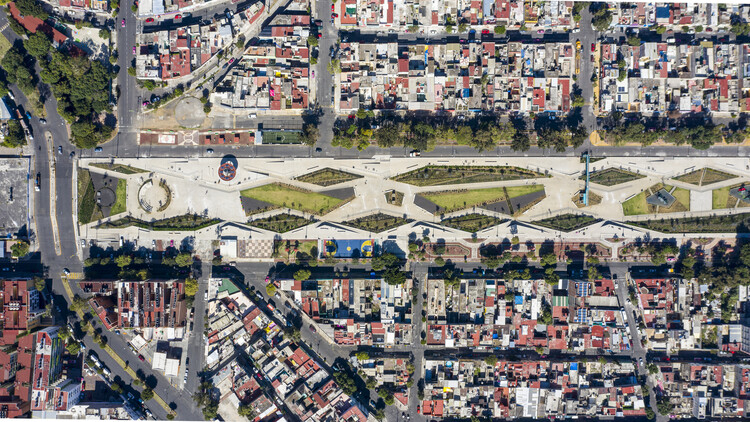
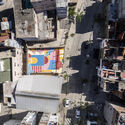
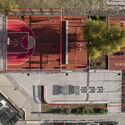
This approach can be seen across different contexts, from the Olympic Neighborhood Square to the Playón de Chacarita network. While each project responds to a specific situation, both explore how public space can support collective life in areas marked by fragmentation and inequality. Instead of following a predefined approach, the work adapts to different urban conditions, using participation and incremental strategies to shape how spaces function over time.

Public Space in Use: Región Austral and the Architecture of Everyday Life - Image 1 of 4Public Space in Use: Región Austral and the Architecture of Everyday Life - Featured ImagePublic Space in Use: Región Austral and the Architecture of Everyday Life - Image 2 of 4Public Space in Use: Región Austral and the Architecture of Everyday Life - Image 3 of 4Public Space in Use: Región Austral and the Architecture of Everyday Life - More Images+ 14

Reimagining the Complete Neighborhood through Urban Renaturing

Subscriber Access | 

The ReGreeneration project, a Horizon Europe project led by Inetum and supported by C40 Cities, ARUP, Placemaking Europe, and several others, operates as an active collaboration with local governments, private companies, academia, and civil society organizations at the intersection of urban regeneration, green public spaces, and neighborhood-scale design. Its premise addresses how European cities are built and maintained and how they experience a changing climate, arguing that cities must fundamentally change to remain livable under accelerating climate pressures.

Reimagining the Complete Neighborhood through Urban Renaturing - Image 1 of 4Reimagining the Complete Neighborhood through Urban Renaturing - Image 2 of 4Reimagining the Complete Neighborhood through Urban Renaturing - Image 3 of 4Reimagining the Complete Neighborhood through Urban Renaturing - Image 4 of 4Reimagining the Complete Neighborhood through Urban Renaturing - More Images+ 12

The Embarcadero Freeway: Elevated Infrastructure and Urban Regeneration in San Francisco

Subscriber Access | 

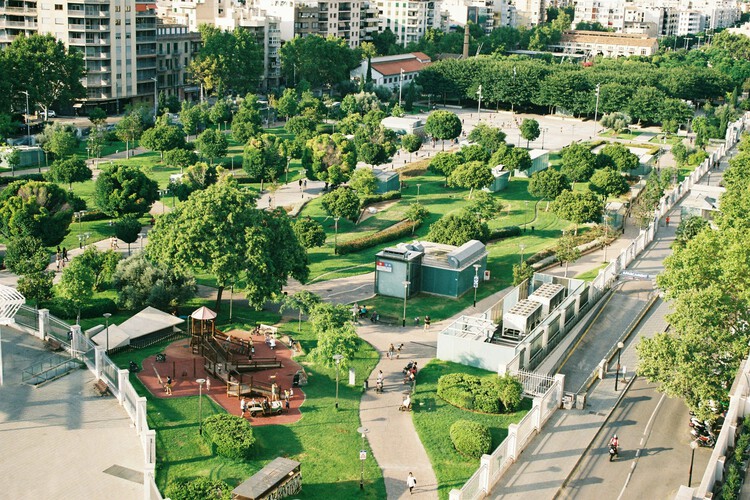
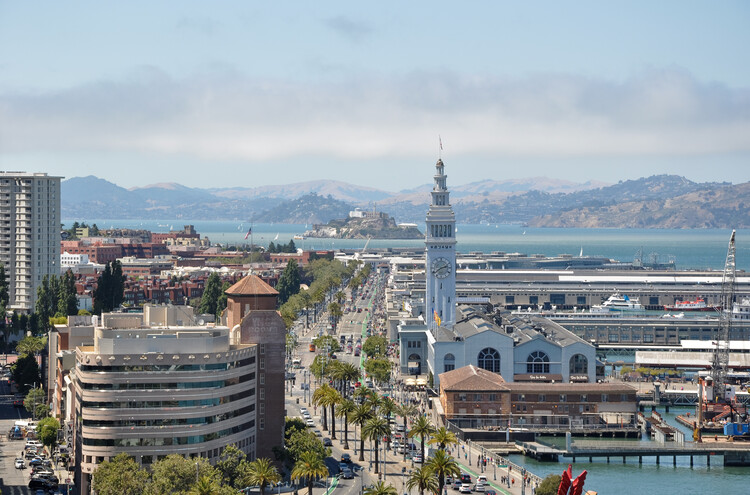
In recent decades, cities across the world have seen an increase in the demolition of elevated concrete freeways. Taipei, Seoul, Portland, and Boston, for example, have all seen the rise and fall of these infrastructures to give way to parks and new urban regeneration ideas. In other cases, like Montreal in Canada, some people opposed the freeways even before they were built, effectively rerouting viaducts, preserving heritage, and freeing waterfront views. For San Francisco, in the United States, the story of the Embarcadero Freeway is one of those narratives that serves as a case study of the city's mid-century infrastructural ambition, people's reaction to the project, and its eventual reversal in favor of urban connectivity.

The Embarcadero Freeway: Elevated Infrastructure and Urban Regeneration in San Francisco - Image 1 of 4The Embarcadero Freeway: Elevated Infrastructure and Urban Regeneration in San Francisco - Image 2 of 4The Embarcadero Freeway: Elevated Infrastructure and Urban Regeneration in San Francisco - Image 3 of 4The Embarcadero Freeway: Elevated Infrastructure and Urban Regeneration in San Francisco - Image 4 of 4The Embarcadero Freeway: Elevated Infrastructure and Urban Regeneration in San Francisco - More Images+ 3

Settanta7 Advances Bosco della Musica Urban Regeneration Project in Milan

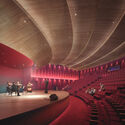
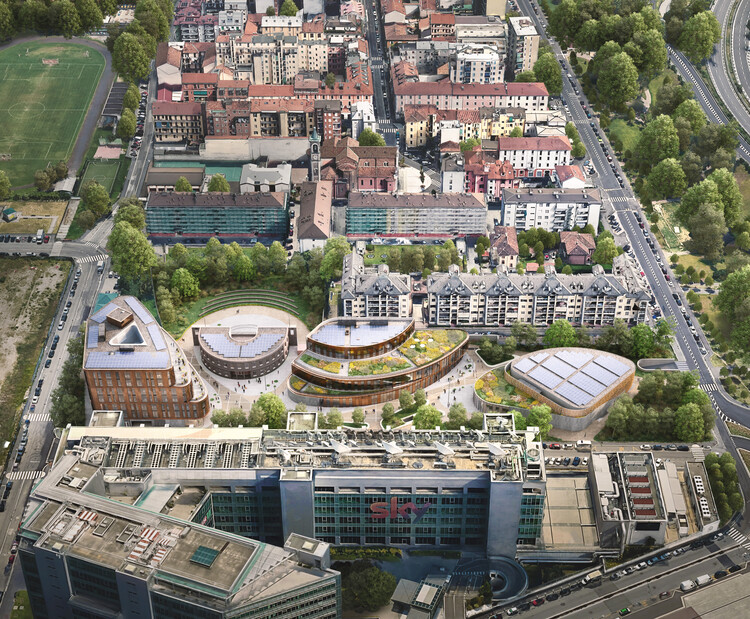
The architecture firm Settanta7 has begun the construction of Bosco della Musica, a new campus for the Conservatorio Giuseppe Verdi in Milan. The site is located in Rogoredo, a former industrial area in the southeastern part of the city, currently under scrutiny due to incidents of violence and public safety concerns. The area is therefore the focus of development initiatives by the Italian Ministry of Transport and Infrastructure, including the competition for this project, which was awarded to Settanta7 in 2022. The firm is responsible for the design and is overseeing the coordination of all disciplines as lead consultant for the construction of the entire project: a broader urban regeneration program that includes the redevelopment of the 17,400 sqm site and the adaptive reuse of the "Ex Chimici" industrial building, alongside the construction of four new buildings, three dedicated to educational activities and one intended for student housing.

Settanta7 Advances Bosco della Musica Urban Regeneration Project in Milan - Image 1 of 4Settanta7 Advances Bosco della Musica Urban Regeneration Project in Milan - Image 2 of 4Settanta7 Advances Bosco della Musica Urban Regeneration Project in Milan - Image 3 of 4Settanta7 Advances Bosco della Musica Urban Regeneration Project in Milan - Image 4 of 4Settanta7 Advances Bosco della Musica Urban Regeneration Project in Milan - More Images+ 1

La Sagrada Familia’s Milestone and New Housing Futures: This Week’s Review

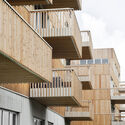
This week began with the World Day of Social Justice, foregrounding urgent questions of labor rights, spatial equity, and resource governance, and framing architecture as both a product of and a response to the social systems that shape access to land, housing, and opportunity. The announcement of the 15 winning projects of the 2026 ArchDaily Building of the Year Awards highlighted a global cross-section of built works recognized for their architectural quality, innovation, and social impact, offering a snapshot of contemporary practice across scales and geographies. This week's news prompts a broader reflection on architecture's civic responsibility, with heritage and community-building through cultural architecture emerging as central themes. Housing, meanwhile, anchors another critical strand of the discussion with three highlighted initiatives: a manifesto reframing housing not as a market commodity but as a civic right and collective project grounded in care; a large-scale waterfront regeneration masterplan responding to regional housing demand through coastal transformation; and a timber residential project that explores the potential of wood in medium-density housing.

La Sagrada Familia’s Milestone and New Housing Futures: This Week’s Review - Image 1 of 4La Sagrada Familia’s Milestone and New Housing Futures: This Week’s Review - Image 2 of 4La Sagrada Familia’s Milestone and New Housing Futures: This Week’s Review - Image 3 of 4La Sagrada Familia’s Milestone and New Housing Futures: This Week’s Review - Image 4 of 4La Sagrada Familia’s Milestone and New Housing Futures: This Week’s Review - More Images+ 18

Studio Egret West to Masterplan the Future Phases of Battersea Power Station Regeneration in London

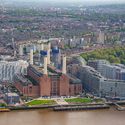
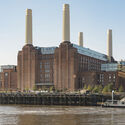
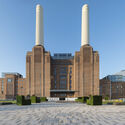
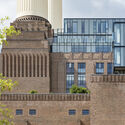
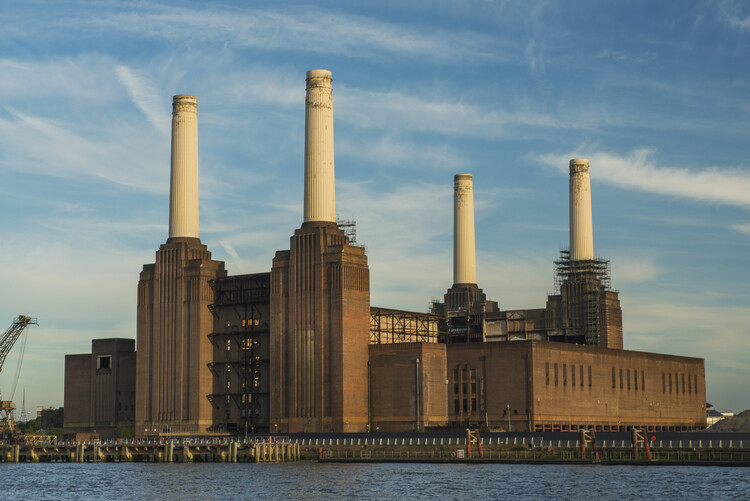
Battersea Power Station is a former coal-fired power station located on the south bank of the River Thames in London, originally designed by architects J. Theo Halliday and Giles Gilbert Scott. Notable for its appearance on the cover of Pink Floyd's 1977 studio album Animals and in Alfred Hitchcock's 1936 film Sabotage, the station is one of the world's largest brick buildings and is known for its Art Deco interior fittings and décor. Recognized today as part of modern industrial heritage, the site's transformation into a commercial development began in 2012, with the adaptive reuse guided by a masterplan designed by Rafael Viñoly. On February 16, Battersea Power Station announced the appointment of the strategic urban design practice Studio Egret West to evolve the original masterplan for the remaining 16 acres of the 42-acre riverside neighbourhood in the southwest London.

Studio Egret West to Masterplan the Future Phases of Battersea Power Station Regeneration in London - Image 4 of 4Studio Egret West to Masterplan the Future Phases of Battersea Power Station Regeneration in London - Image 1 of 4Studio Egret West to Masterplan the Future Phases of Battersea Power Station Regeneration in London - Image 2 of 4Studio Egret West to Masterplan the Future Phases of Battersea Power Station Regeneration in London - Image 3 of 4Studio Egret West to Masterplan the Future Phases of Battersea Power Station Regeneration in London - More Images

Designing With, Not For: CatalyticAction’s Participatory Practice

Architecture is often evaluated through finished forms, yet some practices operate in a different register, one where design unfolds through relationships, time, and use rather than through a single outcome. For CatalyticAction, participation is not a parallel social activity, but the means through which spaces are conceived, constructed, and sustained over time.

Based between Beirut and London, the practice has worked across the Middle East and Europe, developing public spaces, schools, playgrounds, and everyday urban infrastructures through long-term collaboration with local communities. Grounded in participatory research and collective decision-making, this approach was recognized through ArchDaily's 2025 Next Practices Awards, highlighting a mode of practice where architecture is understood as a shared, evolving process rather than a fixed object. In this context, architectural value is measured through continuity, use, and collective ownership, rather than through form alone.

Designing With, Not For: CatalyticAction’s Participatory Practice - Image 1 of 4Designing With, Not For: CatalyticAction’s Participatory Practice - Image 2 of 4Designing With, Not For: CatalyticAction’s Participatory Practice - Image 3 of 4Designing With, Not For: CatalyticAction’s Participatory Practice - Image 4 of 4Designing With, Not For: CatalyticAction’s Participatory Practice - More Images+ 21

Renzo Piano Building Workshop Redesigns Montparnasse Commercial Centre as a Pedestrian District

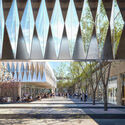
During a presentation to the press held at Paris City Hall on January 7, 2026, architect and Pritzker Prize laureate Renzo Piano released the first images of the transformation of Montparnasse's emblematic shopping center and CIT Tower into a pedestrian-focused district in Paris, France. The project, commissioned to Renzo Piano Building Workshop (RPBW) in 2022 by the co-owners of the commercial complex, proposes both a visual and functional transformation of the 1970s low-rise retail development into a more traversable space characterized by transparency and openness. The design was developed in parallel with the redevelopment of the Montparnasse Tower, led by Nouvelle AOM, to reshape the broader tertiary complex into a contemporary Parisian block oriented toward public life, environmental performance, and everyday use. The project reopens the site to the city, reconnecting streets and restoring continuity between Montparnasse and its surrounding neighborhoods through new public spaces.

Renzo Piano Building Workshop Redesigns Montparnasse Commercial Centre as a Pedestrian District - Image 1 of 4Renzo Piano Building Workshop Redesigns Montparnasse Commercial Centre as a Pedestrian District - Image 2 of 4Renzo Piano Building Workshop Redesigns Montparnasse Commercial Centre as a Pedestrian District - Image 3 of 4Renzo Piano Building Workshop Redesigns Montparnasse Commercial Centre as a Pedestrian District - Image 4 of 4Renzo Piano Building Workshop Redesigns Montparnasse Commercial Centre as a Pedestrian District - More Images+ 12

From Ecologies to Everyday Life: Reflecting on Architectural Exhibitions in 2025

This past year marked a period of introspection for architecture. As 2025 unfolded, the discipline, confronted with evolving environmental and social realities, entered a broader turning point in how it understands its role and how users engage with it. Throughout the year, exhibitions shifted focus away from buildings as isolated objects toward a broader understanding of relationships between ecology, equity, everyday life, and collective imaginaries. Across institutions and cities, they operated less as showcases and more as discursive platforms: places where architecture was not only presented, but also imagined, questioned, and collectively redefined.

While exhibitions have long functioned as sites of discourse, politics, and community, this role became more explicit in 2025. As Carlo Ratti noted in an ArchDaily interview during the pre-opening of the Venice Architecture Biennale 2025, exhibitions today can "hybridize the way that people come together," an ambition that echoed across cities and institutions as exhibitions evolved into spaces for debate, experimentation, and collective reflection. Exhibitions are places where architects and designers meet, where conversations unfold openly with the public, and where ideas emerge through spontaneous exchanges among passersby. Exhibitions became spaces where architectural discourse extended beyond professional circles, opening conversations to broader publics through everyday encounters, shared experiences, and informal exchanges.

From Ecologies to Everyday Life: Reflecting on Architectural Exhibitions in 2025 - Image 1 of 4From Ecologies to Everyday Life: Reflecting on Architectural Exhibitions in 2025 - Image 2 of 4From Ecologies to Everyday Life: Reflecting on Architectural Exhibitions in 2025 - Image 3 of 4From Ecologies to Everyday Life: Reflecting on Architectural Exhibitions in 2025 - Image 4 of 4From Ecologies to Everyday Life: Reflecting on Architectural Exhibitions in 2025 - More Images+ 35

European Capitals of Culture 2026: Oulu and Trenčín Chosen to Lead Europe’s Cultural Program

The European Capital of Culture (ECoC) initiative was launched in 1985 and has, to date, been awarded to more than 60 cities across Europe. It is designed to celebrate and promote cultural diversity on the continent, strengthen European citizens' sense of belonging to a shared cultural space, and foster culture's contribution to urban development. In practice, the designation has proven to be a catalyst for urban regeneration, tourism growth, the strengthening of cities' international profiles, and the improvement of how they are perceived by their own residents. European Capitals of Culture are formally designated four years before the title year, allowing time to plan, prepare, and embed the program within a long-term cultural strategy, establish European partnerships, and ensure that appropriate infrastructure is in place. In 2025, the European Capitals of Culture are the German city of Chemnitz and the Slovenian city of Nova Gorica. For 2026, the designated cities are Oulu in Finland and Trenčín in Slovakia.

European Capitals of Culture 2026: Oulu and Trenčín Chosen to Lead Europe’s Cultural Program - Image 1 of 4European Capitals of Culture 2026: Oulu and Trenčín Chosen to Lead Europe’s Cultural Program - Image 2 of 4European Capitals of Culture 2026: Oulu and Trenčín Chosen to Lead Europe’s Cultural Program - Image 3 of 4European Capitals of Culture 2026: Oulu and Trenčín Chosen to Lead Europe’s Cultural Program - Image 4 of 4European Capitals of Culture 2026: Oulu and Trenčín Chosen to Lead Europe’s Cultural Program - More Images+ 1

From Factories to Futures: Adaptive Reuse in the Post-Industrial City

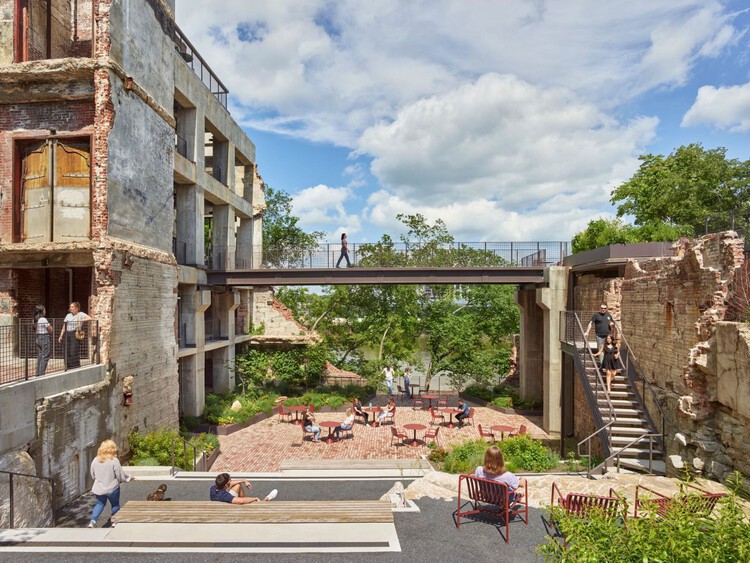
In cities across the world, the relics of industrial production have become the laboratories of a new urban condition. Warehouses, power plants, and shipyards, once symbols of labor and progress, now stand as vast empty shells, waiting to be reimagined. Rather than erasing these structures, architects are finding creative ways to adapt them to contemporary needs, transforming spaces of manufacture into spaces of culture, education, and community life.
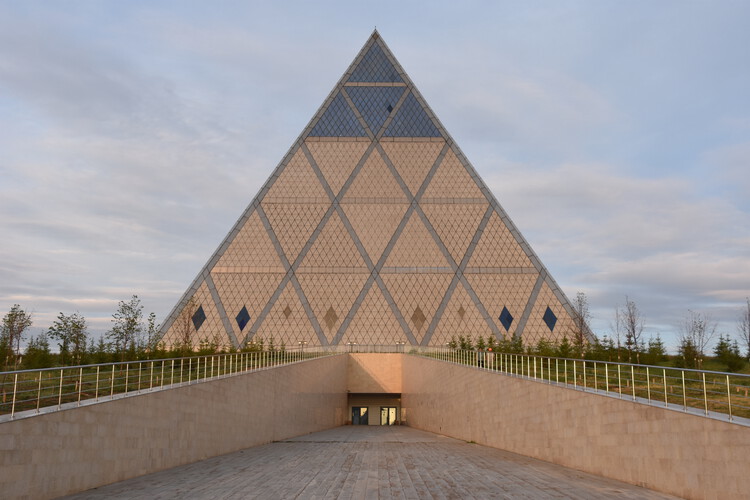
This shift reflects a broader change in architectural priorities: building less and reusing more. The practice of adaptive reuse responds simultaneously to environmental urgency and to the need for cultural continuity in urban environments.

From Factories to Futures: Adaptive Reuse in the Post-Industrial City - Image 1 of 4From Factories to Futures: Adaptive Reuse in the Post-Industrial City - Image 2 of 4From Factories to Futures: Adaptive Reuse in the Post-Industrial City - Image 3 of 4From Factories to Futures: Adaptive Reuse in the Post-Industrial City - Image 4 of 4From Factories to Futures: Adaptive Reuse in the Post-Industrial City - More Images+ 17

The Role of Architects Is Shifting: From Solitary Visionaries to Collective Activists

 | In Collaboration

For a long time, architecture was understood as an essentially individual activity, dependent on the figure of a creative genius and centered on the ability to solve problems through drawing. Over time, this image began to fade. The protagonism once concentrated in a few names reached its peak during the era of the starchitects and gradually became distributed among offices, collectives, and multidisciplinary teams. Today, architects are expanding their boundaries into other fields such as gastronomy, music, design, and the corporate world, applying spatial thinking to address challenges of various kinds. As social, environmental, and political crises deepen, the role of the architect continues to evolve from a solitary author to a mediator, activist, and collective agent of transformation. This shift reflects an ethical awakening and a recognition that design, regulation, and care are inseparable dimensions of contemporary practice.
Urban Regeneration in Greece: The Ellinikon Master Plan and Beyond

Greece's built environment is shaped by the coexistence of multiple architectural layers, where historic structures, modern interventions, and evolving urban systems intersect. Classical landmarks and their surrounding urban fabrics continue to inform the spatial character of cities, while postwar developments, infrastructural upgrades, and contemporary projects add new dimensions to the country's architectural landscape. This continuity between past and present provides the foundation for current design approaches, which increasingly focus on balancing heritage, environmental considerations, and contemporary urban needs.

Urban Regeneration in Greece: The Ellinikon Master Plan and Beyond - Image 1 of 4Urban Regeneration in Greece: The Ellinikon Master Plan and Beyond - Image 2 of 4Urban Regeneration in Greece: The Ellinikon Master Plan and Beyond - Image 3 of 4Urban Regeneration in Greece: The Ellinikon Master Plan and Beyond - Image 4 of 4Urban Regeneration in Greece: The Ellinikon Master Plan and Beyond - More Images+ 6

How Open-Source Toolkits Are Democratizing Built Heritage

For monuments worthy of sustained admiration, conservation practices have been selectively mobilized to reinforce their prestige and secure their place at the center of heritage narratives. Structures whose vernacular ought to be passed down miss the discerning eye of the experts. Rowhouses, shopfronts, and neighborhood structures that form the fabric of our cities are often left to deteriorate beyond repair. Much more is lost, apart from aesthetics.

How Open-Source Toolkits Are Democratizing Built Heritage - Image 1 of 4How Open-Source Toolkits Are Democratizing Built Heritage - Image 2 of 4How Open-Source Toolkits Are Democratizing Built Heritage - Image 3 of 4How Open-Source Toolkits Are Democratizing Built Heritage - Image 4 of 4How Open-Source Toolkits Are Democratizing Built Heritage - More Images+ 4

Frankfurt Architecture City Guide: 20 Projects Tracing a Skyline Between History and Modernity

Subscriber Access | 

Frankfurt is often recognised for its distinctive skyline, a rare feature in European cities. Towering glass skyscrapers mark its role as a global financial hub, yet beneath this vertical image lies a city layered with centuries of history, destruction, and reconstruction. From medieval timber-framed houses to post-war modernism and contemporary high-rises, Frankfurt has consistently reinvented itself through architecture, producing a built environment where different periods coexist in dialogue.
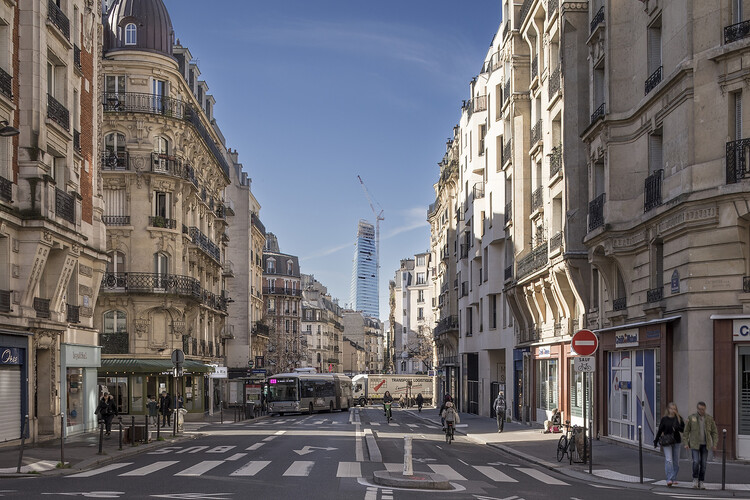
The city's transformation accelerated after World War II, when much of its historic core was destroyed and planners sought to balance rapid economic growth with the need for cultural reconstruction. Landmarks such as the Römerberg square were meticulously rebuilt, while modernist interventions and infrastructural projects introduced new scales and languages. More recently, projects by internationally renowned offices have reshaped the riverfront and business districts, adding architectural icons that express Frankfurt's global role.
Frankfurt Architecture City Guide: 20 Projects Tracing a Skyline Between History and Modernity - Image 1 of 4Frankfurt Architecture City Guide: 20 Projects Tracing a Skyline Between History and Modernity - Image 2 of 4Frankfurt Architecture City Guide: 20 Projects Tracing a Skyline Between History and Modernity - Image 3 of 4Frankfurt Architecture City Guide: 20 Projects Tracing a Skyline Between History and Modernity - Image 4 of 4Frankfurt Architecture City Guide: 20 Projects Tracing a Skyline Between History and Modernity - More Images+ 23