Subscriber Access

Form Follows Formation: How Architecture Works with Geological Shapes

6:51
6:51

A canyon is a space no one designed. Its walls expose layers of rock deposited over millions of years, and the passage between them exists because water slowly wore that rock away. Glaciers shaped valleys in a similar way, leaving slopes behind as the ice retreated. Long before architects began shaping spaces, the Earth was already producing them.

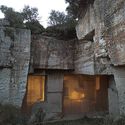
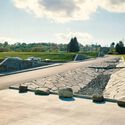
Architects have long looked to the ground for geometry. A cliff can suggest a section, a cavity a room, and layered rock a way of stacking material. Some architects build directly into an existing formation, occupying a slope or a cavity on site. Others study a formation and reproduce some of its characteristics elsewhere, from precise geological data to the general experience of a landscape.
Form Follows Formation: How Architecture Works with Geological Shapes - Image 2 of 28Form Follows Formation: How Architecture Works with Geological Shapes - Image 3 of 28Form Follows Formation: How Architecture Works with Geological Shapes - Image 4 of 28Form Follows Formation: How Architecture Works with Geological Shapes - Image 5 of 28Form Follows Formation: How Architecture Works with Geological Shapes - More Images+ 23

Content Loader

Image gallery

See allShow less
About this author
Cite: Daniela Andino. "Form Follows Formation: How Architecture Works with Geological Shapes" 27 Oct 2026. ArchDaily. Accessed . <https://www.archdaily.com/1187166/form-follows-formation-how-architecture-works-with-geological-shapes> ISSN 0719-8884
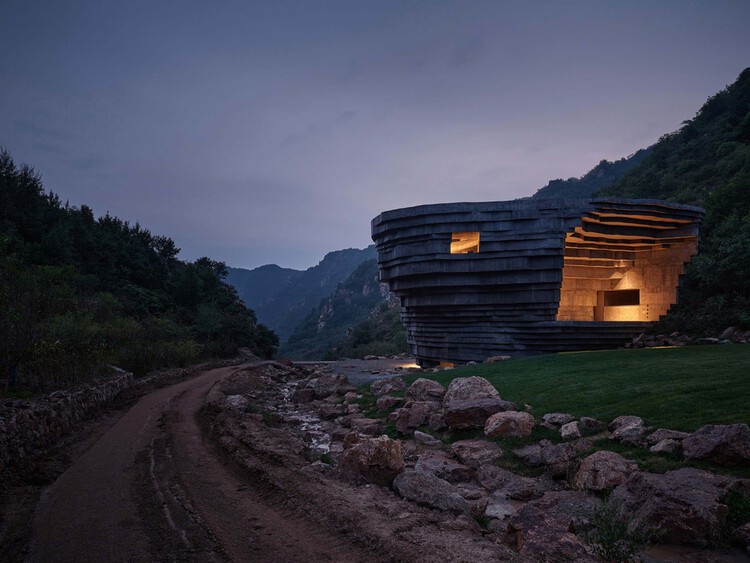
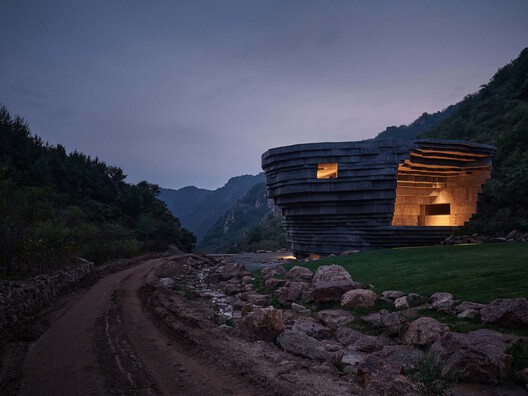
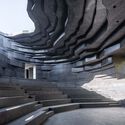
Chapel of Sound / OPEN Architecture. Image © Jonathan Leijonhufvud

形式追随地层:建筑如何与地质形态协同

是否

You've started following your first account!

Did you know?

You'll now receive updates based on what you follow! Personalize your stream and start following your favorite authors, offices and users.