
UN-Habitat has announced the five recipients of the 2026 Scroll of Honour Award, recognizing contributions to adequate housing and sustainable urban development in Brazil, Myanmar, Pakistan, Tunisia, and the United Kingdom. This year's winners include a housing organization working with communities affected by conflict and displacement, a researcher developing building materials from local and mining residues, an Indigenous village in Brazil, a public housing agency in Pakistan, and London Mayor Sadiq Khan. Selected from 101 nominations submitted across Africa, Asia, Europe, and the Americas, the recipients represent a range of approaches to addressing housing and urban development challenges.


Launched in 1989, the UN-Habitat Scroll of Honour Award recognizes individuals and institutions whose work contributes to adequate housing, sustainable urbanization, and improved urban life. It also recognizes efforts supporting the New Urban Agenda and the 2030 Agenda for Sustainable Development. The awards come as UN-Habitat continues to highlight the scale of the global housing challenge. According to the organization's World Cities Report 2026, up to 3.4 billion people lack adequate housing, while its SDG 11 Global Report 2026 reports that more than 1.1 billion people now live in informal settlements and slums, an increase of more than 130 million since 2015. The 2026 World Habitat Day theme, "Adequate Housing for All," similarly emphasized the role of housing as a foundation for inclusive, sustainable, and resilient cities.
Read on to discover the 2026 Scroll of Honour Award winners.
Related Article
On World Architecture Day 2026: A Call to Build Better, Build Differently, and Share ResourcesHousing NOW / Bago, Myanmar
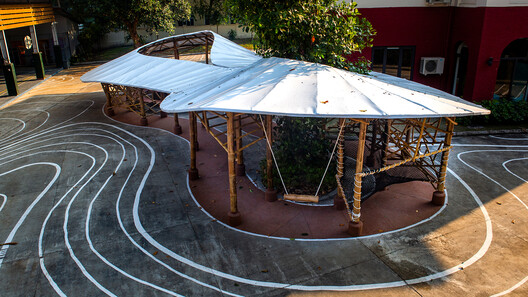
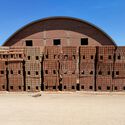
Housing NOW is a Myanmar-based bamboo construction organization developing affordable housing and community infrastructure for people affected by conflict, displacement, poverty, and disasters. Its construction system combines locally available bamboo, traditional knowledge, and prefabrication, with components prepared using portable guides and assembled on site. The organization has applied the approach to homes as well as schools, preschools, community centers, and medical facilities, including projects for communities affected by the 2025 earthquake. UN-Habitat also notes that Housing NOW employs members of the communities it serves and provides illustrated construction guides to support local builders.
Aldeia do Espraiado – Tekoa Ara Hovy / Maricá, Brazil
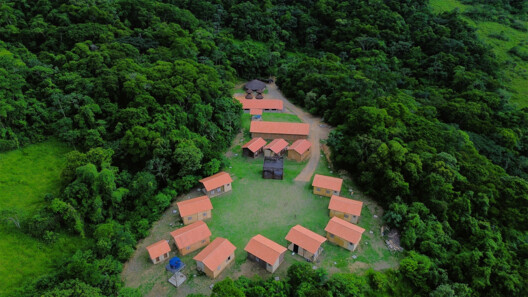
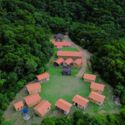
In Maricá, Aldeia do Espraiado – Tekoa Ara Hovy provides a permanent settlement for a Guarani Mbyá community and was recognized as Brazil's first Indigenous village established by a municipality. Thirteen families moved to the village in early 2025 after previously living within a state park without secure land tenure or access to several basic services. Developed with the participation of the community, the settlement includes traditional homes, a bilingual school, a health post, a cultural center, a community kitchen, water infrastructure, and solar lighting in shared areas. The initiative combines municipal investment with community participation and traditional building practices.
Punjab Housing and Town Planning Agency / Lahore, Pakistan
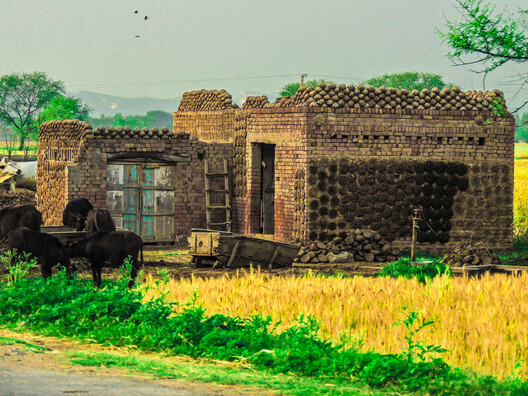
The Punjab Housing and Town Planning Agency is the government agency responsible for implementing the province's Apni Chhat Apna Ghar housing program, which supports low-income households that already own land but lack the resources to construct a home. Launched in 2024, the program aims to facilitate 100,000 affordable houses and apartments across Punjab, with eligible households receiving interest-free financing to build on their own plots. Applications and parts of the program's implementation are managed through digital systems, while the Bank of Punjab and partner microfinance institutions support the financing process. UN-Habitat recognized the agency for expanding access to safe and affordable housing among low-income households.
Abdelmalek Ghannem / Bizerte, Tunisia
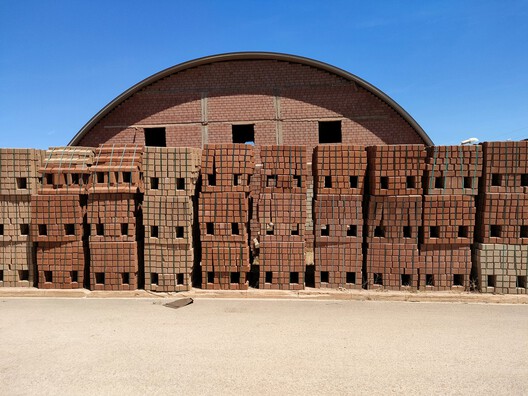
Abdelmalek Ghannem, a sustainable construction specialist and founder of Société Industrielle de Blocs (SOIB), has developed building systems using locally available materials and industrial residues. Established in Bizerte in 2009, SOIB produces compressed stabilized earth blocks and interlocking construction systems that incorporate residues from quarries and mining. The blocks require less cement and mortar than conventional masonry, while their composition can contribute to thermal performance in hot climates. According to UN-Habitat, the approach has been used in more than 100 building projects across Tunisia, with the organization also providing training for architects, engineers, and builders.
Mayor Sadiq Khan / London, United Kingdom
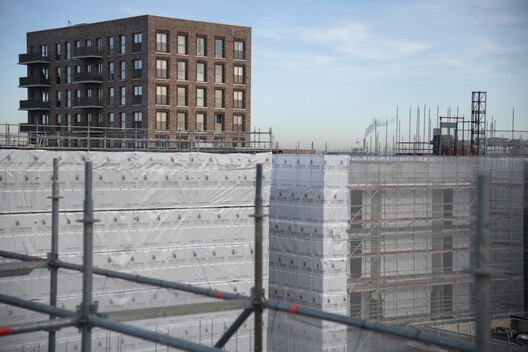
Sadiq Khan was recognized for his work on affordable and sustainable housing and inclusive, climate-resilient urban development during his tenure as Mayor of London. His housing programs have included support for new council housing and affordable homes through City Hall funding, alongside policies targeting housing for key workers. In January 2026, Khan launched the Key Worker Living Rent initiative, with a target of starting at least 6,000 rent-controlled homes by 2030, with rents linked to the incomes of workers including nurses, teachers, carers, and bus drivers.
The 2026 Scroll of Honour Award comes amid a broader wave of initiatives addressing housing affordability and access. In Europe, the "Right to Housing! Now and Forever" European Citizens' Initiative launched its signature campaign in September, while the OBEL Award recognized the Balearic Social Housing Model for rethinking social housing administration. In the United States, the bipartisan ROAD to Housing Act became law in July, revising federal housing programs, financing, construction regulations, and community grants.