1. ArchDaily
  2. Sustainable Housing

Sustainable Housing: The Latest Architecture and News

The Courtyard as Architecture’s Lightest Cooling System

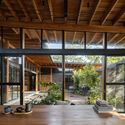
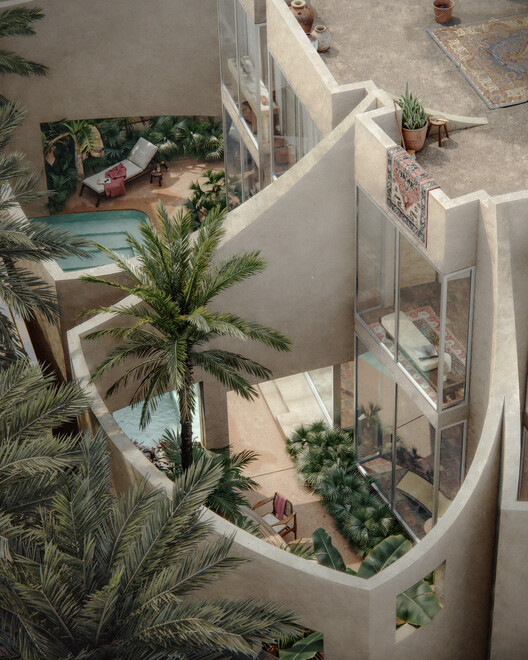
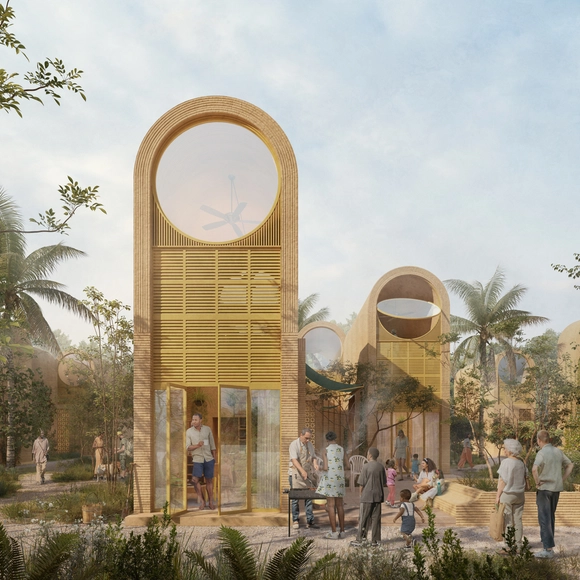
The courtyard is often remembered as a figure from the past, an inward-looking space of nostalgia, culture, and domestic ritual. But this framing misses its primary role. Before it was symbolic, the courtyard was operational. It organized air, moderated light, and absorbed heat. It did not decorate architecture; it made it habitable. In contemporary housing, these functions are normally delegated to mechanical systems, applied after form is fixed. In courtyard houses, they are resolved spatially, before a wall is even built.

What appears as a recurring typology across regions is, in fact, a set of highly specific responses to climate. The courtyard in Egypt does not behave like the courtyard in Morocco, nor like the courtyard in India. Each is calibrated to a different environmental problem, using the same spatial device. To read them as a single type is to flatten their intelligence. To compare them is to understand how climate can be embedded directly into form.

The Courtyard as Architecture’s Lightest Cooling System - Image 1 of 4The Courtyard as Architecture’s Lightest Cooling System - Image 2 of 4The Courtyard as Architecture’s Lightest Cooling System - Image 3 of 4The Courtyard as Architecture’s Lightest Cooling System - Image 4 of 4The Courtyard as Architecture’s Lightest Cooling System - More Images+ 10

Setbacks as Courtyards: How Civil Architecture Reimagines the Gulf House in Bahrain

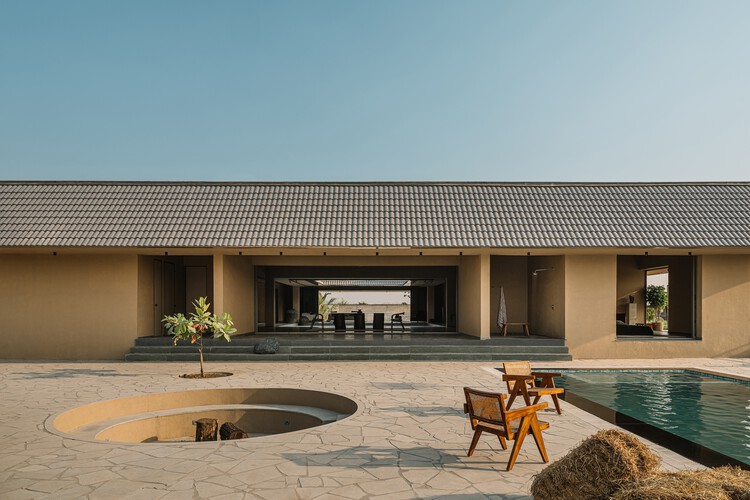
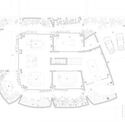
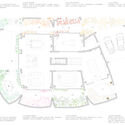
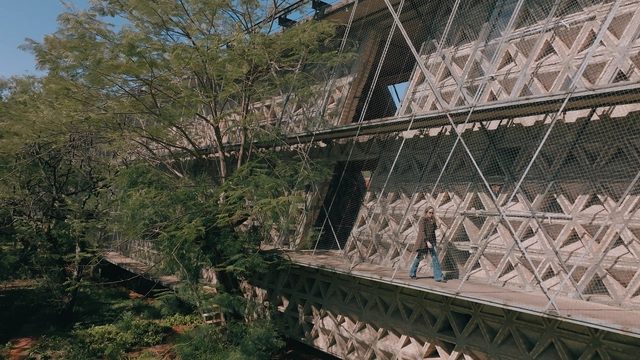
For centuries, domestic architecture throughout the Gulf has been organized around the courtyard. Houses presented thick exterior walls and limited openings to the street, turning inward toward a shaded garden that structured everyday life. This spatial arrangement responded to both climate and culture. The courtyard brought daylight into deep plans, enabled cross-ventilation, and provided a protected outdoor environment within dense urban fabrics. In the House with Seven Gardens, in Diyar Al Muharraq, Bahrain, the Bahrain-based practice Civil Architecture, one of the winners of the ArchDaily 2025 Next Practices Awards, revisits this spatial tradition through the conditions of contemporary suburban housing. Rather than reproducing the courtyard house as a historical model, the project reinterprets its environmental logic within the regulatory frameworks and spatial conditions that shape much of today's urban development in the Gulf.

Setbacks as Courtyards: How Civil Architecture Reimagines the Gulf House in Bahrain - Image 1 of 4Setbacks as Courtyards: How Civil Architecture Reimagines the Gulf House in Bahrain - Image 2 of 4Setbacks as Courtyards: How Civil Architecture Reimagines the Gulf House in Bahrain - Image 3 of 4Setbacks as Courtyards: How Civil Architecture Reimagines the Gulf House in Bahrain - Image 4 of 4Setbacks as Courtyards: How Civil Architecture Reimagines the Gulf House in Bahrain - More Images+ 3

From Design Fiction to Design Futures: The Changing Role of Architecture in Cultural Production

When Archigram published their fanatical vision for pneumatic cities and walking megastructures in the 1960s, they seemed to be designing buildings. Beneath the surface, the avant-gardeists were pushing culture through radical alternatives to lifestyles and forms of organizing in the city. Laboratories found themselves between the lines of copy on Domus or Casabella magazines, propositions doubling as blueprints for the civilizations to come. From Gropius's Bauhaus in 1919 to Arcosanti's desert experiments in the 1970s, architecture operated as a form of cultural prophecy. Built form was the argument. The drawing was the vision. Today, we live in a world that remarkably resembles what the starchitects of the 1900s imagined - modular construction, interconnected digital cities, and automated systems. Yet contemporary architecture rarely proposes culture with the same totalizing confidence.

From Design Fiction to Design Futures: The Changing Role of Architecture in Cultural Production - Image 1 of 4From Design Fiction to Design Futures: The Changing Role of Architecture in Cultural Production - Image 2 of 4From Design Fiction to Design Futures: The Changing Role of Architecture in Cultural Production - Image 3 of 4From Design Fiction to Design Futures: The Changing Role of Architecture in Cultural Production - Image 4 of 4From Design Fiction to Design Futures: The Changing Role of Architecture in Cultural Production - More Images+ 1

The Nubian Vault: Reviving Ancient Techniques for Modern Solutions

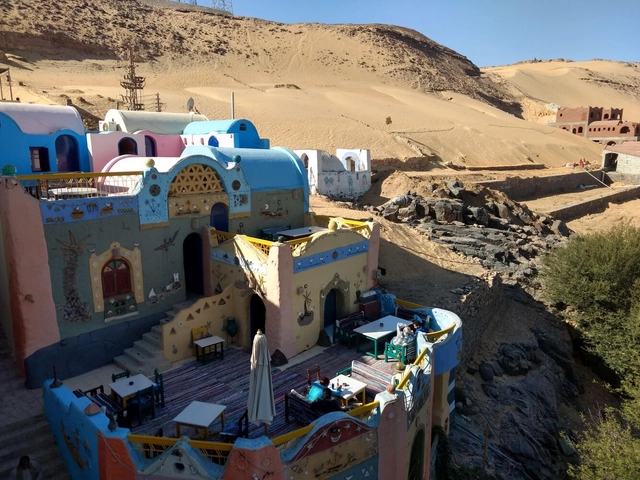
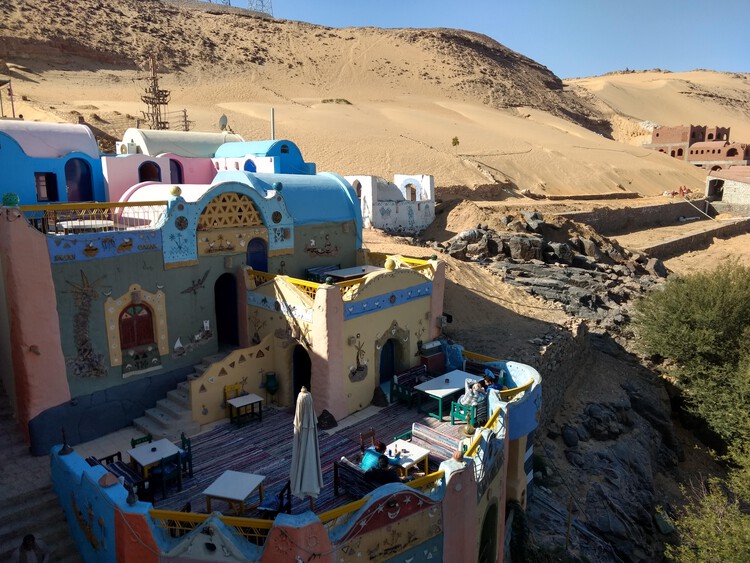
The colorful houses of Aswan in the south of modern-day Egypt attract tourists who venture that far up the River Nile. Accessed by small river boats, islands like Suheil West are the homes of Nubian communities, some of whom had had to relocate after the building of the Aswan High Dam in the 1960s. Behind the picturesque views of plastered walls covered in murals and motifs, perched on rocky hills overlooking the Nile, is a construction technique used locally for centuries. It uses locally sourced materials, conserves nature, and regulates internal temperatures against the heat in the day and the cold at night.
The Nubian Vault: Reviving Ancient Techniques for Modern Solutions - Image 1 of 4The Nubian Vault: Reviving Ancient Techniques for Modern Solutions - Image 2 of 4The Nubian Vault: Reviving Ancient Techniques for Modern Solutions - Image 3 of 4The Nubian Vault: Reviving Ancient Techniques for Modern Solutions - Image 4 of 4The Nubian Vault: Reviving Ancient Techniques for Modern Solutions - More Images+ 8

How to Design Residential Urban Terraces: Strategies for Living Well in High Places

Subscriber Access | 

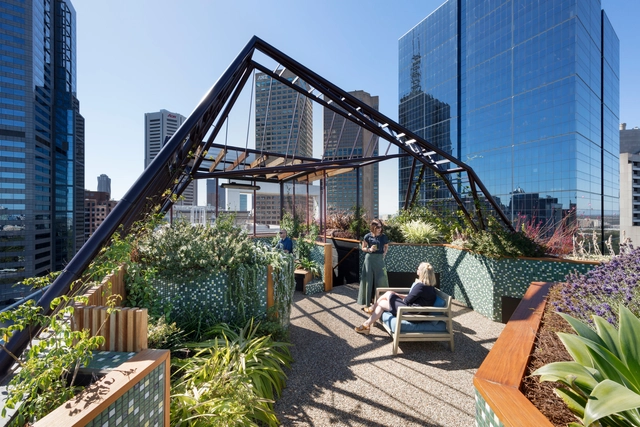
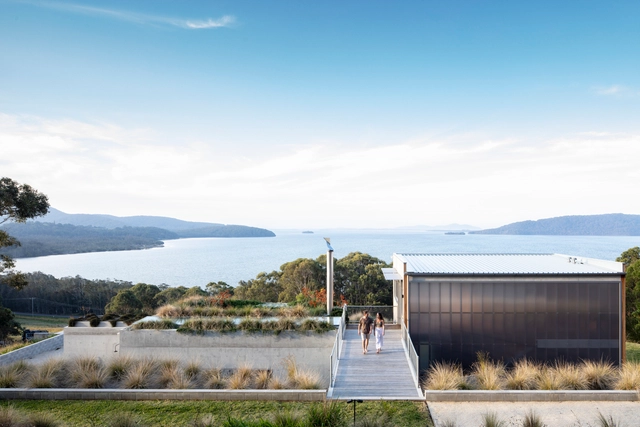
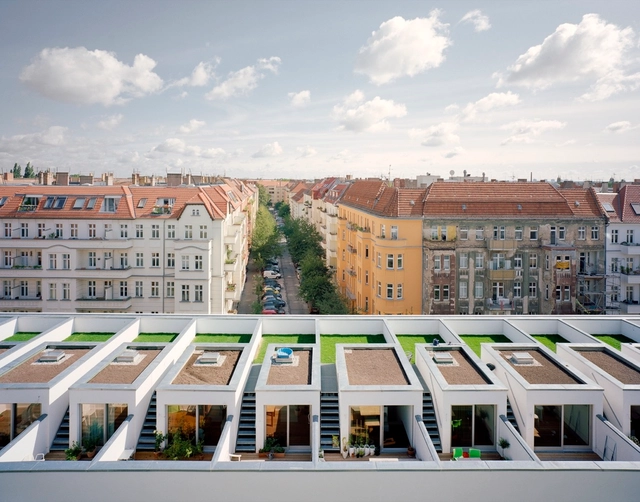
In today’s dense, vertical cities, terraces—often overlooked as mere technical rooftops—are emerging as key spaces for reconnecting with nature, expanding residential functions, and offering moments of collective relief. Particularly in single-family homes located in compact urban areas, these elevated surfaces represent valuable opportunities to increase usable living space without occupying more land. By lifting daily life above street level, terraces open new ways of inhabiting the city, enabling a range of uses from leisure and contemplation to food production and social gathering. In contexts marked by limited green space and strained infrastructure, they hold the potential to generate what landscape architect Catherine Mosbach calls "additional layers of urbanity." Whether imagined as hanging gardens, gathering spots, edible landscapes, or wellness zones, terraces challenge the idea that the city ends at the top floor—inviting us to see the roof as a new kind of ground.

How to Design Residential Urban Terraces: Strategies for Living Well in High Places - Image 1 of 4How to Design Residential Urban Terraces: Strategies for Living Well in High Places - Image 2 of 4How to Design Residential Urban Terraces: Strategies for Living Well in High Places - Image 3 of 4How to Design Residential Urban Terraces: Strategies for Living Well in High Places - Image 4 of 4How to Design Residential Urban Terraces: Strategies for Living Well in High Places - More Images+ 16

Kop Dakpark: The Project by INBO and h3o architects that Redefines Social Housing in Rotterdam

Subscriber Access | 

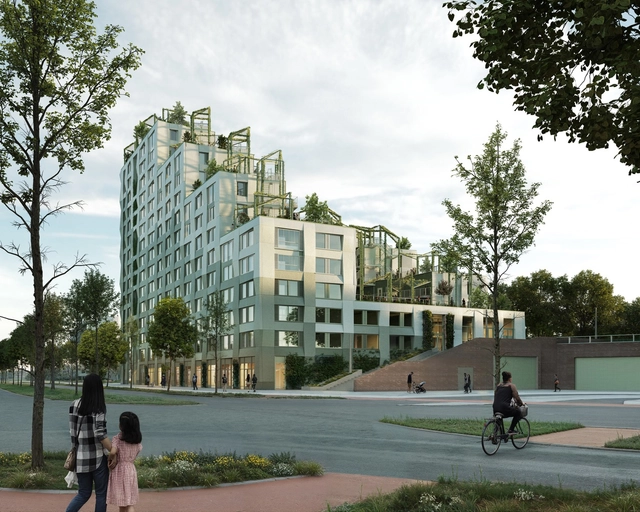
Located at the edge of Rotterdam's iconic Dakpark, the new Kop Dakpark project, designed by the architectural firms INBO and h3o, stands as an innovative model of sustainable and inclusive housing. Developed by Woonstad Rotterdam, this residential complex includes 153 affordable homes —63 social and 90 middle-income— that not only address the need for housing but also integrate nature and community to enhance both the urban and ecological landscape.

Kop Dakpark: The Project by INBO and h3o architects that Redefines Social Housing in Rotterdam - Image 1 of 4Kop Dakpark: The Project by INBO and h3o architects that Redefines Social Housing in Rotterdam - Image 2 of 4Kop Dakpark: The Project by INBO and h3o architects that Redefines Social Housing in Rotterdam - Image 3 of 4Kop Dakpark: The Project by INBO and h3o architects that Redefines Social Housing in Rotterdam - Image 4 of 4Kop Dakpark: The Project by INBO and h3o architects that Redefines Social Housing in Rotterdam - More Images+ 13

Alejandro Aravena’s Elemental and Holcim Collaborate on Carbon-Neutral Housing at the 2025 Venice Biennale

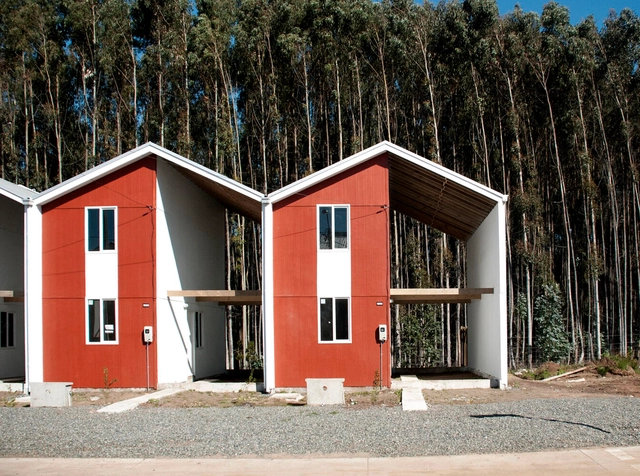
From May 10 to November 23, 2025, a carbon-neutral housing project designed by Elemental, the firm led by Pritzker Prize winner Alejandro Aravena, will be showcased at the Venice Architecture Biennale. The project aims to combine the Chilean office's expertise in social housing with the construction products of Holcim (the company behind the Holcim Foundation) to create a prototype for resilient and affordable housing.

The design incorporates a specific type of low-carbon concrete, which aims to emit 30% less CO₂ than standard concrete. The prototype will be featured in the Time Space Existence exhibition, organized by the European Cultural Centre.The goal of the project is to test the sustainability of a housing prototype in response to the ongoing climate and humanitarian crises.

Alejandro Aravena’s Elemental and Holcim Collaborate on Carbon-Neutral Housing at the 2025 Venice Biennale - Image 1 of 4Alejandro Aravena’s Elemental and Holcim Collaborate on Carbon-Neutral Housing at the 2025 Venice Biennale - Image 2 of 4Alejandro Aravena’s Elemental and Holcim Collaborate on Carbon-Neutral Housing at the 2025 Venice Biennale - Image 3 of 4Alejandro Aravena’s Elemental and Holcim Collaborate on Carbon-Neutral Housing at the 2025 Venice Biennale - Image 4 of 4Alejandro Aravena’s Elemental and Holcim Collaborate on Carbon-Neutral Housing at the 2025 Venice Biennale - More Images

Architecture Reflected in Water: 20 Lakeside Homes

Subscriber Access | 

On the shores of serene lakes, where water reflects the harmony between architecture and nature, homes emerge as true retreats. Designed to offer comfort and a deep connection with the surroundings, these residences stand out worldwide for their diverse materials and scales, adapting to different landscapes and lifestyles. From remote wooden cabins to sophisticated concrete and glass mansions in urban areas, each project takes advantage of natural resources and the unique characteristics of its setting.
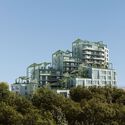
Architecture Reflected in Water: 20 Lakeside Homes - Image 1 of 4Architecture Reflected in Water: 20 Lakeside Homes - Image 2 of 4Architecture Reflected in Water: 20 Lakeside Homes - Image 3 of 4Architecture Reflected in Water: 20 Lakeside Homes - Image 4 of 4Architecture Reflected in Water: 20 Lakeside Homes - More Images+ 24

Social Modern Housing in Spain: Addressing the Crisis with Adaptable and Sustainable Solutions

Subscriber Access | 

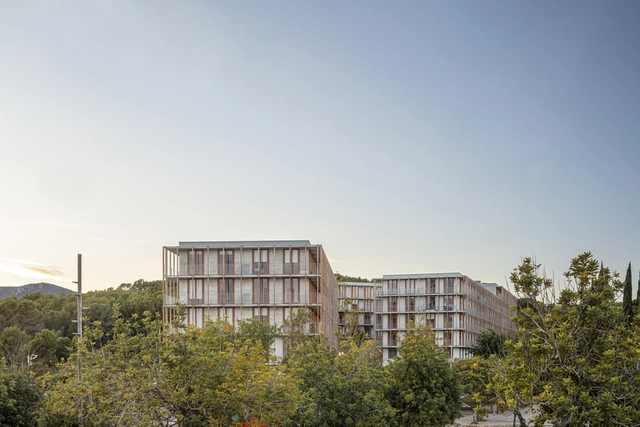
The housing crisis, the need for effective land management policies, and the growing demand for housing aid are global challenges, and Spain has taken significant steps to address these issues in recent years. While this effort is closely tied to rehabilitating obsolete buildings, it also tackles the challenges of densification and gentrification. These factors have prompted the exploration of new housing models and ways of living, leading to the development of affordable residential buildings designed to accommodate large numbers of inhabitants while maintaining high-quality living standards.

Social Modern Housing in Spain: Addressing the Crisis with Adaptable and Sustainable Solutions - Image 1 of 4Social Modern Housing in Spain: Addressing the Crisis with Adaptable and Sustainable Solutions - Image 2 of 4Social Modern Housing in Spain: Addressing the Crisis with Adaptable and Sustainable Solutions - Image 3 of 4Social Modern Housing in Spain: Addressing the Crisis with Adaptable and Sustainable Solutions - Image 4 of 4Social Modern Housing in Spain: Addressing the Crisis with Adaptable and Sustainable Solutions - More Images+ 16

By Residents for Residents: What is the Baugruppe System?

Designing a typical residential building rarely involves its future residents. Often created by property developers in response to predefined market demands, the projects are rarely optimized for livability. An emerging development system that began in Germany aims to change this dynamic and reposition the residents at the core of the new housing developments. The Baugruppe system, German for "building group," proposes an alternative approach to housing that allows groups of individuals to come together to design and construct their residential spaces, bypassing traditional developers to create personalized and sustainable living environments.

By Residents for Residents: What is the Baugruppe System?  - Image 1 of 4By Residents for Residents: What is the Baugruppe System?  - Image 2 of 4By Residents for Residents: What is the Baugruppe System?  - Image 3 of 4By Residents for Residents: What is the Baugruppe System?  - Image 4 of 4By Residents for Residents: What is the Baugruppe System?  - More Images+ 13

Mimetic Houses: 15 Latin American Projects Integrated into the Landscape

Latin America's natural landscape is incredibly diverse, featuring everything from majestic mountains to expansive deserts. In this varied geography, many architectural projects are noteworthy for their seamless integration with their surroundings, blending subtly into the landscape. This is accomplished by carefully choosing materials, colors, and shapes that reflect the natural environment.

 Mimetic Houses: 15 Latin American Projects Integrated into the Landscape - Image 1 of 4 Mimetic Houses: 15 Latin American Projects Integrated into the Landscape - Image 2 of 4 Mimetic Houses: 15 Latin American Projects Integrated into the Landscape - Image 3 of 4 Mimetic Houses: 15 Latin American Projects Integrated into the Landscape - Image 4 of 4 Mimetic Houses: 15 Latin American Projects Integrated into the Landscape - More Images+ 24

Balcony Design for Urban Living: A Comprehensive Guide

In dense urban living, the ability to connect with the outdoors for enjoyment and for wellbeing becomes starkly important. This became particularly apparent in the COVID-19 pandemic when millions of people across the globe had to be confined to their homes for long periods. Notwithstanding that, as the world increasingly urbanizes, good quality housing design is vital and this includes access to the outside. In a city like London, this need was recognized, and providing an outside space in every dwelling became mandatory around the year 2010. In multi-storey housing, providing outside space usually takes the form of a balcony. The design possibilities are endless, so what are the key considerations when incorporating balconies in an urban residential building?

Balcony Design for Urban Living: A Comprehensive Guide - Image 1 of 4Balcony Design for Urban Living: A Comprehensive Guide - Image 2 of 4Balcony Design for Urban Living: A Comprehensive Guide - Image 3 of 4Balcony Design for Urban Living: A Comprehensive Guide - Image 4 of 4Balcony Design for Urban Living: A Comprehensive Guide - More Images+ 18

BIOSIS Reveals Design for Minimal-Impact Housing in Nuuk, Greenland

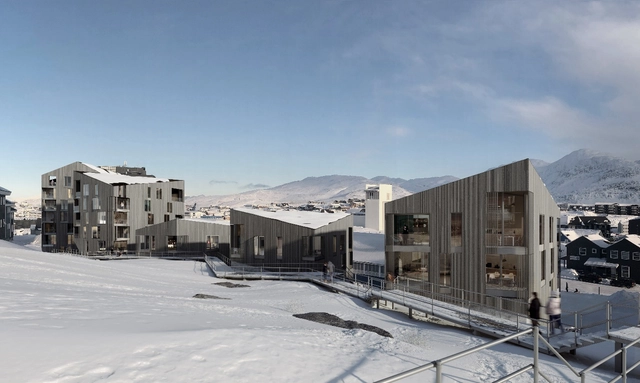
Copenhagen-based multidisciplinary studio BIOSIS has revealed the design for a new housing complex in Nuuk, Greenland. The project aims to create a minimal-impact and climate-driven design by integrating the intervention in the area's natural terrain and adapting the solutions to the local conditions. The Qullilerfik housing project consists of five prism-shaped residences created to complement the sloped site, initially considered unsuitable.

BIOSIS Reveals Design for Minimal-Impact Housing in Nuuk, Greenland - Image 1 of 4BIOSIS Reveals Design for Minimal-Impact Housing in Nuuk, Greenland - Image 2 of 4BIOSIS Reveals Design for Minimal-Impact Housing in Nuuk, Greenland - Image 3 of 4BIOSIS Reveals Design for Minimal-Impact Housing in Nuuk, Greenland - Image 4 of 4BIOSIS Reveals Design for Minimal-Impact Housing in Nuuk, Greenland - More Images+ 1

Rebuilding with 3D Printing: For Everyday.Life Designs Community-Focused Homes for ICON's Initiative99 Competition

United Kingdom-based office For Everyday.Life (FEL) is one of the three selected winners for the Open Category of ICON’s Initiative 99, an open competition aiming to promote affordable home designs that can be built for under $99,000 employing ICON’s 3D printing technologies. FEL’s project, titled “Housing Salinas,” focuses on community living while applying principles of long-term sustainability, and social and environmental responsibility.

A Lot With Little: Video Installation at the AA School in London Highlights Resource Efficiency in Architecture

Noemí Blager and Tapio Snellman are presenting a new video installation at the Architectural Association (AA) in London. The exhibition titled “A Lot with Little” set out to explore and showcase how architects can employ a more economical use of resources to create architectural works that are both sensible and sustainable. Previously shown in Germany, Switzerland, China, Czechia, the US, and the Venice Architecture Biennale, this London debut aims to highlight the global relevance of resource-efficient architectural practices. The exhibition is now on view at the AA School in London from April 26, until May 30, 2024.

A Lot With Little: Video Installation at the AA School in London Highlights Resource Efficiency in Architecture - Image 1 of 4A Lot With Little: Video Installation at the AA School in London Highlights Resource Efficiency in Architecture - Image 2 of 4A Lot With Little: Video Installation at the AA School in London Highlights Resource Efficiency in Architecture - Image 3 of 4A Lot With Little: Video Installation at the AA School in London Highlights Resource Efficiency in Architecture - Image 4 of 4A Lot With Little: Video Installation at the AA School in London Highlights Resource Efficiency in Architecture - More Images+ 13

Maximizing Dilapidated Infrastructure: The Potential of Repurposing Abandoned Buildings into Social Housing

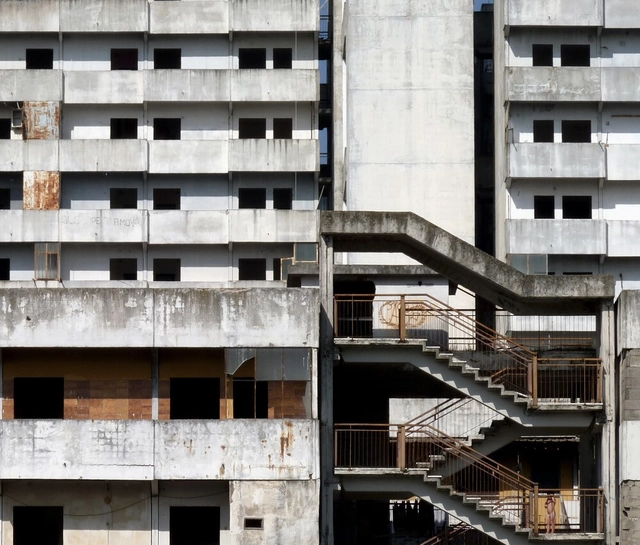
As the demand for affordable housing grows and the availability of low-cost properties diminishes, stakeholders in housing must become more innovative in their approach to social housing development. One opportunity lies in restoring and repurposing abandoned buildings. While building new houses remains the primary strategy for Housing Authorities and Associations, rehabilitating derelict buildings can be a more economical option. This approach not only maximizes the use of dilapidating infrastructure but also provides an economic opportunity to increase affordable housing within the city. Although rehabilitating derelict residential buildings may seem like an obvious solution, it becomes even more crucial when considering abandoned commercial, institutional, or historical buildings for social housing.

Maximizing Dilapidated Infrastructure: The Potential of Repurposing Abandoned Buildings into Social Housing - Image 1 of 4Maximizing Dilapidated Infrastructure: The Potential of Repurposing Abandoned Buildings into Social Housing - Image 2 of 4Maximizing Dilapidated Infrastructure: The Potential of Repurposing Abandoned Buildings into Social Housing - Image 3 of 4Maximizing Dilapidated Infrastructure: The Potential of Repurposing Abandoned Buildings into Social Housing - Image 4 of 4Maximizing Dilapidated Infrastructure: The Potential of Repurposing Abandoned Buildings into Social Housing - More Images+ 1

World Habitat Awards 2024 Recognize Housing Initiatives that Empower Communities

International non-profit organization World Habitat, in partnership with UN-Habitat, has announced the World Habitat Awards 2024. The prizes strive to highlight projects that demonstrate novel and transformative approaches to housing that incorporate principles of climate change adaptation and community-driven solutions. This year, 8 projects have been selected, out of which 2 projects were recognized with the Gold World Habitat Award.

World Habitat Awards 2024 Recognize Housing Initiatives that Empower Communities - Image 1 of 4World Habitat Awards 2024 Recognize Housing Initiatives that Empower Communities - Image 2 of 4World Habitat Awards 2024 Recognize Housing Initiatives that Empower Communities - Image 3 of 4World Habitat Awards 2024 Recognize Housing Initiatives that Empower Communities - Image 4 of 4World Habitat Awards 2024 Recognize Housing Initiatives that Empower Communities - More Images+ 10

“An Architect’s Traditional Lane is Pretty Limiting”: In Conversation with Johanna Hurme of 5468796 Architecture

Subscriber Access | 

What about architecture in North America – its history, policies, but also building codes – makes it particularly vulnerable to the global housing crisis? And how can those inherent flaws be counteracted with purposeful residential design and a more inclusive approach to the architecture discipline?

In a presentation at World Architecture Festival 2023 under the programme theme 'Catalyst', Johanna Hurme and Sasa Radulovic, Co-Founders of Winnipeg-based 5468796 Architecture, showcased how these and other questions are key to their building style and also addressed in their forthcoming book platform.MIDDLE: Architecture for Housing the 99%.

“An Architect’s Traditional Lane is Pretty Limiting”: In Conversation with Johanna Hurme of 5468796 Architecture - Image 1 of 4“An Architect’s Traditional Lane is Pretty Limiting”: In Conversation with Johanna Hurme of 5468796 Architecture - Image 2 of 4“An Architect’s Traditional Lane is Pretty Limiting”: In Conversation with Johanna Hurme of 5468796 Architecture - Image 3 of 4“An Architect’s Traditional Lane is Pretty Limiting”: In Conversation with Johanna Hurme of 5468796 Architecture - Image 4 of 4“An Architect’s Traditional Lane is Pretty Limiting”: In Conversation with Johanna Hurme of 5468796 Architecture - More Images+ 5