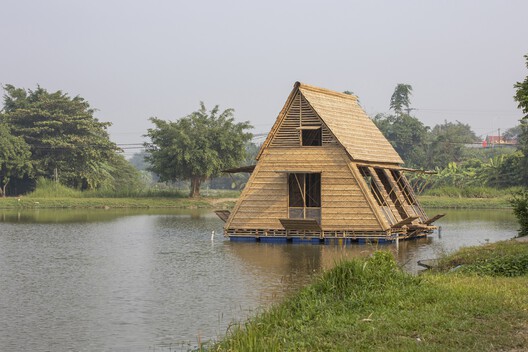
Every year on October 13, the International Day for Disaster Risk Reduction (IDDRR) draws attention to the ways communities can reduce exposure and vulnerability to hazards. Established by the United Nations in 1989, the day provides an opportunity to consider how governments, communities, and professionals can strengthen preparedness and resilience before disasters occur. For its 2026 edition, the United Nations Office for Disaster Risk Reduction (UNDRR) has selected "Resilience Starts at Home" as its theme, placing housing at the center of this year's campaign.
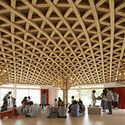
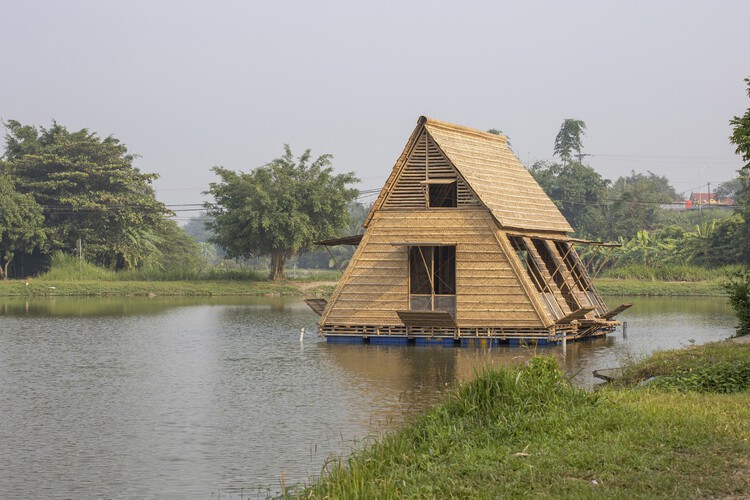
The theme recognizes the home as both a primary site where disaster impacts are experienced and a starting point for building resilience. The location, design, construction, financing, and maintenance of housing can either reduce or create risk, while inadequate building standards and development in hazard-prone areas can increase the consequences of earthquakes, floods, extreme heat, and other events. The campaign calls for risk-informed land-use planning, resilient building codes, accessible early-warning systems, inclusive design, and greater investment in safe and affordable housing, while also emphasizing the roles of local communities, developers, construction companies, financiers, and households.
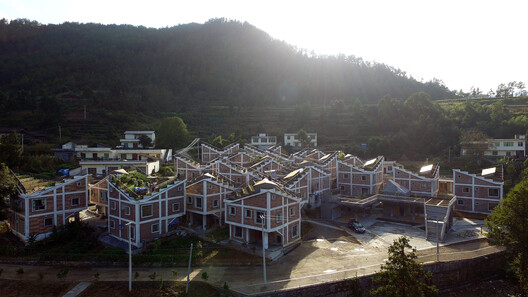
The focus comes amid another year of disasters affecting homes, infrastructure, and settlements around the world. In June, two major earthquakes struck northern Venezuela within seconds of one another, while four significant earthquakes occurred across Japan, Northern California, and Venezuela within a 36-hour period. In August, a magnitude 7.4 earthquake in Colombia damaged housing, healthcare and educational facilities, infrastructure, and historic architecture, while a glacier collapse in the Himalayas triggered flash floods that destroyed villages along the Nepal-Tibet border. These events highlight how the consequences of natural hazards are shaped not only by their intensity, but also by the resilience of the built environment and the preparedness of the communities living within it.
Related Article
On World Architecture Day 2026: A Call to Build Better, Build Differently, and Share ResourcesDesigning Homes for Climate and Disaster Resilience
At the scale of the home, resilience increasingly involves designing for environmental conditions that may be recurrent rather than exceptional. Elevated and amphibious structures can respond to seasonal flooding, while robust envelopes, passive cooling, fire-resistant materials, protected openings, and adaptable energy systems can help homes withstand extreme heat, storms, wildfires, power outages, and other disruptions. These approaches shift the focus from repairing or replacing damaged buildings toward anticipating hazards through decisions about site, structure, materials, and everyday domestic spaces.
Building Light in a Flood Zone: Architecture for Seasonal Inundation
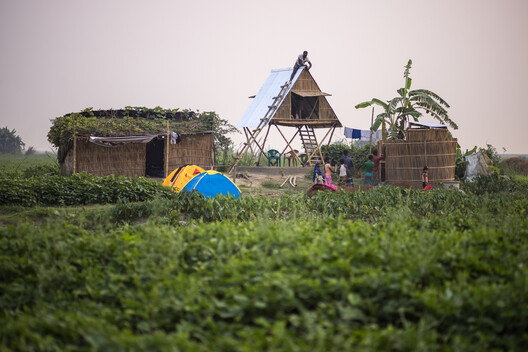
Designing for Disaster in an Increasingly Dangerous World
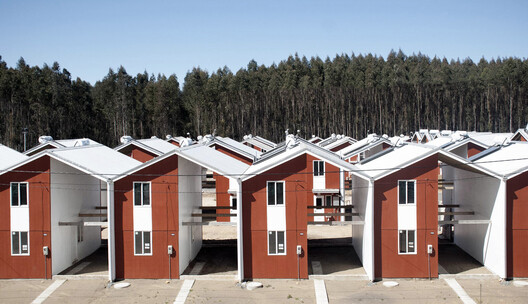
How Can Cities Create Resilience in the Face of Natural Disasters
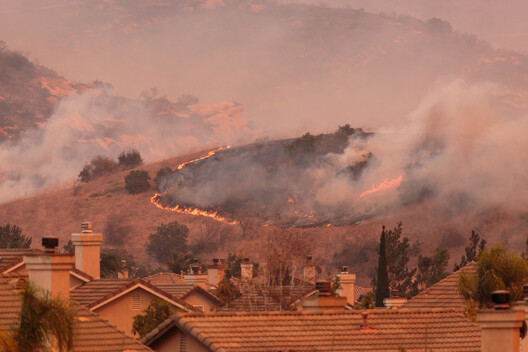
When the Water Comes: How Lagos Negotiates with Its Returning Floods
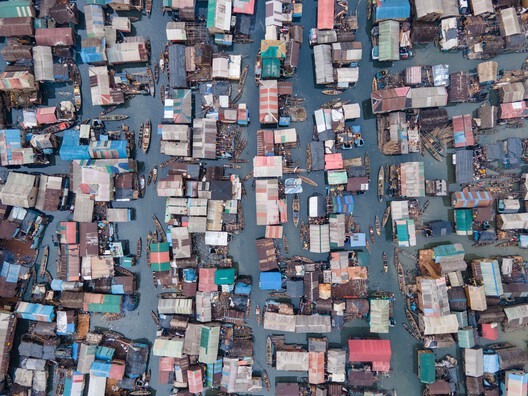
Post-Disaster Reconstruction and Emergency Architecture
Emergency architecture encompasses a range of responses to displacement and destruction, from rapidly deployable shelters to reconstruction strategies intended to support longer-term recovery. Modular and prefabricated systems can accelerate construction where time, labor, and resources are limited, while vernacular techniques and locally available materials can make rebuilding more responsive to climate, culture, and existing construction knowledge. Lightweight and recyclable materials have also been explored as alternatives for temporary structures, raising broader questions around dignity, adaptability, cost, transportation, and the transition from emergency accommodation to permanent housing.
Beyond Emergency Shelters: Modular and Vernacular Architecture in Post-Earthquake Reconstruction
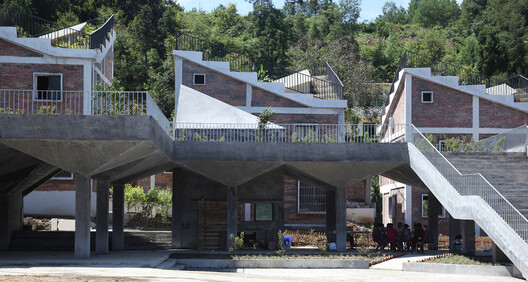
How Community Participation Can Assist in Architectural and Urban Post-Disaster Reconstruction
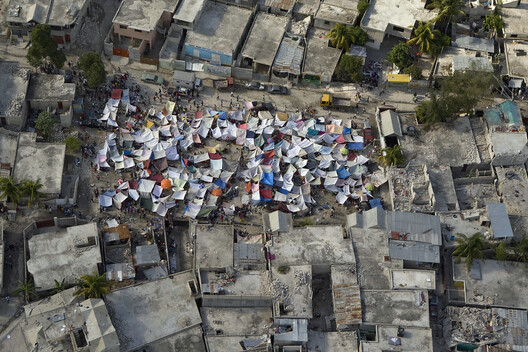
10 Inspiring Examples of Post-Disaster Architecture
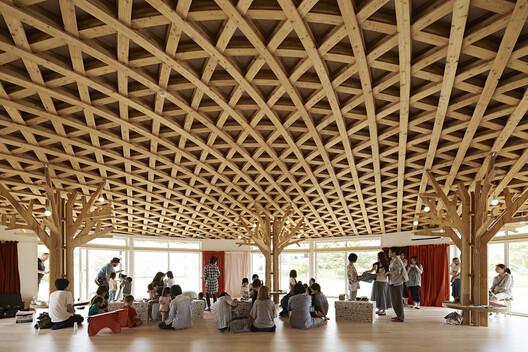
Gyumri's Revival: Rebuilding Armenia's Cultural Heritage After the 1988 Earthquake
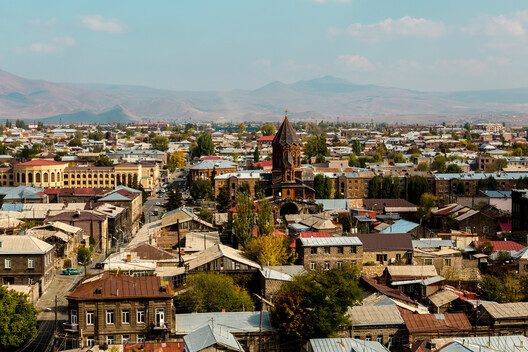
The Role of Biomimicry in Disaster-Resilient Architecture
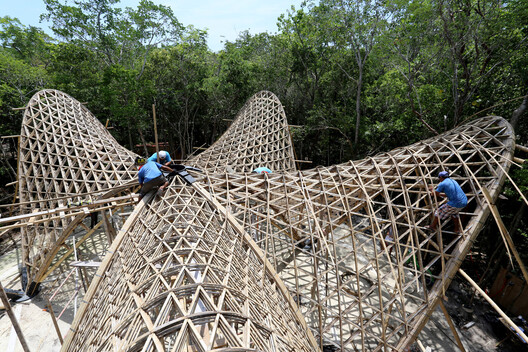
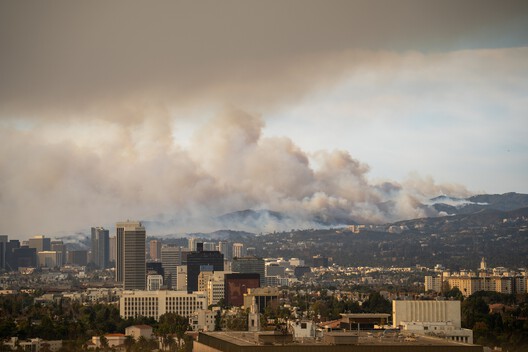
The Impact of Wildfires on Building Codes: Reflections on the Recent Los Angeles Fires
Resilient Materials, Infrastructure, and Urban Adaptation
Beyond individual buildings, disaster resilience is shaped by the materials, landscapes, infrastructure, and public spaces that connect homes to their wider environments. Fire-resistant and self-repairing materials, permeable surfaces, green roofs, water-retention systems, passive cooling strategies, and other forms of green and blue infrastructure can help cities manage heat, flooding, fire, and other environmental pressures. At the same time, the uneven distribution of these measures raises questions of access and inequality, emphasizing the need to consider resilience not only as a technical challenge but also as a question of who is protected, where investment is directed, and how urban systems can adapt over time.
Construction Materials that Increase Resilience to Natural Disasters
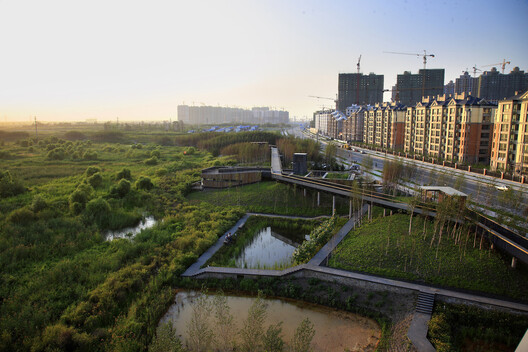
The Temperature of Inequality: Rethinking Urban Surfaces for a Changing Climate
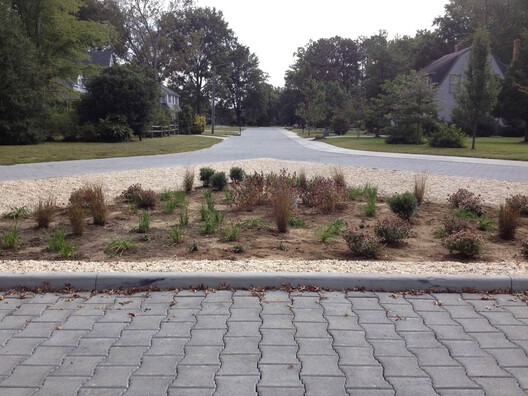
What is Blue Infrastructure? Rethinking Water's Role in City Design
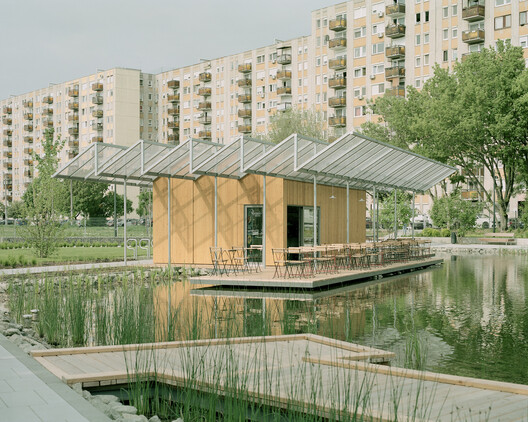
Crafts against Climate Change: Eco-materials from India
Explore ArchDaily's input into recent United Nations International Days: International Day of Peace, International Day of Democracy, International Youth Day, International Day of the World's Indigenous Peoples, World Population Day, World Environment Day, Africa Day, and International Mother Earth Day.