1. ArchDaily
  2. Emergency Architecture

Emergency Architecture: The Latest Architecture and News

The Ukrainian Pavilion at the Venice Biennale Presents a Parallel Between Vernacular and Emergency Architecture

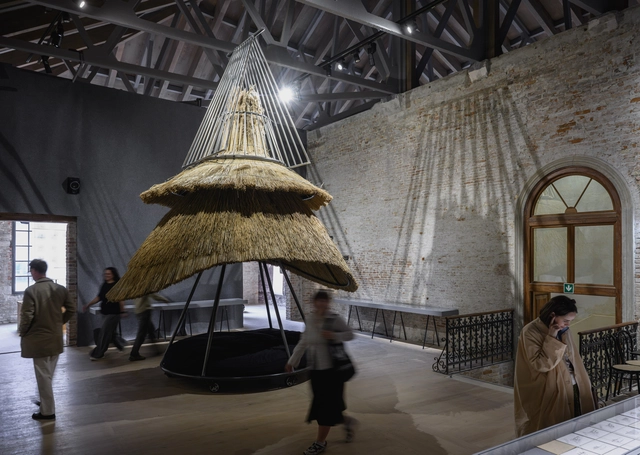
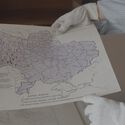
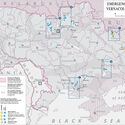
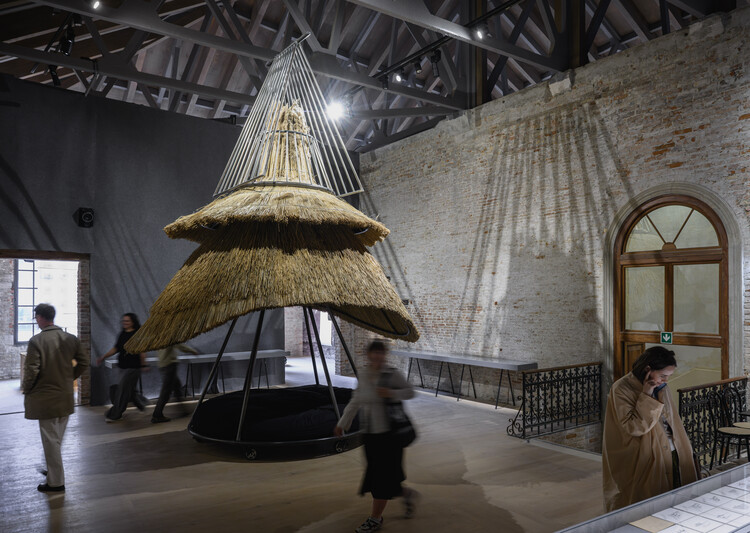
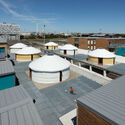
The Ukrainian pavilion at the 19th International Architecture Exhibition – La Biennale di Venezia explores the intersection of traditional building methods and improvised construction during wartime crises. Under the title "DAKH (ДАХ): Vernacular Hardcore", the exhibition refers to the concept of the roof ("dakh" in Ukrainian) as a primary shelter in architecture, examining the roofs of an "architecture without architects" both in the country's constructive tradition and in the contemporary reality of aerial vigilance over its national territory. Curated by Bögdana Kosmina, Michał Murawski, and Kateryna Rusetska, the Ukrainian display consists of a six-element exhibition at the Arsenale's Sale d'Armi and an accompanying nomadic program titled Planetary Hardcore.
The Ukrainian Pavilion at the Venice Biennale Presents a Parallel Between Vernacular and Emergency Architecture - Image 1 of 4The Ukrainian Pavilion at the Venice Biennale Presents a Parallel Between Vernacular and Emergency Architecture - Image 2 of 4The Ukrainian Pavilion at the Venice Biennale Presents a Parallel Between Vernacular and Emergency Architecture - Image 3 of 4The Ukrainian Pavilion at the Venice Biennale Presents a Parallel Between Vernacular and Emergency Architecture - Image 4 of 4The Ukrainian Pavilion at the Venice Biennale Presents a Parallel Between Vernacular and Emergency Architecture - More Images+ 29

Earthquake in Istanbul Raises Questions About the City's Seismic Preparedness

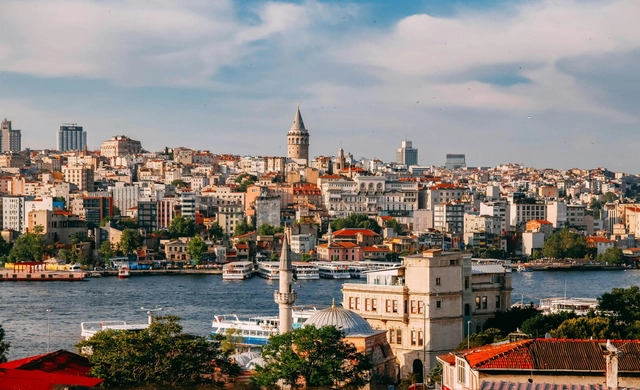
On April 23, 2025, a 6.2 magnitude earthquake in the Sea of Marmara struck Türkiye's largest city, Istanbul, causing widespread panic and injuring over 230 people, primarily due to falls and panic-induced accidents. Over the course of the day, at least 272 aftershocks were recorded, with the strongest reaching a magnitude of 5.9. According to an initial statement by Minister of the Interior Ali Yerlikaya, there was no major destruction apart from the collapse of a single abandoned building. However, the event has reignited public and professional discourse around the city's preparedness for a much larger seismic event, long anticipated by experts monitoring the North Anatolian Fault.
Earthquake in Istanbul Raises Questions About the City's Seismic Preparedness - Image 1 of 4Earthquake in Istanbul Raises Questions About the City's Seismic Preparedness - Image 2 of 4Earthquake in Istanbul Raises Questions About the City's Seismic Preparedness - Image 3 of 4Earthquake in Istanbul Raises Questions About the City's Seismic Preparedness - Image 4 of 4Earthquake in Istanbul Raises Questions About the City's Seismic Preparedness - More Images

ELEMENTAL Designs Prefabricated Housing Project for Reconstruction in Viña del Mar, Chile

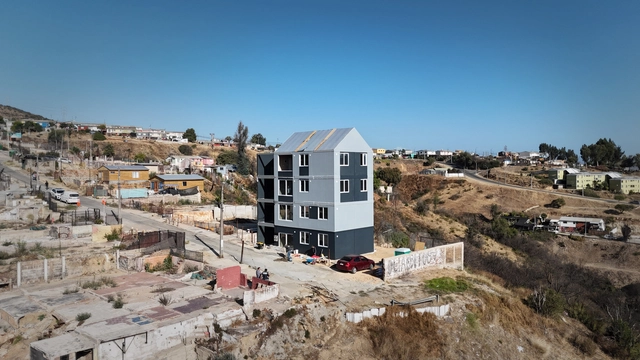
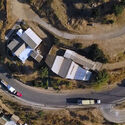
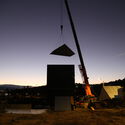
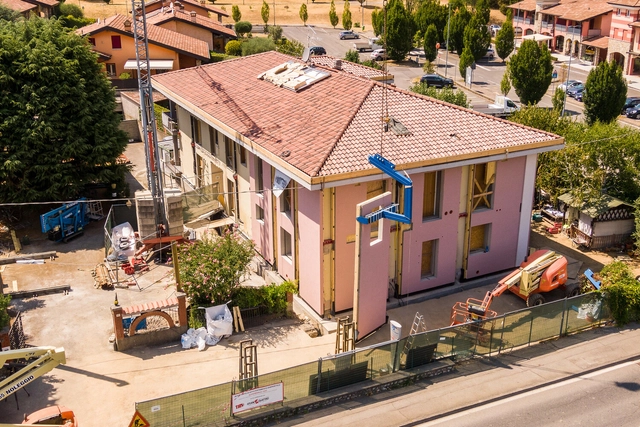
A year after the Viña del Mar mega-fire in Chile and with reconstruction efforts progressing at just 26%, the architecture firm ELEMENTAL and local authorities have begun construction on a prefabricated housing project in one of the residential neighborhoods most affected by the disaster. The project consists of a mid-density residential building with a modular steel structure, intended as a starting point for similar initiatives in response to what is now considered one of the most catastrophic events in Chile's recent history. As stated by Alejandro Aravena and the city's mayor, Macarena Ripamonti, the goal is for the technology and management model behind this project to set a precedent for delivering rapid and permanent housing solutions in emergency situations.

ELEMENTAL Designs Prefabricated Housing Project for Reconstruction in Viña del Mar, Chile - Image 1 of 4ELEMENTAL Designs Prefabricated Housing Project for Reconstruction in Viña del Mar, Chile - Image 2 of 4ELEMENTAL Designs Prefabricated Housing Project for Reconstruction in Viña del Mar, Chile - Image 3 of 4ELEMENTAL Designs Prefabricated Housing Project for Reconstruction in Viña del Mar, Chile - Featured ImageELEMENTAL Designs Prefabricated Housing Project for Reconstruction in Viña del Mar, Chile - More Images+ 19

Los Angeles Officials Pass Regulation to Expedite the Rebuilding Process

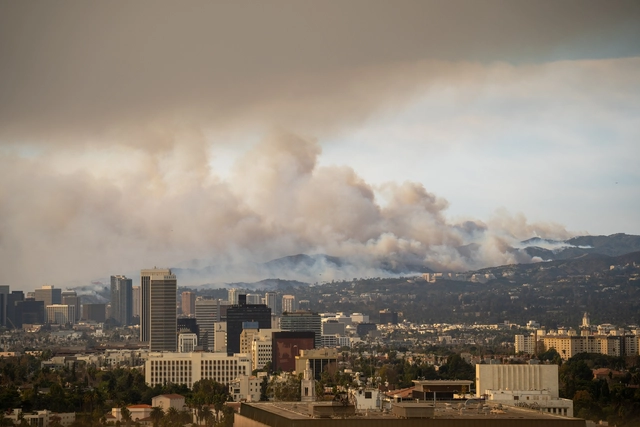
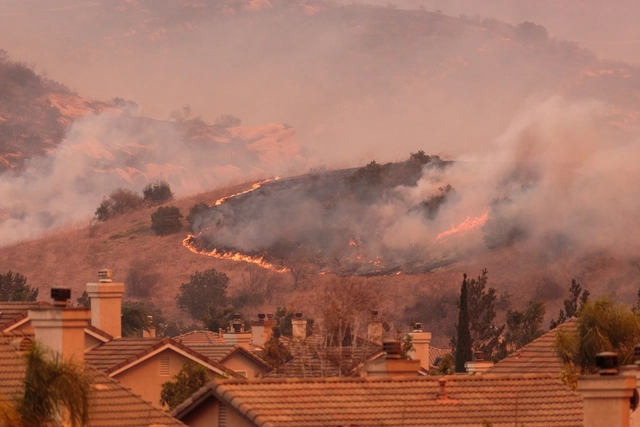
Devastating wildfires across Los Angelesa have resulted in widespread destruction, displacing thousands of residents, and necessitating a rapid and efficient rebuilding process. Two executive orders have been issued to expedite the rebuilding process, one by Los Angeles Mayor Karen Bass and another by California Governor Newsom, both intending to remove significant regulatory hurdles and expedite project approvals.

Empowering Children Through Public Spaces in Lebanon: In Conversation with CatalyticAction

Subscriber Access | 

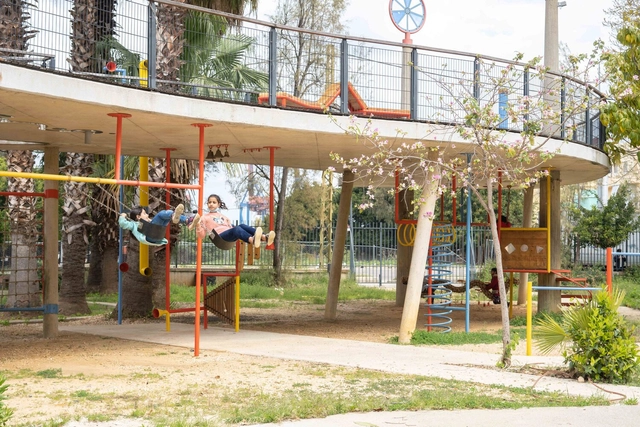
Public spaces are not always shaped by planning but by the practices they host. Their existence stems from our inherent need for connection with others. As spaces of encounter, these urban, open, and accessible areas reflect how we interact with our surroundings and each other while offering places for exercise, play, socializing, and recreation.

Recognizing that public spaces are more than just physical environments, CatalyticAction is dedicated to fostering a sense of community, safety, and belonging, especially for children, who are among the most vulnerable in society. Their mission is not only to create spaces where children can play and grow but also to empower them, ensuring they have a voice in shaping their surroundings. To learn more about their work, Christele Harrouk, ArchDaily's Editor-in-Chief, spoke with Joana Dabaj, Co-founder and Director of Programmes at CatalyticAction.

Empowering Children Through Public Spaces in Lebanon: In Conversation with CatalyticAction - Image 1 of 4Empowering Children Through Public Spaces in Lebanon: In Conversation with CatalyticAction - Image 2 of 4Empowering Children Through Public Spaces in Lebanon: In Conversation with CatalyticAction - Image 3 of 4Empowering Children Through Public Spaces in Lebanon: In Conversation with CatalyticAction - Image 4 of 4Empowering Children Through Public Spaces in Lebanon: In Conversation with CatalyticAction - More Images+ 41

World Habitat Awards 2024 Recognize Housing Initiatives that Empower Communities

International non-profit organization World Habitat, in partnership with UN-Habitat, has announced the World Habitat Awards 2024. The prizes strive to highlight projects that demonstrate novel and transformative approaches to housing that incorporate principles of climate change adaptation and community-driven solutions. This year, 8 projects have been selected, out of which 2 projects were recognized with the Gold World Habitat Award.

World Habitat Awards 2024 Recognize Housing Initiatives that Empower Communities - Image 1 of 4World Habitat Awards 2024 Recognize Housing Initiatives that Empower Communities - Image 2 of 4World Habitat Awards 2024 Recognize Housing Initiatives that Empower Communities - Image 3 of 4World Habitat Awards 2024 Recognize Housing Initiatives that Empower Communities - Image 4 of 4World Habitat Awards 2024 Recognize Housing Initiatives that Empower Communities - More Images+ 10

Yasmeen Lari Sets Out to Build One Million Flood-Resistant Homes in Pakistan by 2024

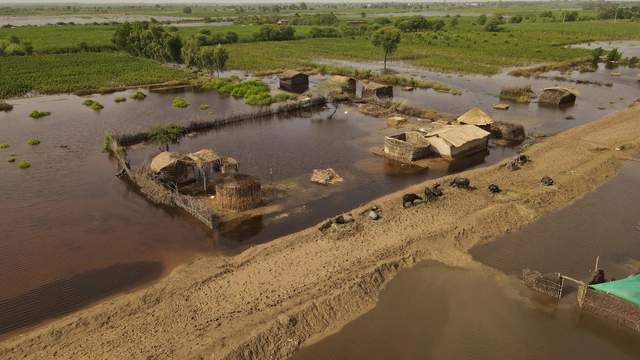
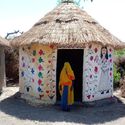
Following the extreme floods that affected Pakistan in 2022, architect Yasmeen Lari the Heritage Foundation of Pakistan pledged to help build one million resilient houses in the country. In 2022, 33 million people have been displaced, and an estimated 500,000 houses have been destroyed or severely damaged. In September 2022, Lari’s NGO launched a target program to start rebuilding and to help communities protect themselves against future disasters. The program is built on Lari’s expertise in working with the communities and employing vernacular and local building materials to achieve resilient and sustainable structures. According to the Heritage Foundation of Pakistan, one-third of the goal has already been reached.

Yasmeen Lari Sets Out to Build One Million Flood-Resistant Homes in Pakistan by 2024 - Image 1 of 4Yasmeen Lari Sets Out to Build One Million Flood-Resistant Homes in Pakistan by 2024 - Image 2 of 4Yasmeen Lari Sets Out to Build One Million Flood-Resistant Homes in Pakistan by 2024 - Image 3 of 4Yasmeen Lari Sets Out to Build One Million Flood-Resistant Homes in Pakistan by 2024 - Image 4 of 4Yasmeen Lari Sets Out to Build One Million Flood-Resistant Homes in Pakistan by 2024 - More Images+ 16

What is a Vomitorium? 25 Modern Examples of Efficient Traffic Management in Public Buildings and Venues

Subscriber Access | 

The vomitorium and its purpose is one of historical architecture’s most common misconceptions. It’s said that the vomitorium was a room that neighbored Roman feasts, where guests could socially eject the contents of their stomach before returning to the feast with renewed capacity. Although this theory was not entirely based on fiction – as Romans are known to have indeed taken up habitual regurgitation, possibly as a sign of excess wealth – there’s no reason to believe there was a specific room dedicated to the practice.

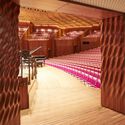
The original usage of the term ‘vomitorium’ – taken from the same Latin root ‘vomere’ – in fact refers to a room that allows a large building to disgorge itself of its contents. A vomitorium, therefore, is nothing more than a corridor. Specifically, a wide, arterial corridor leading to or from a high-capacity public space such as a theatre, arena, or stadium, designed with the intention to get as many people in or out of the venue as quickly as possible. A well-designed vomitorium, for example, is essential for efficient emergency evacuation procedures, but even during day-to-day activity, the ability to move large numbers of people quickly helps with a venue’s turnover and creates a more pleasant crowd experience.

What is a Vomitorium? 25 Modern Examples of Efficient Traffic Management in Public Buildings and Venues - Image 1 of 4What is a Vomitorium? 25 Modern Examples of Efficient Traffic Management in Public Buildings and Venues - Image 2 of 4What is a Vomitorium? 25 Modern Examples of Efficient Traffic Management in Public Buildings and Venues - Image 3 of 4What is a Vomitorium? 25 Modern Examples of Efficient Traffic Management in Public Buildings and Venues - Image 4 of 4What is a Vomitorium? 25 Modern Examples of Efficient Traffic Management in Public Buildings and Venues - More Images+ 30

How Can Cities Create Resilience in the Face of Natural Disasters

As the world grapples with the effects of climate change, natural disasters like flooding, and the spread of incontrollable wildfires are increasingly threatening cities and inhabitants. While architecture and urban planning cannot prevent these occurrences, they still possess strategies to minimize the damage associated with these events and help protect the citizens. Unfortunate events over the course of last year, like the earthquake that hit central Turkey and north-west Syria this February or the more recent earthquake in western Afghanistan, the flooding and dam failures in Libya, and the wildfires that devastated the city of Lahaina, Hawaii, demonstrate the urgency of implementing preventative and mitigation measures in addition to creating procedures for emergency intervention. This article explores the strategies and resources available to architects and urban planners to address these challenges in three types of natural disasters: flooding, wildfires, and earthquakes.

How Can Cities Create Resilience in the Face of Natural Disasters - Image 1 of 4How Can Cities Create Resilience in the Face of Natural Disasters - Image 2 of 4How Can Cities Create Resilience in the Face of Natural Disasters - Image 3 of 4How Can Cities Create Resilience in the Face of Natural Disasters - Image 4 of 4How Can Cities Create Resilience in the Face of Natural Disasters - More Images+ 11

Cities, Villages, and UNESCO Historical Landmarks in Morocco Are Severely Damaged by a Major Earthquake

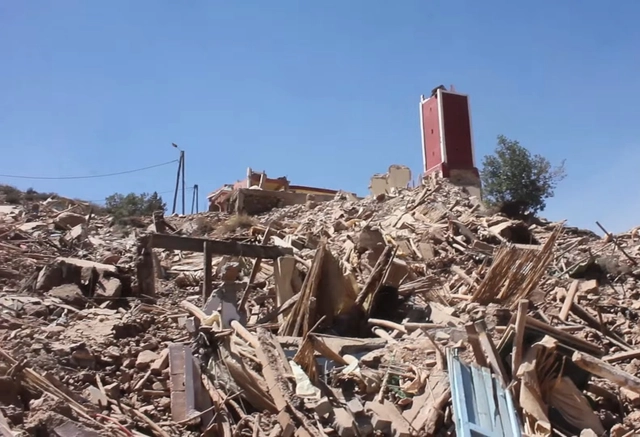
Friday, September 8th, a 6.8-magnitude earthquake hit Morocco’s High Atlas Mountain range. The epicenter was located just 72 kilometers southwest of Marrakech, the country’s fourth-largest city and a popular tourist destination. The quake is the strongest to hit the nation’s center in more than a century. Estimates put the number of victims at over 2,000 and more injured, but as several towns and villages remain inaccessible high in the mountains, the number is expected to increase. In addition to the human toll, several historical landmarks, including UNESCO World Heritage sites, have been affected, while eyewitnesses in the foothills of the mountains report that several remote towns have been completely destroyed, according to CNN.

DAGOpen OÜ Wins Architectural Competition to Design Modern Family Home in Ukraine Crisis

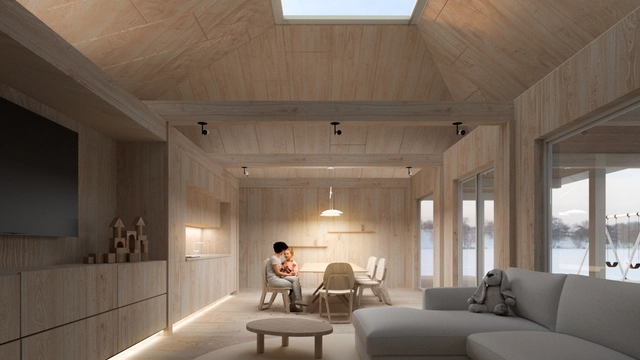
DAGOpen OÜ has just won the architectural competition for a standard design of Ukrainian Family houses, with their design “Hata.” The competition invited 17 designs from Estonian and Ukrainian architects to design “a standard project for modern family-type small group homes to be built in Ukraine”. The architecture of Ukraine directly inspired the winning design and addressed the spatial decisions made to attend to the crisis.

DAGOpen OÜ Wins Architectural Competition to Design Modern Family Home in Ukraine Crisis - Image 1 of 4DAGOpen OÜ Wins Architectural Competition to Design Modern Family Home in Ukraine Crisis - Image 2 of 4DAGOpen OÜ Wins Architectural Competition to Design Modern Family Home in Ukraine Crisis - Image 3 of 4DAGOpen OÜ Wins Architectural Competition to Design Modern Family Home in Ukraine Crisis - Image 4 of 4DAGOpen OÜ Wins Architectural Competition to Design Modern Family Home in Ukraine Crisis - More Images+ 2

Shigeru Ban Unveils Updated Prototype for Temporary Housing in Response to the Turkey-Syria Earthquake

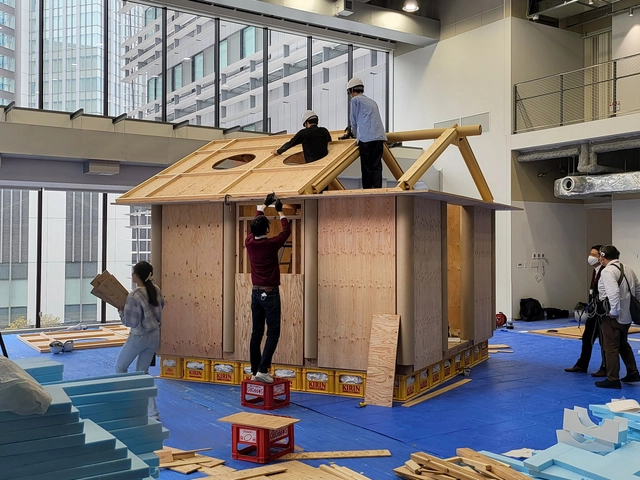
Shigeru Ban Architects, in collaboration with Voluntary Architects’ Network, has developed an improved version of the temporary housing developed to help those affected by the recent Turkey-Syria earthquake. The new prototype represents an upgrade of the paper tube system deployed in northwestern Turkey after the 1999 earthquake. This new version takes into consideration matters of efficiency and the need to minimize construction time on site.

Shigeru Ban Unveils Updated Prototype for Temporary Housing in Response to the Turkey-Syria Earthquake - Image 1 of 4Shigeru Ban Unveils Updated Prototype for Temporary Housing in Response to the Turkey-Syria Earthquake - Image 2 of 4Shigeru Ban Unveils Updated Prototype for Temporary Housing in Response to the Turkey-Syria Earthquake - Image 3 of 4Shigeru Ban Unveils Updated Prototype for Temporary Housing in Response to the Turkey-Syria Earthquake - Image 4 of 4Shigeru Ban Unveils Updated Prototype for Temporary Housing in Response to the Turkey-Syria Earthquake - More Images+ 4

A Major Earthquake Hits Turkey and Syria, Destroying a 2,000-Year-Old Unesco World Heritage Site

A major 7.8 magnitude earthquake hit central Turkey and north-west Syria this Monday, February 6, with a second 7.4 magnitude quake reported a few hours later in the same region, according to reports from the Guardian. Among the most affected areas is Gaziantep, located 150 miles from the border with Syria and 50 miles from the earthquake’s epicenter in Kahramanmaraş. Tremors were felt as far away as Lebanon, Greece, Israel, and the island of Cyprus. Authorities are still assessing the number of victims, as local and international rescue teams have been deployed to search for survivors. Early estimates report that over 1,700 buildings have collapsed or have been critically damaged, as confirmed by Turkey's Vice President Fuat Oktay.

In Times of Need: Architects Stepping Up in Humanitarian Crisis

Subscriber Access | 

Hard times bring people together. In recent years we have seen how collective work can be a driving force to help those affected by natural or man-made disasters. After a disaster or displacement, a safe physical environment is often essential. Therefore, the need for coordination becomes a key factor in assisting people in times of need.

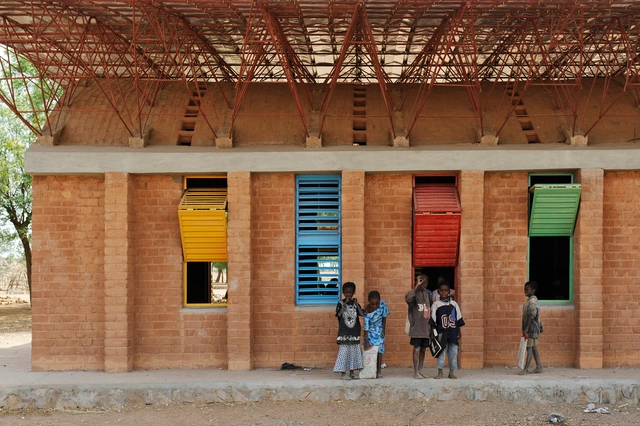
Architects, as "Shelter Specialists", play an important role in creating safe and adequate environments, whether it is individual housing, public buildings, schools, or emergency tent camps. But as architect Diébédo Francis Kéré says, "When you have nothing and you want to convince your community to believe in an idea, it may happen that everybody starts working with you, but you need to keep fighting to convince them."

In Times of Need: Architects Stepping Up in Humanitarian Crisis - Image 1 of 4In Times of Need: Architects Stepping Up in Humanitarian Crisis - Image 2 of 4In Times of Need: Architects Stepping Up in Humanitarian Crisis - Image 3 of 4In Times of Need: Architects Stepping Up in Humanitarian Crisis - Image 4 of 4In Times of Need: Architects Stepping Up in Humanitarian Crisis - More Images+ 25

Discontinued Aesthetics: The Effects of Abrupt Changes in Urban Landscapes

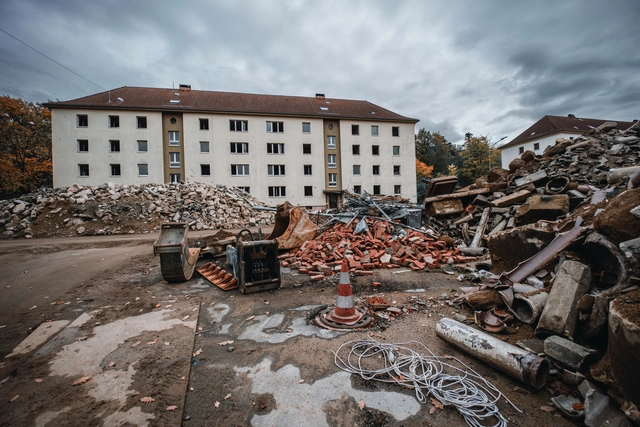
Public spaces play a significant role in organizing the life of every community but defining what differentiates them from other spaces within the city is not an easy task. Once these spaces start to settle into the collective memory of the local communities, they become key elements that concentrate the mental image of a city. While this process usually happens with urban spaces, monuments and isolated architectural elements can also become markers for the urban life of an area. So, what happens when dramatic events like fires, war, or even the pandemic alter that image?

Discontinued Aesthetics: The Effects of Abrupt Changes in Urban Landscapes - Featured ImageDiscontinued Aesthetics: The Effects of Abrupt Changes in Urban Landscapes - Image 1 of 4Discontinued Aesthetics: The Effects of Abrupt Changes in Urban Landscapes - Image 2 of 4Discontinued Aesthetics: The Effects of Abrupt Changes in Urban Landscapes - Image 7 of 4Discontinued Aesthetics: The Effects of Abrupt Changes in Urban Landscapes - More Images+ 3

Shigeru Ban and VAN Install Paper Partition Systems in Emergency Shelters for Ukrainian Refugees

Shigeru Ban and VAN Install Paper Partition Systems in Emergency Shelters for Ukrainian Refugees - Featured Image
Installation at SC Galychyna in Ukraine. Image © Serhii Kostianyi

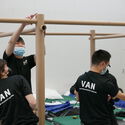
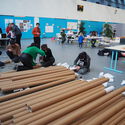
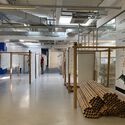
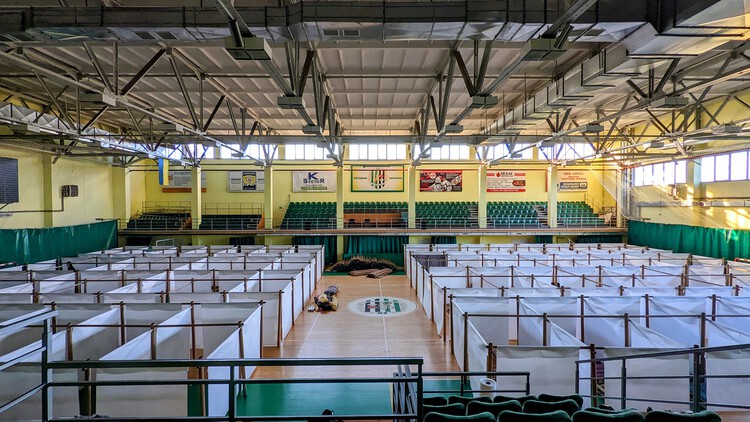
The war in Ukraine continues, and the number of refugees has risen to 5million, according to the U.N. Renowned for his involvement in humanitarian aid, Shigeru Ban and the Voluntary Architects' Network have been deploying a paper partition system (PPS) for emergency shelters in Ukraine and neighbouring countries, designed to provide some privacy to the Ukrainian refugees. Since early March, PPS has been installed in Poland, Slovakia, France, and Ukraine by Shigeru Ban Architects and VAN, collaborating with local architects and volunteer students.

Shigeru Ban and VAN Install Paper Partition Systems in Emergency Shelters for Ukrainian Refugees - Image 1 of 4Shigeru Ban and VAN Install Paper Partition Systems in Emergency Shelters for Ukrainian Refugees - Image 2 of 4Shigeru Ban and VAN Install Paper Partition Systems in Emergency Shelters for Ukrainian Refugees - Image 3 of 4Shigeru Ban and VAN Install Paper Partition Systems in Emergency Shelters for Ukrainian Refugees - Image 4 of 4Shigeru Ban and VAN Install Paper Partition Systems in Emergency Shelters for Ukrainian Refugees - More Images+ 25

Refugee Camps: From Temporary Settlements to Permanent Dwellings

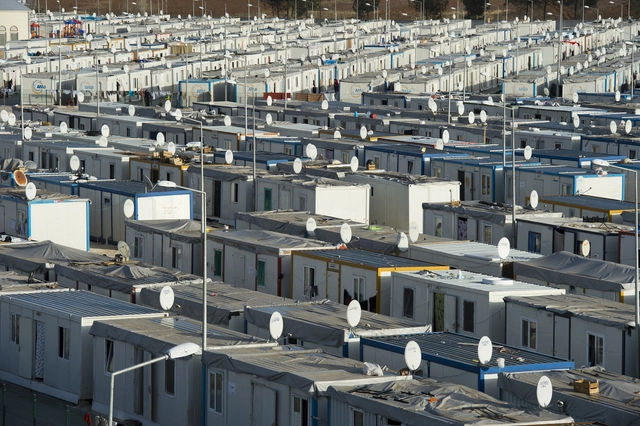
With more than 70 million forcibly displaced people worldwide, according to the UNHCR, and nearly 25.9 million refugees, the time has come to reconsider the traditional emergency camp approach. Although the concept is temporary by definition, in real life the lifespan of these refugee camps exceeds the planned and the expected.

Ranging from seven to seventeen years, most of these settlements surpass their expiry dates. Actually, on average, according to the United Nations High Commissioner for Refugees (UNHCR) in Kenya, "many displaced persons spend more than 16 years living as refugees in temporary shelter."

Refugee Camps: From Temporary Settlements to Permanent Dwellings - Image 1 of 4Refugee Camps: From Temporary Settlements to Permanent Dwellings - Image 2 of 4Refugee Camps: From Temporary Settlements to Permanent Dwellings - Image 3 of 4Refugee Camps: From Temporary Settlements to Permanent Dwellings - Image 4 of 4Refugee Camps: From Temporary Settlements to Permanent Dwellings - More Images+ 5

How Community Participation can Assist in Architectural and Urban Post-Disaster Reconstruction

The concepts of autonomy, collaboration, and participation have gained relevance in architecture and urbanism through collaborative actions involving the community, architects, urban planners, and designers. As the number of climate disasters has significantly increased - doubling in the last 40 years according to a report released in 2016 by CRED (Centre for Research on the Epidemiology of Disasters) - in addition to conflicts and other tragedies, the demand for the rebuilding of houses and infrastructure in affected areas has grown simultaneously. This has called for a major collaborative effort in architectural and urban reconstruction.