1. ArchDaily
  2. Natural disasters

Natural disasters: The Latest Architecture and News

OBEL Announces 2026 Winner and OMA Completes Business Center in Japan: This Week’s Review

Audio available

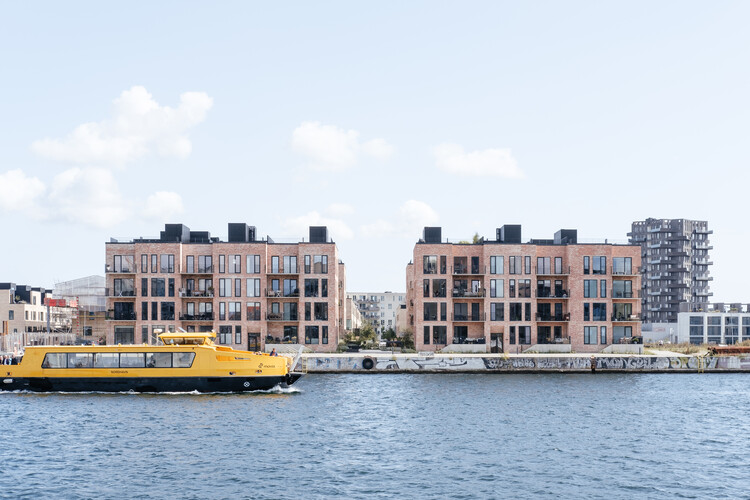
A week of architecture news has highlighted the growing connections between environmental change, public systems, and the evolving role of architectural practice. Extreme weather events in different regions have drawn attention to the vulnerability of settlements, infrastructure, and territorial networks, while new approaches to housing demonstrate how changes in procurement, construction, and governance can influence architectural outcomes. At the same time, the recognition of established practitioners points to the lasting impact of architectural ideas across generations, as the profession continues to engage with questions of resilience, systemic change, and the broader conditions shaping the built environment.

OBEL Announces 2026 Winner and OMA Completes Business Center in Japan: This Week’s Review - Imagem 1 de 4OBEL Announces 2026 Winner and OMA Completes Business Center in Japan: This Week’s Review - Imagem 2 de 4OBEL Announces 2026 Winner and OMA Completes Business Center in Japan: This Week’s Review - Imagem 3 de 4OBEL Announces 2026 Winner and OMA Completes Business Center in Japan: This Week’s Review - Imagem 4 de 4OBEL Announces 2026 Winner and OMA Completes Business Center in Japan: This Week’s Review - More Images+ 3

Wildfires in Algeria Highlight the Scale of the Global Fire Landscape

Audio available

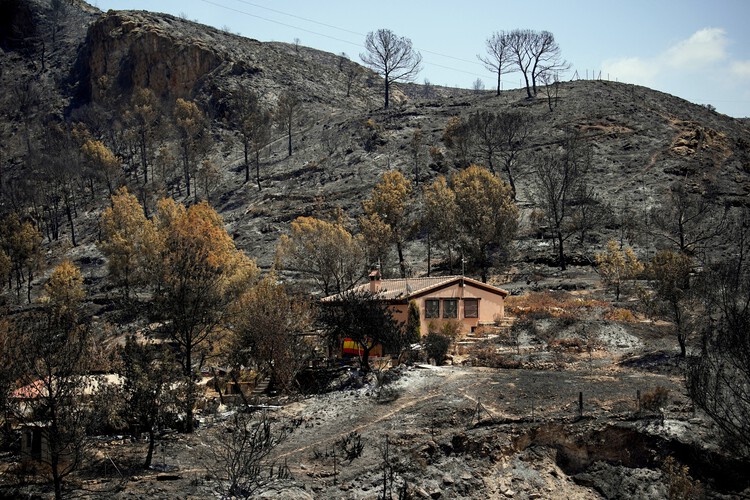
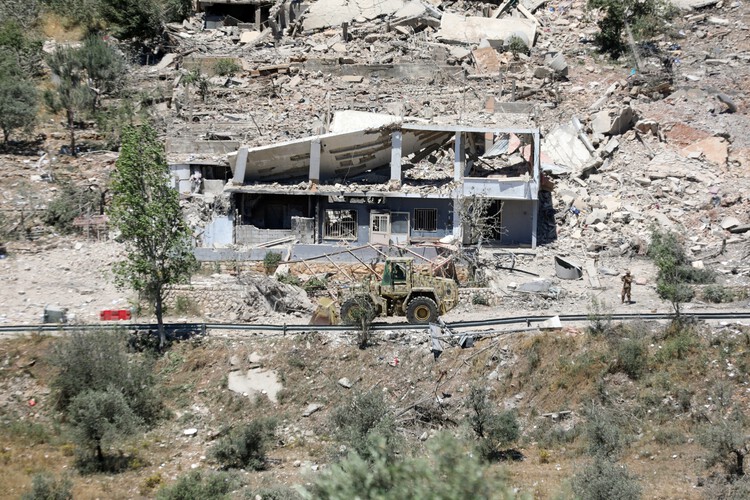
Severe late-August wildfires across northern Algeria have brought residential areas, agricultural lands, and critical transport corridors directly into the path of rapidly spreading flames. The destruction across Jijel, Béjaïa, and Tizi Ouzou claimed at least 12 lives and forced the emergency closure of major national highways. The latest outbreak follows a summer of repeated fires across the country, with authorities recorded nearly 2,000 fires nationwide in July, while fires in the northeastern province of Annaba at the end of the month forced more than 100 people to leave their homes and damaged nearly 150 houses. The current fires have again brought residential areas, roads and other infrastructure into the path of rapidly spreading flames. Forest fires occur regularly in northern Algeria during the summer, with increasingly frequent drought and periods of intense heat contributing to more severe fire conditions.

Wildfires in Algeria Highlight the Scale of the Global Fire Landscape - Image 1 of 4Wildfires in Algeria Highlight the Scale of the Global Fire Landscape - Image 2 of 4Wildfires in Algeria Highlight the Scale of the Global Fire Landscape - Image 3 of 4Wildfires in Algeria Highlight the Scale of the Global Fire Landscape - Image 4 of 4Wildfires in Algeria Highlight the Scale of the Global Fire Landscape - More Images

Himalayan Glacier Collapse Triggers Flash Floods and Infrastructure Destruction in Nepal

Audio available

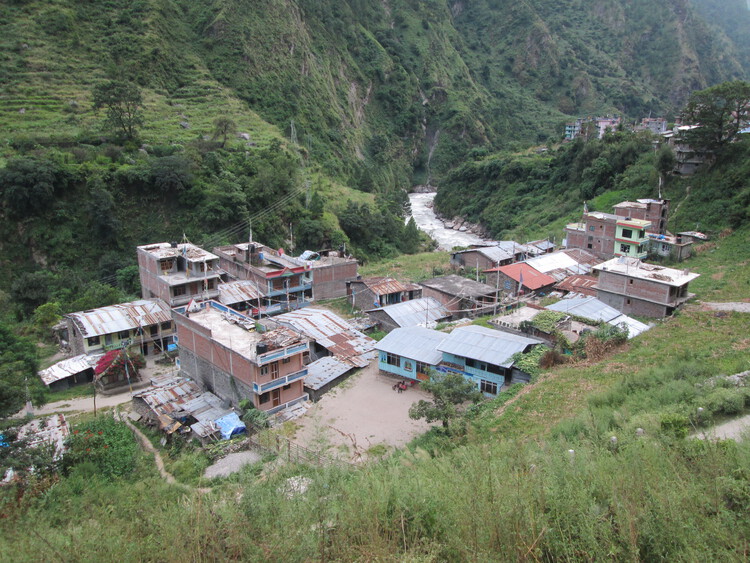
A lower section of a Himalayan glacier collapsed on Wednesday, August 26, creating an ice and rock avalanche down the Lhende River valley that triggered severe flash floods on the Nepal-Tibet border. The floods destroyed entire villages, with at least 350 confirmed dead and more than 1,300 people still missing. Characterized by their sudden and violent nature, flash floods occur within the first six hours after heavy rainfall or another floodwater source. In this case, the event has been attributed to a glacier collapse higher in the Himalayas, linked, in some scenarios, to a heat wave in the area. The speed of the movement is also distinctive of this type of flood, whose path of destruction in this case follows the Trishuli River basin in Nepal. According to the International Federation of Red Cross, the most affected areas are the Nepalese Rasuwa and Nuwakot districts. A more detailed assessment is expected in the coming days as floodwaters recede; in the meantime, it is already possible to outline some of the evidence from a territorial point of view.

Himalayan Glacier Collapse Triggers Flash Floods and Infrastructure Destruction in Nepal - Image 1 of 4Himalayan Glacier Collapse Triggers Flash Floods and Infrastructure Destruction in Nepal - Image 2 of 4Himalayan Glacier Collapse Triggers Flash Floods and Infrastructure Destruction in Nepal - Image 3 of 4Himalayan Glacier Collapse Triggers Flash Floods and Infrastructure Destruction in Nepal - Image 4 of 4Himalayan Glacier Collapse Triggers Flash Floods and Infrastructure Destruction in Nepal - More Images+ 2

Beyond Emergency Shelters: Modular and Vernacular Architecture in Post-Earthquake Reconstruction

Subscriber Access | 
Audio available

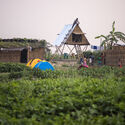
On June 24, 2026, a severe seismic event consisting of two major earthquakes with magnitudes of 7.2 and 7.5 struck north-central Venezuela just 39 seconds apart. The widespread destruction was concentrated along the country's northern coast, heavily impacting the capital city of Caracas and the neighboring state of La Guaira, where fragile urban infrastructure and vulnerable housing stock led to the collapse or severe damage of thousands of residential structures. This disaster mirrors previous devastating events observed during other major seismic events, including the 2008 Wenchuan earthquake and 2011 landslides in Sichuan, the 2014 Ludian earthquake in Yunnan, and the 2017 earthquake across central Mexico. When high-magnitude natural disasters damage entire communities, architects have the opportunity to help by proposing post-disaster architecture with strategic recovery models. Rather than relying on generic, standardized emergency shelters, conscious architectural design can deliver low-cost, rapidly deployable residential infrastructure that preserves human dignity through culturally contextual and dignified spaces.

Beyond Emergency Shelters: Modular and Vernacular Architecture in Post-Earthquake Reconstruction - Image 1 of 4Beyond Emergency Shelters: Modular and Vernacular Architecture in Post-Earthquake Reconstruction - Image 2 of 4Beyond Emergency Shelters: Modular and Vernacular Architecture in Post-Earthquake Reconstruction - Image 3 of 4Beyond Emergency Shelters: Modular and Vernacular Architecture in Post-Earthquake Reconstruction - Image 4 of 4Beyond Emergency Shelters: Modular and Vernacular Architecture in Post-Earthquake Reconstruction - More Images+ 3

UIA World Congress 2026 and Henning Larsen's New Environmental Analysis Platform: This Week's Review

Audio available

Recent events highlighted the many ways architecture responds to changing environmental, social, and cultural conditions. Major earthquakes in Venezuela, Japan, and Northern California renewed attention to the role of planning, infrastructure, and building practices in shaping resilience to natural hazards. As these questions continue to inform the built environment, the opening of the 2026 UIA World Congress of Architects in Barcelona brought together practitioners and researchers to discuss climate, housing, public space, and the future of the profession. Recent project announcements, preservation initiatives, completed works, and new design tools further reflected the range of approaches shaping architectural practice today, from heritage conservation and adaptive reuse to environmental performance and long-term planning.

UIA World Congress 2026 and Henning Larsen's New Environmental Analysis Platform: This Week's Review - Imagem 1 de 4UIA World Congress 2026 and Henning Larsen's New Environmental Analysis Platform: This Week's Review - Imagem 2 de 4UIA World Congress 2026 and Henning Larsen's New Environmental Analysis Platform: This Week's Review - Imagem 3 de 4UIA World Congress 2026 and Henning Larsen's New Environmental Analysis Platform: This Week's Review - Imagem 4 de 4UIA World Congress 2026 and Henning Larsen's New Environmental Analysis Platform: This Week's Review - More Images+ 4

One Day, Four Earthquakes: What Seismic Resilience Reveals About the Built Environment

Audio available

Within a 36-hour window between June 24 and June 25, four significant earthquakes struck three different regions of the world. A magnitude 7.2 earthquake shook Japan's northeastern coast, a magnitude 5.6 event was recorded in Northern California, and two major earthquakes measuring magnitudes 7.2 and 7.5 occurred just 39 seconds apart along Venezuela's northern coast. Although their close timing prompted speculation online, seismologists confirmed that the events were unrelated, occurring independently along different tectonic plate boundaries.

One Day, Four Earthquakes: What Seismic Resilience Reveals About the Built Environment - Imagem 1 de 4One Day, Four Earthquakes: What Seismic Resilience Reveals About the Built Environment - Imagem 2 de 4One Day, Four Earthquakes: What Seismic Resilience Reveals About the Built Environment - Imagem 3 de 4One Day, Four Earthquakes: What Seismic Resilience Reveals About the Built Environment - Imagem 4 de 4One Day, Four Earthquakes: What Seismic Resilience Reveals About the Built Environment - More Images

AI-Powered Robotics Support Rebuilding Homes in Los Angeles Fire Zones

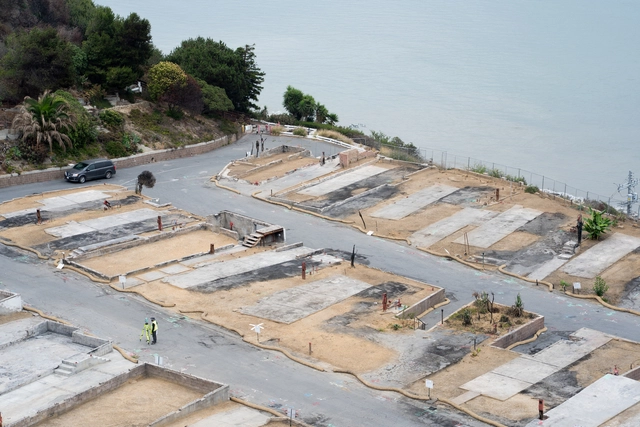
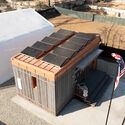
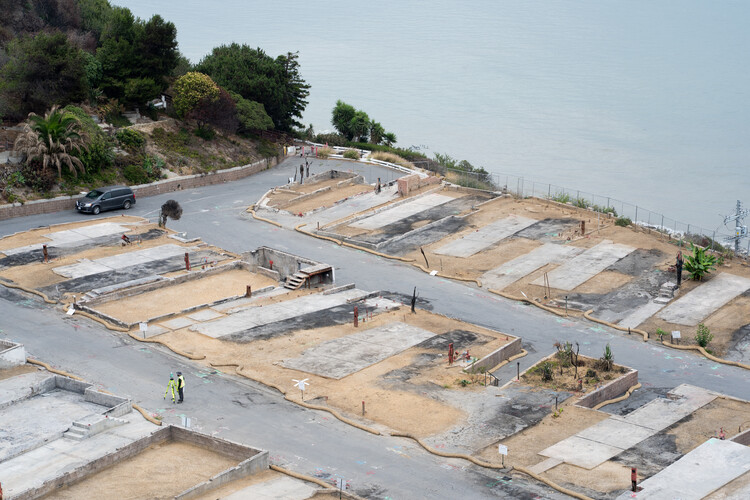
ABB Robotics and US-based construction technology company Cosmic Buildings have deployed a mobile robotic microfactory in Pacific Palisades, California, to support the rebuilding of homes destroyed by the 2025 Southern Californian wildfires. Designed as a temporary, on-site manufacturing facility, the system aims to reduce construction time, costs, and material waste while producing housing that meets high standards of safety and sustainability. By combining AI-powered automation with modular construction techniques, the collaboration demonstrates how robotic manufacturing can be adapted to remote and disaster-affected locations. The companies suggest that such approaches could become a key tool in delivering resilient, affordable housing on a large scale.

AI-Powered Robotics Support Rebuilding Homes in Los Angeles Fire Zones - Imagen 1 de 4AI-Powered Robotics Support Rebuilding Homes in Los Angeles Fire Zones - Imagen 2 de 4AI-Powered Robotics Support Rebuilding Homes in Los Angeles Fire Zones - Imagen 3 de 4AI-Powered Robotics Support Rebuilding Homes in Los Angeles Fire Zones - Imagen 4 de 4AI-Powered Robotics Support Rebuilding Homes in Los Angeles Fire Zones - More Images+ 11

Gyumri’s Revival: Rebuilding Armenia’s Cultural Heritage After the 1988 Earthquake

Subscriber Access | 

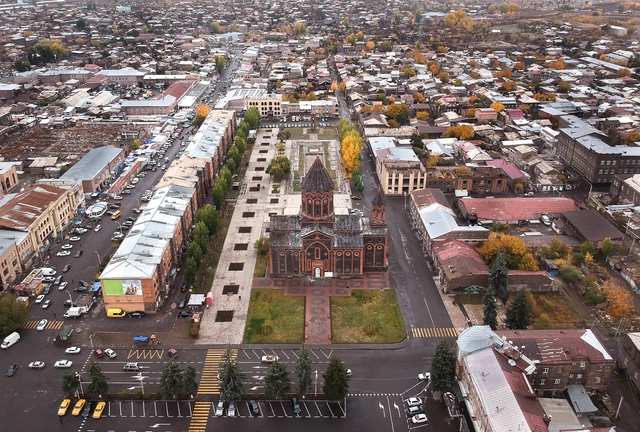
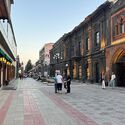
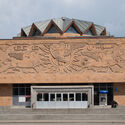
Gyumri, the capital of Armenia's Shirak region and the country's second-largest city, was historically known for its culture and architectural heritage. While it was part of the Soviet Union, the city hosted many factories that turned it into a primary industrial center in the region, reaching a population of approximately 225,000 people. However, during the past decades, Gyumri has seen a considerable population decline as a consequence of a devastating earthquake that destroyed the city in 1988 and killed thousands of people. More than 30 years later, Gyumri's regeneration process is still unfolding. The city's ongoing efforts to restore its built environment and boost economic development offer valuable insights into how urban regeneration can be navigated in the aftermath of disaster.

Gyumri’s Revival: Rebuilding Armenia’s Cultural Heritage After the 1988 Earthquake - Image 1 of 4Gyumri’s Revival: Rebuilding Armenia’s Cultural Heritage After the 1988 Earthquake - Image 2 of 4Gyumri’s Revival: Rebuilding Armenia’s Cultural Heritage After the 1988 Earthquake - Image 3 of 4Gyumri’s Revival: Rebuilding Armenia’s Cultural Heritage After the 1988 Earthquake - Image 4 of 4Gyumri’s Revival: Rebuilding Armenia’s Cultural Heritage After the 1988 Earthquake - More Images+ 5

The Taiwan Pavilion at the 2025 Venice Biennale Explores the “Precarious Intelligens”

At the 19th International Architecture Exhibition - La Biennale di Venezia 2025, the collateral event titled "NON-Belief: Taiwan Intelligens of Precarity" is curated by Cheng-Luen Hsueh and co-curators Ping-Sheng Wu, Meng-Tsun Su, and Sung-Chang Leo Chiang, working alongside a team from the NCKU Department of Architecture. In line with the Biennale's main theme, "Intelligens. Natural. Artificial. Collective.", the exhibition explores the idea of "precarious intelligens," a form of resilience shaped by the intersection of natural disasters, geopolitical challenges, globalization, and an uncertain future.

The Taiwan Pavilion at the 2025 Venice Biennale Explores the “Precarious Intelligens” - Image 1 of 4The Taiwan Pavilion at the 2025 Venice Biennale Explores the “Precarious Intelligens” - Image 2 of 4The Taiwan Pavilion at the 2025 Venice Biennale Explores the “Precarious Intelligens” - Image 3 of 4The Taiwan Pavilion at the 2025 Venice Biennale Explores the “Precarious Intelligens” - Image 4 of 4The Taiwan Pavilion at the 2025 Venice Biennale Explores the “Precarious Intelligens” - More Images+ 14

Earthquake in Istanbul Raises Questions About the City's Seismic Preparedness

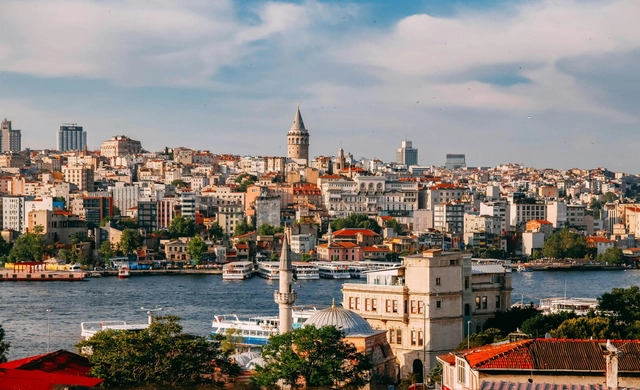
On April 23, 2025, a 6.2 magnitude earthquake in the Sea of Marmara struck Türkiye's largest city, Istanbul, causing widespread panic and injuring over 230 people, primarily due to falls and panic-induced accidents. Over the course of the day, at least 272 aftershocks were recorded, with the strongest reaching a magnitude of 5.9. According to an initial statement by Minister of the Interior Ali Yerlikaya, there was no major destruction apart from the collapse of a single abandoned building. However, the event has reignited public and professional discourse around the city's preparedness for a much larger seismic event, long anticipated by experts monitoring the North Anatolian Fault.

Earthquake in Istanbul Raises Questions About the City's Seismic Preparedness - Imagen 1 de 4Earthquake in Istanbul Raises Questions About the City's Seismic Preparedness - Imagen 2 de 4Earthquake in Istanbul Raises Questions About the City's Seismic Preparedness - Imagen 3 de 4Earthquake in Istanbul Raises Questions About the City's Seismic Preparedness - Imagen 4 de 4Earthquake in Istanbul Raises Questions About the City's Seismic Preparedness - More Images

ELEMENTAL Designs Prefabricated Housing Project for Reconstruction in Viña del Mar, Chile

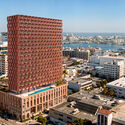
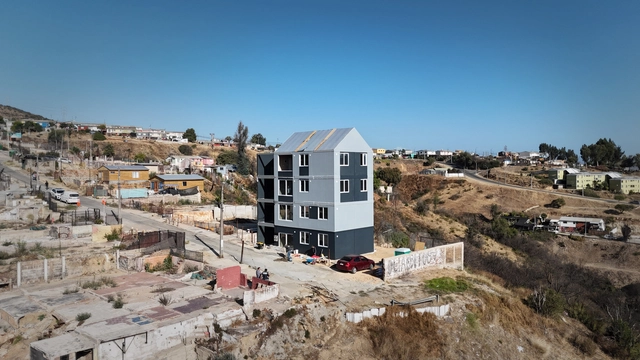
A year after the Viña del Mar mega-fire in Chile and with reconstruction efforts progressing at just 26%, the architecture firm ELEMENTAL and local authorities have begun construction on a prefabricated housing project in one of the residential neighborhoods most affected by the disaster. The project consists of a mid-density residential building with a modular steel structure, intended as a starting point for similar initiatives in response to what is now considered one of the most catastrophic events in Chile's recent history. As stated by Alejandro Aravena and the city's mayor, Macarena Ripamonti, the goal is for the technology and management model behind this project to set a precedent for delivering rapid and permanent housing solutions in emergency situations.

ELEMENTAL Designs Prefabricated Housing Project for Reconstruction in Viña del Mar, Chile - Image 1 of 4ELEMENTAL Designs Prefabricated Housing Project for Reconstruction in Viña del Mar, Chile - Image 2 of 4ELEMENTAL Designs Prefabricated Housing Project for Reconstruction in Viña del Mar, Chile - Image 3 of 4ELEMENTAL Designs Prefabricated Housing Project for Reconstruction in Viña del Mar, Chile - Featured ImageELEMENTAL Designs Prefabricated Housing Project for Reconstruction in Viña del Mar, Chile - More Images+ 19

The Impact of Wildfires on Building Codes: Reflections on the Recent Los Angeles Fires

Subscriber Access | 

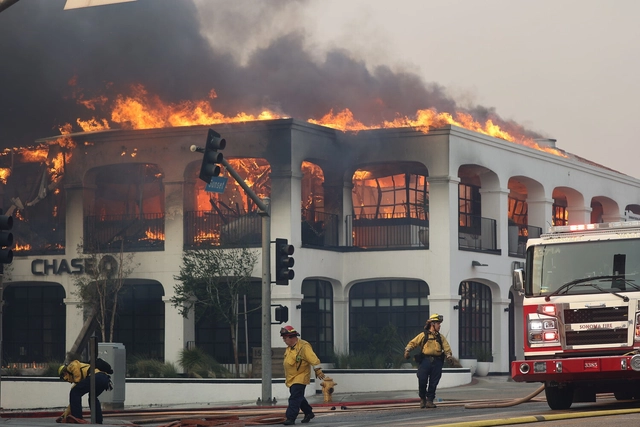
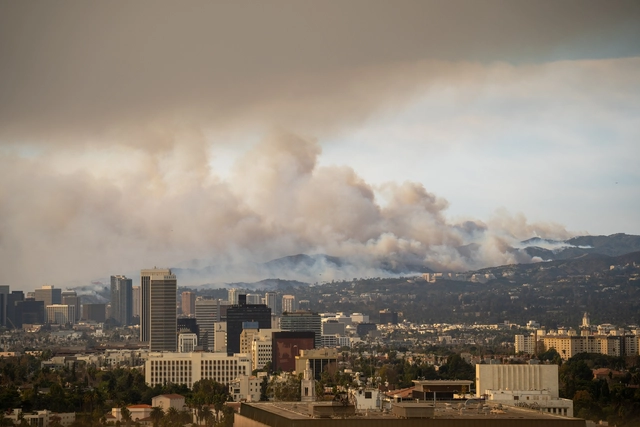
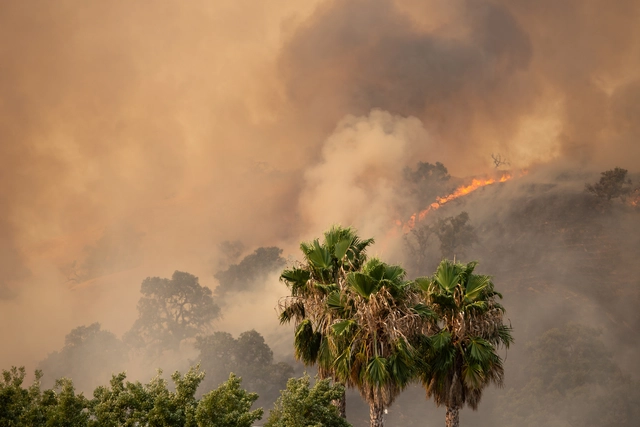
It has been nearly three weeks since one of California's most devastating wildfires began, triggering an immense effort to combat the blaze and mitigate further damage. As firefighters work to contain the remaining flames, the city braces for its first significant winter rainfall, raising concerns about flooding and landslides that may exacerbate the already extensive destruction.

Amid these challenges, the wildfire has spurred widespread reflection at local and global levels. Discussions have emerged on topics such as the insurance system, firefighting infrastructure, water resources, global warming's role in high-wind fire conditions, and the impact of landscape design, particularly the use of non-native vegetation.
The Impact of Wildfires on Building Codes: Reflections on the Recent Los Angeles Fires - Image 1 of 4The Impact of Wildfires on Building Codes: Reflections on the Recent Los Angeles Fires - Image 2 of 4The Impact of Wildfires on Building Codes: Reflections on the Recent Los Angeles Fires - Image 3 of 4The Impact of Wildfires on Building Codes: Reflections on the Recent Los Angeles Fires - Image 4 of 4The Impact of Wildfires on Building Codes: Reflections on the Recent Los Angeles Fires - More Images+ 3

Los Angeles Officials Pass Regulation to Expedite the Rebuilding Process

Devastating wildfires across Los Angelesa have resulted in widespread destruction, displacing thousands of residents, and necessitating a rapid and efficient rebuilding process. Two executive orders have been issued to expedite the rebuilding process, one by Los Angeles Mayor Karen Bass and another by California Governor Newsom, both intending to remove significant regulatory hurdles and expedite project approvals.

Los Angeles Wildfires Threatens Architectural Landmarks Including the Hollywood Bowl and the Eames House

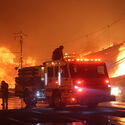
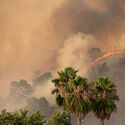
On Tuesday morning, wildfires erupted in the Pacific Palisades, one of Los Angeles' wealthiest neighborhoods. The catastrophic fire left a significant mark on the infrastructure and neighborhoods of Los Angeles, resembling a war-torn landscape by the morning of January 8, 2025. Iconic locations along Sunset Boulevard transformed into scenes of devastation, with charred buildings. Over 2,000 structures have been destroyed, displacing tens of thousands of residents and sparking urgent appeals for access to homes for medication retrieval. Several hotels in Los Angeles have been taking in displaced residents.

Architecture works such as the celebrated Case Study Homes, the Getty Villa museum and significant works by architects like Richard Neutra, Eero Saarinen, A. Quincy Jones, Charles and Ray Eames, and Charles Moore are all now under threat from the fires fueled by strong Santa Ana winds and drought conditions.
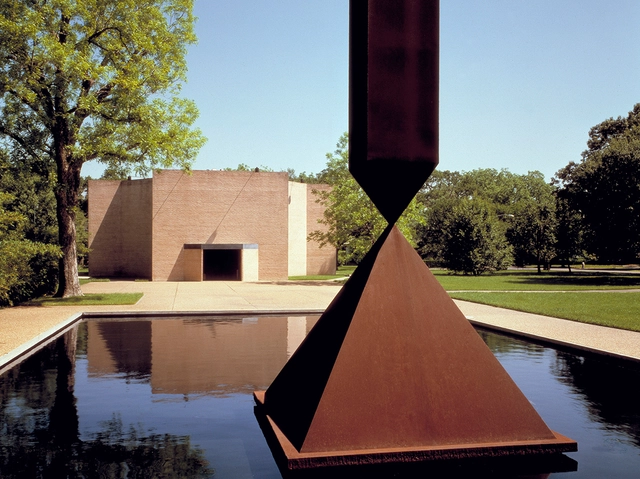
After Closure due to Hurricane Damage, the Rothko Chapel Announces Reopening Date

The Rothko Chapel, a celebrated structure appreciated for its profound meditative space, has announced its reopening to the public on December 17th. Following the extensive damage caused by Hurricane Beryl last July, the custodians of the structure announced its indefinite closure, as a team of art conservators, engineers, and volunteers began the extensive work to restore both the architecture and the invaluable artworks stored within. The Chapel's reopening marks a significant milestone in the recovery process, making this sanctuary of contemplation accessible once again to the community.

After Closure due to Hurricane Damage, the Rothko Chapel Announces Reopening Date - Imagen 1 de 4After Closure due to Hurricane Damage, the Rothko Chapel Announces Reopening Date - Imagen 2 de 4After Closure due to Hurricane Damage, the Rothko Chapel Announces Reopening Date - Imagen 3 de 4After Closure due to Hurricane Damage, the Rothko Chapel Announces Reopening Date - Imagen 4 de 4After Closure due to Hurricane Damage, the Rothko Chapel Announces Reopening Date - More Images+ 1

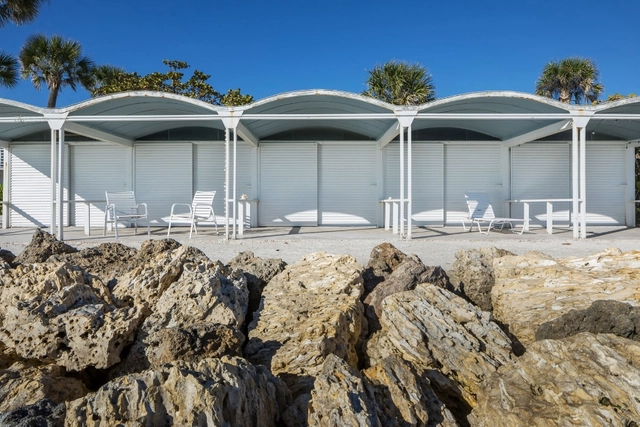
Paul Rudolph’s Sanderling Beach Club Cabanas in Florida Destroyed by Hurricane

On September 27, 2024, the Paul Rudolph Institute of Modern Architecture has announced that the Sanderling Beach Club, a complex of beachside buildings 1952 building designed by Paul Rudolph in 1952 in Sarasota, Florida, has been completely destroyed by Hurricane Helene. The severe tropical storm, a Category 4 Hurricane, has had a devastating impact on communities across Florida, Georgia, North Carolina, South Carolina, and Virginia.

Paul Rudolph’s Sanderling Beach Club Cabanas in Florida Destroyed by Hurricane - Image 1 of 4Paul Rudolph’s Sanderling Beach Club Cabanas in Florida Destroyed by Hurricane - Image 2 of 4Paul Rudolph’s Sanderling Beach Club Cabanas in Florida Destroyed by Hurricane - Image 3 of 4Paul Rudolph’s Sanderling Beach Club Cabanas in Florida Destroyed by Hurricane - Image 4 of 4Paul Rudolph’s Sanderling Beach Club Cabanas in Florida Destroyed by Hurricane - More Images+ 3

SOUR Unveils Community-Driven Regeneration Project for Post-Earthquake Hatay Province in Türkiye

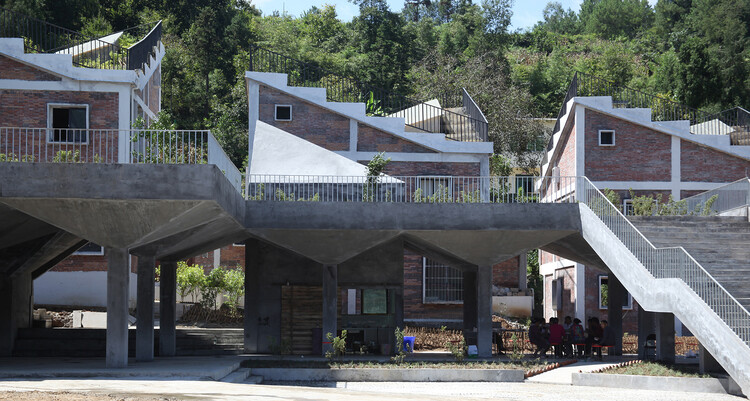
Following the devastating earthquake that hit central Turkiye and northwest Syria in February 2023, the province of Hatay, Türkiye, was left with large sections of its urban fabric destroyed and thousands of residents displaced. Türkiye Design Council has commissioned design studio SOUR to contribute to the regeneration initiative as part of a wider design-led revitalization process.

SOUR Unveils Community-Driven Regeneration Project for Post-Earthquake Hatay Province in Türkiye - Imagen 1 de 4SOUR Unveils Community-Driven Regeneration Project for Post-Earthquake Hatay Province in Türkiye - Imagen 2 de 4SOUR Unveils Community-Driven Regeneration Project for Post-Earthquake Hatay Province in Türkiye - Imagen 3 de 4SOUR Unveils Community-Driven Regeneration Project for Post-Earthquake Hatay Province in Türkiye - Imagen 4 de 4SOUR Unveils Community-Driven Regeneration Project for Post-Earthquake Hatay Province in Türkiye - More Images

Landscape Architects Rise to the Challenge of Coastal Flooding

It's that time of year again: students and their families are busy preparing for the start of school, while some of us are gearing up to step in front of the classroom. While preparing to teach an intro course on climate, I'm reminded of why we use the term climate change and not global warming.

Yes, the Earth is warming from a thickening layer of greenhouse gases in the atmosphere caused by us. But climate changes range from sea level rise to increasing storms, floods, fires, and drought, which are all negatively impacting biodiversity as well. So, not just warming. Recent storms that battered the eastern U.S. coast and Bermuda remind us of this difference. While some communities face extreme heat, others brace for storms and rising waters, and many face multiple impacts.

Landscape Architects Rise to the Challenge of Coastal Flooding - Image 1 of 4Landscape Architects Rise to the Challenge of Coastal Flooding - Image 2 of 4Landscape Architects Rise to the Challenge of Coastal Flooding - Image 3 of 4Landscape Architects Rise to the Challenge of Coastal Flooding - Image 4 of 4Landscape Architects Rise to the Challenge of Coastal Flooding - More Images+ 4