A week of architecture news has highlighted the growing connections between environmental change, public systems, and the evolving role of architectural practice. Extreme weather events in different regions have drawn attention to the vulnerability of settlements, infrastructure, and territorial networks, while new approaches to housing demonstrate how changes in procurement, construction, and governance can influence architectural outcomes. At the same time, the recognition of established practitioners points to the lasting impact of architectural ideas across generations, as the profession continues to engage with questions of resilience, systemic change, and the broader conditions shaping the built environment.



Climate Change and the Resilience of the Built Environment

Extreme weather events across different regions this week have underscored the increasing vulnerability of settlements and infrastructure to changing environmental conditions. In Nepal, the collapse of a lower section of a Himalayan glacier on August 26 triggered an ice and rock avalanche and severe flash floods along the Lhende River valley near the Nepal-Tibet border, destroying villages and damaging approximately 40 kilometers of roads, dozens of bridges, residences, hydropower facilities, and other critical infrastructure along the Trishuli River basin. While the exact cause remains under investigation, rising temperatures and the destabilization of high-mountain rock and ice are increasingly linked to such hazards, highlighting how climate change can generate cascading impacts across territories and infrastructure networks.
Related Article
"If You Build Ugly Social Housing, You Will Create Social Problems": An Interview with the OBEL Award 2026 Recipients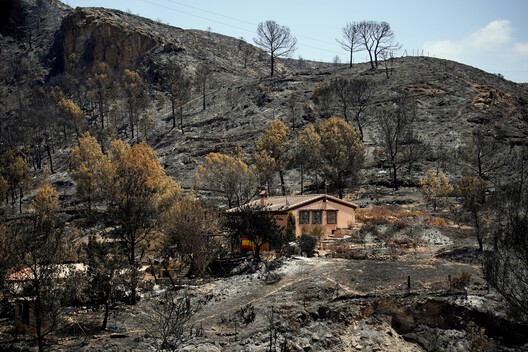
Meanwhile, severe wildfires in northern Algeria have brought similar questions of resilience into focus at the interface between landscape and settlement. Fires across Jijel, Béjaïa, and Tizi Ouzou have caused at least 12 deaths and forced the closure of major national highways, while residential areas, agricultural land, and infrastructure have been affected by rapidly spreading flames. The fires form part of a wider 2026 wildfire season, with more than 112 million hectares recorded as burned globally by August 1, including agricultural and prescribed burning. Across Europe, North Africa, North America, and Australia, increasingly hot and dry conditions are contributing to fire environments that can threaten buildings while simultaneously disrupting roads and evacuation networks.
Rethinking Architecture Through Systems and Practice
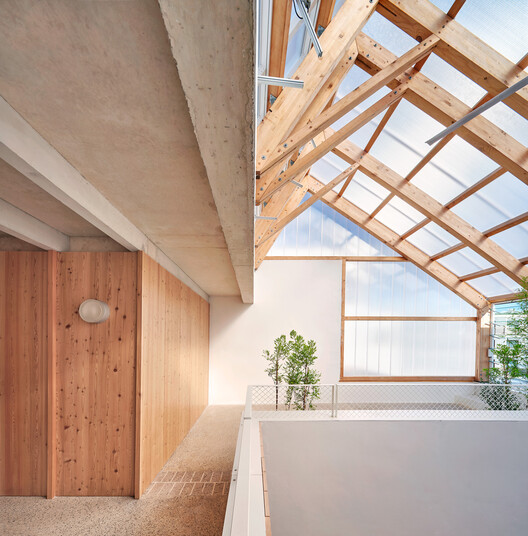
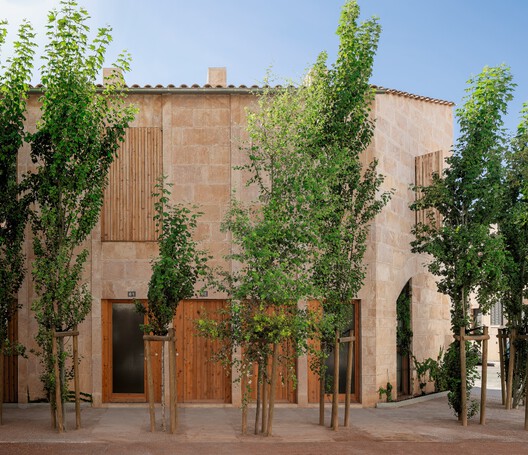
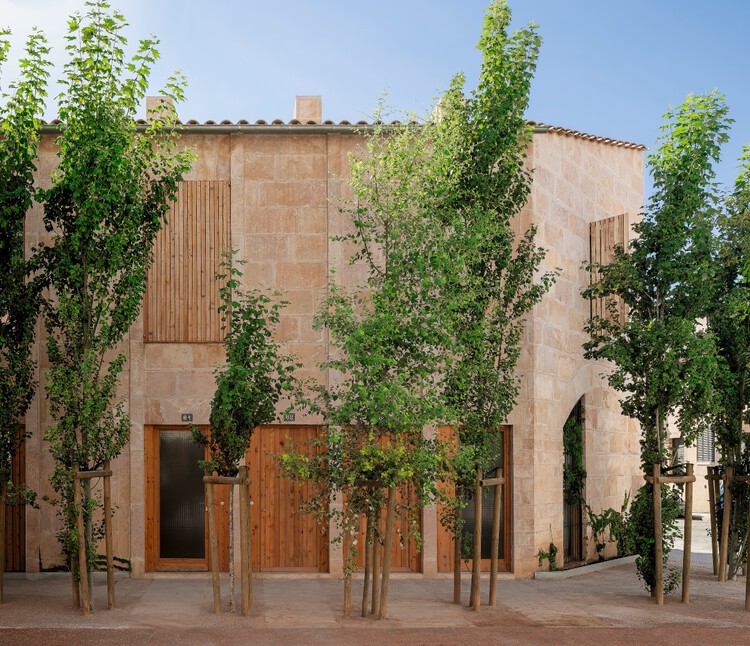
The 2026 OBEL Award has brought attention to another form of systemic thinking through its recognition of the Balearic Social Housing Model. Developed between 2019 and 2023 through the Balearic government's housing administration and led by Cris Ballester Parets and Carles Oliver Barceló, the model addresses the region's shortage of public housing by reconsidering the complete process of housing delivery, from procurement and design to construction and long-term management. Developed with several architecture practices and collaborators, it combines local materials, circular construction practices, passive climate strategies, flexible domestic spaces, and new approaches to public procurement. Recognized under this year's "Systems' Hack" theme, the project demonstrates how architectural change can emerge through the structures surrounding design and construction as much as through individual buildings.
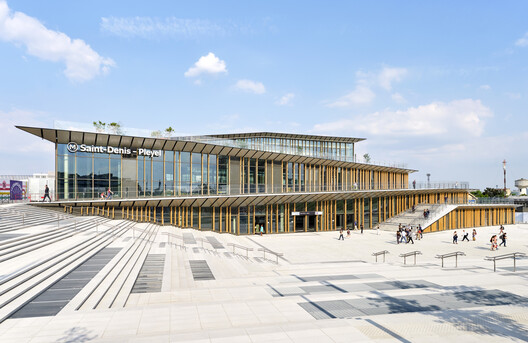
A different perspective on the long-term role of architectural practice will be recognized in 2027, with Japanese architect Kengo Kuma selected to receive the Andrée Putman Lifetime Achievement Award at the Créateurs Design Awards. Since establishing Kengo Kuma & Associates in Tokyo in 1990, Kuma has developed projects across cultural, civic, and transportation contexts, including the V&A Dundee, FRAC Marseille, Cité des Arts et de la Culture in Besançon, Japan National Stadium, and Saint-Denis Pleyel station in Paris.
On the Radar
OMA Completes Tenjin Business Center II in Fukuoka
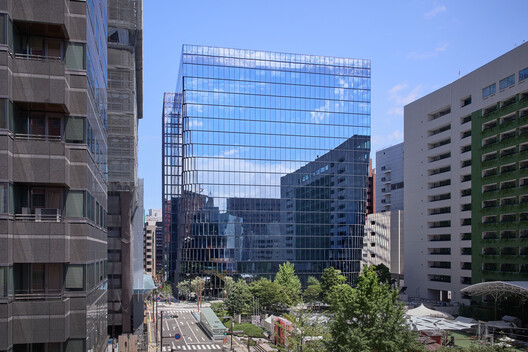
OMA has completed Tenjin Business Center II, an 18-story, 62,720-square-meter mixed-use office complex in Fukuoka, Japan, designed by OMA Partner Shohei Shigematsu and the OMA New York team. Developed as part of Fukuoka's Tenjin Big Bang initiative, the project follows the completion of Tenjin Business Center in 2021 and expands the area's transformation into a business and startup district. Conceived as a companion to its neighboring building, Tenjin II introduces two atriums that extend the public realm into the office complex. The seven-story Accelarium features planted platforms and public amenities, while a smaller atrium creates a green edge along the Fukuhaku Promenade. The building also includes a restaurant, shopping concourse, startup incubator, coworking spaces, gym, sauna, retreat area, and library, with connections to Tenjin I through a second-floor lobby and underground passageway.
CRA Unveils MiMar Residential Tower in West Palm Beach
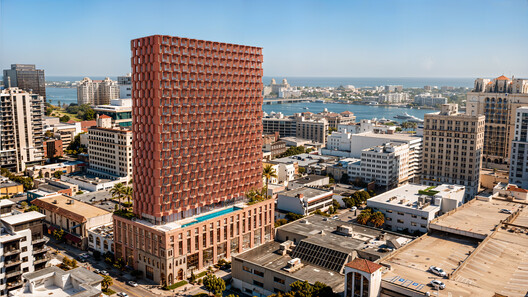
CRA–Carlo Ratti Associati, in collaboration with developer Jeff Greene, has unveiled MiMar, a proposed 25-story residential tower in West Palm Beach, Florida. Developed under the state's Live Local Act, the project combines affordable and market-rate housing within a single building, with 40 percent of its units designated as affordable. Located above the historic Datura Fire Station, the tower is organized around a zig-zagging façade that angles individual residences toward the Atlantic Ocean, giving each unit access to sea views while creating separation between neighboring apartments. The façade also responds to the local climate, with balconies that increase in depth toward the upper floors to provide shading. A hybrid mass-timber and concrete structure, off-site fabrication, and a landscaped podium with shared amenities complete the proposal.
Mary Otis Stevens, Pioneering Architect and Social Advocate, Dies at 98
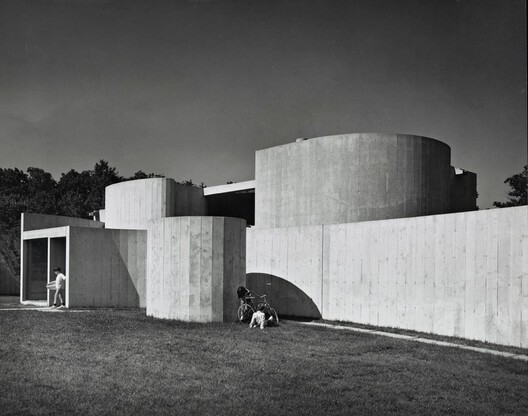
Mary Otis Stevens, an architect whose work and writing challenged conventional approaches to architecture, cities, and social structures, died at her home in Cambridge, Massachusetts, on July 12, 2026, at the age of 98. After earning a Bachelor of Science in Architecture from MIT in 1956, Stevens developed projects ranging from housing and adaptive reuse to cultural and residential architecture, including the curvilinear concrete house she designed with her husband, Thomas McNulty, in Lincoln, Massachusetts. Beyond architectural practice, she co-founded i Press, publishing works that explored the human environment, and helped establish Architects for Social Responsibility, a Boston Society of Architects committee focused on sustainable architecture, urban design, and adaptive reuse. After retiring from practice in 1992, Stevens studied music for 12 years, developing compositions informed by her observations of buildings and place.
This article is part of our new This Week in Architecture series, bringing together featured articles this week and emerging stories shaping the conversation right now. Explore more architecture news, projects, and insights on ArchDaily.