Ammodo Architecture will launch the first edition of Ammodo Architecture Days in Amsterdam on November 9 and 10, 2026. Organized by Ammodo Architecture, a programme of the Ammodo Foundation, the event will bring together architects, landscape architects, urban planners, artists, communities, collectives and multidisciplinary design teams, alongside recipients of the 2024 and 2025 Ammodo Architecture Award. Taking place at Westergas, a former industrial complex now used as a cultural and public venue, the two-day programme will combine a symposium, exhibition, publication launch and award ceremony, creating a setting for exchange between practices working across different geographic, cultural and disciplinary contexts.
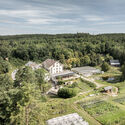
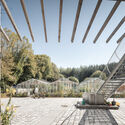
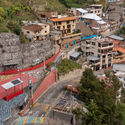
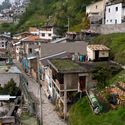
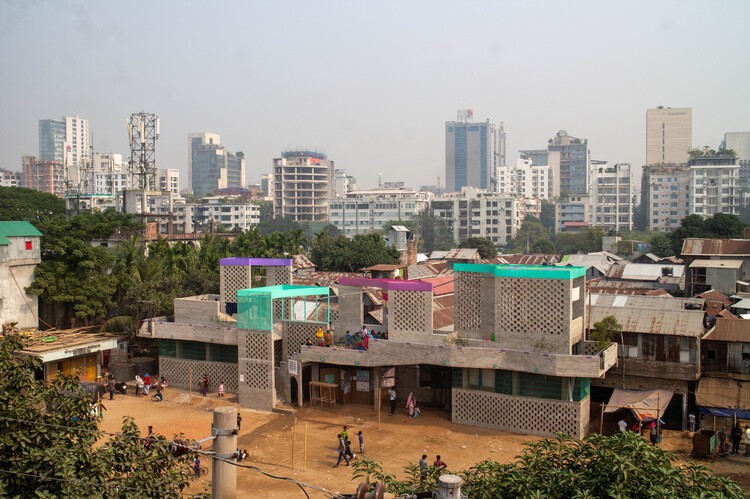
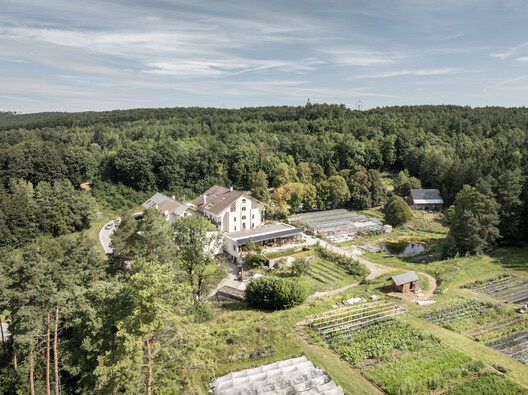
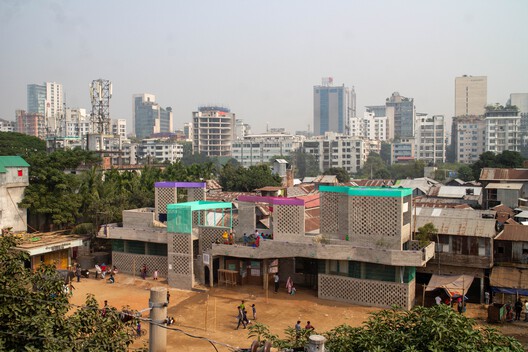
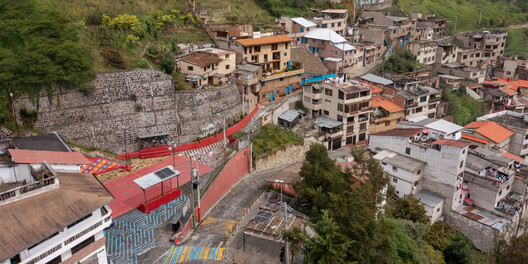
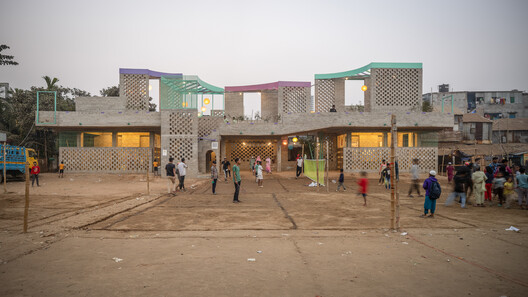
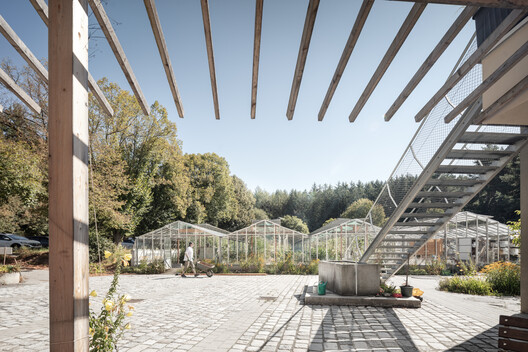
The programme draws on 49 projects recognized through the first two editions of the Ammodo Architecture Award and is structured around six themes: Reclaim, Heritage, Urban Acupuncture, Rebalance, Mastering Material and Reuse. These themes bring together projects that work with existing buildings and materials, local knowledge, community participation, and changing urban conditions, with an emphasis on the processes behind the work as much as the completed projects. Among those featured are Machan_Korail Community Platform by Paraa in Bangladesh, which transformed a former dumping ground into a community and cultural space; VinziRast am Land by gaupenraub+/− in Austria, which adapted a former luxury hotel into a residential and working community; and Sustainable Alleys by RAMA estudio in Ecuador, which explores the potential of Quito's alleys as greener and more socially connected public spaces.
The programme will begin with the symposium on November 10, bringing together award recipients, members of the Ammodo Architecture Advisory Committee and invited practitioners for a series of lectures, conversations and workshops. Speakers include Andrés Jaque, architect and Dean and Professor at Columbia University GSAPP; Anupama Kundoo, architect and Professor at TU Berlin; Floris Alkemade, architect and former Chief Government Architect of the Netherlands; Loreta Castro Reguera, architect and Professor at UNAM in Mexico City; and Aric Chen, Director of the Zaha Hadid Foundation in London.
Related Article
Ammodo Architecture Awards 2025 Announces 26 Recipients for Socially and Ecologically Responsible DesignAlongside the discussions, an exhibition designed by Thonik, Studio LMNOP and Fiction Factory will present projects by recipients of the 2024 and 2025 Ammodo Architecture Award. Rather than presenting the work solely as a collection of completed projects, the exhibition will examine the ideas, processes and contexts that shaped them, offering a closer look at the different approaches represented across the two award editions. Following its presentation in Amsterdam, the exhibition is planned to travel internationally, with further locations to be announced.
The event will also mark the launch of a new publication by Hatje Cantz, bringing together essays by invited contributors and in-depth examinations of projects from the two award editions. The programme will conclude with a ceremony celebrating the 2024 and 2025 Ammodo Architecture Award recipients, whose work is recognized across three categories: Social Architecture, Social Engagement and Local Scale. From 2026 onward, the Ammodo Architecture Award and Ammodo Architecture Days will alternate biennially, extending the award programme with a recurring platform for bringing its projects and practitioners into dialogue.
In other recent news, the Copenhagen Architecture Biennial has announced its second edition, taking place from September 9 to October 15, 2027, under the theme "Elements," which examines architecture's relationship with planetary forces and environmental control. The Sharjah Architecture Triennial has also released three documentaries exploring architectural archives in Baghdad, Damascus, and Tunis, while the Danish Architecture Center is celebrating architect and urban planner Jan Gehl's 90th birthday with an exhibition and programme on his influence on people-centered urban development.