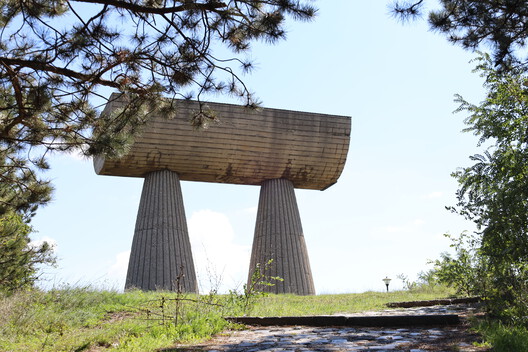
Every year on September 21, the United Nations marks the International Day of Peace, an observance that invites global reflection on the conditions necessary to cultivate non-violence, social stability, and human dignity. Under the 2026 theme, "Invest in Peace – For Everyone, Everywhere, Every Day," the international body emphasizes that peace is neither static nor self-sustaining. Rather than an abstract condition defined solely by diplomatic agreements, peace operates as an ongoing social process, shaped by economic equity, institutional integrity, and the quality of civic life across communities.

Conflict is also experienced through space. War and political instability can transform homes, public infrastructure, cultural heritage, and landscapes, while displacement can reshape neighborhoods and entire urban regions. Beyond areas directly affected by conflict, questions of segregation, unequal access to resources, exclusion, and the militarization of public space reveal how social and political tensions can become embedded in the built environment.
These relationships between space, conflict, and social life have been explored through a range of architectural and urban projects, from post-conflict reconstruction and emergency housing to the preservation of cultural heritage and the transformation of contested public spaces. Rather than positioning architecture as a solution to complex political conflicts, these examples offer ways to examine how the built environment is affected by conflict and, in turn, how spatial decisions can influence processes of recovery, memory, displacement, and coexistence. Below is a selection of ArchDaily articles that examine these intersections.
Related Article
On the International Day of Democracy: Encounter, Equity and the Symbolic Power of ArchitectureSpaces for Encounter, Inclusion, and Civic Life
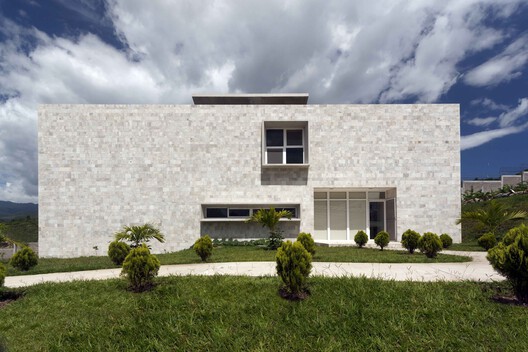
Architecture for Peace: Fostering Growth and Learning through Educational Spaces in Honduras
Cultivating Non-Violent Cities: 10 Examples of Friendly Public Spaces
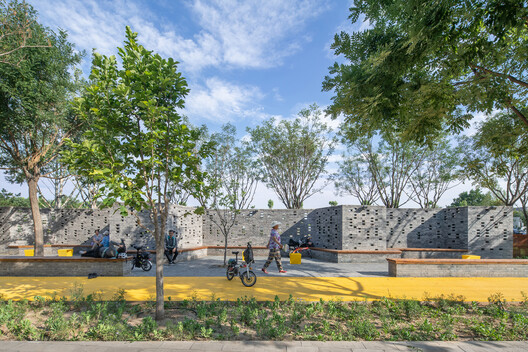
The Antithesis of Hostile Architecture: Projects That Contribute to Urban Hospitality
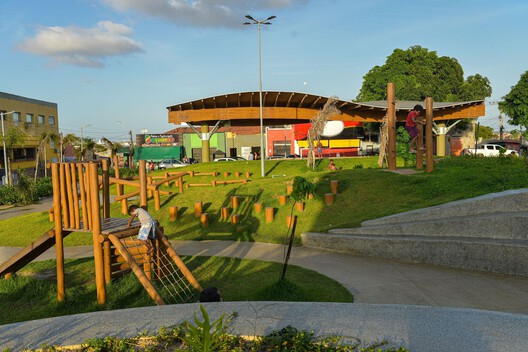
Building Stronger Communities: The Role of Regional Identity in 7 Multi-Purpose Projects
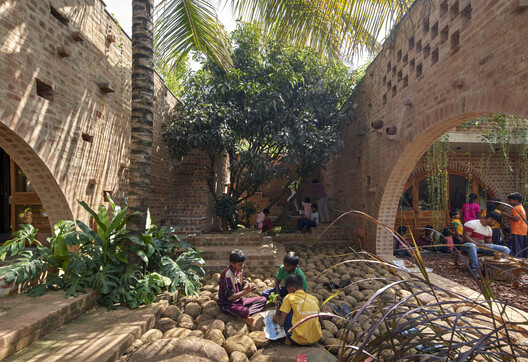
Pavilions in Cities: 14 Structures that Foster Human Interactions
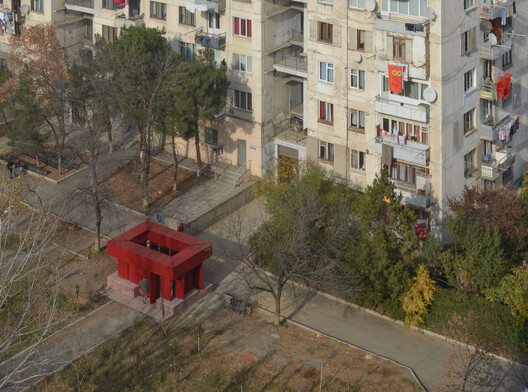
Heritage Destruction, Post-Conflict Recovery, and Collective Memory
Craft After Conflict: Why Rebuilding Cities Begins with Rebuilding Knowledge
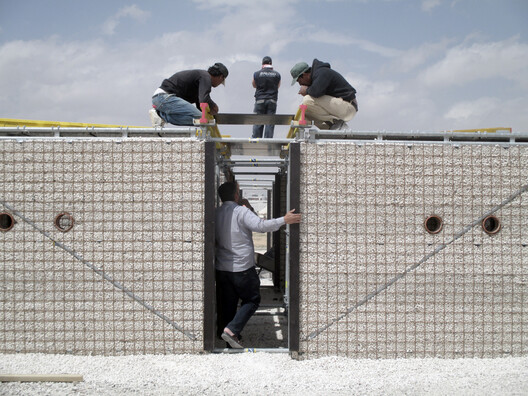
Cultural Heritage Sites in the Middle East Damaged as War Strikes Historic Urban Areas
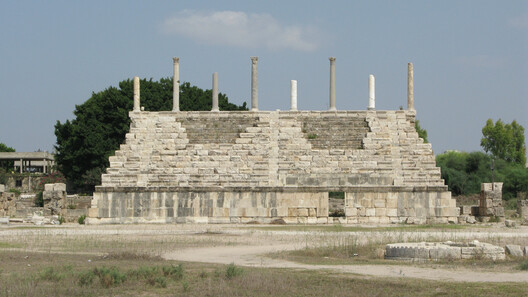
UNESCO Culminates the Restoration Program of the City of Mosul, Iraq
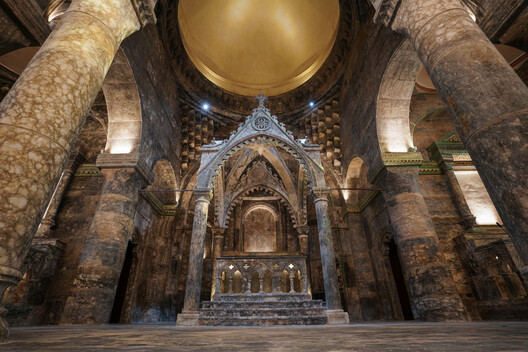
Memory, Memorials, and the Representation of Conflict
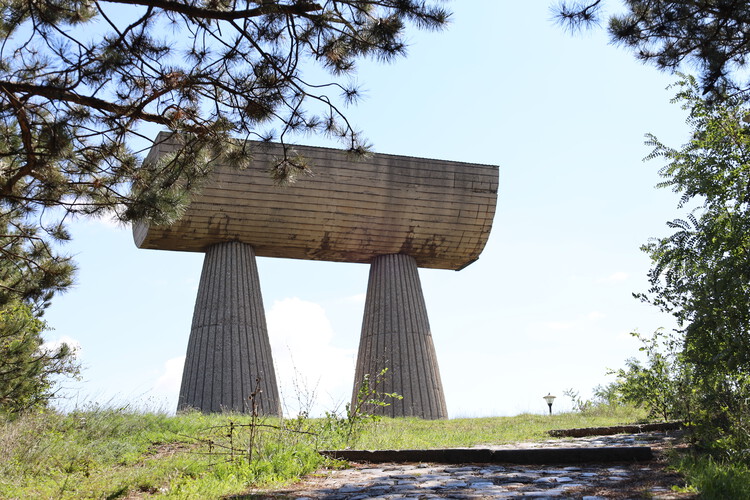
Concrete Memory: 12 Postwar Monuments Across Eastern Europe
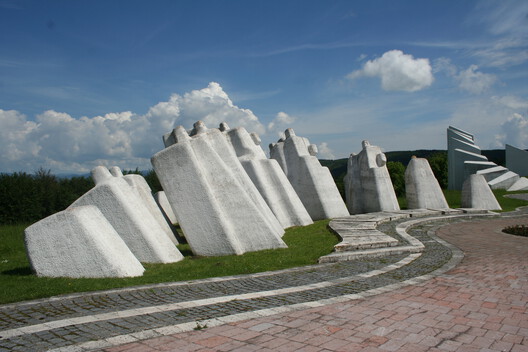
How Will Future Generations Respond to Modern-Day Memorial Architecture?
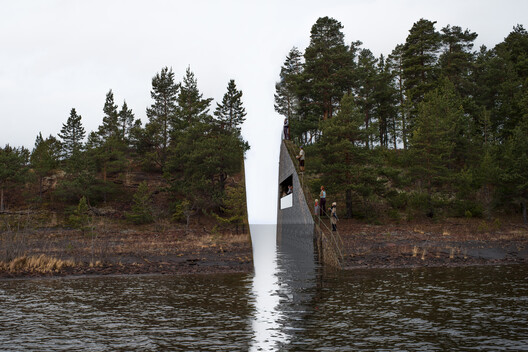
Explore ArchDaily's input into recent United Nations International Days: International Day of Democracy, International Youth Day, International Day of the World's Indigenous Peoples, World Population Day, World Environment Day, Africa Day, and International Mother Earth Day.