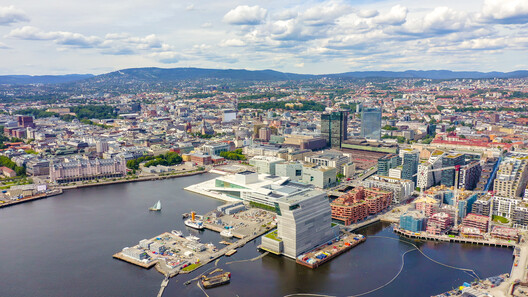
Oslo is the capital of Norway as well as its largest city, serving as the country's political, economic, and cultural center. Nestled at the head of the Oslofjord and surrounded by forested hills, it's home to roughly 700,000 people in the city, with over a million living in the greater metropolitan area. Founded around a thousand years ago, Oslo has a long history as a trading post and administrative seat. However, much of its modern character was shaped after a major fire in the seventeenth century led to a full rebuilding under Danish rule, when it was briefly renamed Christiania. Today it consistently ranks among the world's most livable cities, prized for its blend of urban life and easy access to nature.
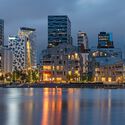
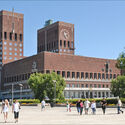
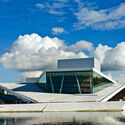
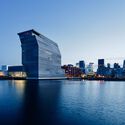
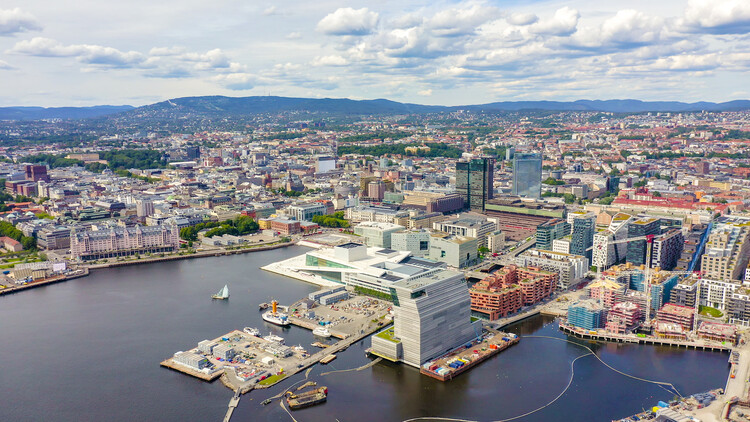
At the same time, Oslo is something of an open-air showcase for contemporary architectural design layered atop older civic landmarks. The Oslo Opera House, for example, features a sloping white marble roof that visitors can walk right up onto and has become a defining symbol of the city's ambition. Nearby, the Barcode district's row of high-rises contrasts with the nineteenth-century Royal Palace and the Oslo City Hall, itself an example of functionalist architecture. Add to this the pedestrian street around Norway's Royal Palace and the Munch Museum along the waterfront, and the overall atmosphere is a city that feels nature-adjacent, yet it also gives space for architectural statements and contemporary city life.