1. ArchDaily
  2. MRDV

MRDV: The Latest Architecture and News

Subscriber Access

Oslo Architecture City Guide: 12 Buildings Contrasting Historic and Contemporary Design

Audio available

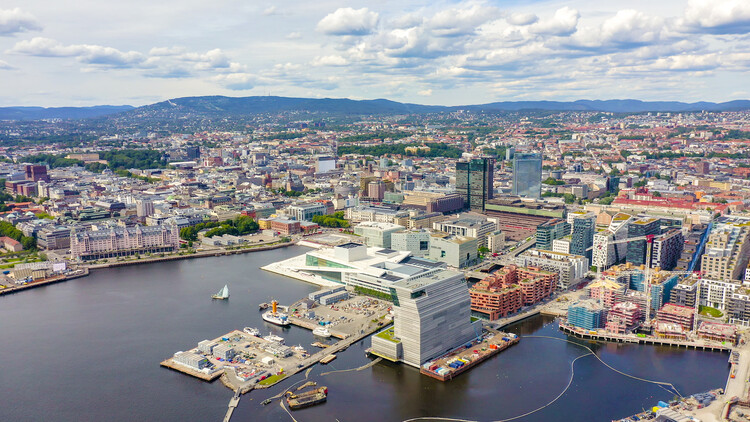
Oslo is the capital of Norway as well as its largest city, serving as the country's political, economic, and cultural center. Nestled at the head of the Oslofjord and surrounded by forested hills, it's home to roughly 700,000 people in the city, with over a million living in the greater metropolitan area. Founded around a thousand years ago, Oslo has a long history as a trading post and administrative seat. However, much of its modern character was shaped after a major fire in the seventeenth century led to a full rebuilding under Danish rule, when it was briefly renamed Christiania. Today it consistently ranks among the world's most livable cities, prized for its blend of urban life and easy access to nature.
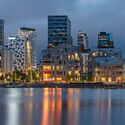
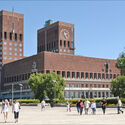
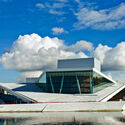
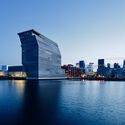
Oslo Architecture City Guide: 12 Buildings Contrasting Historic and Contemporary Design - Image 1 of 4Oslo Architecture City Guide: 12 Buildings Contrasting Historic and Contemporary Design - Image 2 of 4Oslo Architecture City Guide: 12 Buildings Contrasting Historic and Contemporary Design - Image 3 of 4Oslo Architecture City Guide: 12 Buildings Contrasting Historic and Contemporary Design - Image 4 of 4Oslo Architecture City Guide: 12 Buildings Contrasting Historic and Contemporary Design - More Images+ 10

Revitalizing Urban Ecosystems: 4 Projects Reconnecting Cities with Their Water Heritage

Water architecture has always been important throughout human history. From the aqueducts in ancient Rome to the grand canals of Venice, water has not only sustained life but also played an important role in shaping the urban environment. It has facilitated trade, nourished agricultural lands, and provided a sense of place and identity to different communities. Despite water's historical role, during the 20th century, many cities chose to bury their waterways underground, primarily for safety and hygiene reasons, as these channels often served as open sewers.

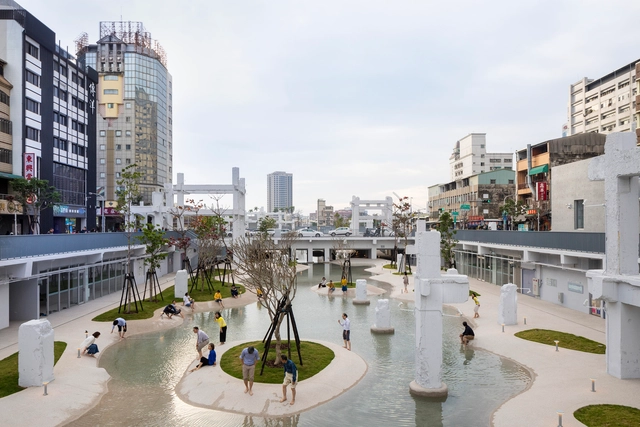
In today's rapidly urbanizing world, where cities dominate the landscape, water is being rediscovered as a means of ecological regeneration. There is a growing movement to reopen and re-naturalize urban waterways to restore them as vital ecological corridors within the city. More and more cities are now looking towards the water in an attempt to reconnect with nature and create spaces where urban life and natural ecosystems can coexist harmoniously. This growing trend reflects a deeper understanding of water not just as a resource, but as a bridge to a more sustainable and resilient future for our cities.

Revitalizing Urban Ecosystems: 4 Projects Reconnecting Cities with Their Water Heritage - Imagen 1 de 4Revitalizing Urban Ecosystems: 4 Projects Reconnecting Cities with Their Water Heritage - Imagen 2 de 4Revitalizing Urban Ecosystems: 4 Projects Reconnecting Cities with Their Water Heritage - Imagen 3 de 4Revitalizing Urban Ecosystems: 4 Projects Reconnecting Cities with Their Water Heritage - Imagen 4 de 4Revitalizing Urban Ecosystems: 4 Projects Reconnecting Cities with Their Water Heritage - More Images