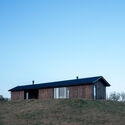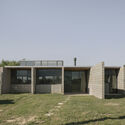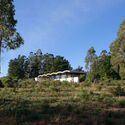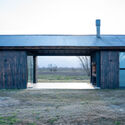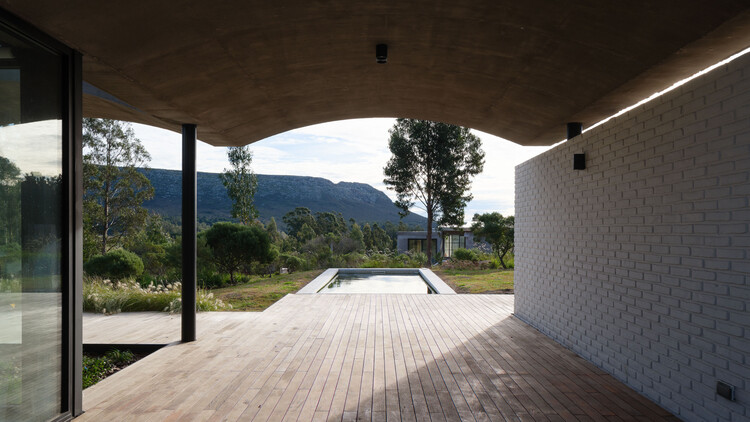
Argentina's vast territory reveals multiple ways of building shaped by its geographic, climatic, and cultural diversity. When designing single-family homes in Córdoba, Mendoza, Santa Fe, and Buenos Aires, numerous young Argentine architecture firms respond to distinct material, landscape, and cultural conditions by working with the resources, construction systems, and crafts available in each area. The house becomes a means of interpreting its context, engaging with local traditions, and incorporating new approaches to architectural production.
As the setting for everyday life, the house is part of an ongoing experience, acting as a complex and subtle organism that responds not only to its inhabitants' way of life but also to the landscapes in which it is situated. After presenting different perspectives and definitions by figures such as Le Corbusier, Ernesto Rogers, and Lewis Mumford, Argentine architect Eduardo Sacriste emphasizes in his book Qué es la casa its role as a reflection of the past, sharing the present and illuminating the future.