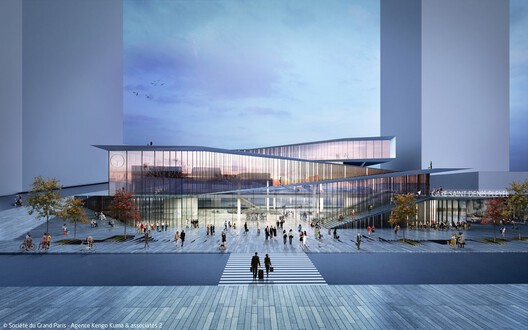
The Grand Paris Express project consists of 200 kilometers of new, fully automated metro lines, 68 new stations, and four new orbital lines (15, 16, 17, and 18), in addition to the extension of Line 14. The network is being delivered in phases between 2024 and 2031: Line 14's 8 stations are fully operational following its 2024 extension, Line 18 is the most advanced of the new lines, with testing underway ahead of its first opening, and civil engineering is largely complete on many sections, with tracks, systems, architectural fit-out, and testing now progressing station by station. Each of the 68 stations is assigned to a specific architect or architectural team, sometimes in collaboration with landscape architects for above-ground elements.
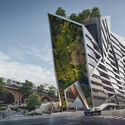
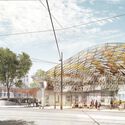
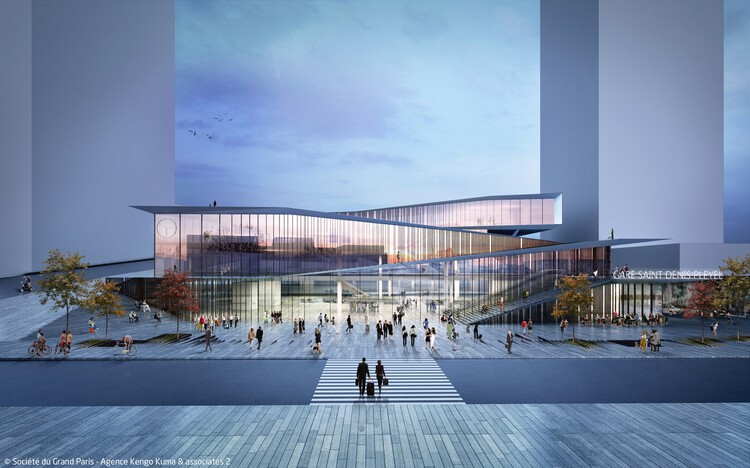
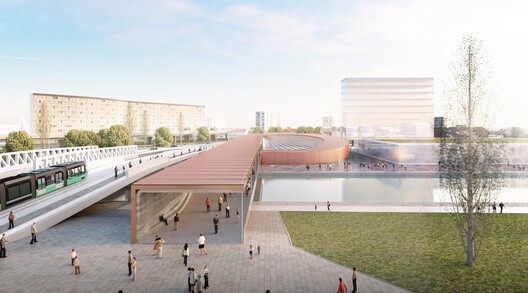
Every Grand Paris Express station was commissioned through an architectural competition, making it one of the largest coordinated public architecture programs in Europe. Confirmed designers include Kengo Kuma & Associates, Dominique Perrault Architecture, Studio Libeskind, BIG and Silvio d'Ascia Architecture, Atelier Novembre, Dietmar Feichtinger Architectes, Valode & Pistre, Marc Barani Architecte, and Philippe Gazeau Architecte, among others. This architectural dimension is one of the project's defining features, setting it apart from most contemporary transit infrastructure. The stations have been conceived as civic landmarks intended to support urban regeneration, improve public spaces, and, on paper, reinforce the identity of the neighborhoods they serve.
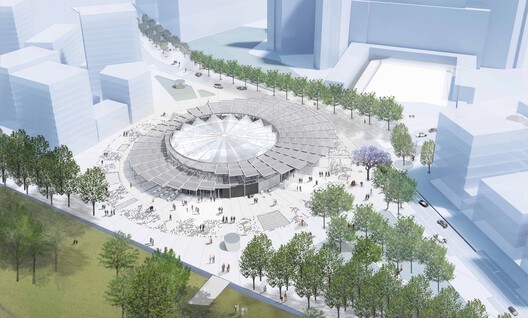
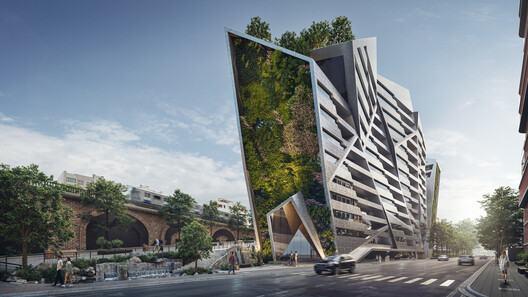
The priorities for the stations' design were defined in a manual of architecture guidelines written by Jacques Ferrier and Pauline Marchetti. The manual establishes sustainability and green design goals for materials, lighting, volumes, and energy. The Société des Grands Projets worked with local communities and Île-de-France Mobilités to align all urban requirements, including over 100 real estate developments associated with the metro lines and expected by 2030. In terms of transportation, public space design will prioritize pedestrian and soft modes of transport, rerouting bus systems in favor of metro stations. The stations include shops, services, and public space shaped by existing commercial activity in the area. The SGP also plans around 70 works of contemporary art, one artist per station, and large-scale illustrations for the platforms.
Related Article
How Will Transportation Work in the Future? A Look at the Rise of Electric Mobility in CitiesThe first milestone of the transportation project was reached with the extension of Line 14, opened to the public in June 2024, timed with the 2024 Summer Olympics. The line now connects Saint-Denis–Pleyel in the north with Paris-Orly Airport in the south, becoming the first line to interchange with the upcoming Lines 15, 16, 17, and 18. The next phase is scheduled for late 2026, when the first section of Line 18, running between Massy–Palaiseau and Christ de Saclay, is expected to begin operation as the first entirely new Grand Paris Express line to open. According to the French public agency Société des Grands Projets (SGP), the line is already in advanced testing, with trains operating automatically along completed sections.
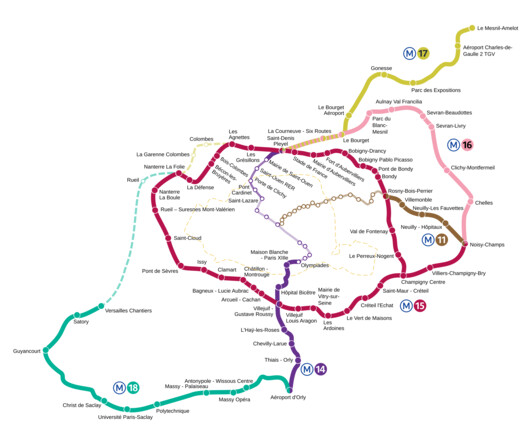
During 2027, Line 15 South is expected to open between Pont de Sèvres and Noisy–Champs; the initial sections of Line 16, linking Saint-Denis–Pleyel with Clichy–Montfermeil, and Line 17, connecting Saint-Denis–Pleyel with Le Bourget Airport, are also scheduled to enter service. Line 18 is expected to extend eastward to Paris-Orly Airport, strengthening connections between the airport, research campuses, and the wider metropolitan region, eventually circling the city of Paris. In 2028, Line 16 is expected to reach Noisy–Champs, while Line 17 will extend to Parc des Expositions, serving one of the region's largest exhibition centers. The final phases are planned for 2030, when Line 17 will continue to Le Mesnil-Amelot near Charles de Gaulle Airport, and Line 18 will reach Versailles-Chantiers. The project is expected to be completed in 2031, completing the 75-kilometer circular metro line.
Other recent transportation infrastructure projects announced worldwide include Park's selection to redesign the ground floor and mezzanine levels of historic Milano Centrale station, transforming the city landmark into a contemporary urban platform. UNS's design proposal for Turin's new Metro Line 2, developed in collaboration with Settanta7, Mijksenaar, Frigorosso, 3BA, and WSP, was selected by an international jury of experts chaired by Dominique Perrault, with a project envisioned as "a new urban river." In Taiwan, ZHA's Danjiang Bridge is nearing completion with the steel decking installed, connecting the east and west banks of the Tamsui River estuary for the first time and confirming its opening date of May 12, 2026.


