1. ArchDaily
  2. Train

Train: The Latest Architecture and News

How Can Transport Infrastructures Take On a New Lease of Life?

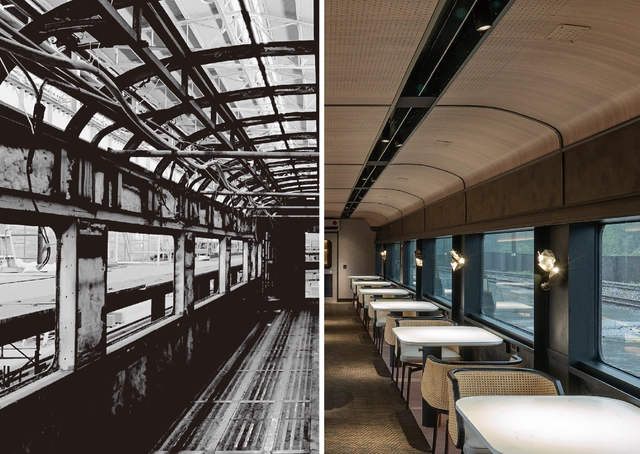
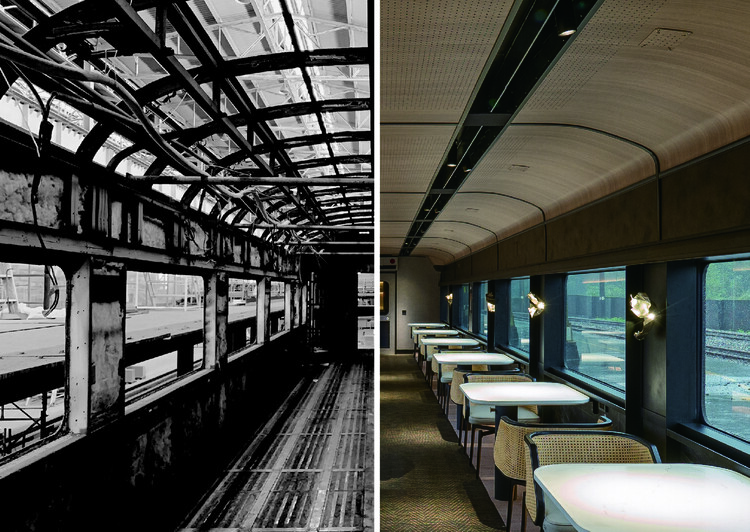
Faced with the combined forces of population growth, economic prosperity, and urban expansion, cities are witnessing a significant rise in the movement of people and goods—mirroring the evolution of diverse mobility systems within urban environments. As technologies advance and modes of transport evolve, the adaptive reuse of train carriages, airplane cabins, and other service infrastructures reveals opportunities to explore their creative potential. Materials, technologies, and design tools converge around a shared goal: refurbishing and repurposing disused structures to give them new life.

How Can Transport Infrastructures Take On a New Lease of Life? - Image 1 of 4How Can Transport Infrastructures Take On a New Lease of Life? - Image 2 of 4How Can Transport Infrastructures Take On a New Lease of Life? - Image 3 of 4How Can Transport Infrastructures Take On a New Lease of Life? - Image 4 of 4How Can Transport Infrastructures Take On a New Lease of Life? - More Images+ 12

21st Europe's Starline Reimagines the Future of Mobility Across European Cities

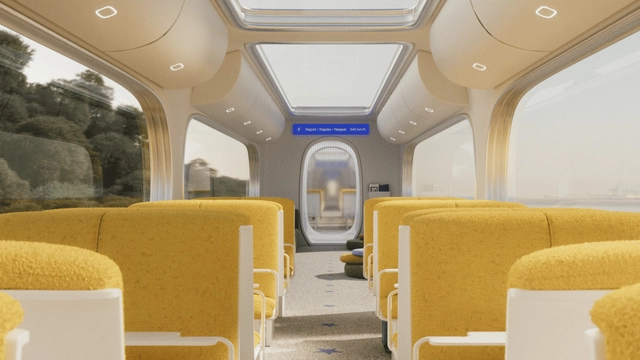
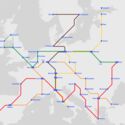
21st Europe, a new design-led think tank founded by former SPACE10 creative director Kaave Pour focused on shaping the future of the continent, has just unveiled Starline: a blueprint for a high-speed rail system that aims to connect Europe as seamlessly as a city metro. Revealed at the think tank's inaugural summit in Barcelona and developed in collaboration with creative technology studio Bakken & Bæck, Starline combines infrastructure, digital tools, and visual identity into one integrated vision for movement across the continent.

21st Europe's Starline Reimagines the Future of Mobility Across European Cities - Image 1 of 421st Europe's Starline Reimagines the Future of Mobility Across European Cities - Image 2 of 421st Europe's Starline Reimagines the Future of Mobility Across European Cities - Image 3 of 421st Europe's Starline Reimagines the Future of Mobility Across European Cities - Image 4 of 421st Europe's Starline Reimagines the Future of Mobility Across European Cities - More Images+ 4

Not Just a Train Stop: The Evolution of Transit-Oriented Developments in East Asia

Subscriber Access | 

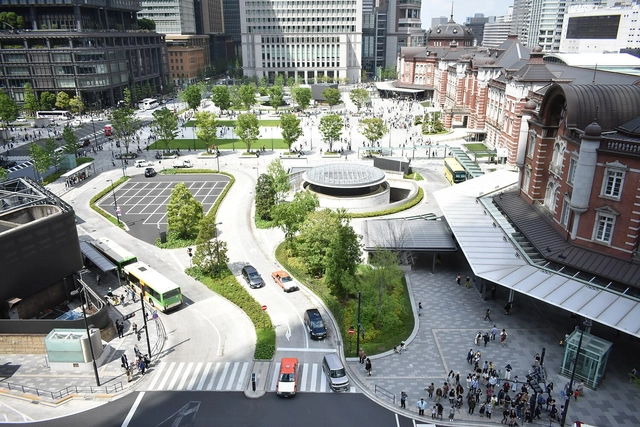
Transit-Oriented Development (TOD) is a comprehensive urban planning strategy aimed at creating dense, walkable, and vibrant neighborhoods centered around public transportation hubs. By seamlessly integrating residential, commercial, and recreational facilities within close proximity to transit nodes, TODs seek to reduce automobile dependency, increase public transit ridership, and stimulate local economic development. Government agencies play a pivotal role in supporting these developments through zoning reforms, easing floor area ratios (FARs), selling air rights, and facilitating public-private partnerships to secure capital for public infrastructure. While TODs have gained global traction, East Asia boasts some of the most successful examples. Conversely, efforts to replicate these models in different contexts—such as New York City—highlight the importance of adapting TOD principles to local conditions, geographical characteristics, and community needs.

Not Just a Train Stop: The Evolution of Transit-Oriented Developments in East Asia - Image 1 of 4Not Just a Train Stop: The Evolution of Transit-Oriented Developments in East Asia - Image 2 of 4Not Just a Train Stop: The Evolution of Transit-Oriented Developments in East Asia - Image 3 of 4Not Just a Train Stop: The Evolution of Transit-Oriented Developments in East Asia - Image 4 of 4Not Just a Train Stop: The Evolution of Transit-Oriented Developments in East Asia - More Images+ 17

Madrid and Barcelona Benefit from Spain’s Free Travel Plan

Last summer, Spain promoted cleaner transportation by offering free seasonal tickets for suburban and regional trains, which translated into roughly 48 million journeys per month. The initiative hoped to help citizens reduce fuel consumption and reduce the cost of living during the economic uncertainties and rising energy prices. In the summer of 2022, a 30% discount for municipal public transport was announced, with local governments in places like Catalonia topping up to a 60% discount. The program ran between the 1st of September and the 31st of December of last year.

Madrid and Barcelona Benefit from Spain’s Free Travel Plan - Image 1 of 4Madrid and Barcelona Benefit from Spain’s Free Travel Plan - Image 2 of 4Madrid and Barcelona Benefit from Spain’s Free Travel Plan - Image 3 of 4Madrid and Barcelona Benefit from Spain’s Free Travel Plan - Image 4 of 4Madrid and Barcelona Benefit from Spain’s Free Travel Plan - More Images+ 1

UMWELT, PRODUCTORA, and LANDMRX will Transform Abandoned Modernist Building into Chile's State Railway Headquarters

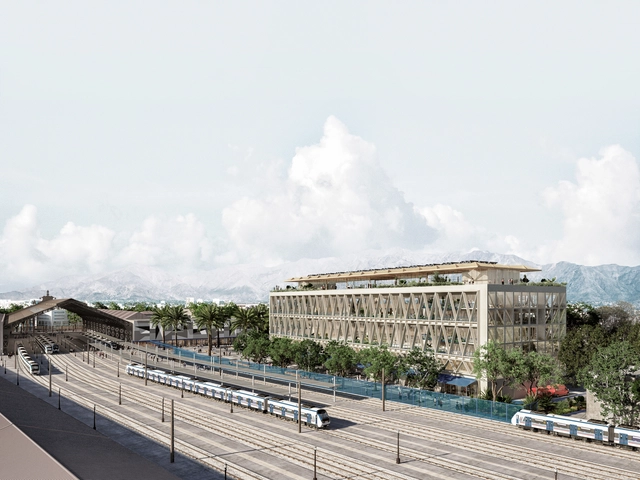
The Chilean architectural practice UMWELT, together with the landscape architecture office LANDMRX and the renowned Mexican firm PRODUCTORA, have won first place in the competition for the transformation of the former Correos de Chile (Chilean Postal Service) building located in Estación Central, Santiago. In 2021, EFE (Chile's State Railway Company) acquired the property to convert it into their new corporate headquarters, where the company's employees will work in interaction with the nearby railway operations.

UMWELT, PRODUCTORA, and LANDMRX will Transform Abandoned Modernist Building into Chile's State Railway Headquarters - Image 1 of 4UMWELT, PRODUCTORA, and LANDMRX will Transform Abandoned Modernist Building into Chile's State Railway Headquarters - Image 2 of 4UMWELT, PRODUCTORA, and LANDMRX will Transform Abandoned Modernist Building into Chile's State Railway Headquarters - Image 3 of 4UMWELT, PRODUCTORA, and LANDMRX will Transform Abandoned Modernist Building into Chile's State Railway Headquarters - Image 4 of 4UMWELT, PRODUCTORA, and LANDMRX will Transform Abandoned Modernist Building into Chile's State Railway Headquarters - More Images+ 12

High Speed Rail in the US: Myth or Near-Future Possibility?

Subscriber Access | 

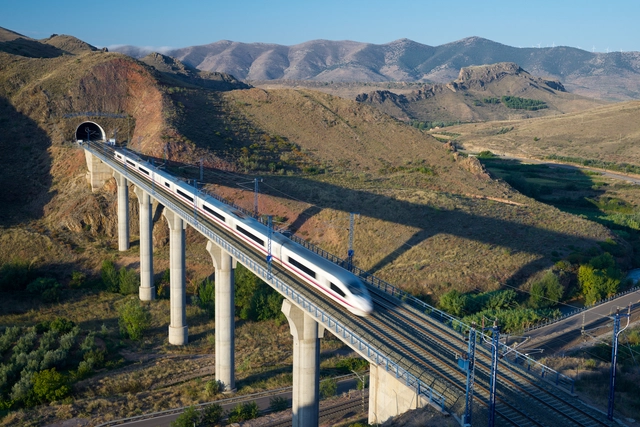
In Europe, Asia and much of the developed world, high speed rail is convenient and accessible. Whether for business or pleasure, travelers are served by an efficient and extensive rail network that connects passengers to the desired destination on time and with relatively little effort. Although these train systems can travel as fast as 350 kilometers per hour, speed is not the only important factor. Rail stations in Europe, for example, are an integral part of the historic urban fabric. These facilities are often perceived as civic destinations that play a fundamental role in the mobility system, providing a wide range of services for the larger collective; shopping, entertainment, commercial and civic uses are often paired with transit services as new stations are built and historic stations are retrofitted.