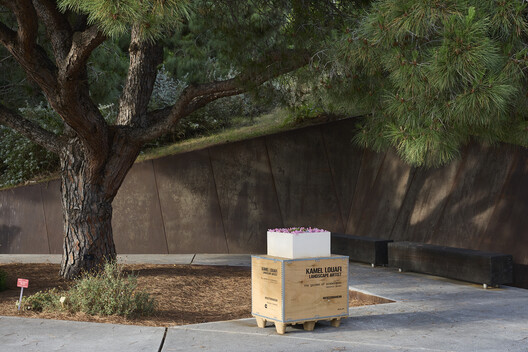
As part of the official programme for Barcelona as the UNESCO-UIA World Capital of Architecture, the Jardí Botànic de Barcelona is hosting "Parlour Gardens: Dreams from the Rooftop," a display of ceramic installations proposing a journey through landscape architecture. Curated by Marina Cervera (Barcelona International Landscape Biennial, CEO of NablaBCN), James Hayter (former president of IFLA, Oxigen), and José Luis Cortés (former president of the UIA), the exhibition marks a century since the 1926 invention of the jardinets de saló (living room or parlour gardens), miniature ceramic landscape worlds created originally by Nicolau M. Rubió i Tudurí, Llorenç Artigas, and Raoul Dufy. Installations by 14 global landscape architects will be scattered across the botanical grounds, grouped by homoclimatic zones to pair each design with fitting regional plant life, through 4 October 2026.



In 1926, architect Nicolau M. Rubió i Tudurí, ceramicist Llorenç Artigas and painter Raoul Dufy came together to create the jardinets de saló: miniature ceramic worlds representing different natural landscapes in objects small enough to rest on a table. Architecture's largest scale translated into miniature form. A century later, one of the pieces first exhibited at the Bernheim-Jeune galleries in Paris in 1927 shares ground with fourteen new commissions in a new "Parlour Gardens" exhibition at the Barcelona Botanical Garden, a 14-hectare ecological showcase on Montjuïc designed by Carlos Ferrater, Josep Lluís Canosa, and Beth Figueras for the 1992 Olympics. The subtitle "Dreams from the Rooftop" refers to the rooftop as a place of experimentation for sustainable living in contemporary cities, an everyday space for testing ideas on more resilient urban futures.
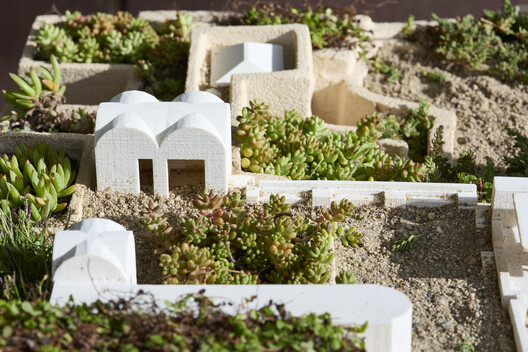
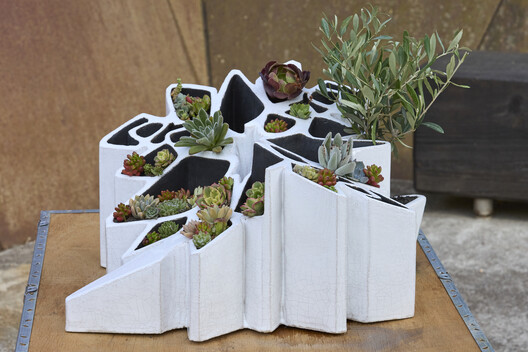
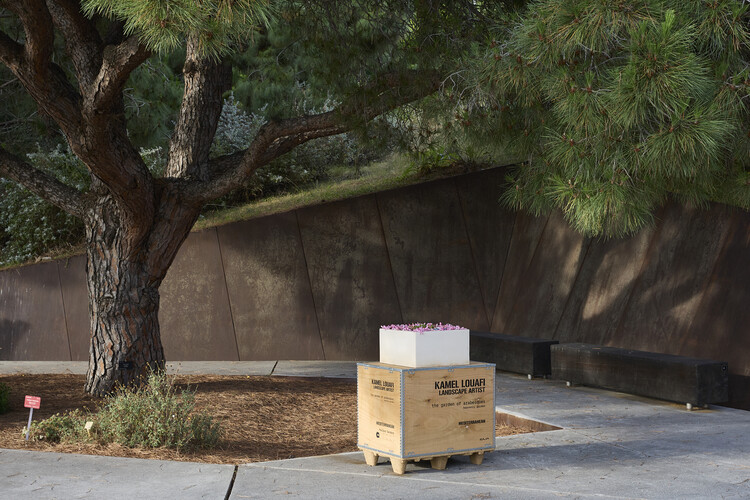
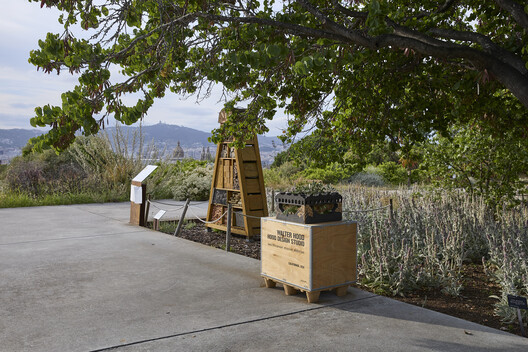
The invited participants work across all five Mediterranean-homoclimatic climate regions of the globe: California, Chile, South Africa, Australia, and the Mediterranean basin. Each model is placed in the sector of the garden that echoes its creator's home region. The display is composed of three models from Southern Australia: Adrian McGregor from McGregor & Coxall, Peter Stutchbury from Peter Stutchbury Architecture, and Phil Harris from Troppo Architects; two models from Africa: Gareth Doherty from the NUS Critical Landscapes Design Lab, and Tarna Klitzner & Lovell Friedman from TK Landscape Architecture; three models from California in the United States: James Corner from Field Operations, Adam Greenspan from PWP Landscape Architecture, and Walter Hood from Hood Design Studio; and five from the Mediterranean climate zone: Catherine Mosbach from Mosbach Paysagistes, Thomas Doxiadis from Doxiadis+, Jala Makhzoumi & Abdul-Halim Jabr, Kamel Louafi from Louafi Landschaftsarchitekten, and Teresa Moller from Teresa Moller Paisajista.
Related Article
What Can Architectural Practice Learn From Botany?The exhibited pieces are the representation of rooftop garden proposals in a 45 × 45 × 25 cm format, including the design of the ceramic container and the planting scheme. Contemporary models are produced in Barcelona and built in glazed ceramic, combining advanced 3D clay-printing technology (clay jet) with traditional craft techniques and planted with living Mediterranean species. Each model is presented directly on its wooden transport crate, and each garden is planted and maintained according to its author's specification as an evolving living artwork. As explained by its designers, the pieces aim to offer the public a contemporary interpretation of ecological resilience, translating a specific imaginary of the garden into the object. In a walking tour through the Botanical Garden's homoclimatic zones, visitors are invited to reflect on the relationship between urban gardening and climate, and the tradition and future of domestic greenery.
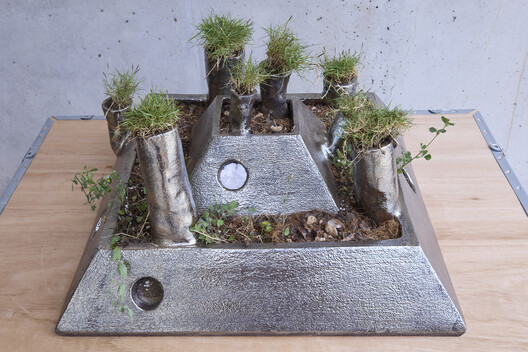
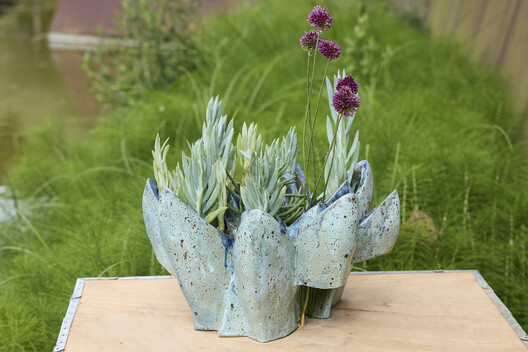
The exhibition will close on 4 October with an event dedicated to technology and beauty, with the participation of contributors from different continents. Other architectural exhibitions currently on view worldwide include MoMA's Architects of Liberation: Modernism in Western Africa, on view through 2 January 2027. The exhibition examines African modern architecture from the late 1950s through the early 1980s in the context of political independence in the region. Until 19 August, Aedes in Berlin will be showcasing the exhibition "A Structure of Feeling: On a New Generation of Architects in China," showcasing the work of nine practices represented in twelve projects transforming the existing urban fabric, rural development, and contemporary forms of spatial production. The European Cultural Centre Italy has announced the finalists of the ECC Awards, presented as part of Personal Structures – Confluences, the eighth edition of its international contemporary exhibition, running in parallel with the Venice Art Biennale.


