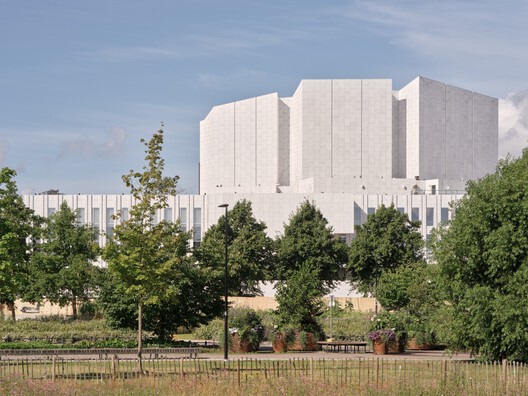
The UNESCO World Heritage Committee has inscribed Aalto Works, a collection of thirteen buildings and architectural ensembles across Finland designed by Aino Marsio-Aalto, Elissa Aalto, and Alvar Aalto, on the UNESCO World Heritage List. The designation recognizes the international significance of a body of work that helped redefine modern architecture through a human-centered approach, emphasizing the relationship between buildings, everyday life, nature, and social well-being. Spanning projects completed between the late 1920s and the 1980s, the series represents Finland's contribution to the Modern Movement while acknowledging the collaborative practice of the Aaltos and their studio.
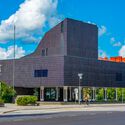
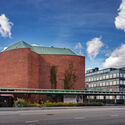
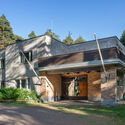
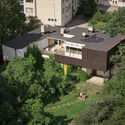
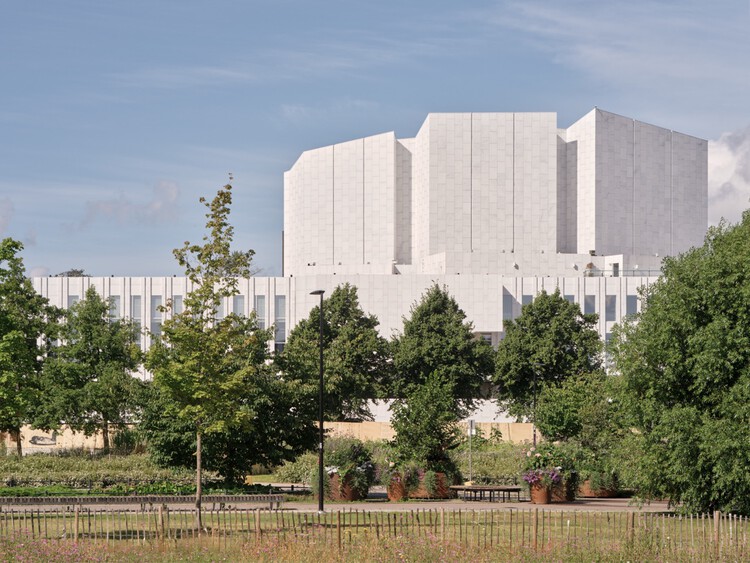
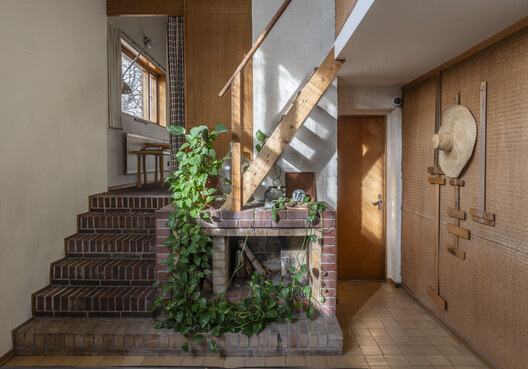
The newly inscribed serial property includes some of Finland's most recognized modern landmarks, among them Paimio Sanatorium, Villa Mairea, Säynätsalo Town Hall, and the Seinäjoki Civic Centre. Five of the thirteen sites are located in Helsinki: the Aalto House, Studio Aalto, the National Pensions Institute (KELA), the House of Culture, and Finlandia Hall, forming the largest concentration of Aalto Works within the UNESCO designation. The recognition places these projects alongside other UNESCO-listed modern architectural works, including those associated with Le Corbusier and Frank Lloyd Wright, underscoring the global legacy of the Aaltos' interpretation of modernism.
Read on to discover the full list of Aalto Works inscribed by the UNESCO World Heritage Committee.
Related Article
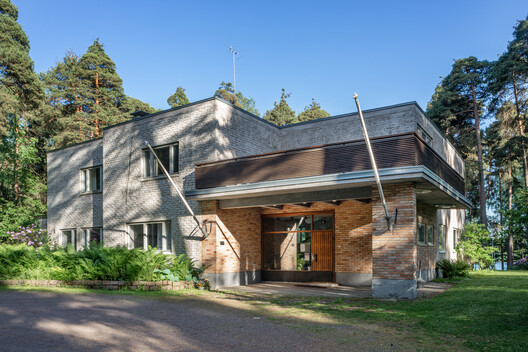
World Monuments Fund Names 10 "Irreplaceable America" Sites for the 250th Anniversary of the United States IndependenceSunila Pulp Mill residential area, Kotka (1936–38, 1947, 1951–54)
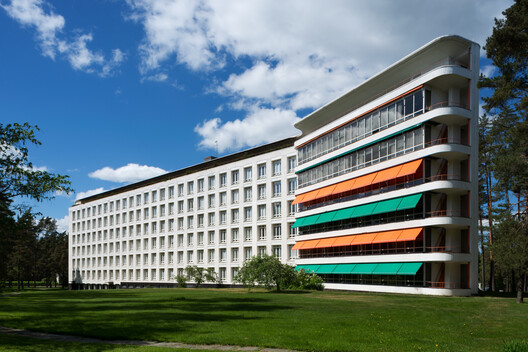
Paimio Sanatorium, Paimio (1929–33)
Säynätsalo Town Hall, Jyväskylä (1949–52)
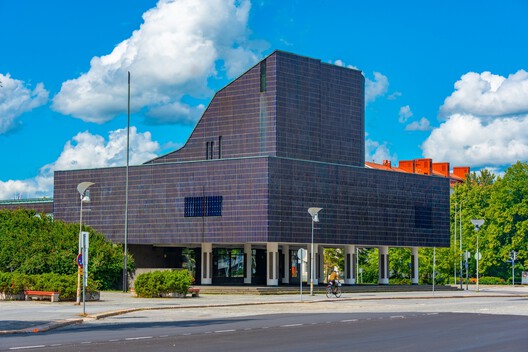
Seinäjoki Civic Centre, Seinäjoki (1951–87)
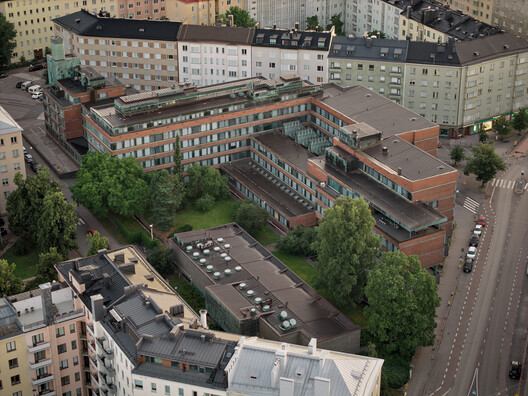
National Pensions Institute (KELA), Helsinki (1953–57)
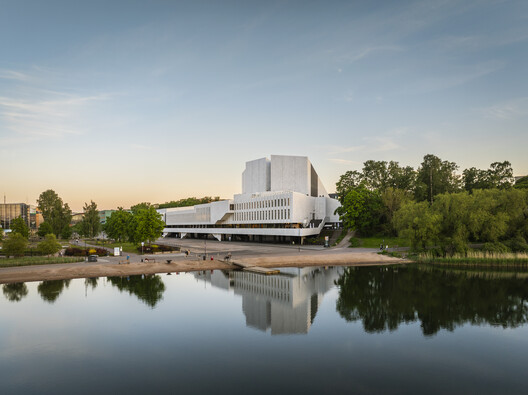
Finlandia Hall, Helsinki (1962/1967–75)
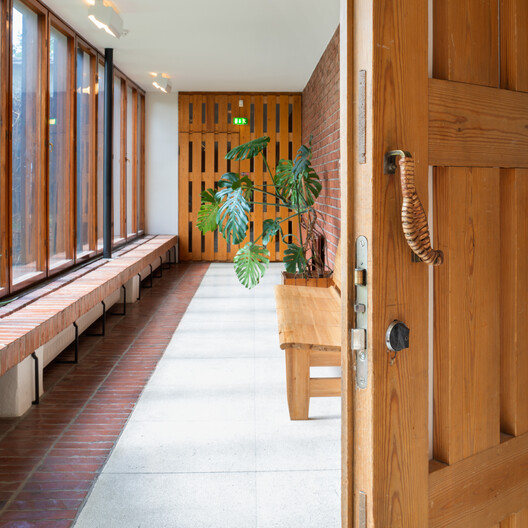
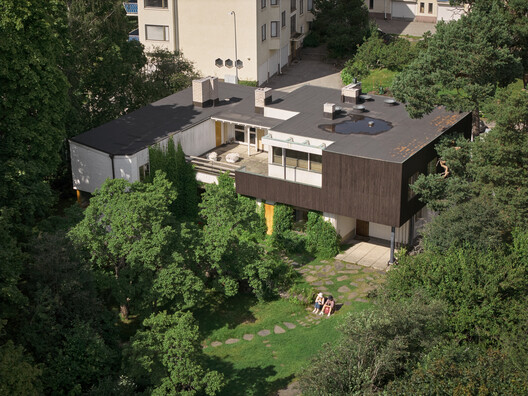
The Aalto House, Helsinki (1935–36)
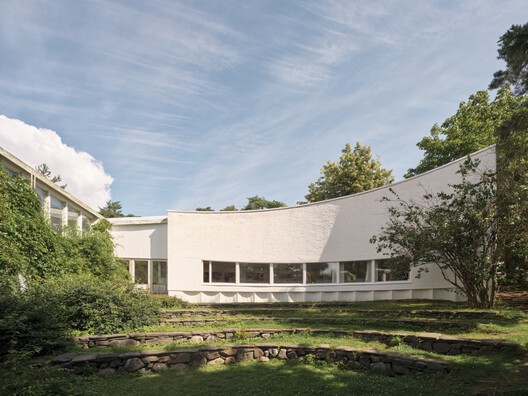
Studio Aalto, Helsinki (1954–55, 1962–63)
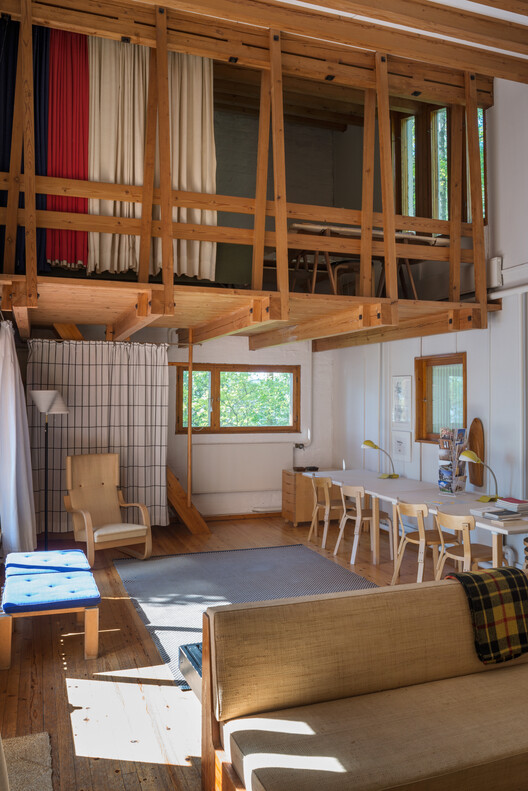
Muuratsalo Experimental House, Jyväskylä (1952–54)
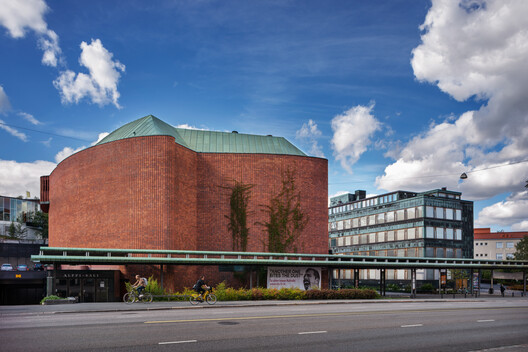
House of Culture, Helsinki (1952–58)
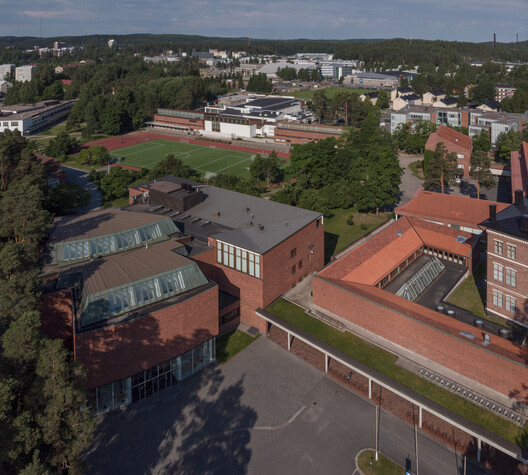
University of Jyväskylä, Aalto campus, Jyväskylä (1951–71)
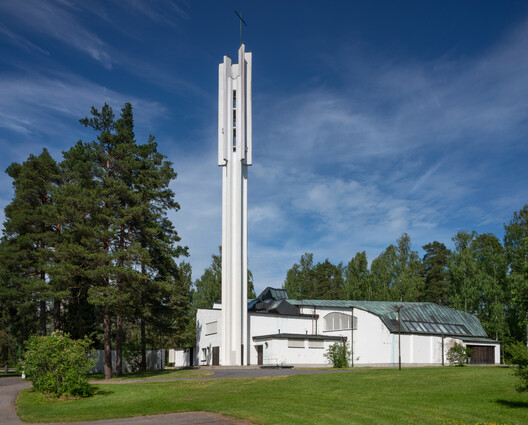
Church of Three Crosses, Imatra (1956–58)
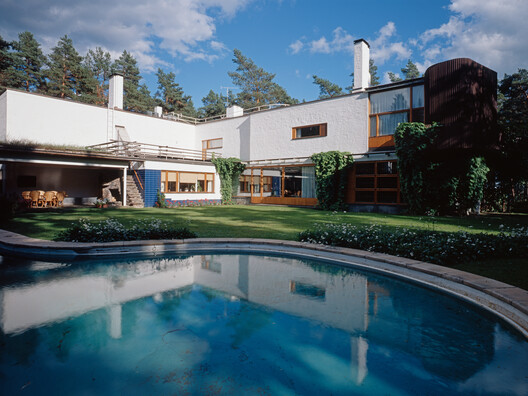
Villa Mairea, Pori (1938–39)
The inscription was announced during the 48th session of the UNESCO World Heritage Committee in Busan, South Korea, where 25 new World Heritage properties were added to the list in 2026, including cultural sites such as the Ancient Capitals of Asuka and Fujiwara in Japan, the Amazonia Theaters in Brazil, the Gdynia Modernist City Centre in Poland, and the Tashkent Modernist Architecture ensemble in Uzbekistan. Aalto Works is one of 19 cultural properties recognized this year and represents the first inclusion of Finnish 20th-century modern architecture on the UNESCO World Heritage List.
In other heritage news, discussions continue in Dallas, United States, over the future of I.M. Pei & Partners' Dallas City Hall, as officials weigh options to restore, sell, or demolish the 47-year-old civic landmark amid mounting maintenance challenges. Meanwhile, the World Monuments Fund unveiled "Irreplaceable America," a special list of ten heritage sites highlighting places considered essential to understanding the country's history as part of the 250th anniversary of the United States' Declaration of Independence. In Chile, the restored Teatro Mauri reopened in Valparaíso, returning one of the city's modernist landmarks by architect Alfredo Vargas Stoller to public use after an extensive refurbishment.