Soviet Modernism in Central Asia: The Dilemma of Recent Heritage

10:01

Subscriber Access

Over the last decade, Uzbekistan has done what most post-Soviet countries still hesitate to do: it formally included dozens of modernist buildings constructed between 1960 and 1980 on its national cultural heritage list. Among them were the Panoramic Cinema, the Tashkent Circus, and the Palace of Peoples' Friendship—structures that, until just a few years ago, were viewed as routine, recent Soviet architecture lacking heritage status.

This decision, however, points to a challenge shared by almost every heritage system worldwide: how to legally protect architecture that has not yet reached the minimum age—formal or informal—to be considered "historic"?
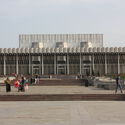
Soviet Modernism in Central Asia: The Dilemma of Recent Heritage - Image 2 of 13Soviet Modernism in Central Asia: The Dilemma of Recent Heritage - Image 3 of 13Soviet Modernism in Central Asia: The Dilemma of Recent Heritage - Image 4 of 13Soviet Modernism in Central Asia: The Dilemma of Recent Heritage - Image 5 of 13Soviet Modernism in Central Asia: The Dilemma of Recent Heritage - More Images+ 8

Content Loader

Image gallery

See allShow less
About this author
Cite: Ghisleni, Camilla. "Soviet Modernism in Central Asia: The Dilemma of Recent Heritage" [O modernismo soviético da Ásia Central e o dilema legal da preservação recente] 03 Aug 2026. ArchDaily. (Trans. Simões, Diogo) Accessed . <https://www.archdaily.com/1148580/soviet-modernism-in-central-asia-the-dilemma-of-recent-heritage> ISSN 0719-8884
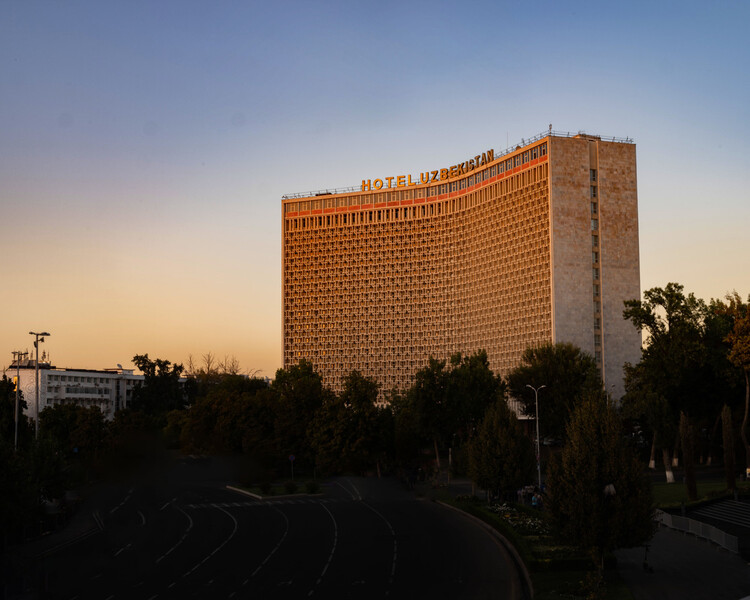
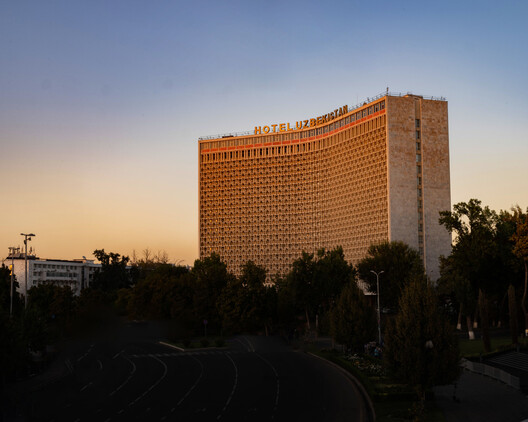
Hotel Uzbekistan. Image from Tashkent: A Modernist Capital, Rizzoli New York. Courtesy of the Uzbekistan Art and Culture Development Foundation. Image © Karel Balas

中亚苏联现代主义与近期保护面临的法律困境

You've started following your first account!

Did you know?

You'll now receive updates based on what you follow! Personalize your stream and start following your favorite authors, offices and users.