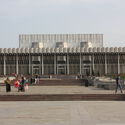
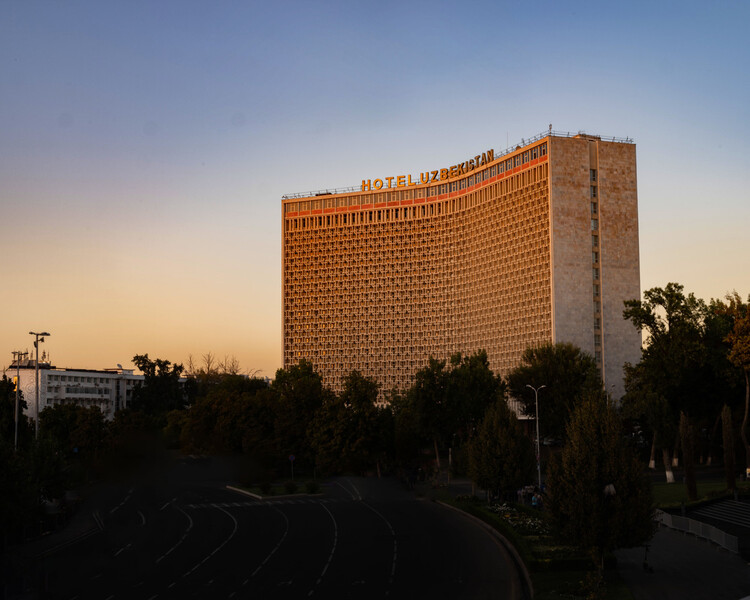
Over the last decade, Uzbekistan has done what most post-Soviet countries still hesitate to do: it formally included dozens of modernist buildings constructed between 1960 and 1980 on its national cultural heritage list. Among them were the Panoramic Cinema, the Tashkent Circus, and the Palace of Peoples' Friendship—structures that, until just a few years ago, were viewed as routine, recent Soviet architecture lacking heritage status.
This decision, however, points to a challenge shared by almost every heritage system worldwide: how to legally protect architecture that has not yet reached the minimum age—formal or informal—to be considered "historic"?