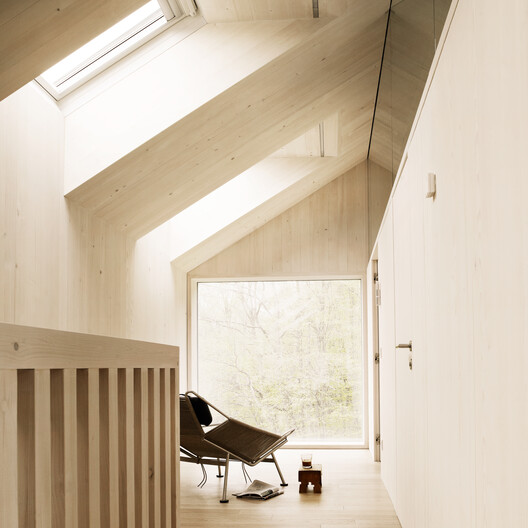
Can architecture shape comfort before mechanical systems enter the equation? As buildings account for nearly 40% of global energy consumption and people spend close to 90% of their time indoors, thermal performance has become one of architecture's most urgent concerns. Yet despite often being associated with insulation values, energy ratings, or mechanical systems, thermal performance begins with spatial decisions made long before technical equipment is introduced. Orientation, airflow, daylight, and the placement of openings all influence how a building absorbs, retains, and releases heat throughout the day.
Thermal performance is not only about reducing energy demand but also about maintaining comfortable indoor conditions in response to climate. Closely tied to thermal comfort—the way occupants experience temperature, airflow, humidity, and radiant heat—it influences health, well-being, and productivity as much as it does operational efficiency. Research suggests that healthy indoor environments can improve learning ability and productivity by up to 15%, reinforcing the growing relationship among environmental performance, resilience, and space quality.
Designing Beyond Mechanical Systems
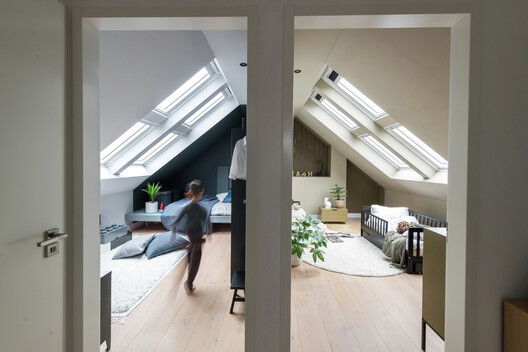
Architectural approaches to thermal performance generally fall into two categories: passive and active systems. Passive strategies work with climate, materiality, solar gain, and natural ventilation through design, while active strategies rely on mechanical systems for heating, cooling, and ventilation to regulate indoor conditions. Because decisions made during the earliest design stages can determine up to 70–80% of a building's lifecycle performance, passive strategies often form the foundation of high-performing architecture. Within these strategies, roof windows, particularly high-performance systems such as those from VELUX, have become important environmental tools, supporting natural ventilation, improving daylight, and helping regulate indoor temperatures.
Orientation as the First Strategy: The Sunlight House
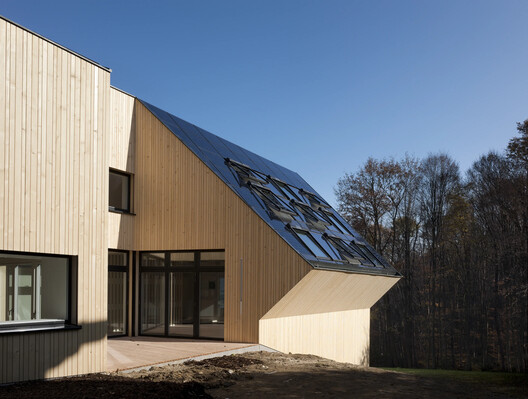
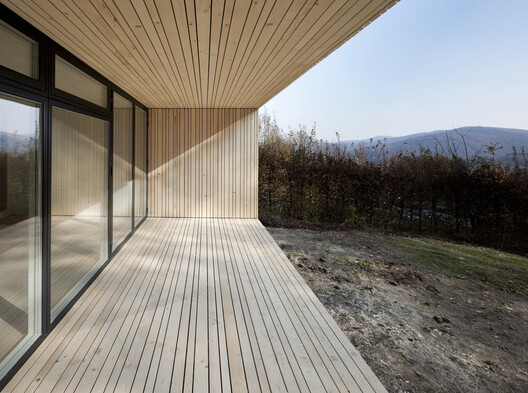
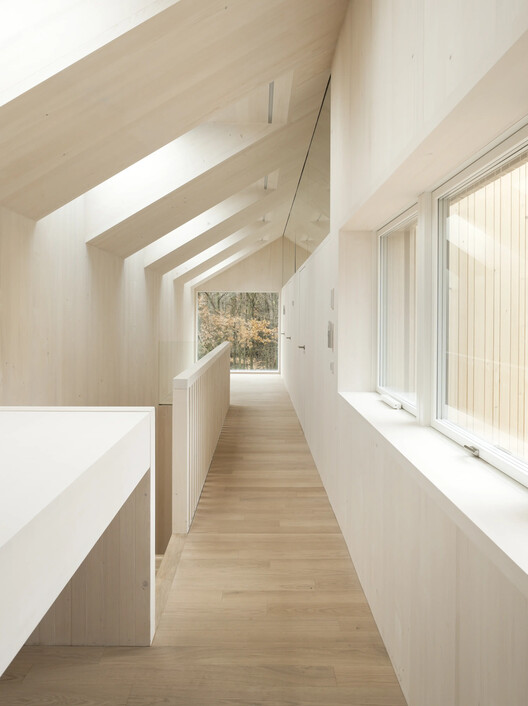
The most effective passive thermal strategies often begin during pre-design. Building orientation, for instance, remains one of the simplest yet most influential architectural decisions. The Sunlight House near Vienna by HEIN-TROY Architects demonstrates how orientation can become a primary design driver. Built on a steep and partially shaded site, the house aligns its primary living spaces toward the southwest to optimize daylight and passive solar gain. Roof and facade windows are strategically distributed to capture direct sunlight while maintaining views and thermal balance year-round. With a glazing-to-floor ratio of 42%, the project achieves daylight levels up to five times higher than standard Austrian homes while remaining CO₂-neutral in operation. Deep roof overhangs and carefully positioned openings prevent summer overheating while maximizing low-angle winter sunlight.
Ventilation as Spatial Organization: House 1721
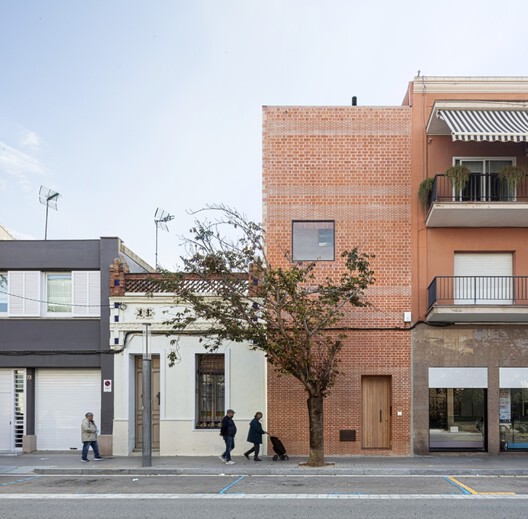
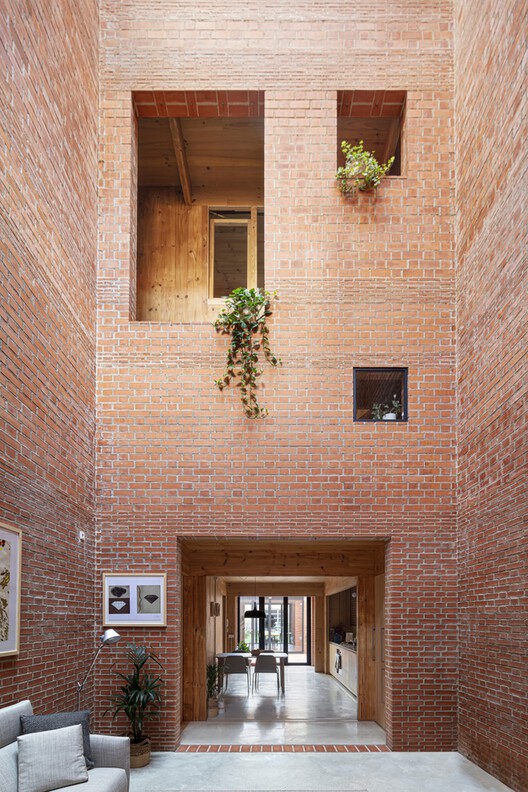
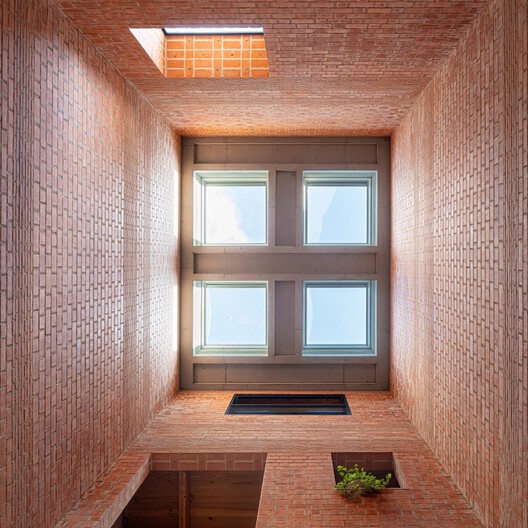
As projects move into concept design, ventilation strategies begin shaping circulation, section, and spatial organization. House 1721 in Barcelona by HARQUITECTES demonstrates this approach within severe spatial constraints. Built on a narrow urban plot enclosed by neighboring buildings, the project introduces a vertical atrium that serves as both a daylight shaft and a hybrid ventilation system. Roof and facade openings, placed at different heights, allow warm air to rise and exit, while cooler air enters from lower levels. The staircase dissolves into the architectural organization, allowing light and air to move continuously throughout the house. Through cross ventilation, stack effect, and night cooling, the project maintains thermal comfort year-round with minimal reliance on mechanical systems. Night cooling alone can reduce indoor temperatures by up to 3–6°C.
The Roof as a Fifth Facade: The Baumit Offices
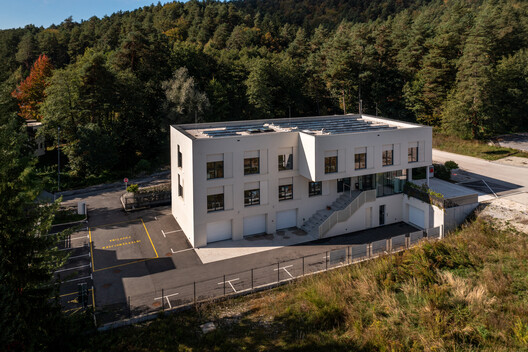
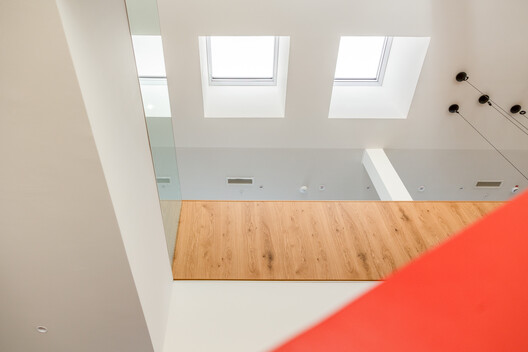
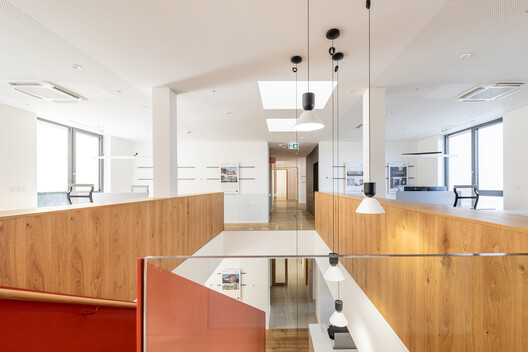
During design development, window placement and sizing serve as thermal tools that influence daylight distribution, heat gain, heat loss, and airflow. Within this approach, the roof itself can be understood as a "fifth facade," contributing actively to environmental performance. The renovation of the Baumit Offices in Slovenia by Studio.a+v demonstrates this strategy in practice. Working within an existing flat-roof commercial building, the architects introduced strategically placed VELUX roof windows to bring daylight and natural ventilation deep into the building's core. Positioned above the central staircase, electrically operated roof windows enhance stack-effect ventilation, helping flush warm and polluted air from areas that previously lacked natural airflow. Roof windows can provide up to three times more daylight than vertical windows of the same size, while the stack effect created through roof openings can increase air exchange rates by as much as four times
Designing for Comfort, Resilience, and Performance: House by the Garden of Venus
While passive strategies reduce energy demand through design, active systems complement performance by refining indoor conditions. Yet the strongest architectural responses are often those in which active systems support rather than compensate for well-integrated passive foundations.
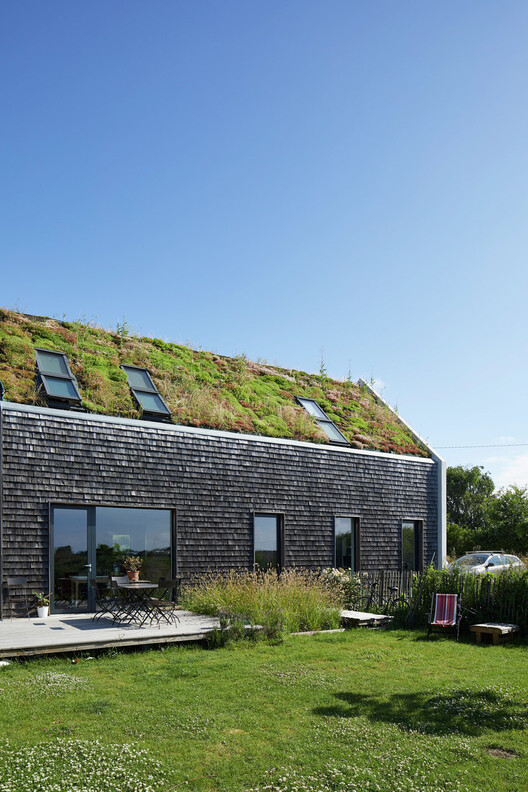
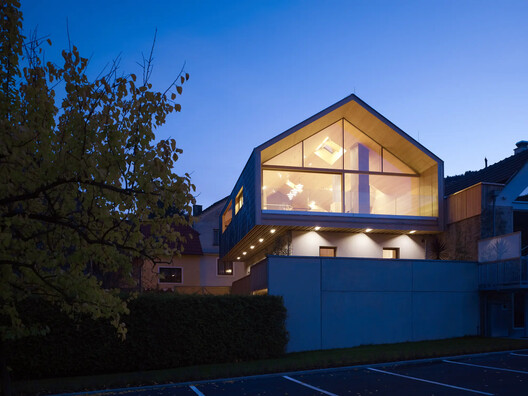
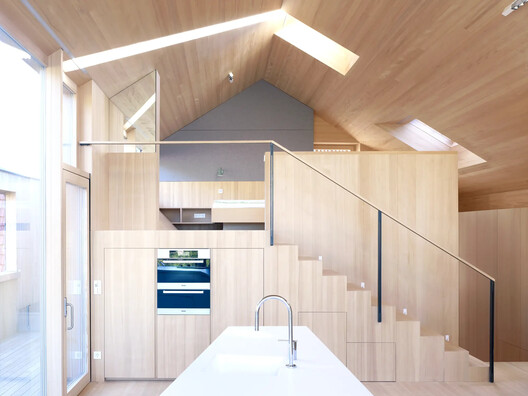
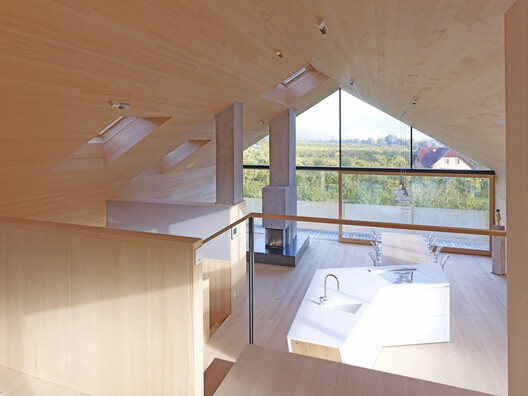
A combination of these approaches is also evident in the adaptive-reuse project, House by the Garden of Venus in Willendorf, Austria, by architect Volker Dienst. The renovation transformed a historic farmhouse into a contemporary multi-generational residence through careful integration of passive thermal strategies. A prefabricated timber extension was added above the existing stone structure, preserving embodied energy while improving ventilation, daylight access, and thermal comfort. Carefully positioned roof windows, including VELUX systems integrated into the new upper volume, supported daylight access, natural ventilation, and thermal comfort while strengthening the building's connection to the surrounding landscape. Thermal performance can be used to extend the life of existing buildings rather than replacing them. As Dienst reflects:
It was a great thing to have something new, built from something old—it's like adding a new chapter to a beloved book.
As climate pressures intensify and expectations for healthier indoor environments continue to rise, thermal performance is shaping architecture from the earliest design decisions. Beginning with orientation, evolving through spatial planning and ventilation, and refined through the careful design of openings, materials, and systems, it influences not only how buildings consume energy, but how they are experienced over time.