1. ArchDaily
  2. Natural Ventilation

Natural Ventilation: The Latest Architecture and News

Espai Verd: The Habitable Utopia of Valencia’s Green Cathedral

Subscriber Access | 

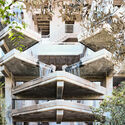
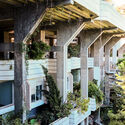
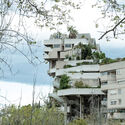
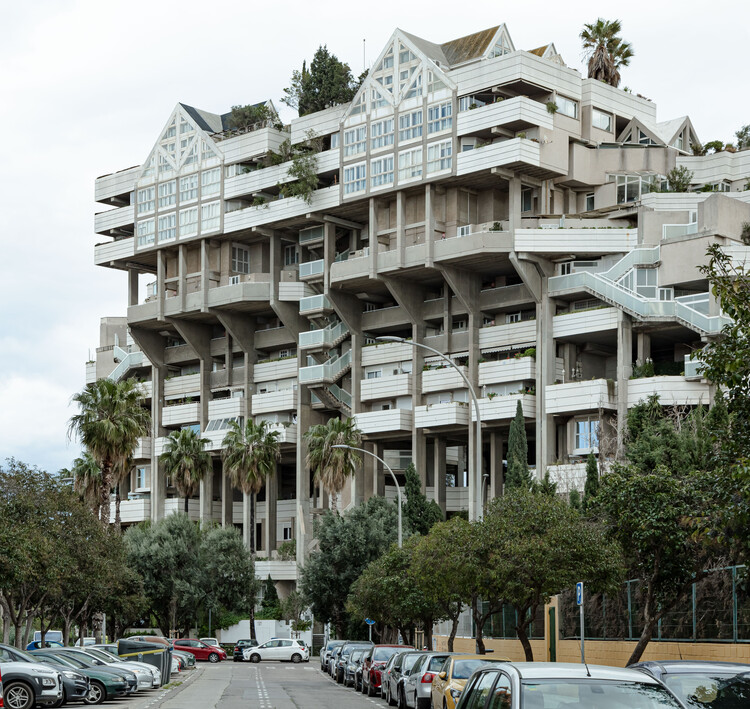
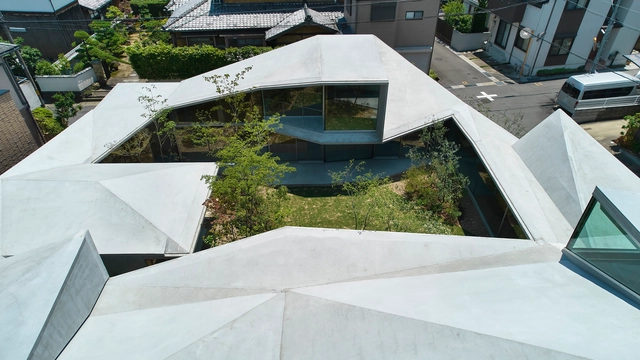
Even the most distracted passerby is captured by the monumental presence of this structure in Valencia’s established Benimaclet neighborhood. Before it, any attempt at rational apprehension quickly dissolves. Its constructive logic seems to escape comprehension as the space unfolds through tensions and deviations, where nothing is immediately given. Between masses of concrete and the insurgent force of vegetation, an almost choreographic play of planes, angles, and rotations emerges. In the vertigo of this encounter, one realizes that the building was not made to be understood, but to be experienced.

Espai Verd: The Habitable Utopia of Valencia’s Green Cathedral - Image 1 of 4Espai Verd: The Habitable Utopia of Valencia’s Green Cathedral - Image 2 of 4Espai Verd: The Habitable Utopia of Valencia’s Green Cathedral - Image 3 of 4Espai Verd: The Habitable Utopia of Valencia’s Green Cathedral - Image 4 of 4Espai Verd: The Habitable Utopia of Valencia’s Green Cathedral - More Images+ 35

Environmental Comfort as an Interior Condition in South American Architecture

Subscriber Access | 

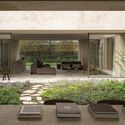
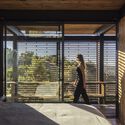
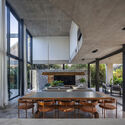
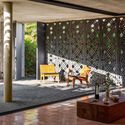
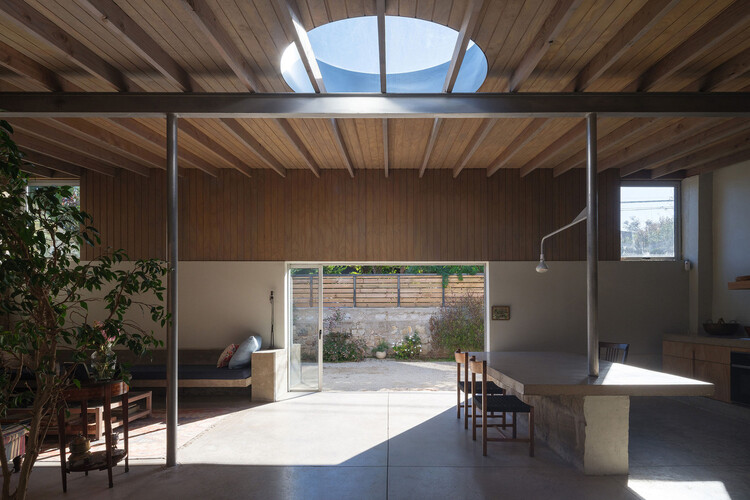
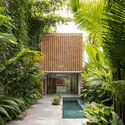
Across South America, environmental comfort is understood not as an interior condition, but as one shaped through space. In regions marked by heat, humidity, intense sunlight, and seasonal variation, architecture has long relied on spatial decisions to moderate climate and support daily life. Comfort emerges from how interiors are opened, shaded, ventilated, and inhabited over time.

Rather than isolating interior spaces from their surroundings, many contemporary projects across the region cultivate comfort through depth, porosity, and intermediate zones. Light is filtered rather than maximized, air is guided through aligned openings and voids, and thresholds become active spaces of use rather than residual edges. These strategies do not seek uniform environmental control, but produce interiors that remain temperate, adaptable, and closely attuned to changing climatic conditions. In this context, environmental comfort becomes inseparable from spatial experience.

Environmental Comfort as an Interior Condition in South American Architecture - Image 1 of 4Environmental Comfort as an Interior Condition in South American Architecture - Image 2 of 4Environmental Comfort as an Interior Condition in South American Architecture - Image 3 of 4Environmental Comfort as an Interior Condition in South American Architecture - Image 4 of 4Environmental Comfort as an Interior Condition in South American Architecture - More Images+ 12

Vietnam’s Tube Houses: Architectural Strategies Under 100 m²

Subscriber Access | 

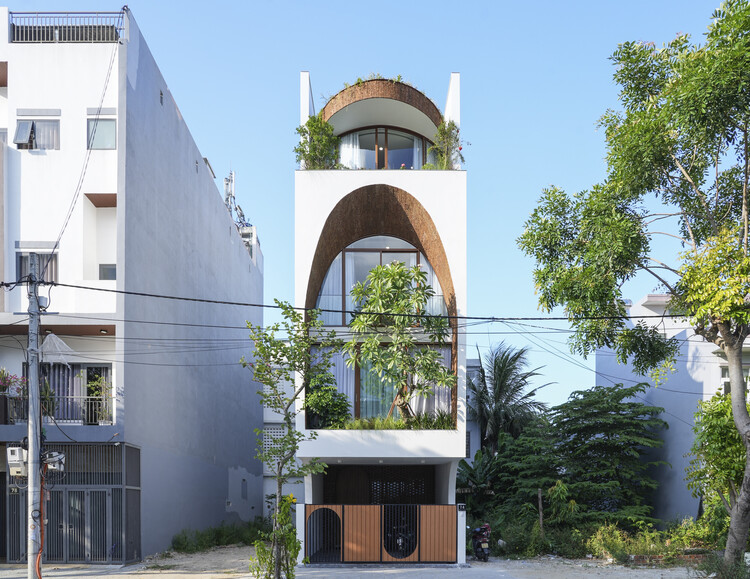
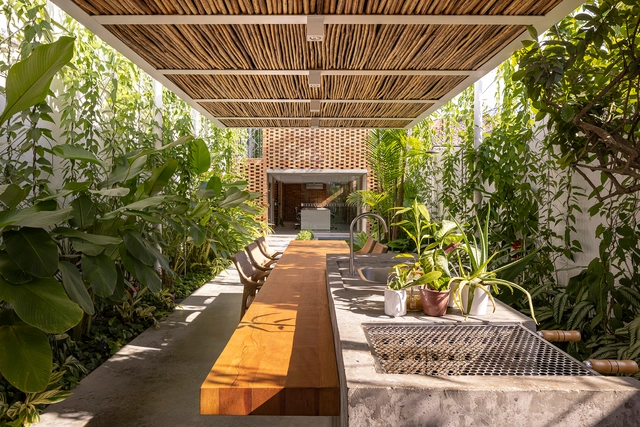
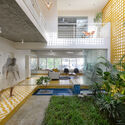
In Vietnam, the tube house has almost become a vernacular form in densely populated cities like Hanoi and Ho Chi Minh City. This typology originated from ancient façade taxes and as a strategic response to urban land scarcity and optimization of street frontage for commerce. Their traditional structure typically relies on the front façade for daylight and ventilation. People living there often face the challenge of designing in a space defined by the deep plots, limited street frontage, and close neighboring buildings, restricting natural light and airflow. To counter this fundamental lack of perimeter exposure, Vietnamese architects usually employ several strategies oriented towards internal environmental manipulation. This curated collection explores tube houses under 100 m2, where their small size increased the need for absolute spatial economy and the verticalization of function, which directly influenced design decisions across all projects.

Vietnam’s Tube Houses: Architectural Strategies Under 100 m² - Image 1 of 4Vietnam’s Tube Houses: Architectural Strategies Under 100 m² - Image 2 of 4Vietnam’s Tube Houses: Architectural Strategies Under 100 m² - Image 3 of 4Vietnam’s Tube Houses: Architectural Strategies Under 100 m² - Image 4 of 4Vietnam’s Tube Houses: Architectural Strategies Under 100 m² - More Images+ 5

Passive Design Lessons from Renzo Piano’s Most Celebrated Works

It's no exaggeration to say that Renzo Piano is one of the most unanimously respected architects in the world of architecture. With an oeuvre that blends respect for context, lightness and technology to create environmentally conscious and aesthetically pleasing structures, his approach combines advanced materials with traditional techniques. In projects of various scales, the Genoese architect maintains an essential thread: the implementation of passive architectural strategies, highlighting the importance of these methods for sustainability and energy efficiency. This is often made explicit in his sketches, as an initial concern, and clearly comes through in the finished works. Here are some examples of iconic projects developed by his office in recent decades.

Passive Design Lessons from Renzo Piano’s Most Celebrated Works - Image 1 of 4Passive Design Lessons from Renzo Piano’s Most Celebrated Works - Image 2 of 4Passive Design Lessons from Renzo Piano’s Most Celebrated Works - Image 3 of 4Passive Design Lessons from Renzo Piano’s Most Celebrated Works - Image 4 of 4Passive Design Lessons from Renzo Piano’s Most Celebrated Works - More Images+ 12

Strategic Green Spaces: How to Make the Most of their Cooling Effects

Subscriber Access | 

Urban green spaces are considered one of the most appropriate and accessible ways to mitigate the effects of rising temperatures in urban environments. As the global climate warms, cities worldwide face more frequent and extreme heat waves, putting their citizens at risk. Many cities are employing strategies for reducing the impact of urban heat islands, which are generated when natural land cover is replaced with surfaces that absorb and retain heat, such as pavements and buildings. This raises the temperature by several degrees compared to the surroundings. Cities have their micro-climate, influenced by this phenomenon combined with a series of often overlooked factors. For a climate strategy to be efficient, all factors need to be taken into consideration.

Strategic Green Spaces: How to Make the Most of their Cooling Effects - Image 1 of 4Strategic Green Spaces: How to Make the Most of their Cooling Effects - Image 2 of 4Strategic Green Spaces: How to Make the Most of their Cooling Effects - Image 3 of 4Strategic Green Spaces: How to Make the Most of their Cooling Effects - Image 4 of 4Strategic Green Spaces: How to Make the Most of their Cooling Effects - More Images+ 7

How Breathable Should Facades Be? Exploring Permeability and Impermeability in Building Envelopes

The main role of architecture is to create structures that protect us from the environment and create spaces that are safe and comfortable for all types of needs and activities. By providing shelter, architecture also shapes the way people interact with their surroundings. Building technologies of the past rarely managed, however, to create a complete separation between us and the outside world.

While impermeability was a desired outcome, the porous building materials available always allowed some water, wind, or outside particles to leak into the interior spaces. In contrast, modern technologies now allow for almost completely impermeable building envelopes, allowing for complete separation between indoors and outdoors, thus relying on engineered systems to regulate temperature, airflow, or humidity. This article explores the differences between these two contrasting approaches, exploring how building facades are equipped to regulate indoor comfort and its environmental impact.

How Breathable Should Facades Be? Exploring Permeability and Impermeability in Building Envelopes - Image 1 of 4How Breathable Should Facades Be? Exploring Permeability and Impermeability in Building Envelopes - Image 2 of 4How Breathable Should Facades Be? Exploring Permeability and Impermeability in Building Envelopes - Image 3 of 4How Breathable Should Facades Be? Exploring Permeability and Impermeability in Building Envelopes - Image 4 of 4How Breathable Should Facades Be? Exploring Permeability and Impermeability in Building Envelopes - More Images+ 5

Designing for Temperature Gradients: 6 Central American Projects that Use Transitional Spaces to Mitigate Heat

Subscriber Access | 

Understanding the temperature gradient in a building is essential in cold or temperate climates, where airtight enclosures and continuous insulation are used to prevent heat loss. However, this approach is not suitable for tropical areas like Central America, where the climate is marked by a consistent alternation between wet and dry seasons rather than four distinct ones. Factors such as proximity to the sea, elevation, and local topography influence microclimates across short distances, but high humidity remains a common challenge. Sealed, airtight walls with no ventilation can quickly become breeding grounds for mold, making the thermal strategies of temperate climates problematic. In response, local designers have developed alternative approaches that embrace, rather than resist, the outdoor environment, allowing airflow and evaporation to manage interior comfort.

Designing for Temperature Gradients: 6 Central American Projects that Use Transitional Spaces to Mitigate Heat - Image 1 of 4Designing for Temperature Gradients: 6 Central American Projects that Use Transitional Spaces to Mitigate Heat - Image 2 of 4Designing for Temperature Gradients: 6 Central American Projects that Use Transitional Spaces to Mitigate Heat - Image 3 of 4Designing for Temperature Gradients: 6 Central American Projects that Use Transitional Spaces to Mitigate Heat - Image 4 of 4Designing for Temperature Gradients: 6 Central American Projects that Use Transitional Spaces to Mitigate Heat - More Images+ 2

In Pursuit of Health: How Medical Concerns Shaped Modernist Architecture

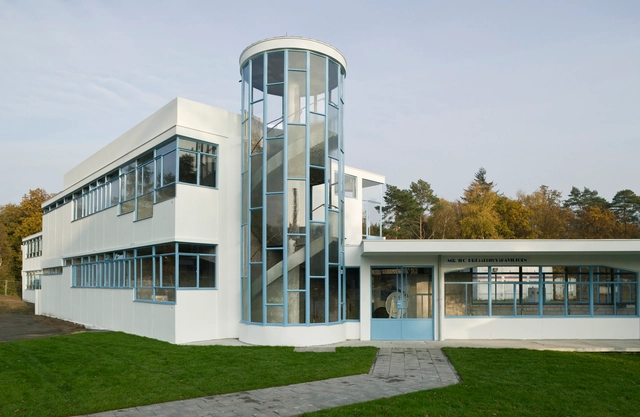
The intersection of architecture and medicine profoundly shaped modernist design, where transparency, light, and air became essential tools in the pursuit of health. Emerging from the tuberculosis crisis of the late 19th and early 20th centuries, the sanatorium evolved beyond a medical facility into a testing ground for architectural innovation. The necessity of fresh air, sunlight, and sterility transformed these spaces into prototypes for modernist principles, influencing spatial organization, material choices, and design philosophies that extended far beyond healthcare.

More than sites of treatment, sanatoriums embodied contemporary medical theories in built form. At a time when tuberculosis — often called the white plague — devastated populations worldwide, medical professionals prescribed environmental exposure as the primary therapy. Architecture adapted accordingly, producing buildings with expansive terraces, large windows, and streamlined interiors designed to optimize ventilation and maximize natural light.

In Pursuit of Health: How Medical Concerns Shaped Modernist Architecture - Image 1 of 4In Pursuit of Health: How Medical Concerns Shaped Modernist Architecture - Image 2 of 4In Pursuit of Health: How Medical Concerns Shaped Modernist Architecture - Image 3 of 4In Pursuit of Health: How Medical Concerns Shaped Modernist Architecture - Image 4 of 4In Pursuit of Health: How Medical Concerns Shaped Modernist Architecture - More Images+ 28

Designing with Humidity: How Architecture Adapts to the World’s Dampest Climates

Humid environments present some of the most complex challenges in architectural design. From the tropical monsoon season of Southeast Asia to the equatorial heat of Central Africa, these environments demand solutions that account for intense moisture, high temperatures, and the constant battle against mold, decay, and stagnation. Yet, for centuries, communities in these regions have developed architectural techniques that do not fight against humidity but instead work with it, leveraging local materials, climate-responsive design, and passive cooling techniques to create sustainable and livable spaces. By considering atmosphere as a sensory and climatic phenomenon, architects will craft spaces that are not only evocative but also responsive, adaptive, and sustainable.

Designing with Humidity: How Architecture Adapts to the World’s Dampest Climates - Image 1 of 4Designing with Humidity: How Architecture Adapts to the World’s Dampest Climates - Image 4 of 4Designing with Humidity: How Architecture Adapts to the World’s Dampest Climates - Image 5 of 4Designing with Humidity: How Architecture Adapts to the World’s Dampest Climates - Image 7 of 4Designing with Humidity: How Architecture Adapts to the World’s Dampest Climates - More Images+ 13

Artist Studios and Creative Workspaces: 8 Latin American Projects that Blend Work, Living, and Exhibition Spaces

Subscriber Access | 

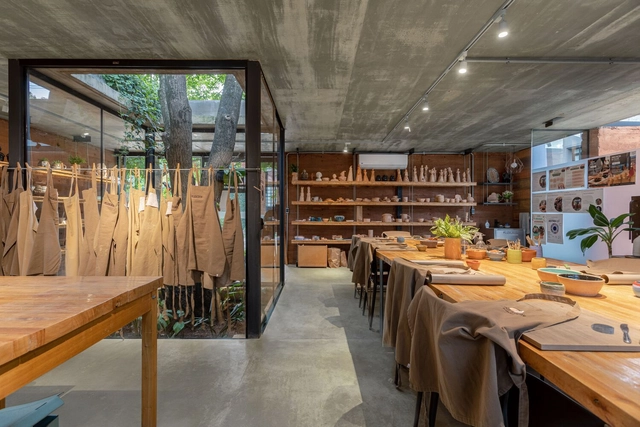
In recent years, working from home has become increasingly common, creating a need for domestic spaces that accommodate both professional and personal life. This is especially true for artists, where the integration of living and working spaces is essential. Often, these spaces must also serve as areas for exhibiting artistic production, such as paintings, sculptures, ceramics, and more.

This fusion of work and living environments has influenced architectural and interior design trends, prioritizing flexibility, multifunctionality, and aesthetics that foster both creativity and comfort. Open-plan layouts, modular furniture, and adaptable lighting solutions are now key elements in designs that support the seamless coexistence of work and personal life.

Artist Studios and Creative Workspaces: 8 Latin American Projects that Blend Work, Living, and Exhibition Spaces - Image 1 of 4Artist Studios and Creative Workspaces: 8 Latin American Projects that Blend Work, Living, and Exhibition Spaces - Image 2 of 4Artist Studios and Creative Workspaces: 8 Latin American Projects that Blend Work, Living, and Exhibition Spaces - Image 3 of 4Artist Studios and Creative Workspaces: 8 Latin American Projects that Blend Work, Living, and Exhibition Spaces - Image 4 of 4Artist Studios and Creative Workspaces: 8 Latin American Projects that Blend Work, Living, and Exhibition Spaces - More Images+ 22

Contemporary Yet Traditional Courtyards: Enhancing Living Spaces in 10 Chinese Residential Projects

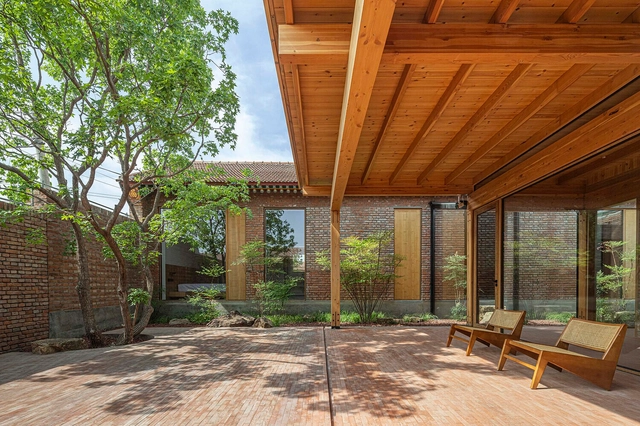
Courtyards have long been a fundamental aspect of traditional Chinese architecture, serving as central spaces around which domestic life is organized. These spaces play a vital role in creating a harmonious living environment, offering benefits that range from regulating indoor temperatures to enhancing social interactions and fostering a close connection with nature.

Contemporary Yet Traditional Courtyards: Enhancing Living Spaces in 10 Chinese Residential Projects  - Image 1 of 4Contemporary Yet Traditional Courtyards: Enhancing Living Spaces in 10 Chinese Residential Projects  - Image 2 of 4Contemporary Yet Traditional Courtyards: Enhancing Living Spaces in 10 Chinese Residential Projects  - Image 3 of 4Contemporary Yet Traditional Courtyards: Enhancing Living Spaces in 10 Chinese Residential Projects  - Image 4 of 4Contemporary Yet Traditional Courtyards: Enhancing Living Spaces in 10 Chinese Residential Projects  - More Images+ 26

Interior Courtyards: An Effective Strategy to Improve Space Quality in 15 Residential Projects

Subscriber Access | 

There are many advantages to incorporating interior courtyards in residential projects, both in urban contexts and in more natural surroundings. In both cases, they are a key element in improving the quality of the home's interior space in various ways. Whether in the form of a central cloister, side courtyards, or through perforated slabs and the addition of skylights, these spaces play a vital role in creating a harmonious living environment, offering benefits ranging from the regulation of interior temperature to enhancing social interactions and fostering a close connection with nature.

Interior Courtyards: An Effective Strategy to Improve Space Quality in 15 Residential Projects - Featured ImageInterior Courtyards: An Effective Strategy to Improve Space Quality in 15 Residential Projects - Image 10 of 4Interior Courtyards: An Effective Strategy to Improve Space Quality in 15 Residential Projects - Image 11 of 4Interior Courtyards: An Effective Strategy to Improve Space Quality in 15 Residential Projects - Image 16 of 4Interior Courtyards: An Effective Strategy to Improve Space Quality in 15 Residential Projects - More Images+ 15

Capturing Serenity: 10 Beach Houses that Enhance the Caribbean Oceanfront Landscape

Subscriber Access | 

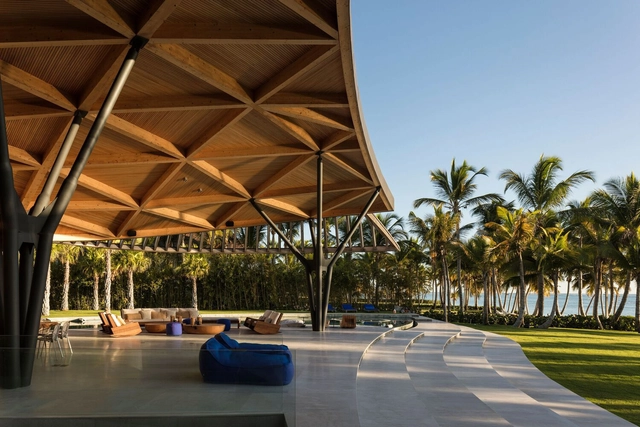
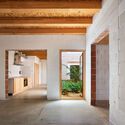
Beach houses along the Caribbean coast perfectly blend comfort, nature, and tranquility. With landscapes of white sands and crystal-clear waters, the Caribbean is home to some of the world’s most enchanting seaside retreats. Whether situated on popular islands like the Dominican Republic and Cozumel in Mexico or secluded spots like the untouched beaches of Costa Rica, these homes are designed to fully immerse guests in the lush natural surroundings, providing a uniquely serene experience.
Capturing Serenity: 10 Beach Houses that Enhance the Caribbean Oceanfront Landscape - Image 1 of 4Capturing Serenity: 10 Beach Houses that Enhance the Caribbean Oceanfront Landscape - Image 2 of 4Capturing Serenity: 10 Beach Houses that Enhance the Caribbean Oceanfront Landscape - Image 3 of 4Capturing Serenity: 10 Beach Houses that Enhance the Caribbean Oceanfront Landscape - Image 4 of 4Capturing Serenity: 10 Beach Houses that Enhance the Caribbean Oceanfront Landscape - More Images+ 20

Here's How to Level-up Indoor Pools with Daylight Solutions

 | Sponsored Content

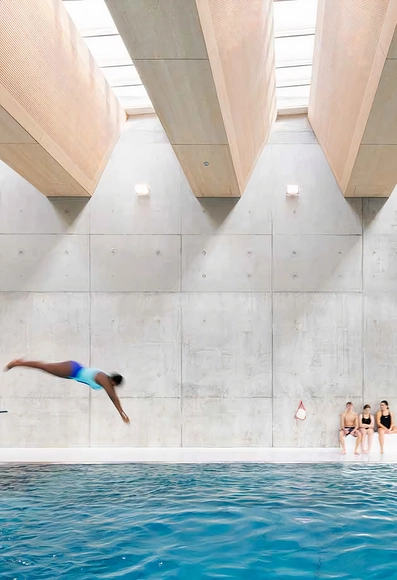
Water and daylight? At first glance, they seem like distant concepts: one is tangible, while the other, —though intangible—, manifests itself through its effects and perceptible qualities. Both are powerful and recurring resources in architectural design, often employed only for compositional purposes. However, in the context of indoor pools, this combination is frequently functionally oriented, prioritizing 'protection' from external stimuli. This one-dimensional approach can restrict the dynamic interaction between water and natural light, leading to aesthetic, functional, and operational challenges.

Exploring the Boundaries of Polycarbonate: 25 Exemplary Projects Showcasing Its Versatility

Subscriber Access | 

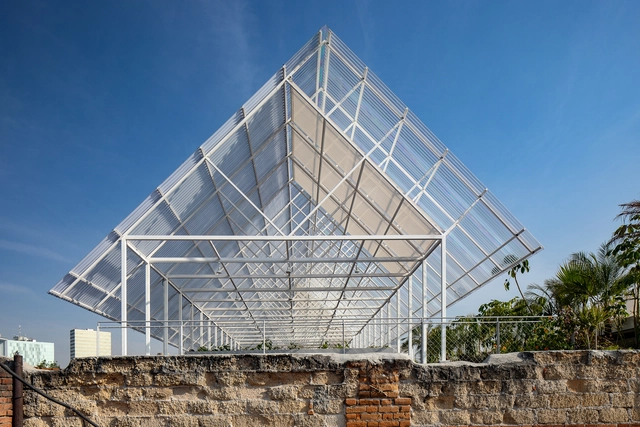
Polycarbonate, commonly used in roofing and industrial cladding, has gone beyond its initial applications to become a material widely used across various architectural typologies. Its combination of strength, lightness, easy installation, and ability to allow natural light to pass through has made it an attractive option for residential, educational, and even cultural architecture projects. In homes, polycarbonate not only helps create bright and comfortable environments but also allows for creative use of translucency to generate private spaces without sacrificing visual connection to the outdoors.

Exploring the Boundaries of Polycarbonate: 25 Exemplary Projects Showcasing Its Versatility - Image 1 of 4Exploring the Boundaries of Polycarbonate: 25 Exemplary Projects Showcasing Its Versatility - Image 2 of 4Exploring the Boundaries of Polycarbonate: 25 Exemplary Projects Showcasing Its Versatility - Image 3 of 4Exploring the Boundaries of Polycarbonate: 25 Exemplary Projects Showcasing Its Versatility - Image 4 of 4Exploring the Boundaries of Polycarbonate: 25 Exemplary Projects Showcasing Its Versatility - More Images+ 44

Snøhetta Reveals Design for a Mountain Refuge in France’s Pyrenees National Park

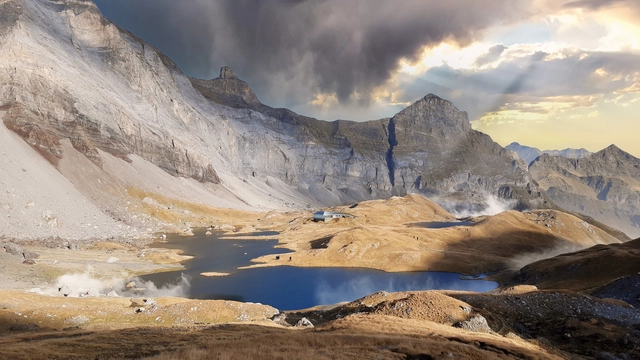
Snøhetta has announced a project to rebuild the Refuge de Barroude, a mountain refuge located in a UNESCO World Heritage site in the Pyrenees Mountain range of France. The old building, destroyed in an accidental fire ten years ago, is set to be revived as a stop-off point for hikers on the Haute Route des Pyrénées and as a support center for the staff of the National Park. The next phase of the project is due to begin in 2025.

Snøhetta Reveals Design for a Mountain Refuge in France’s Pyrenees National Park - Image 1 of 4Snøhetta Reveals Design for a Mountain Refuge in France’s Pyrenees National Park - Image 2 of 4Snøhetta Reveals Design for a Mountain Refuge in France’s Pyrenees National Park - Image 3 of 4Snøhetta Reveals Design for a Mountain Refuge in France’s Pyrenees National Park - Image 4 of 4Snøhetta Reveals Design for a Mountain Refuge in France’s Pyrenees National Park - More Images+ 6

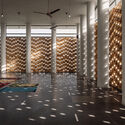
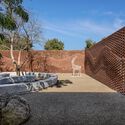
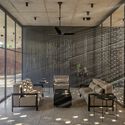
15 Projects in India Using Traditional Jali Wall Facades: Solution to Control Light, Temperature and Ventilation

Natural light, fresh air, and a constant, comfortable temperature. These are three of the most basic components we need in our interior spaces. By expanding and increasing the use of glass in contemporary building facades, we can increase natural light. However, to combine these wall-to-wall glazed surfaces with ventilation and temperature control, high-powered technical solutions are often required.

As the architecture industry shifts its focus towards greater sustainability and energy efficiency, many modern projects in the world’s hottest (and getting hotter) environments are unearthing more traditional ways to control temperature, light, and ventilation by learning from the past to save us from the future.

15 Projects in India Using Traditional Jali Wall Facades: Solution to Control Light, Temperature and Ventilation  - Image 1 of 415 Projects in India Using Traditional Jali Wall Facades: Solution to Control Light, Temperature and Ventilation  - Image 2 of 415 Projects in India Using Traditional Jali Wall Facades: Solution to Control Light, Temperature and Ventilation  - Image 3 of 415 Projects in India Using Traditional Jali Wall Facades: Solution to Control Light, Temperature and Ventilation  - Image 4 of 415 Projects in India Using Traditional Jali Wall Facades: Solution to Control Light, Temperature and Ventilation  - More Images+ 17

Bringing the Outside In: Life-Size Terrariums and Other Ways to Exhibit Nature in European Apartment Buildings

Subscriber Access | 

As the temperature drops in the Northern Hemisphere, cold outdoor spaces are overcome with frost, ice, and snow, and we find ourselves rushing from one heated indoor environment to the next, less willing or less able to stop and appreciate the natural world around us.

Apart from dragging a spruce or fir tree inside and dressing it up in yuletide costume, we tend to leave the real natural world to its own seasonal devices until it reemerges in Spring. However, by inviting the positive effects of plant life into our homes, we can improve both our mental health and the air we breathe by filling them with peace and joy all year round, not just at Christmas.

Bringing the Outside In: Life-Size Terrariums and Other Ways to Exhibit Nature in European Apartment Buildings - Image 1 of 4Bringing the Outside In: Life-Size Terrariums and Other Ways to Exhibit Nature in European Apartment Buildings - Image 2 of 4Bringing the Outside In: Life-Size Terrariums and Other Ways to Exhibit Nature in European Apartment Buildings - Image 3 of 4Bringing the Outside In: Life-Size Terrariums and Other Ways to Exhibit Nature in European Apartment Buildings - Image 4 of 4Bringing the Outside In: Life-Size Terrariums and Other Ways to Exhibit Nature in European Apartment Buildings - More Images+ 13