Modern housing was one of the places where modernism made its boldest promise: that architecture could reshape not only the city, but the way people lived within it. As Argentine architectural historian Ramón Gutiérrez has argued, popular housing is "the great unresolved subject, one that usually does not appear in histories of architecture." In Latin America, this absence is significant. Across the 20th century, expanding cities turned housing into one of the clearest ways to imagine urban change, and modernism entered not only plans and drawings, but apartments, neighborhoods, streets, and domestic routines.
Yet once built, these projects entered cities shaped by politics, memory, inequality, and changing ways of occupation. Their meanings no longer belonged only to the original plan, but to the ways they were inhabited, altered, and transformed over time. What this history reveals is not adaptation, but friction: the moment when architecture stops being an ideal model and meets the city it cannot fully control.
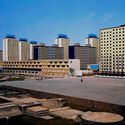
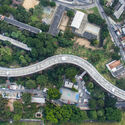
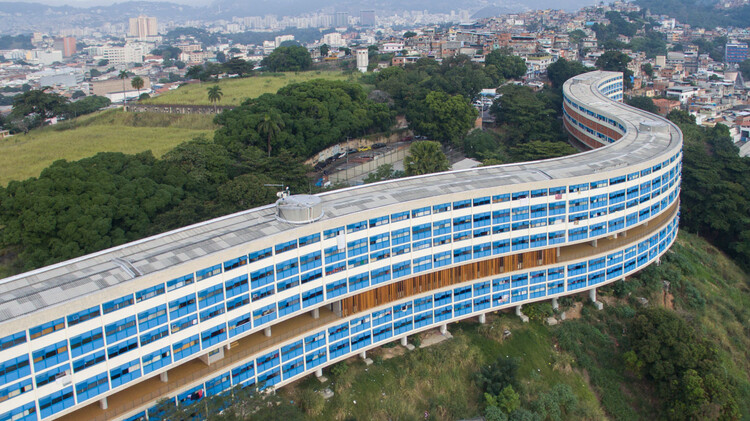
In Mexico City, Rio de Janeiro, and Bogotá, similar modern ideals produced different conflicts, each shaped by the specific conditions of the place and the people already living there.
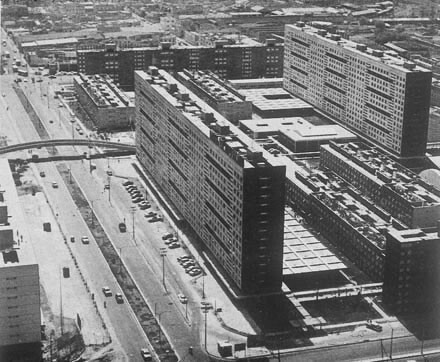
In Nonoalco-Tlatelolco, housing was imagined as a way to reorganize urban life itself. Before taking shape as a built project in Mexico City, it had already entered public imagination through political campaigns and housing discussions. Its architect, Mario Pani, presented it as a response to overcrowding and rural migration, a way to replace precarious housing conditions with a new model of collective life.
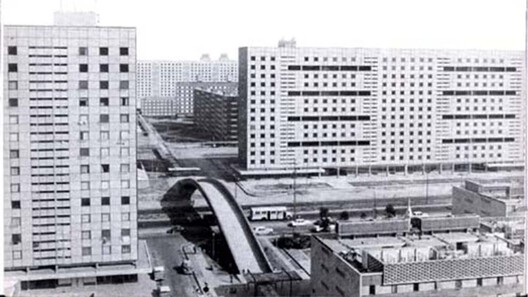
The project brought together 102 residential buildings with schools, services, open areas, and separated systems of pedestrian and vehicular circulation. It proposed a different urban rhythm, one organized through density, collective facilities, and large open spaces rather than the smaller plots, markets, and street-level activity that had shaped the area before. In doing so, Tlatelolco not only introduced a new housing model. It replaced one way of living in the city with another.
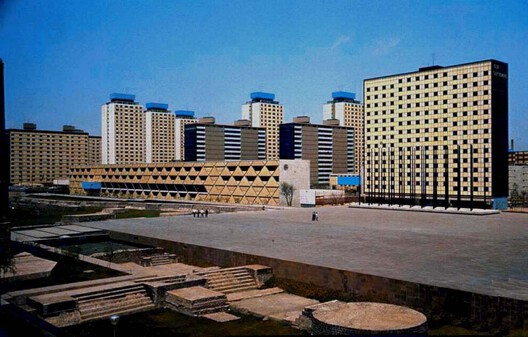
Mario Pani described the area as a "horseshoe of slums," a phrase that did more than explain the existing conditions. The phrase framed modernism as a necessary response, while reducing the existing city to a condition to be corrected. What it ignored was the city that already existed: the housing, markets, street life, and around 70,000 residents who were displaced to make it possible.
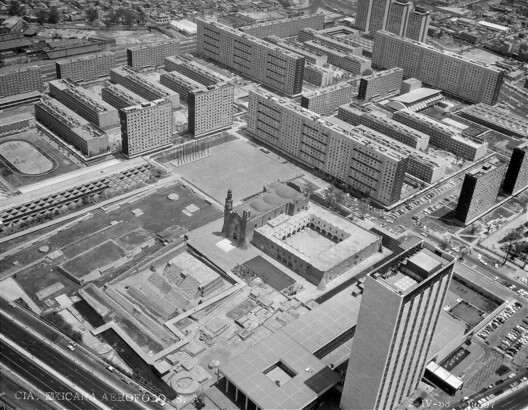
That is where the friction becomes visible. Tlatelolco framed modernization through a new image of collective urban life, one organized through density, open space, and shared services. Yet this vision depended on the removal of the existing fabric and many of the residents who had lived there before. The project reveals how urban renewal and displacement became intertwined within the same architectural model.
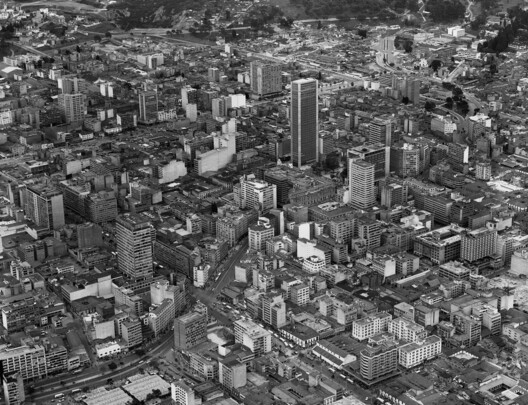
In Ciudad Kennedy, the friction took a different form. Built on the former airfield of Techo, on the western edge of Bogotá, the project organized housing into superblocks: large residential groupings that contained services, open spaces, and facilities within their own boundaries. The street was not part of that logic. Circulation happened inside the blocks, and the edges that faced the city were largely closed to the urban life around them.
The city, however, produced another reading of the original plan. Over time, the roads that connected the superblocks became something the plan had not anticipated: corridors of commerce, informal trade, and densification that followed their own logic. Residents adapted ground floors, vendors occupied sidewalks, and economic activity concentrated along the roads in ways that had nothing to do with the original model. The street absorbed what the superblock had refused to accommodate.
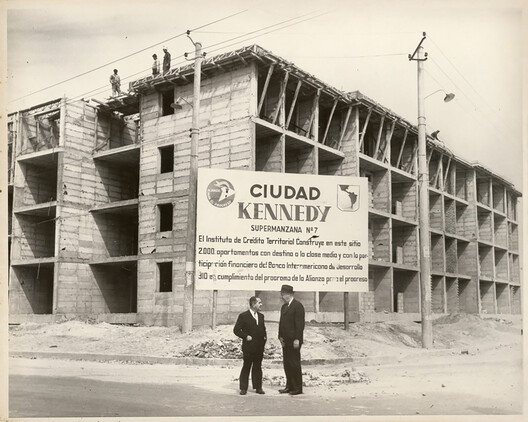
What emerged was not simply a distortion of the plan, but another urban logic shaped through commerce, occupation, and everyday use. Ciudad Kennedy shows how modern housing, when it turns away from the street, does not make urban life disappear. It redirects it. Over time, the activity excluded from the superblock returned through commerce, informal occupation, and daily routines, reshaping the project from within.
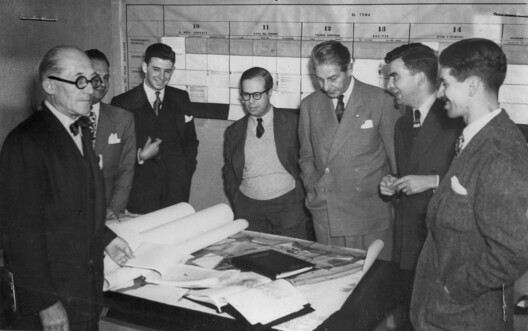
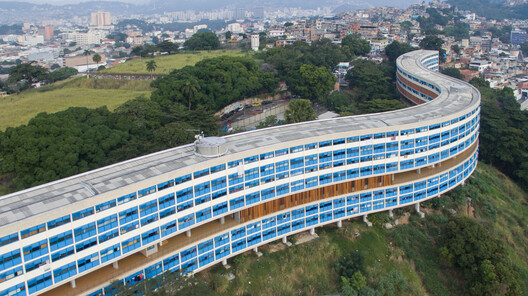
In Pedregulho, the friction was internal. Designed by Affonso Eduardo Reidy and directed by Carmen Portinho, the complex was conceived as more than housing. Built for city workers in Rio de Janeiro, it brought together apartments, a school, a health center, a gymnasium, and communal laundry facilities organized around a long curving residential block built into the hillside. The architecture was the argument: that shared spaces and daily routines could reshape how people lived together.
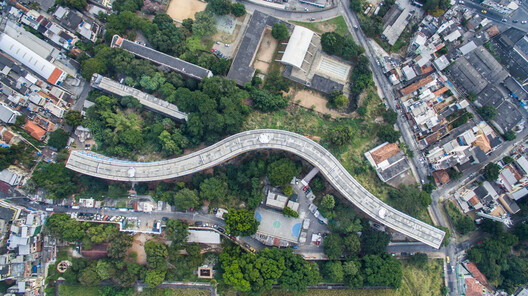
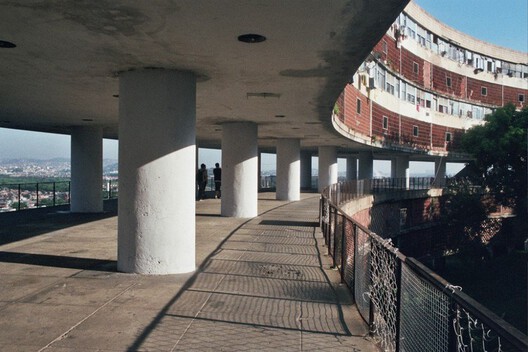
The communal laundry brought this vision into everyday life. Portinho and Reidy introduced washing machines as part of a broader attempt to organize domestic routines within shared facilities. Hanging clothes from windows, a common domestic practice, disrupted the image of order that the complex was meant to produce. Yet residents continued doing it. The issue was not only about laundry, but about the distance between collective life as imagined by the project and domestic life as practiced by its residents.
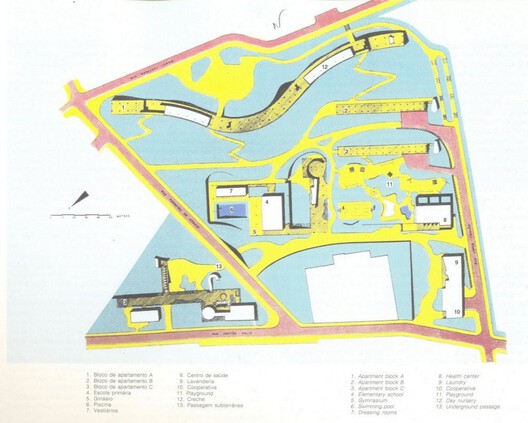
What this revealed went beyond the laundry machines. Pedregulho was built on the belief that shared spaces and services could transform domestic rituals. Yet when residents continued to use the building differently, the project showed how fragile that belief could be. Its friction lies in this gap: between collective life as imagined by architecture and collective life as practiced by the people who lived there.
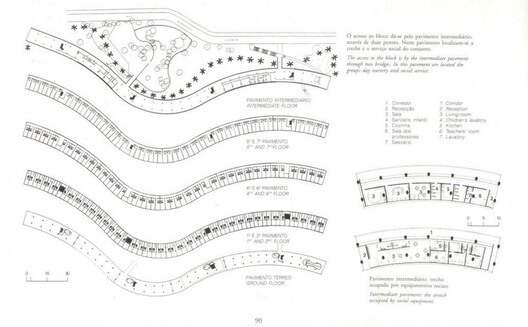
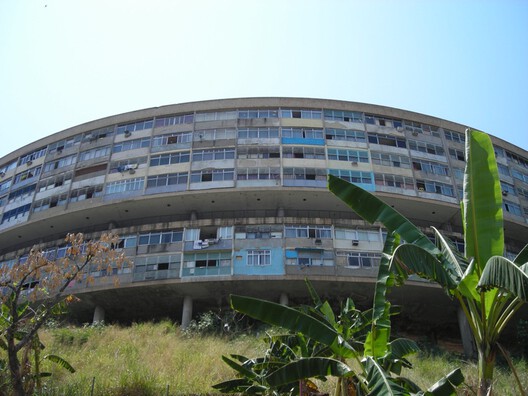
Nonoalco-Tlatelolco, Ciudad Kennedy, and Pedregulho were not only about providing shelter. Each proposed a way of organizing urban life: how people should live together, how collective spaces should work, and what kind of city modern housing could produce. In each case, however, the city responded differently from what the plan had expected.
What these projects left behind is not only architecture, but a record of what happens when a model of how people should live meets the reality of how they actually do. The displaced residents of Tlatelolco, the vendors occupying the streets of Ciudad Kennedy, the clothes hanging from the windows of Pedregulho: these were not failures of the plan. They were the city speaking back.
The questions modernism raised around housing, collective life, and urban growth have not disappeared. They have changed shape. Displacement, informality, and the tension between what cities plan and what cities become remain present across Latin America. These projects did not resolve those tensions. They made them visible, and many of them remain unresolved today.
This article is part of the ArchDaily Topic: 20th Century Design in Flux: A Global Reinterpretation of Architectural History. Every month we explore a topic in-depth through articles, interviews, news, and architecture projects. We invite you to learn more about our ArchDaily Topics. And, as always, at ArchDaily we welcome the contributions of our readers; if you want to submit an article or project, contact us.