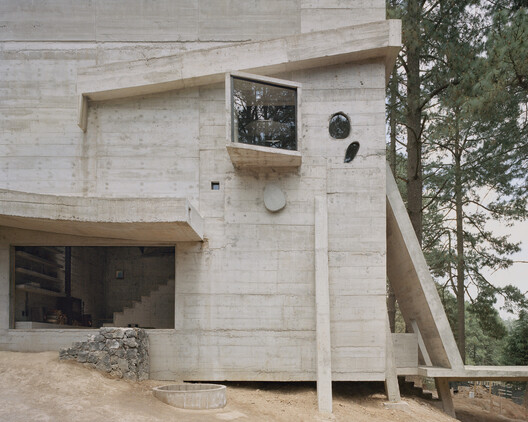
For much of the twentieth century, architectural culture was shaped by the pursuit of lightness. Steel structures and curtain walls reduced the building envelope to a thin layer separating interior from exterior, while façades became smooth, continuous surfaces where windows were cut as precise openings within an abstract plane. But for centuries, buildings were conceived as bodies of mass; walls possessed depth, windows were recessed within thick masonry, and space was often experienced as something carved from the solidity of construction. In recent years, several contemporary projects appear to revisit this older spatial logic, reintroducing thickness as an architectural condition through deep openings, monolithic volumes, and heavy envelopes.
This shift does not imply a rejection of modern construction technologies, nor does it represent a nostalgic return to historical forms. Instead, it reflects a renewed interest in the fundamental relationship between material, mass, and void. By reintroducing thickness into the architectural vocabulary, these buildings reconnect contemporary practice with long-standing traditions in which space was inseparable from the weight and depth of construction.
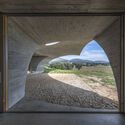
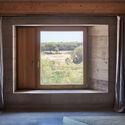
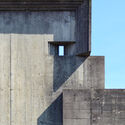
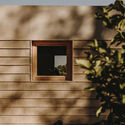
This approach is hardly new. Renaissance architecture already treated the wall as a spatial element rather than a mere boundary. In Andrea Palladio's villas, such as Villa Rotonda or Villa Barbaro, windows were deeply set within masonry walls, producing a visible sense of depth between the exterior façade and the interior rooms. The thickness of the wall mediated light, framed views, and reinforced the building's presence as a constructed mass.
Related Article
The Windows of Venice: How History Inspired Modernity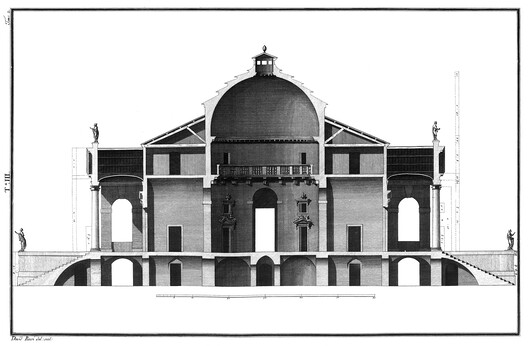
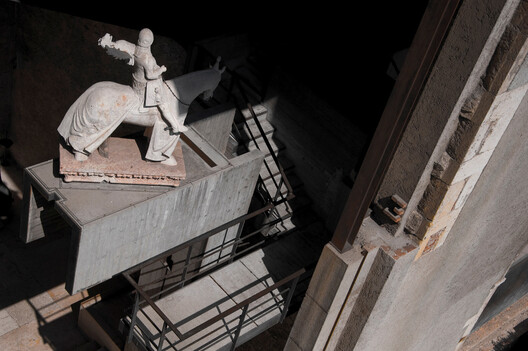
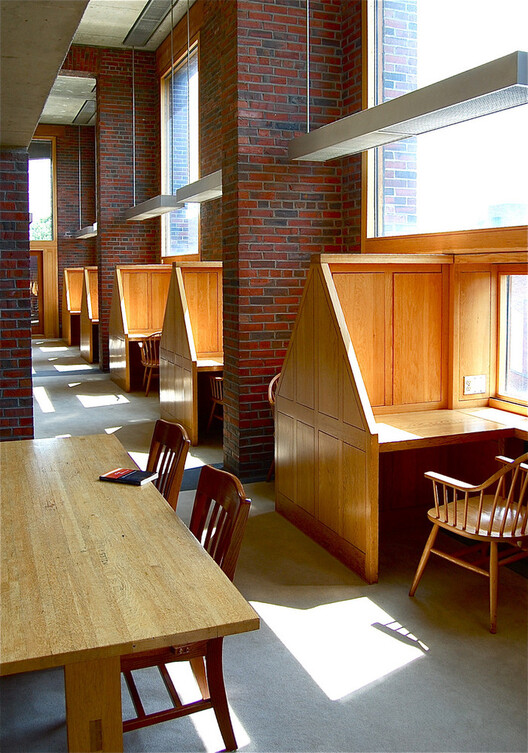
Although modern architecture initially challenged this tradition through new materials and construction systems, the idea of architecture as mass never entirely disappeared. Buildings such as Louis Kahn's Exeter Library or Carlo Scarpa's Castelvecchio interventions continued to explore the expressive potential of thick walls and deep reveals.
Across several recent projects, this tendency manifests through different strategies. Some buildings present themselves as monolithic volumes from which space is carved. Others use thickness as a climatic device, moderating sunlight and temperature through deep openings and recessed façades. In many cases, the window itself re-emerges as a spatial condition that suggests a shift in how architecture conceives the relationship between enclosure, material, and space.
Architecture as Carved Mass
One of the most evident ways this logic appears is through buildings conceived as solid volumes from which space is subtracted, evoking the idea of excavation. Interiors appear as cavities carved within a dense body of material, while façades express the weight and continuity of the envelope.
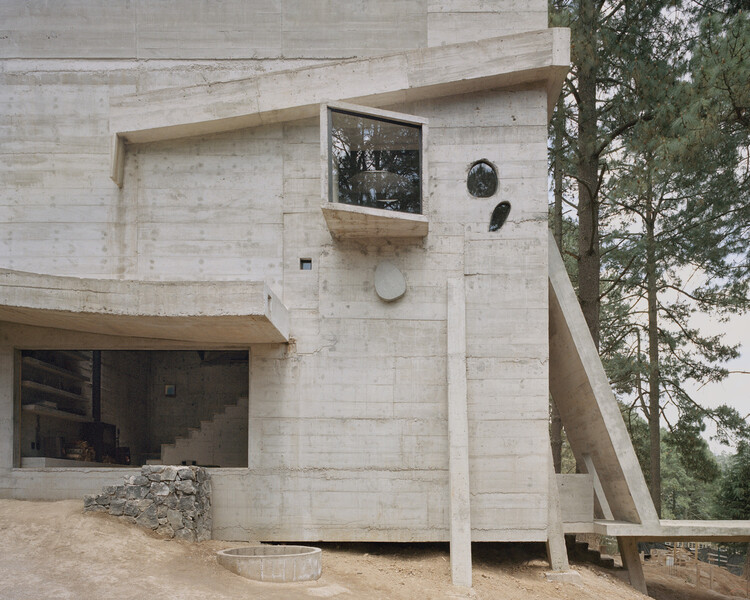
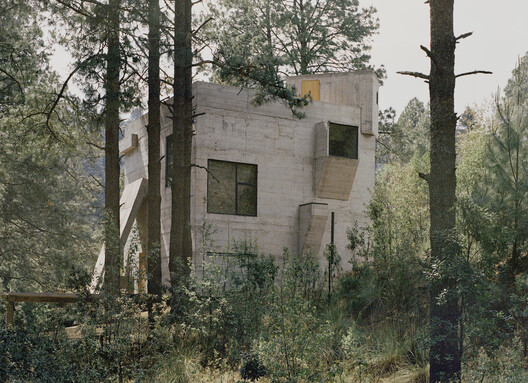
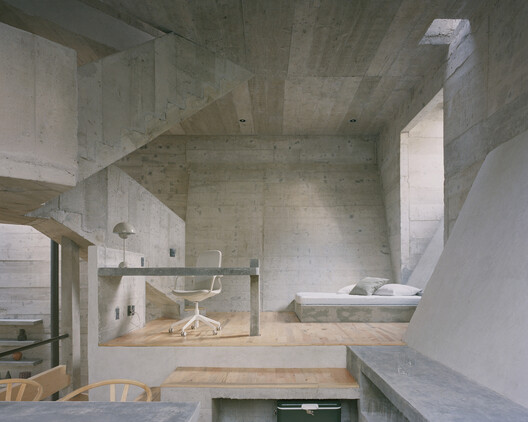
The Alférez House, designed by Ludwig Godefroy, is composed of a compact concrete volume whose exterior appears almost opaque. Openings are deeply recessed, revealing the thickness of the structure and emphasizing the sense that the building has been hollowed from a solid mass. The spatial experience unfolds gradually, with light entering through carefully controlled apertures that accentuate the depth of the walls.
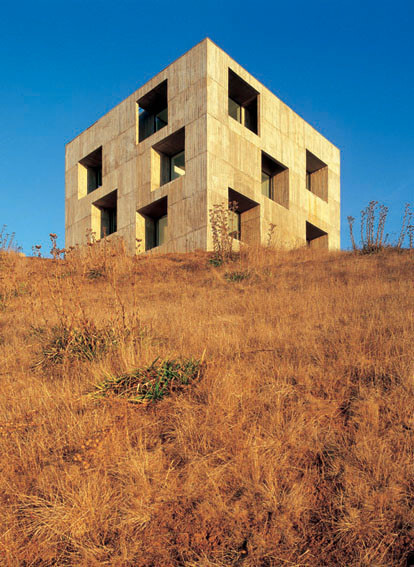
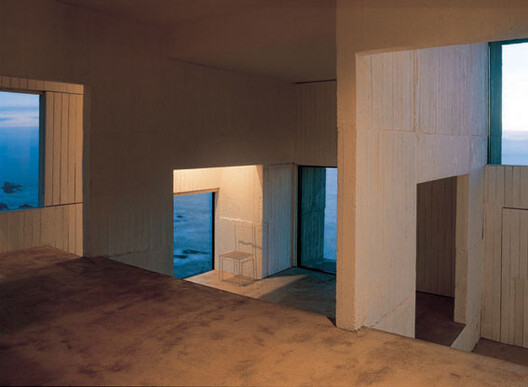
A similar approach can be observed in Poli House by Pezo von Ellrichshausen; here, the building is perceived as a single concrete block positioned against the landscape. Windows are set within deep recesses that frame specific views of the sea while reinforcing the sculptural presence of the volume. Interior spaces feel simultaneously protected and exposed, as if carved from a dense geological form.
Thickness as Climate Device
Beyond its formal expression, wall thickness also performs environmental functions. Deep envelopes can regulate light, reduce heat gain, and provide thermal stability. In many climates, thick construction served as a passive strategy for maintaining comfortable interior conditions.
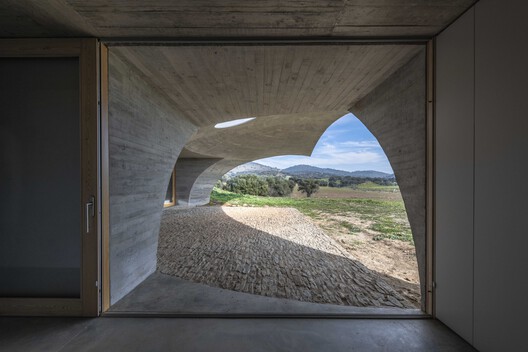
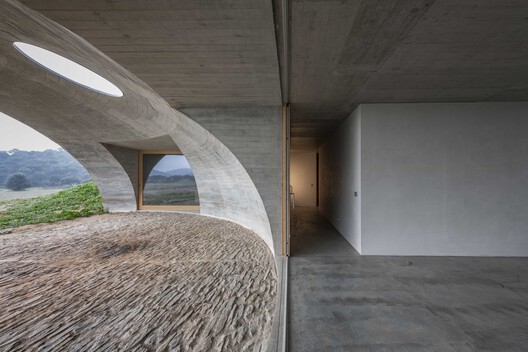
The House in Monsaraz, designed by Aires Mateus, illustrates how contemporary architecture reinterprets this approach. Partially embedded in the landscape, the house appears as a minimal intervention on the surface, yet its spatial organization unfolds within a dense earthen structure. Openings are deeply recessed, allowing light to enter gradually while maintaining a stable interior climate.
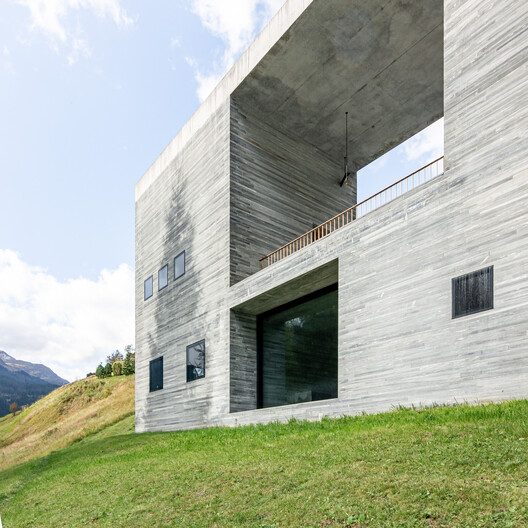
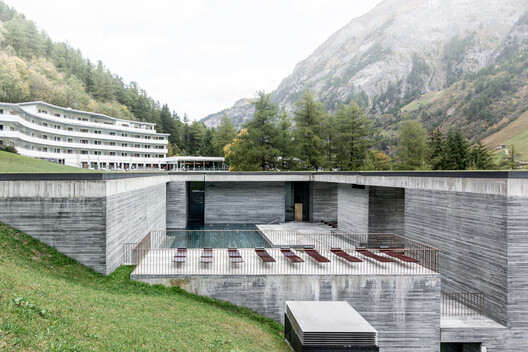
A different but related strategy can be observed in Peter Zumthor's Therme Vals. Built from layers of locally quarried stone, the structure is composed of massive walls that define a sequence of chambers and corridors. Light penetrates through narrow openings and skylights, reinforcing the perception of the building as a continuous body of material. Here, thickness contributes simultaneously to structural integrity, atmospheric quality, and environmental performance.
Depth and the Reappearance of the Window
Perhaps the most visible consequence of thick construction is the transformation of the window itself. When walls become deep, openings are no longer simple cuts through a surface, as they acquire spatial depth, producing intermediate zones between interior and exterior.
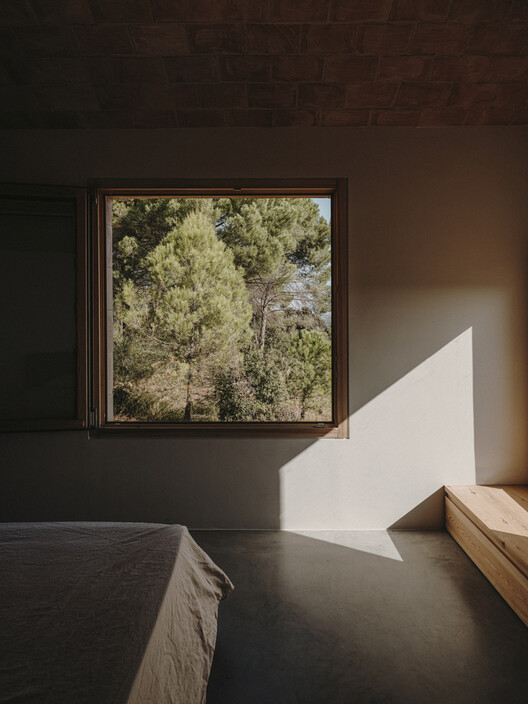
In House 1627 by H Arquitectes, the walls are thick enough to turn the window into a small inhabitable recess. The openings are deeply set within the façade, framing views while creating shaded thresholds between inside and outside. Rather than functioning as a thin aperture, the window becomes a spatial device, a place where the body can approach the edge of the building and experience the exterior environment.
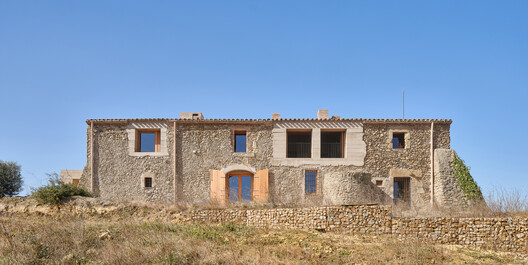
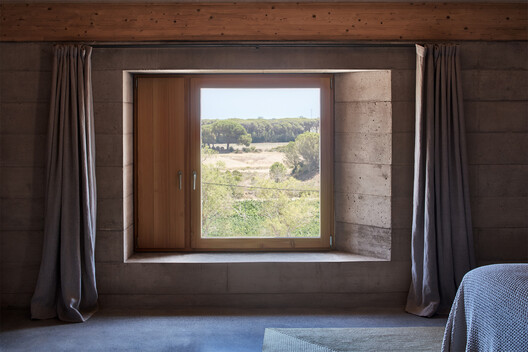
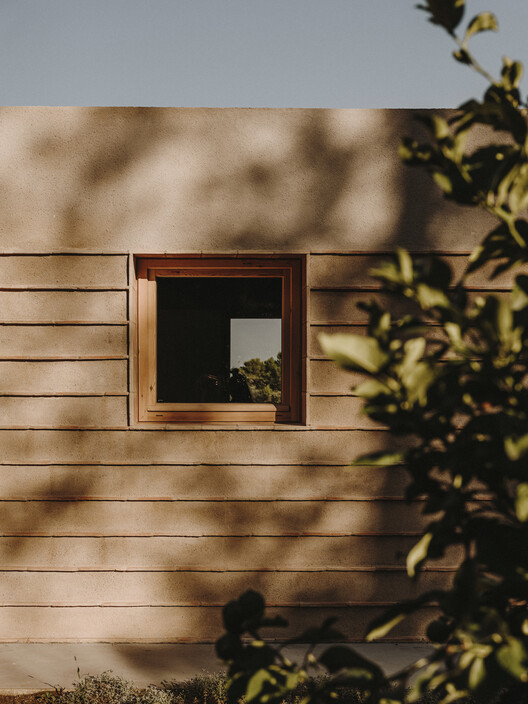
Similarly, in Ter House, designed by Mesura, masonry walls extend outward to create shaded reveals that control sunlight. Openings appear almost sculpted from the volume, emphasizing the depth of the façade while reinforcing the building's material continuity.
In these projects, the window regains a spatial dimension that was largely lost in the era of curtain walls. The thickness of the envelope allows architecture to articulate a sequence of thresholds: exterior environment, façade surface, recessed opening, and interior space. Each layer contributes to the sensory and environmental experience of the building.
This article is part of the ArchDaily Topic: 20th Century Design in Flux: A Global Reinterpretation of Architectural History. Every month we explore a topic in-depth through articles, interviews, news, and architecture projects. We invite you to learn more about our ArchDaily Topics. And, as always, at ArchDaily we welcome the contributions of our readers; if you want to submit an article or project, contact us.


