-
Architects: Knorr & Pürckhauer Architekten
- Area: 500 m²
- Year: 2020
-
Manufacturers: Sky-Frame


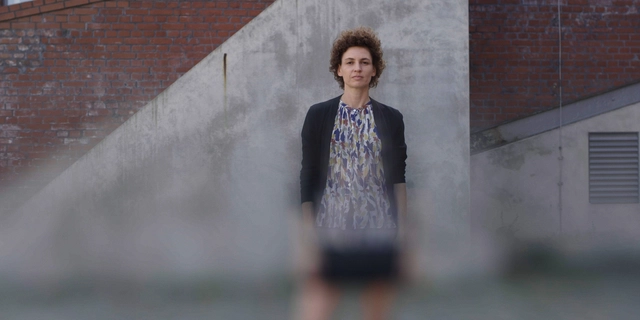
From ending up by accident in architectural studies, to eventually falling in love with the complexity of the field and the multitude of its layers, Johanna Meyer-Grohbrügge was amazed by the dual nature of architecture; its intellectual aspect, and physical outcome. Founder of Meyer-Grohbrügge in Berlin, the architect, and her studio seek to spatialize content, create relationships, and find solutions for living together.
With Toshiko Mori and Gabriela Carrillo, Johanna Meyer-Grohbrügge is part of a new documentary titled "Women in Architecture", premiering on November 3rd. The film by Sky-Frame, in collaboration with ArchDaily, and directed by Boris Noir is a catalyst for debate on one of the most pressing topics in architecture.
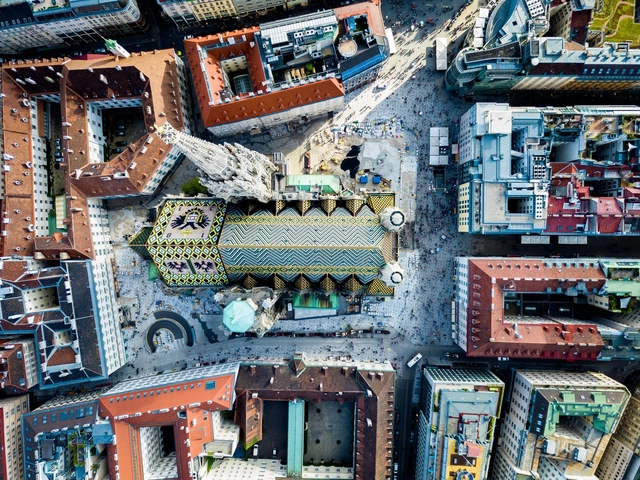
Vienna in Austria has topped the rankings of The Economist Intelligence Unit (EIU) 2022 Global Liveability Index, gaining back its previous position from 2019 and 2018, mostly for its stability and good infrastructure, supported by good healthcare and plenty of opportunities for culture and entertainment. Western European and Canadian cities dominated the top positions with Copenhagen, Denmark in second place and Zurich, Switzerland, and Calgary, Canada in third place. Adding 33 new cities to the survey, one-third of which are in China, bringing the total up to 172 cities, the classification excluded this year the city of Kyiv, due to Russia’s invasion of Ukraine.
Classified across 5 categories, stability, healthcare, education, culture and the environment, and infrastructure, the index was largely driven by the covid-19 pandemic. While covid-19 restrictions have eased in big parts of the world, liveability rankings started resembling “those seen before the pandemic”, however, the global average score remained below the pre-pandemic time. Although covid-19 has receded, a new threat to liveability emerged when Russia invaded Ukraine this year.
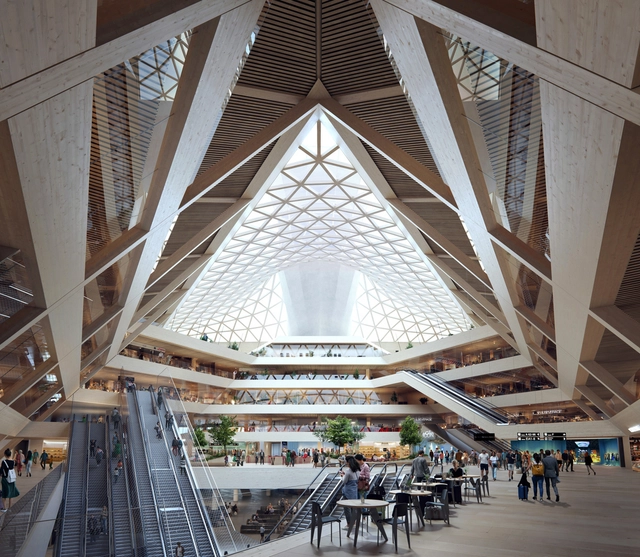
Dock A, the largest dock of the Zurich Airport, was the subject of international competition. BIG forms the winning team as design lead with HOK as aviation architect, 10:8 architects, engineer Buro Happold, timber experts Pirmin Jung, and aviation consultant NACO. Their design proposal centers on passenger experience and movement through the airport. A pared-back material palette reveals the loadbearing system of the building: V-shaped timber columns provide both a structural function and a distinctive identity true to its place and era, according to the jury.
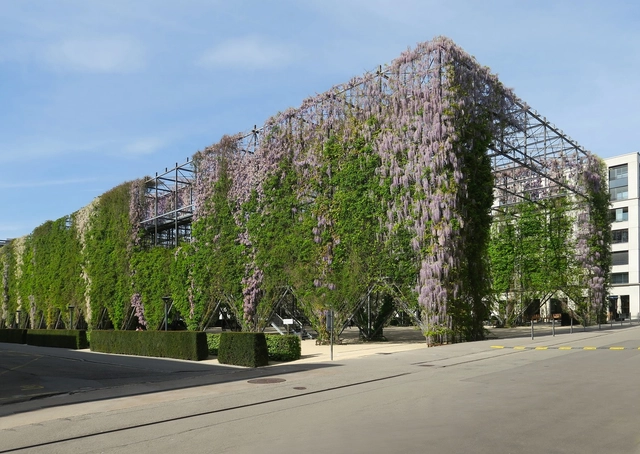
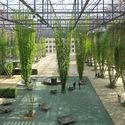
Paul Clemence’s capture of Zürich’s MFO Park is an evocative photo series for Archi-photo, demonstrating the juxtaposition between the metal shell of the man-made and the wild nature of the park itself. Vines intertwining themselves upon the skeleton of the structure create an attractive destination, replenishing the brownfield land and replacing it with a renewed and captivating image.
Zürich’s MFO park is a vibrant parkscape in Switzerland, previously a site used for around a century by the Oerlikon Machine Works (MFO). Saturated with construction debris and pollution during a long period of industrialization, it has been transformed into a green paradise with the nearby wooded Oerliker Park brimming with ash trees. Offering a diverse area of open space it is available to the public for a wide range of activities and events, with the presence of ‘Park House’, a large open hall, and trellis enveloped with climbing vegetation.

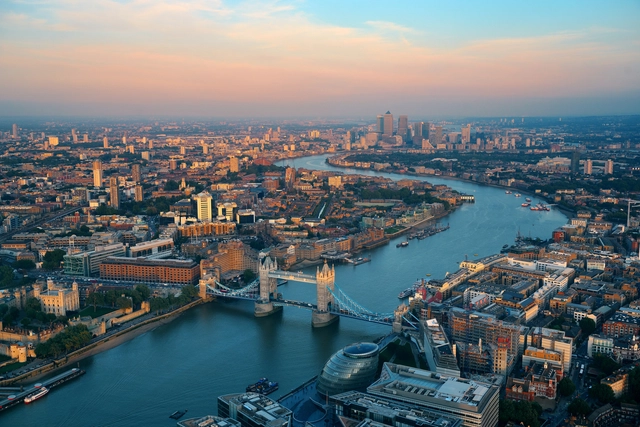
Global Finance's ranking of the world's best cities to live in, during 2022 has just been released. Centered on 8 different parameters that calculate and compare the quality of life of people living in urban areas such as economy, culture, population, environment, etc., this year’s edition also took into consideration Covid-19 deaths per thousand for each country, to reflect the new reality we live in. With data from the Global City Power index, Johns Hopkins University, Statista, and Macrotrends, the list seeks to have a complete vision, putting together traditional metrics with new factors.
Claiming the first position is London, U.K, a city that although didn’t get high rankings in its Covid-19 metrics, still topped the list, mainly due to its scores in culture, accessibility, and population growth. Tokyo was selected for the second position, showing weakness in one parameter, population, as its numbers have been declining for the past 10 years. Shanghai followed next, in the third position, because of relatively low Covid-19 death figures and strong population growth. Singapore and Melbourne came in 4th and 5th positions.
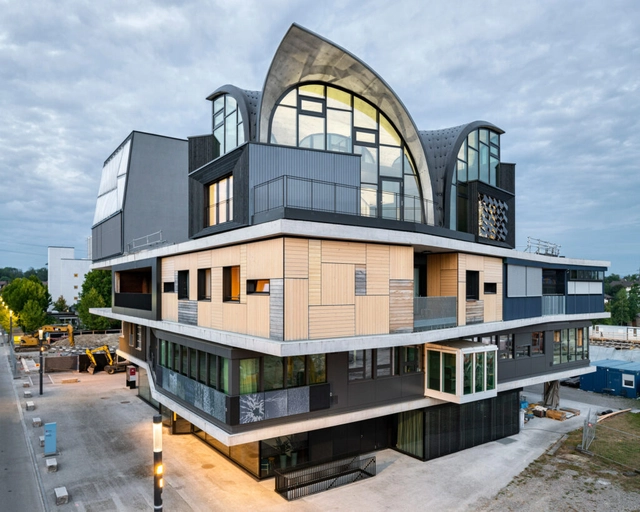
Dübendorf, Switzerland is something of hallowed ground for architectural technologists. There, on the shared academic campus of the Swiss Federal Laboratories for Materials Science and Technology and the Swiss Federal Institute of Aquatic Science and Technology, public university ETH Zurich has conducted nearly a decade of engineering and construction experimentation at the ever-evolving NEST research building. In August, ETH Zürich unveiled its latest extension of the building, HiLo (short for high performance-low emissions)—a two-story modular addition to the chameleon structure that harnesses medieval building principles and contemporary digital methods to raise the bar for more sustainable applications of concrete.


Last year, a series of new museums, expansions and several museum renovations have opened their doors to the public, adding a new dimension to the cultural landscape around the world. From the long-awaited re-opening of the Neue Nationalgalerie in Berlin, to Ryue Nishizawa's Jining Art Museum merging with the landscape, and MVRDV's reflective Art Depot, discover the architecture of the latest venues of art and culture.
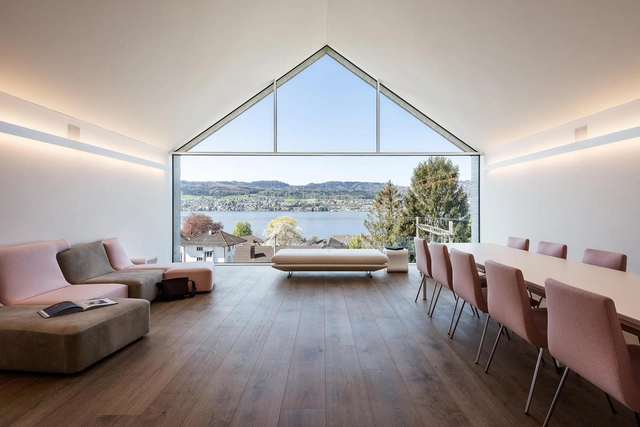

We love to fill our houses with wonderful creative decoration that brings us pleasure every time we enter a room. It’s these decorative features that transform a house into a home. But for those houses lucky enough to be surrounded by captivating landscapes, why shut out all that natural decoration only to replace it with interior imitations?
Using either glass partitions or ground-flush, floor-to-ceiling sliding glass panels, by inviting the environment in, specifiers can connect interior and exterior spaces for a deeper connection with nature, allowing the local landscape itself to become the largest interior in the home. Here is a selection of residential projects that use the latest innovations in sliding windows to form a relationship with the surrounding landscape:
Architectural filmographers 9sekunden have collaborated with David Chipperfield architects to create a short film about the extension the Kunsthaus Museum extension in Zurich, Switzerland. The feature shows visitors' journey through the new building, coming across the interactive installation "The Sense of Things" by renowned choreographer William Forsythe. Walking through the architecture, paired with the curiosity of the people entering the space, the film highlights the interplay of culture, urbanity, and the built environment of the city of Zurich.
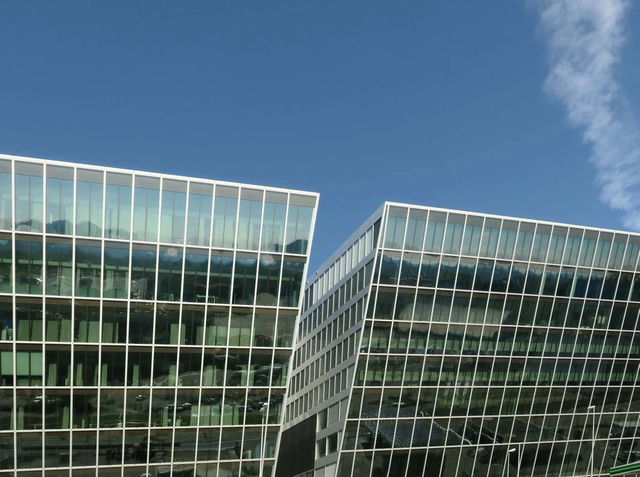
Architectural photographer Paul Clemence has released a new photoseries of Riken Yamamoto's The Circle project, a mixed use development at the Zurich Airport. The design was a competition entry that asked architects to create a program that offers visitors: Swissness, Surprise, and Connections to the World. Yamamoto's winning design, with its inclined facade and combination of linear and curved outlines, linked the airport to the park physically and visually, creating an architecture that highlights the Swiss identity.
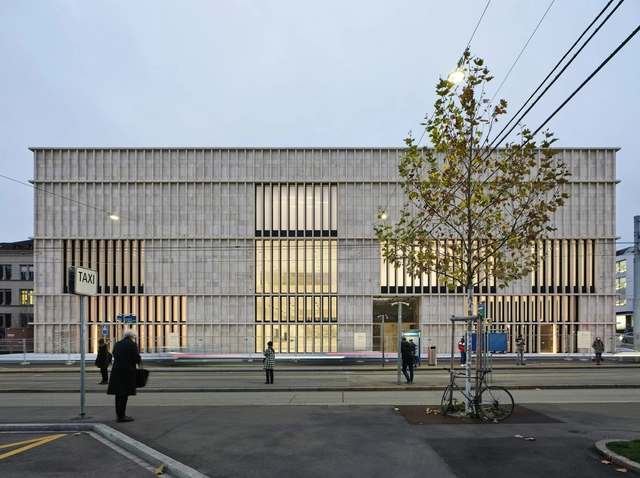
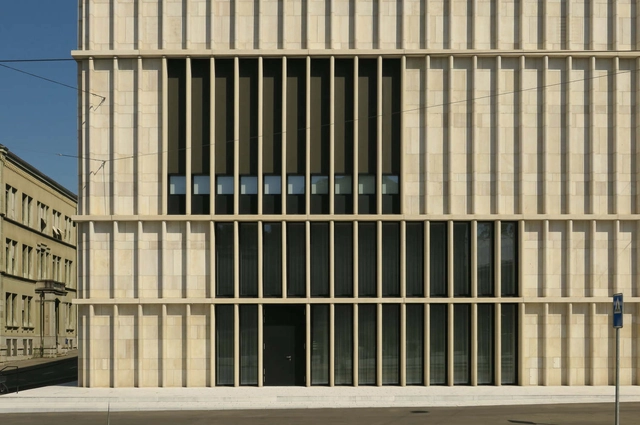
Architectural photographer Paul Clemence has released a new photoseries of the newly-opened Kunsthaus Zürich Museum Extension designed by David Chipperfield Architects. The extension is a freestanding addition to the existing Kunsthaus museum, and houses a collection of classic modernist artwork, the Bührle collection, and temporary exhibitions. The architectural identity takes inspiration from traditional stone façades found on the existing Kunsthaus as well as other significant public buildings in the Swiss city, and combines tradition and innovation through slender vertical fins crafted from local Jurassic limestone.













.jpg?1641932763 "© Ossip van Duivenbode / MVRDV")