



-
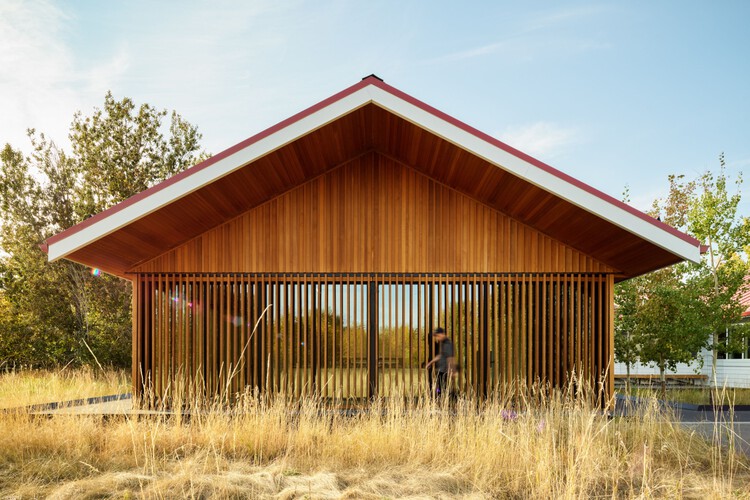
Architects: The Marc Boutin Architectural Collaborative
- Area: 365 m²
- Year: 2023
-
Manufacturers: VELUX Group, Axis Lighting, Fiberman, Real Cedar


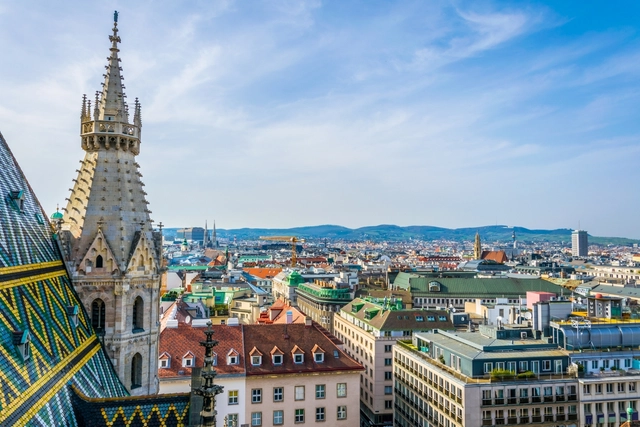
The pursuit of an ideal city has long been a topic of debate among architects and urban planners. In addition to aesthetic identity and cultural heritage, the quality of life in every city represents perhaps the most important marker in this pursuit. This year, the Economist Intelligence Unit (EIU), a sister company of The Economist, has released its Global Liveability Index 2024, highlighting the cities that excel in this ongoing quest. For the third consecutive year, Vienna ranked as the most liveable city in the world. European cities Copenhagen, Zurich, and Geneva also rank high, attributed to their smaller populations, which contribute to lower crime rates and less congestion. In comparison with the 2023 ranking, the numbers for North American and Australian cities have been dragged down by the ongoing housing crisis.
The assessment ranks 173 cities from around the world. Each city is scored based on 30 qualitative and quantitative factors evaluating 5 categories: stability, healthcare, culture and environment, education, and infrastructure. The scores are based on external data points, in-house analysts, and in-city contributors. The category of stability has registered the biggest decline, as protests and armed conflicts increased in incidence. At the bottom of the cist, the city of Damascus, Syria, continues to be ranked as the least liveable city in the survey, followed by Tripoli, Libya, reflecting severe instability.
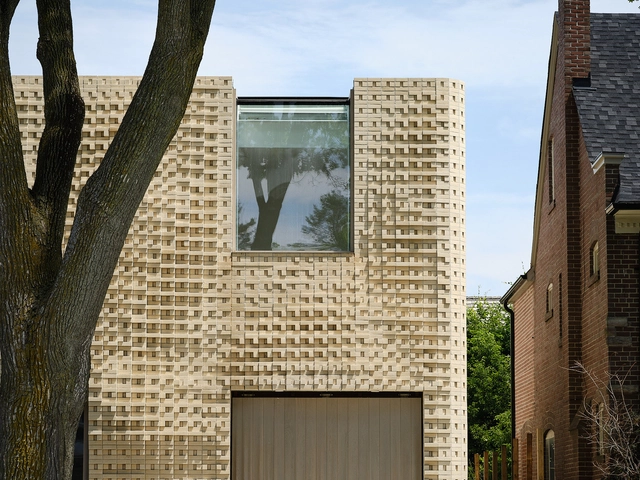
Canada's climate is known for its dramatic contrasts, ranging from frigid winters to hot summers. Large metropolitan areas such as Toronto, Montreal, and Vancouver experience a variety of extreme weather conditions: heavy snowfall, ice storms, and freezing temperatures are common. In some cases, temperatures can plummet to below -30 degrees Celsius, especially in cities like Montreal or Quebec. In turn, this weather creates certain challenges for architects and engineers when designing with certain materials. In this context, brick remains a popular construction material not only because of its relatively low thermal conductivity, making it a good insulator during the winter but also because of its connection to the country's architectural heritage.
While brick was once a primary load-bearing material, its role has shifted in modern architecture to being used predominantly for non-bearing walls and exterior cladding. This allows architects to experiment with brick as a texture and design feature, rather than focusing on its structural capabilities. Even though the climate does influence material choices, brick's historical significance and its ability to create intricate textures and patterns in facades make it a compelling choice for contemporary projects across Canada. Modern architects are constantly finding new ways to reinterpret this classic material, exploring various bond layouts and surface textures that add aesthetic richness while ensuring the buildings remain resilient to extreme weather conditions.
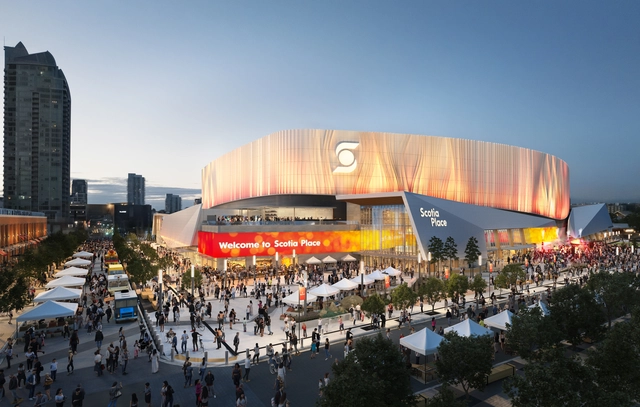
DIALOG and HOK have just revealed the redesign of Scotia Place, Calgary’s new event center in Canada. Set to become a hub of community and culture, Scotia Place is inspired by Indigenous ancestral lands and cultural significance, integrated these perspectives with the natural beauty of Calgary. Commissioned by the City of Calgary and the Calgary Sports and Entertainment Corporations, Scotia Place seeks to bring people together and activate the public realm.


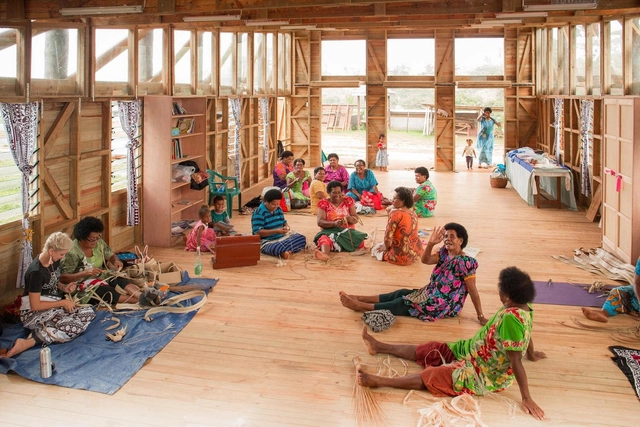
Moving away from top-down approaches, contemporary practices embrace more inclusive and participatory models and design processes. Participatory planning, a notion that prioritizes involving the entire community in the decision-making process, has earned widespread recognition and popularity globally. Cities across the world have interpreted participatory planning to fit their unique needs, using technology and government resources to expedite and enhance the process.
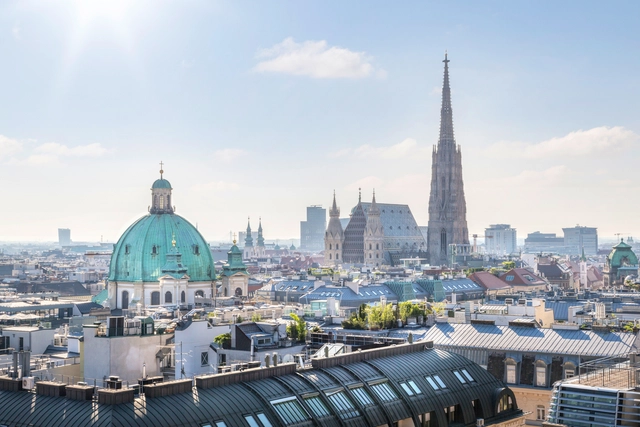
For the second consecutive year, Vienna is the world’s most liveable city according to The Economist Intelligence Unit (EIU) 2023 Global Liveability Index. Topping the ranking for the fourth time in five years, Vienna has excelled in stability, culture and entertainment, and reliable infrastructure. Copenhagen in Denmark maintained its second position while Melbourne and Sydney came in third and fourth position, rising to the top 5 where they previously had a consistent presence among the leading positions, before the pandemic.
Under the titles of Optimism and Instability, this year’s global index score has returned to pre-Covid-19 days, highlighting that the world has fully recovered from the pandemic. Ranking living conditions in 173 cities based on stability, health care, culture and environment, education, and infrastructure, the survey suggests that nowadays, “life in cities is a bit better than at any time in the past 15 years”, although Stability scores dropped on average in 2023, due to worldwide clashes, political disruptions, social protests, inflation, and wars.


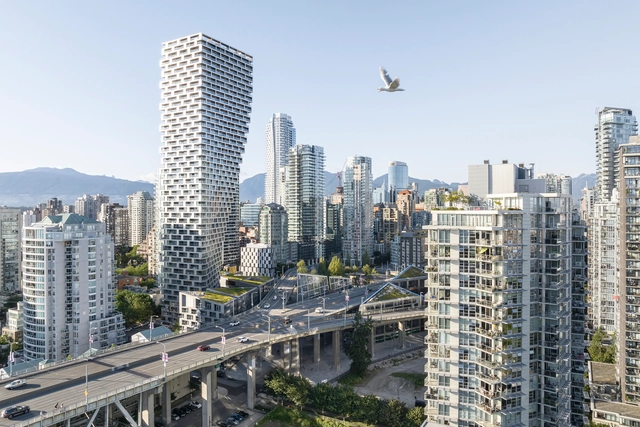
BIG – Bjarke Ingels Group has released a photo series of the Vancouver House and the Telus Sky towers, captured for the first time since their opening in 2020 during the pandemic. In a sort of "yin and yang," both skyscrapers are shaped by a curvilinear silhouette that involves the surrounding like a giant curtain revealing the building to the skyline.
The 220-meter-tall Telus Sky tower, and the 149 meters high Vancouver House, accommodate mixed-use offices and residential spaces, with connections to cycling and pedestrian pathways in their platforms. Moreover, both hold the highest level of Energy and Environmental Design. Vancouver House is the city's first LEED Platinum building, and TELUS in Calgary now occupies the largest LEED Platinum footprint in North America, with 70,725 square meters.
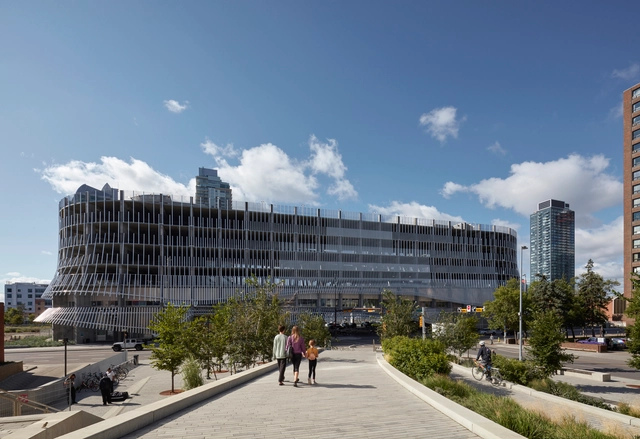

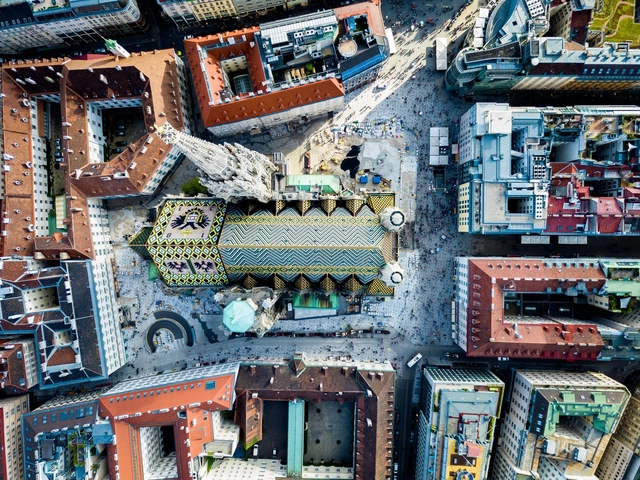
Vienna in Austria has topped the rankings of The Economist Intelligence Unit (EIU) 2022 Global Liveability Index, gaining back its previous position from 2019 and 2018, mostly for its stability and good infrastructure, supported by good healthcare and plenty of opportunities for culture and entertainment. Western European and Canadian cities dominated the top positions with Copenhagen, Denmark in second place and Zurich, Switzerland, and Calgary, Canada in third place. Adding 33 new cities to the survey, one-third of which are in China, bringing the total up to 172 cities, the classification excluded this year the city of Kyiv, due to Russia’s invasion of Ukraine.
Classified across 5 categories, stability, healthcare, education, culture and the environment, and infrastructure, the index was largely driven by the covid-19 pandemic. While covid-19 restrictions have eased in big parts of the world, liveability rankings started resembling “those seen before the pandemic”, however, the global average score remained below the pre-pandemic time. Although covid-19 has receded, a new threat to liveability emerged when Russia invaded Ukraine this year.