TV shows about renovations are seductive. We feel anxiety when seeing that home remodeled in an unimaginable way, providing a family reconnection with the new space. The tears at the end, the host-architect-contractor satisfied with the result, intact wooden floors, shiny appliances, and bathtubs ready to be used. It is no wonder that these programs are reaching an ever-increasing audience and, consequently, inspiring many transformations in other people's homes.
But if, on the one hand, they encourage viewers to change by showing the infinite possibilities of transforming and improving a space, on the other hand, they can reproduce misconceptions about architecture, especially concerning the conception and execution process.
Interior Urbanism describes interior spaces so large that they behave like cities. These kinds of constructions can develop either as an adoc growth over time, or as a planned and cohesively designed set of volumes. Each approach has its own opportunities and problems when it comes to efficiency and architectural integrity. This video explores both and uses Chicago’s Pedway and John Portman’s Hyatt Regency near O’Hare airport as examples. Stewart Hicks visits these examples, discusses the implications of bringing our urbanism indoors, and compares and contrasts the spatial qualities of each — the contingent and gritty urbanism of the Pedway, with the pristine perfection of the hotel lobby and conference center.
This video explores the case for understanding buildings as non-human creatures. While this might sound absurd at first, the concept has a long history and potentially very positive tangible outcomes. Buildings need to be cultivated like a garden; they require maintenance and care. If they are alive, the need for this care becomes more obvious and second nature. This conceit also prompts us to empathize with the people that conceived of and built the building, treating the human labor of its construction with admiration and reverie.
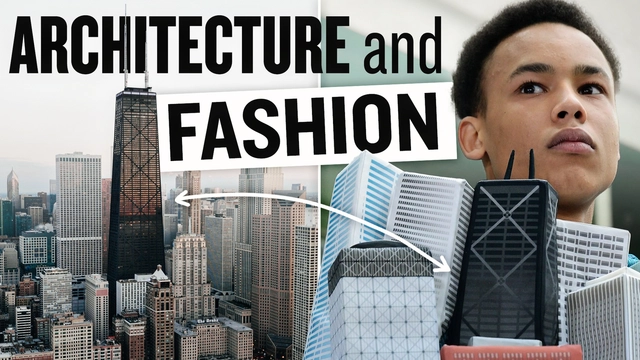
Architecture and fashion seem like unlikely bedfellows. However, in more ways than one, they are cut from the same cloth. Ancient nomadic tribes lived in shelters made of cloth and animal furs, the very same materials used for clothes. So, clothes and buildings were made from the same craftspeople. Over time, as our constructions filled the basic needs for protecting the human body, these pursuits were elevated into distinct artforms. Today, designers like Virgil Abloh, formally trained as an architect, stitch the two pursuits back together with shows that reference designs by Mies van der Rohe, or jackets filled with puffy 3D buildings. Fashion retail environments also bring space and clothes together, often in thoughtful and interesting ways. This video looks at the history of architecture and fashion and visits a fashion retail store in Chicago called Notre, designed by Norman Kelley.
Videos
Catie Newell by Alibi Studio. Image Courtesy of Stewart Hicks
Buildings are like bodies with organs. When this is the case, with a little extra effort, buildings can be dismantled instead of demolishing them. Dismantling involves carefully removing salvageable components, storing them, and finding them new homes. While this solution is not always possible, it can be part of a sustainable effort that — in addition to keeping material out of landfills — preserves the history and memory embedded within unique materials and fragments. It also honors the human labor invested in our environment. This video explores the reuse of building materials and what it means to be surrounded by fragments with history. It also profiles institutions dedicated to the dismantling and dissemination of building materials, as well as artistic practices that reconfigure our existing built environment including Noah Purifoy and Catie Newell of Alibi Studio.
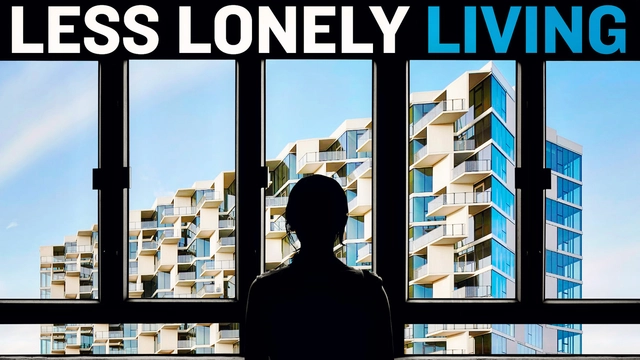
Data shows that many more people are living alone, but the surprising fact is that living alone does not necessarily correspond with an increase in feelings of loneliness. Architecture has been evolving towards increases in privacy and private space for centuries. This video looks at architectural designs that attempt to reverse those trends by designing living scenarios that incorporate more opportunities for public engagement. These include Studio Gang’s City Hyde Park project in Chicago with its angled balconies. But the video goes deeper to look at examples that radically rethink residential architecture, its construction, design, and inclusion of public space.
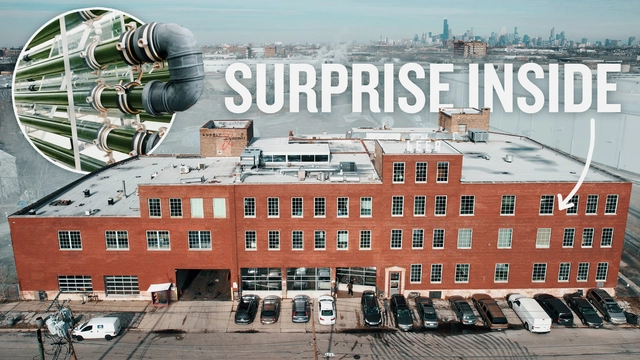
Adaptive Reuse is an important aspect of managing a sustainable existence. Buildings contain massive amounts of embodied energy and the more we can adapt and repurpose them, the better. Buildings are also repositories of collective memories and histories. As we modify them, these layer in new and interesting ways. This video explores the topic through the case study of ‘The Plant,’ a food incubator in Chicago housed within a former pork processing facility. The building’s location and existing infrastructure made it a perfect candidate for its new purpose. John Edel, the founder of the Plant, has also made every effort to showcase the building’s history and to honor its heritage throughout the process of adaptation.
This video follows Hiba Bhatty, an architect at Valerio Dewalt Train in Chicago, through a day on the job. The daily activities of an architect can sometimes seem mysterious. This is likely due to the fact that no day is really “typical.” Designing buildings goes through multiple phases, each with very different responsibilities.
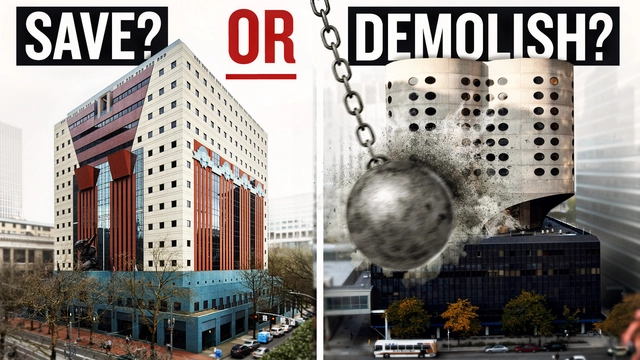
How do we decide which buildings are worth saving and which ones aren’t with regards to a building’s design significance? This video tells the story of the Portland Building by Michael Graves, a building with a tumultuous history that was ultimately saved from the wrecking ball when the city raised nearly $200 million to renovate the aging structure. This was spurred, in part, by the building’s inclusion on the National Historic Places list. But, that is only part of the story. What does it mean to be an Historic Place or Landmark because of architectural design? Does this distinction help to save it from premature demolition? The answers to these questions might surprise you.
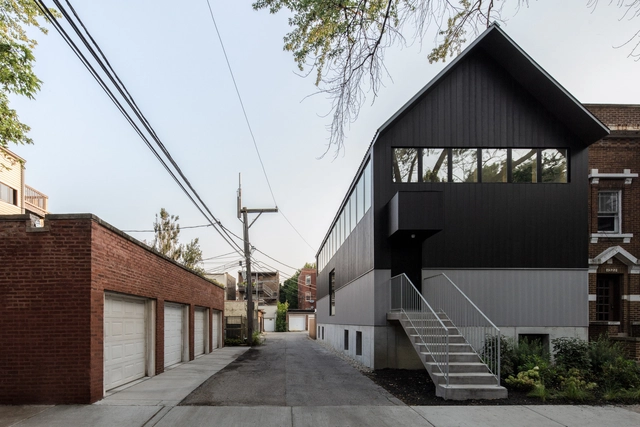
Winston Churchill once said: "We shape our buildings; thereafter they shape us." This quote almost seems written specifically for the architecture design firm Kwong von Glinow. Alison von Glinow and Lap Chi Kwong are married and partners in practice. For the last couple years, they’ve been designing and building their own live/work building in a northern neighborhood of Chicago called Edgewater. A model of the house lived in their dining room for months as they conceived of the house, making daily changes until it was constructed and they could move in. They shaped the design, now it shapes them. In this video, Kwong von Glinow takes us through this building — called the Ardmore House — and they explain how they designed it, what it’s like to live in, and how it has shaped their work since.
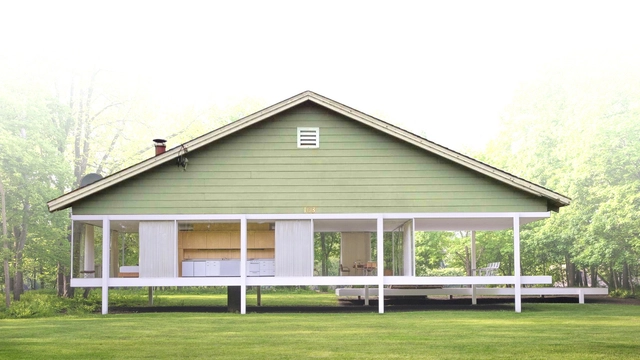
It is a commonly held belief by non-architects (and even some architects) that gabled roofs are inherently better than flat ones. The argument typically goes that a gable demonstrates a ‘form follows function’ sensibility, easily shedding water and snow using geometry and gravity. So, flat roofs might leak. While that’s true, this video blows the roof off the topic by taking a finer look at some points that might change your mind. This includes Louis Sullivan’s original reason for writing the phrase “form ever follows function,” as well as the ability of flat roofs to offer outdoor public spaces, supporting green roofs, structural simplicity, wind considerations, among many others. There’s also another, competing functional/formal reason for why a low slope roof might be more prudent than a more aggressive slope, even in snowy areas like Chicago.
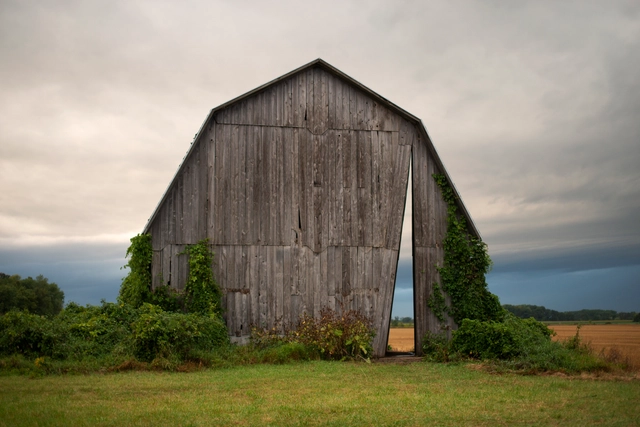
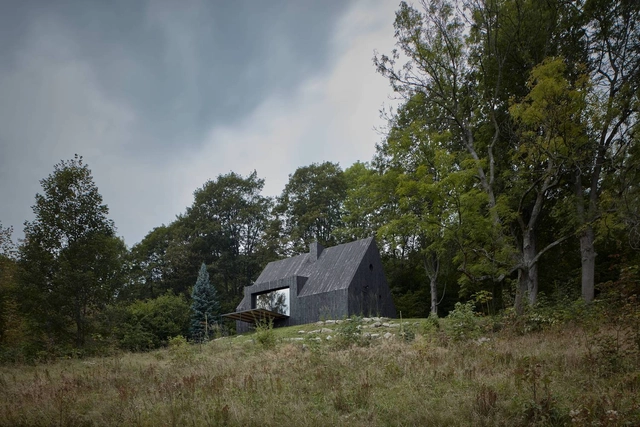
There’s been a recent popular interest in and adoption of an aesthetic born from agrarian retreats called cottagecore. It harkens back to the days of Laura Ingalls Wilder and other simpler times of settlers, pioneers, and traditional European settlements. Cottagecore includes flowers, woods, warm tones, thatched roofs, worn furniture, and other objects and motifs associated with country living. The restorative power of cottages and retreats has long been recognized, but their popularity and renewed interest coincide with the pandemic as our lives are marked by excessive time spent indoors and communicating solely through electronic mediums.
Architecture can be funny. Of course, it often makes for a well-disposed butt of the joke, like when Frank Gehry is satirized on the Simpsons, but buildings themselves can be funny as well. Philosophers like Kant believed humor was in the incongruity between what is expected and what is experienced. There are all sorts of expectations placed on buildings and an infinite number of ways that incongruity might grow between those expectations and what a building actually delivers. This video explores some of the most interesting of these humorous buildings through history, from Giulio Romano’s Mannerism, to SITE Architects BEST stores, and many more. Finally, it points to some contemporary practices that deploy humor to achieve more than just a chuckle.
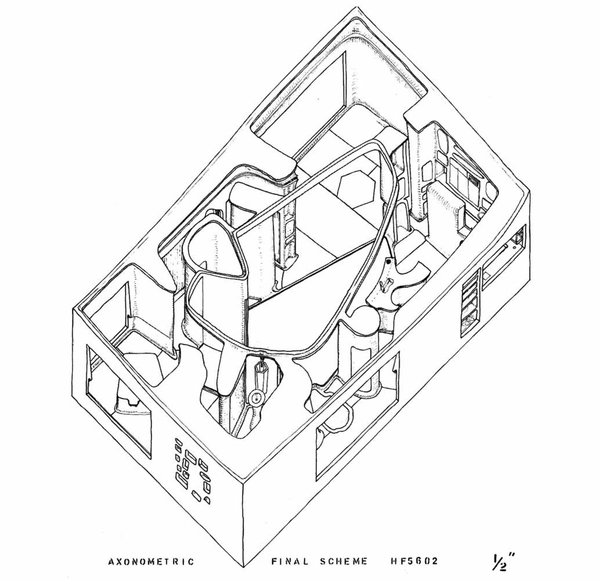
The House of the Future was designed by Alison and Peter Smithson in 1956 to showcase what house designs might be like 25 years in the future. It is an interior-focused rectangle filled in with amorphously shaped walls, storage units, and a central courtyard as well as high technology of all sorts. It is like something out of the Jetsons. While the design remains unique in the Smithsons portfolio, it was highly influential in their student’s work and firms like Archigram built upon its boldly novel concepts. Despite this long and robust influence, the structure was physically standing for only a short time. In this video, the house is reconstructed and explored in real-time. What would it have been like to occupy The House of the Future? See for yourself.
Architecture and photography are deeply dependent on one another. The first photograph ever taken frames buildings as its subject. Even more, it took an entire room to produce the image through a camera obscura. In the early days, buildings were one of the few subjects that could sit still for the 8 hours it took to burn an image onto a photosensitive medium. However, architecture is dependent on photography too. Buildings are large, slow, and immobile. Without photographs, it would be difficult to visit the important structures around the world. In this way, photographs are an easily shareable surrogate for buildings. But, photographs are not truthful 1:1 depictions so photographers have a lot of agency when it comes to how we experience architecture. This video offers some insight into this relationship and presents a few photographers as examples for how they interpret an architect's intentions and add their own voice. These include Julius Shulman, Ezra Stoller, Stephen Shore, Iwan Baan, among others.
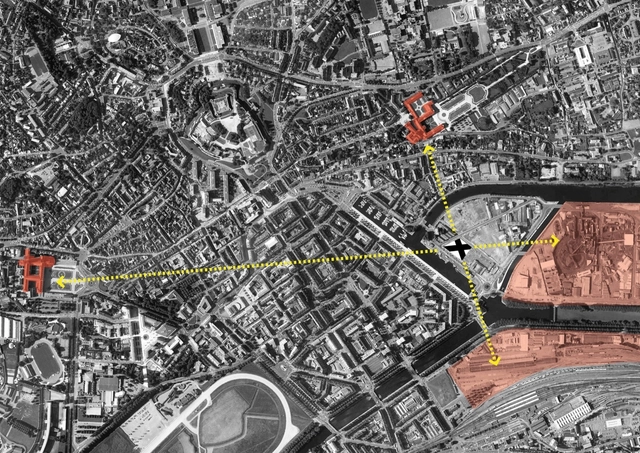
Deciding where a building should go is a complex negotiation of visible and invisible, objective and subjective forces. Architects perform site analysis in order to identify and choreograph all these factors, but which factors do they focus on? This video is a survey (pun intended) of what goes into locating where a building should go on the Earth’s surface. From legal requirements like lot lines and setbacks, to infrastructural concerns like service hookup locations and pedestrian ways, to environmental factors like sunlight and topography, the video goes through how architects and contractors position structures. In addition to reviewing general rules of thumb, the video also includes some important architectural examples like the Casa Malaparte and OMA’s Student Center at IIT to inspire unique ways to approach the subject.
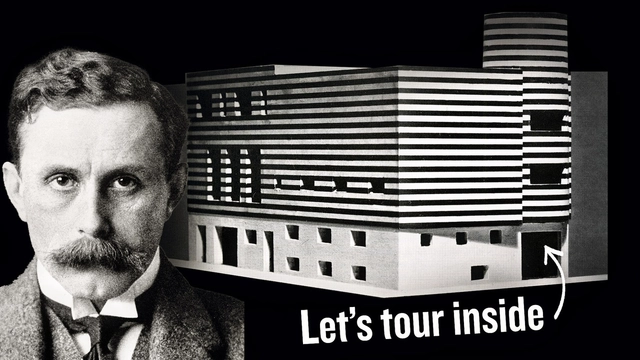
The unbuilt design of a home for Josephine Baker by the architect Adolf Loos is perhaps one of the most analyzed unbuilt homes of Modernism. Its design and history touch on a number of complex social and political issues during the early 20th century. The design comes when Josephine Baker, an African American entertainer is beginning her rise to superstardom and represents a thoroughly modern and fresh artistic voice. Meanwhile, Adolf Loos was a physically ailing man on a steep moral and social decline. The house itself was never truly commissioned by Baker, rather it lives mostly as a fantasy concocted by the architect. This video presents the house through a 3D model and narrated walkthrough to discuss how and why the house was designed and allow you to explore this unique house for yourself.
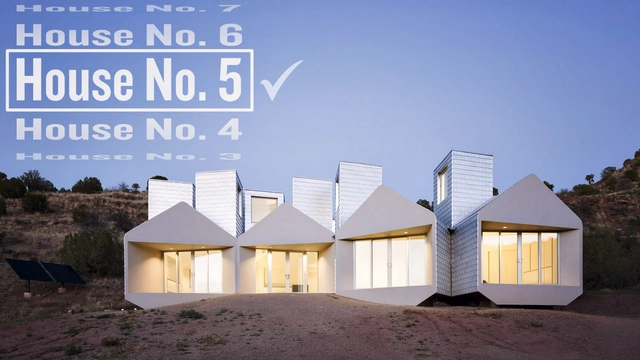
What’s in a name? Well, when it comes to building names, it can be a lot. While some monikers are fleeting and change with the most recent highest bidder, some names are indelible and leave a lasting mark on the public imagination. Client names, towns, corporations, and streets provide ample naming fodder, but some architects are more strategic. Architects like Peter Eisenman created a numbered series (House I, House II, etc.) , or MOS architects adopt a composer-like generic naming system (House with 10 trees, House with 2 Chimneys). For these architects, the name situates each building within a larger collection of projects. It ensures people will consider each act of building as part of a grand plan. Finally, sometimes, no matter how diligent a marketing team tries, a building will find a nickname it just can’t shake...Gherkin. This video considers all these as it explores how buildings get their names.

.jpg?1644868215&format=webp&width=640&height=580)
.jpg?1643919127)


.jpg?1633033510&format=webp&width=640&height=580)