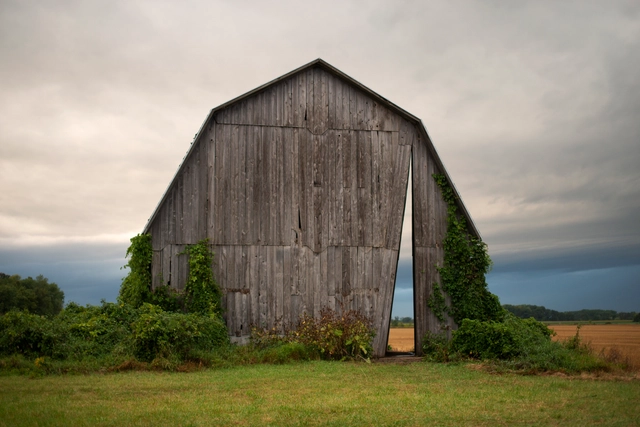
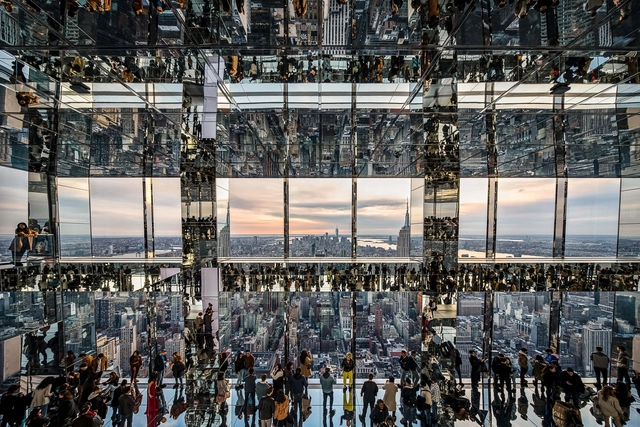
The tenth edition of the Architectural PhotographyAwards has announced its shortlist, selected from entries from 64 different countries. The photographs are divided into six categories: Exterior, Interior, Sense of Place, Buildings in Use, Mobile, with Bridges being this year’s theme, and Portfolio, focusing on the theme of Transport Hubs. The photographs will be displayed at the World Architecture Festival (WAF) Lisbon in Portugal from 30th November - 2nd December. The winners, two per category, will be announced by the end of the festival.
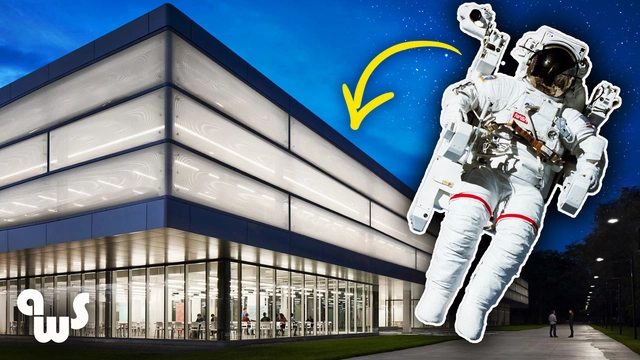
Inflatable Architecture has enabled the imaginations of environmental dreamers of all types. From figures like Buckminster Fuller to Ant Farm, inflatables promise to liberate people from the harsh conditions of nature or the tyranny of architecture. Originally developed by the US Military for radar enclosures on the arctic, inflatables were picked up by NASA before their secrets were bestowed upon the public who deployed them to solve all sorts of problems, from enclosing pools to stadiums.
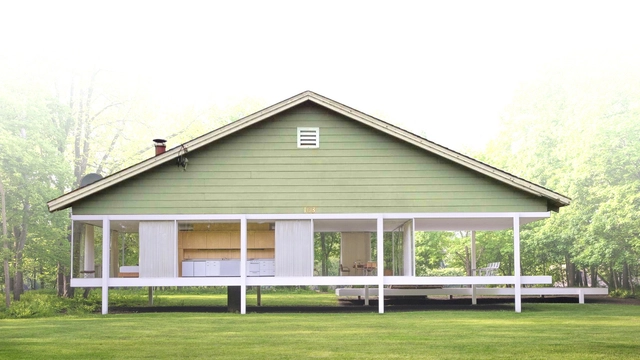
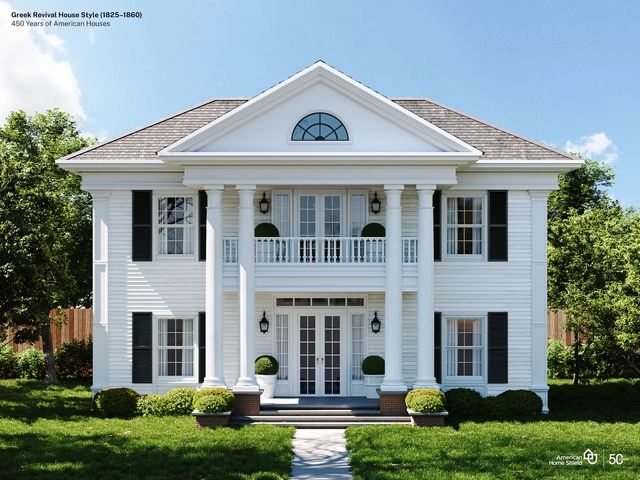
What style is it? This is a common initial question people ask to learn more about a building. For architects, this seems like a poor entry point and the initiating question can seem naive and trivial. This varying degree of attentiveness to a building’s style leads to an impasse between the public—that wants to understand the built environment—and architects eager to share the nuances of their discipline.
Interior Urbanism describes interior spaces so large that they behave like cities. These kinds of constructions can develop either as an adoc growth over time, or as a planned and cohesively designed set of volumes. Each approach has its own opportunities and problems when it comes to efficiency and architectural integrity. This video explores both and uses Chicago’s Pedway and John Portman’s Hyatt Regency near O’Hare airport as examples. Stewart Hicks visits these examples, discusses the implications of bringing our urbanism indoors, and compares and contrasts the spatial qualities of each — the contingent and gritty urbanism of the Pedway, with the pristine perfection of the hotel lobby and conference center.
This video explores the case for understanding buildings as non-human creatures. While this might sound absurd at first, the concept has a long history and potentially very positive tangible outcomes. Buildings need to be cultivated like a garden; they require maintenance and care. If they are alive, the need for this care becomes more obvious and second nature. This conceit also prompts us to empathize with the people that conceived of and built the building, treating the human labor of its construction with admiration and reverie.
Videos
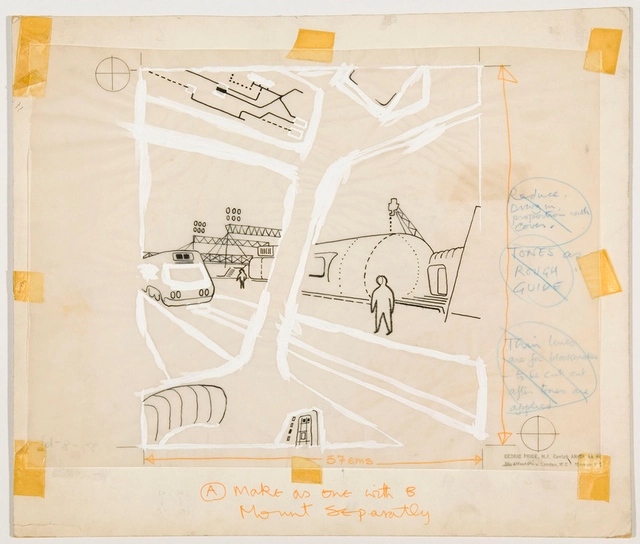
Cedric Price. Potteries Thinkbelt. Cedric Price fonds, Canadian Centre for Architecture, Montréal. Image Courtesy of CCA
All buildings move — of course, some more than others. There are a host of design considerations that architects keep in mind that allow for, or even promote movement in almost every building. But some architects fall back on their training as broad-based thinkers and problem solvers to devise solutions that literally roam the earth. From tiny homes on wheels, to train-based educational institutions, to design programs in a truck, sometimes buildings and architecture need to travel to the people it serves or to other environments. This video features a few examples on this spectrum, beginning with how architects typically deal with movement in structures and foundations, to Cedric Price’s Potteries Thinkbelt, and finally Chicago Mobile Makers, a traveling maker workshop for children founded by Maya Bird Murphy.
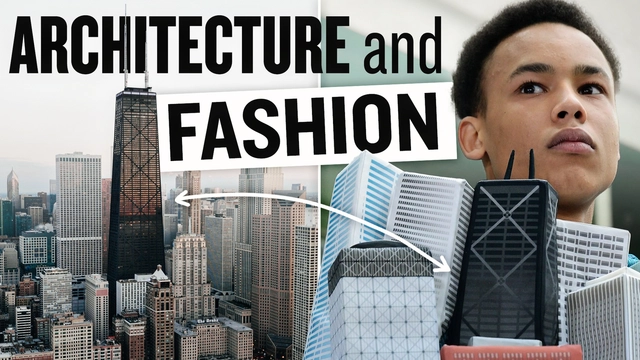
Architecture and fashion seem like unlikely bedfellows. However, in more ways than one, they are cut from the same cloth. Ancient nomadic tribes lived in shelters made of cloth and animal furs, the very same materials used for clothes. So, clothes and buildings were made from the same craftspeople. Over time, as our constructions filled the basic needs for protecting the human body, these pursuits were elevated into distinct artforms. Today, designers like Virgil Abloh, formally trained as an architect, stitch the two pursuits back together with shows that reference designs by Mies van der Rohe, or jackets filled with puffy 3D buildings. Fashion retail environments also bring space and clothes together, often in thoughtful and interesting ways. This video looks at the history of architecture and fashion and visits a fashion retail store in Chicago called Notre, designed by Norman Kelley.
Videos
Catie Newell by Alibi Studio. Image Courtesy of Stewart Hicks
Buildings are like bodies with organs. When this is the case, with a little extra effort, buildings can be dismantled instead of demolishing them. Dismantling involves carefully removing salvageable components, storing them, and finding them new homes. While this solution is not always possible, it can be part of a sustainable effort that — in addition to keeping material out of landfills — preserves the history and memory embedded within unique materials and fragments. It also honors the human labor invested in our environment. This video explores the reuse of building materials and what it means to be surrounded by fragments with history. It also profiles institutions dedicated to the dismantling and dissemination of building materials, as well as artistic practices that reconfigure our existing built environment including Noah Purifoy and Catie Newell of Alibi Studio.
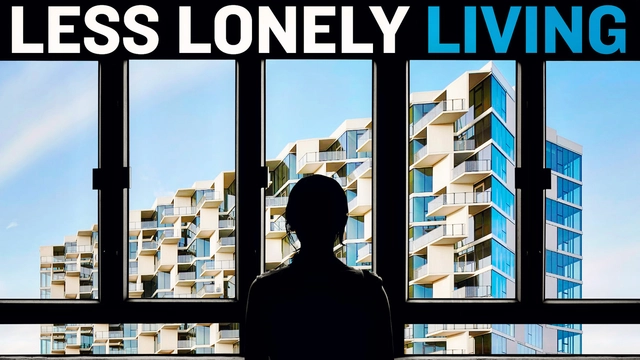
Data shows that many more people are living alone, but the surprising fact is that living alone does not necessarily correspond with an increase in feelings of loneliness. Architecture has been evolving towards increases in privacy and private space for centuries. This video looks at architectural designs that attempt to reverse those trends by designing living scenarios that incorporate more opportunities for public engagement. These include Studio Gang’s City Hyde Park project in Chicago with its angled balconies. But the video goes deeper to look at examples that radically rethink residential architecture, its construction, design, and inclusion of public space.
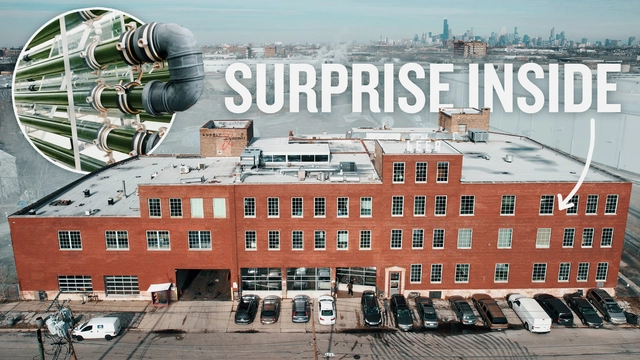
Adaptive Reuse is an important aspect of managing a sustainable existence. Buildings contain massive amounts of embodied energy and the more we can adapt and repurpose them, the better. Buildings are also repositories of collective memories and histories. As we modify them, these layer in new and interesting ways. This video explores the topic through the case study of ‘The Plant,’ a food incubator in Chicago housed within a former pork processing facility. The building’s location and existing infrastructure made it a perfect candidate for its new purpose. John Edel, the founder of the Plant, has also made every effort to showcase the building’s history and to honor its heritage throughout the process of adaptation.
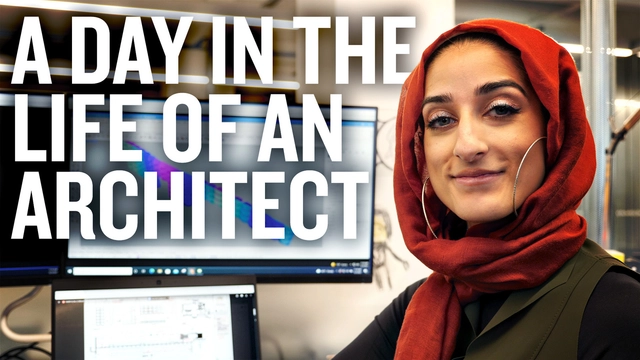
This video follows Hiba Bhatty, an architect at Valerio Dewalt Train in Chicago, through a day on the job. The daily activities of an architect can sometimes seem mysterious. This is likely due to the fact that no day is really “typical.” Designing buildings goes through multiple phases, each with very different responsibilities.
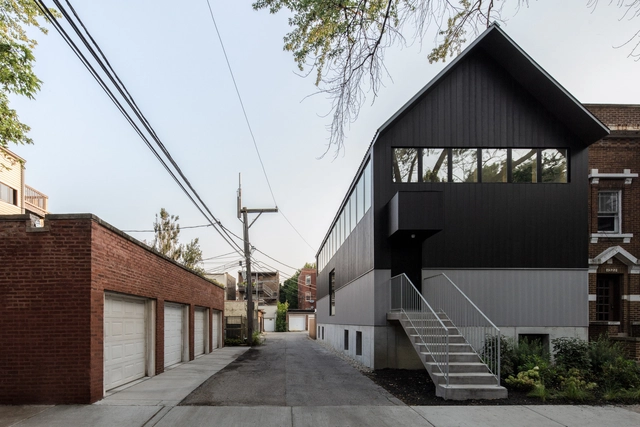
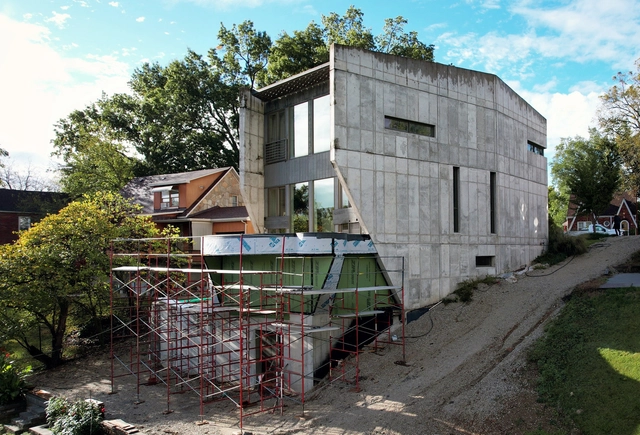
Winston Churchill once said: "We shape our buildings; thereafter they shape us." This quote almost seems written specifically for the architecture design firm Kwong von Glinow. Alison von Glinow and Lap Chi Kwong are married and partners in practice. For the last couple years, they’ve been designing and building their own live/work building in a northern neighborhood of Chicago called Edgewater. A model of the house lived in their dining room for months as they conceived of the house, making daily changes until it was constructed and they could move in. They shaped the design, now it shapes them. In this video, Kwong von Glinow takes us through this building — called the Ardmore House — and they explain how they designed it, what it’s like to live in, and how it has shaped their work since.
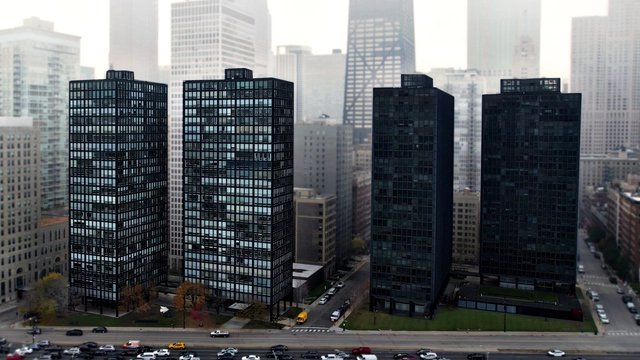
In Chicago, black or silver-colored towers designed by Mies van der Rohe are sprinkled across the city from the north to the south. They all sprang up within a relatively short period of time and constitute — in combination with some faithful homages — what’s called the Second Chicago School of Architecture. This timeline makes it seem like Mies' strategies sprang out of nowhere and like they were born already fully developed. This video takes a look at how these tower strategies evolved from smaller projects to larger ones by paying special attention to their section. Whereas open plans promise ultimate fluidity, in section, Mies' buildings present another idea entirely. In this direction, difference and discretion dominate and symmetry rules. All of this is in service of developing a close connection between the occupant and the distant horizon.
It is a commonly held belief by non-architects (and even some architects) that gabled roofs are inherently better than flat ones. The argument typically goes that a gable demonstrates a ‘form follows function’ sensibility, easily shedding water and snow using geometry and gravity. So, flat roofs might leak. While that’s true, this video blows the roof off the topic by taking a finer look at some points that might change your mind. This includes Louis Sullivan’s original reason for writing the phrase “form ever follows function,” as well as the ability of flat roofs to offer outdoor public spaces, supporting green roofs, structural simplicity, wind considerations, among many others. There’s also another, competing functional/formal reason for why a low slope roof might be more prudent than a more aggressive slope, even in snowy areas like Chicago.
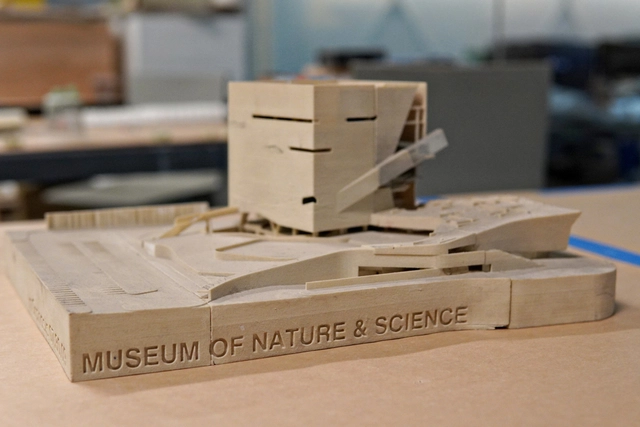
This video takes us inside a professional model-building shop in Chicago called Presentation Studios International (PSI). They make models for all kinds of clients, but mostly for developers and architects. We get a tour of the shop from Robert Becker, an architectural designer and former employee. He helps us understand how models are conceptualized a little differently here than within an architectural office or in school. Here, they are almost strictly miniature buildings with the job of faithfully depicting a building design and serving as a persuasive tool to motivate investment. Then, we hear from Martin Chadwick, a life-long model builder to talk through the process of making high-quality miniature buildings and landscapes.
This is the story of architect Grant Gibson’s journey with a house in central Missouri. Originally designed with his mentor, Doug Garofalo, the owners have recently commissioned Grant to design an addition to their award-winning structure. The problem is the original house was designed to make it difficult to add anything at all, and Garofalo passed away shortly after the original house was constructed. Now, Grant, along with his practice CAMES Gibson, needs to design an addition to this house that defiantly resists alteration and to do it in a way that respects the original design while remaining consistent with his own beliefs and design ethos. The clients work closely with Grant to achieve this new design and find a solution to this very difficult problem.
Models are useful to architects for all sorts of things, from the earliest parts of the design, all the way to marketing a building after it's built. But, what is it about models that makes them such an important and powerful tool? And, how do different architecture firms incorporate them into their own and unique design process? This video explores these questions by surveying three firms: Morphosis, MVRDV, and Herzog and de Meuron. Often firms have model shops and dedicated model teams who are responsible for everything from early design decisions to critical client presentations and even marketing the building. We hear from the folks who work in these model shops and breakdown how the three case study firms approach models in their own unique way.
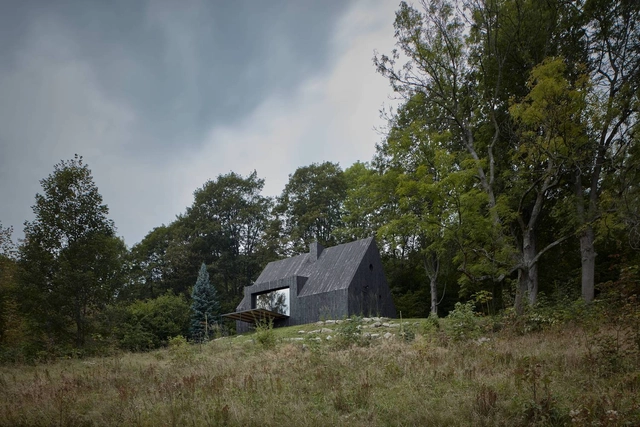
There’s been a recent popular interest in and adoption of an aesthetic born from agrarian retreats called cottagecore. It harkens back to the days of Laura Ingalls Wilder and other simpler times of settlers, pioneers, and traditional European settlements. Cottagecore includes flowers, woods, warm tones, thatched roofs, worn furniture, and other objects and motifs associated with country living. The restorative power of cottages and retreats has long been recognized, but their popularity and renewed interest coincide with the pandemic as our lives are marked by excessive time spent indoors and communicating solely through electronic mediums.


.jpg?1644868215&format=webp&width=640&height=580)
.jpg?1643919127)