1. ArchDaily
  2. White Arkitekter

White Arkitekter: The Latest Architecture and News

From London to Houston: Four Ongoing Pedestrianisation Initiatives Shaping More Walkable Cities

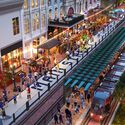
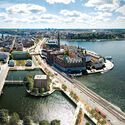
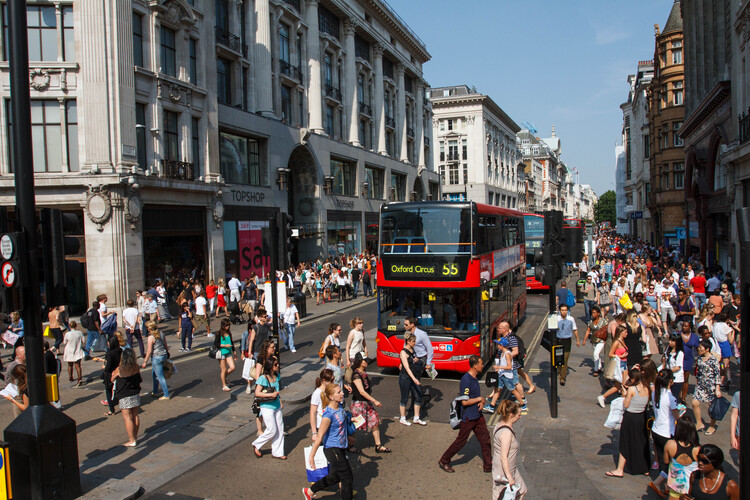
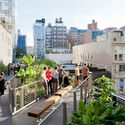
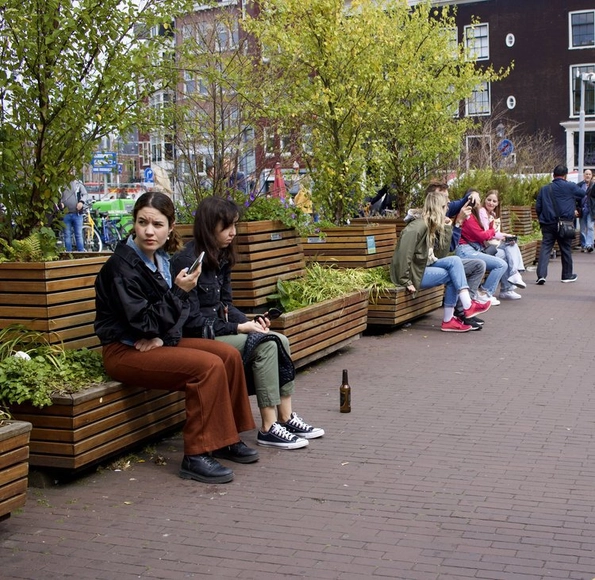
Across Europe and North America, pedestrianisation is increasingly being deployed as a context-specific urban strategy shaped by distinct economic, social, and spatial pressures. As cities continue to reassess the role of streets in the wake of economic shifts, climate pressures, and changing mobility patterns, pedestrianisation is emerging as a tool in current urban transformation efforts. Across London, New York, Houston, and Stockholm, ongoing pedestrian-first projects are testing different pathways toward more resilient and walkable cities, ranging from statutory planning and capital construction to research-driven visioning. London's Oxford Street is advancing through consultation and governance reform to address retail decline; New York's Paseo Park is moving from a temporary pandemic intervention into permanent infrastructure; Houston is accelerating the pedestrianisation of its downtown core in preparation for a global sporting event; and Stockholm's Superline is using design research to rethink the future of an inner-city motorway. These initiatives reveal how pedestrianisation is being actively negotiated, designed, and built today, adapting to local motivations while converging on a shared objective of streets that perform as resilient public spaces rather than traffic conduits.

From London to Houston: Four Ongoing Pedestrianisation Initiatives Shaping More Walkable Cities - Image 2 of 4From London to Houston: Four Ongoing Pedestrianisation Initiatives Shaping More Walkable Cities - Image 3 of 4From London to Houston: Four Ongoing Pedestrianisation Initiatives Shaping More Walkable Cities - Image 1 of 4From London to Houston: Four Ongoing Pedestrianisation Initiatives Shaping More Walkable Cities - Image 8 of 4From London to Houston: Four Ongoing Pedestrianisation Initiatives Shaping More Walkable Cities - More Images+ 12

Off the Mainland: Floating Architecture Projects Redefining the Built Environment

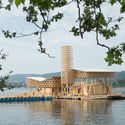
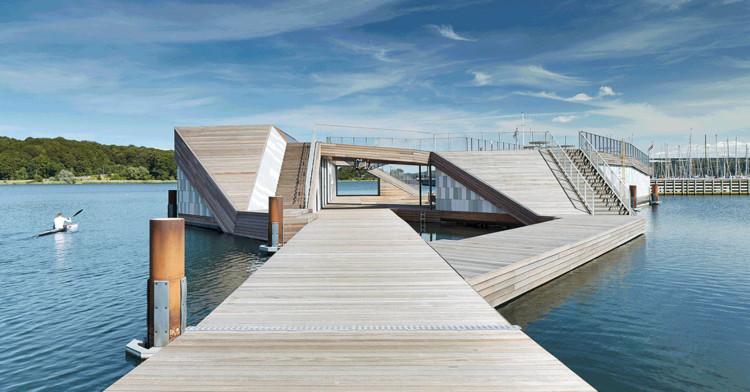
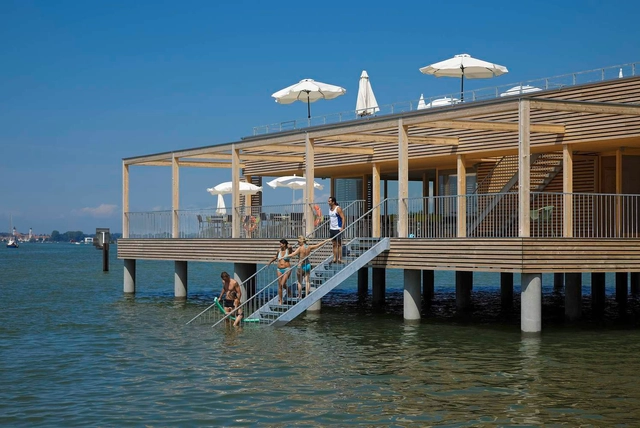
Building above water means doing away with a part of construction that is quite literally the basis of most of our built environment: the foundation. In a world dominated by water, currents, and shifting levels are variables that simply cannot be ignored, which is why the most emblematic feature these projects share is their adaptability.

Instead of robust, deep bases – such as piles or caissons – designed to anchor architecture into the earth, floating structures frequently employ solutions like concrete pontoons or plastic drums to prevent the building from sinking. These are typically paired with anchoring systems to "fix" the structures, even if only temporarily, to a specific location.

Off the Mainland: Floating Architecture Projects Redefining the Built Environment  - Image 1 of 4Off the Mainland: Floating Architecture Projects Redefining the Built Environment  - Image 2 of 4Off the Mainland: Floating Architecture Projects Redefining the Built Environment  - Image 3 of 4Off the Mainland: Floating Architecture Projects Redefining the Built Environment  - Image 4 of 4Off the Mainland: Floating Architecture Projects Redefining the Built Environment  - More Images+ 23

White Arkitekter Designs Bio-Based Timber Neighbourhood Proposal for Hoofddorp, Netherlands

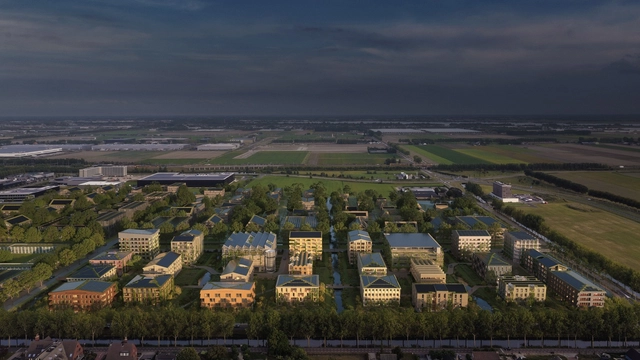
Timpaan, Blauwhoed and White Arkitekter, together with SeARCH, Space&Matter, Atlas Architects and DS Land Landschapsarchitecten, have been selected for the proposed development of The Erven, a timber-based neighbourhood planned for Hoofddorp in the Amsterdam metropolitan region. The winning proposal forms part of a major phase of the Lincolnpark area and outlines approximately 519 homes designed around four courtyards, or erven, inspired by the traditional Dutch farmstead.

Cities Need Care, Not Perfection: Rethinking How We Build the Urban Future

Subscriber Access | 

What does optimism feel like in cities that can no longer rely on perfection as their ultimate ambition? Across the world, urban environments bear the weight of overlapping pressures: climate volatility, spatial inequality, political fragmentation, public distrust, and chronic infrastructural disinvestment. These realities render the idea of an ideal city increasingly detached from lived experience. Yet the hope for building better systems persists. While utopian visions may seem like an escape from the growing complexities of the modern world, the greater challenge for contemporary city-making is to confront those complexities rather than avoid them.
Cities Need Care, Not Perfection: Rethinking How We Build the Urban Future - Image 1 of 4Cities Need Care, Not Perfection: Rethinking How We Build the Urban Future - Image 2 of 4Cities Need Care, Not Perfection: Rethinking How We Build the Urban Future - Image 3 of 4Cities Need Care, Not Perfection: Rethinking How We Build the Urban Future - Image 4 of 4Cities Need Care, Not Perfection: Rethinking How We Build the Urban Future - More Images+ 16

EUmies Awards 2026 Unveil 410 Nominated Works and the Jury Led by Smiljan Radić

The EUmies Awards are organized annually by the Fundació Mies van der Rohe and the European Commission, with the support of the European Union's Creative Europe Programme. Based on the principle that "architecture is not merely a technical or aesthetic matter, but a cultural, environmental, and democratic issue," this 19th cycle of the Prize brings together 410 works from 40 countries and 143 regions across Europe. Beyond recognizing contemporary architecture projects, the Awards also aim to reflect European values such as cultural diversity, sustainability, democracy, and solidarity. This year, most nominated works (23%) are residential projects, including both collective and single-family housing, followed by cultural (13%) and educational (12%) programs. The selection shows a balance between transformations of existing buildings (44%) and new construction (56%), while 12% of the nominees are transnational works and 33% of the studios are 10 years old or younger, underscoring the growing visibility of emerging practices.


EUmies Awards 2026 Unveil 410 Nominated Works and the Jury Led by Smiljan Radić - Image 1 of 4EUmies Awards 2026 Unveil 410 Nominated Works and the Jury Led by Smiljan Radić - Image 2 of 4EUmies Awards 2026 Unveil 410 Nominated Works and the Jury Led by Smiljan Radić - Image 3 of 4EUmies Awards 2026 Unveil 410 Nominated Works and the Jury Led by Smiljan Radić - Image 4 of 4EUmies Awards 2026 Unveil 410 Nominated Works and the Jury Led by Smiljan Radić - More Images+ 17

Parking Garages: Antithesis or Opportunity for 21st-Century Urbanism?

Subscriber Access | 

In an era of people-centered urban planning, 15-minute cities, “eyes on the street,” and active public spaces, parking garages are often seen as the antithesis of contemporary urban ideals. But that was not always the case. If today they challenge architects and planners to reinvent them in pursuit of more sustainable mobility and more human cities, in the past they stood as witnesses to a radical transformation in how we move, inhabit, and perceive urban space. Once symbols of modernity, parking garages embodied the height of an age when the automobile was seen as a driving force of progress. This shift in meaning reveals them as much more than utilitarian structures — they are powerful reflections of the evolution of urbanism, technology, and social habits over the past two centuries.

Parking Garages: Antithesis or Opportunity for 21st-Century Urbanism? - Image 1 of 4Parking Garages: Antithesis or Opportunity for 21st-Century Urbanism? - Image 2 of 4Parking Garages: Antithesis or Opportunity for 21st-Century Urbanism? - Image 3 of 4Parking Garages: Antithesis or Opportunity for 21st-Century Urbanism? - Image 4 of 4Parking Garages: Antithesis or Opportunity for 21st-Century Urbanism? - More Images+ 52

Rising Architectural Voices and New Commissions: The Week’s Review

This week, architectural conversations were shaped by themes of resilience, equity, and cultural relevance, brought into focus by World Architecture Day. Across global contexts, the discipline continues to expand its understanding of strength, not only as structural endurance but as a framework for inclusive, adaptable, and environmentally conscious design. From strategies for gender-equitable public space to new commissions grounded in memory and reconciliation, recent developments reflect how architecture is increasingly positioned as a tool for social engagement and long-term stewardship in the face of ongoing global challenges.

Rising Architectural Voices and New Commissions: The Week’s Review - Image 1 of 4Rising Architectural Voices and New Commissions: The Week’s Review - Image 2 of 4Rising Architectural Voices and New Commissions: The Week’s Review - Image 3 of 4Rising Architectural Voices and New Commissions: The Week’s Review - Image 4 of 4Rising Architectural Voices and New Commissions: The Week’s Review - More Images+ 3

More Than Parking: 12 Projects to Reclaim Urban Space

Subscriber Access | 

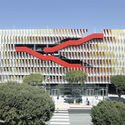
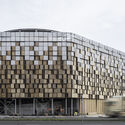
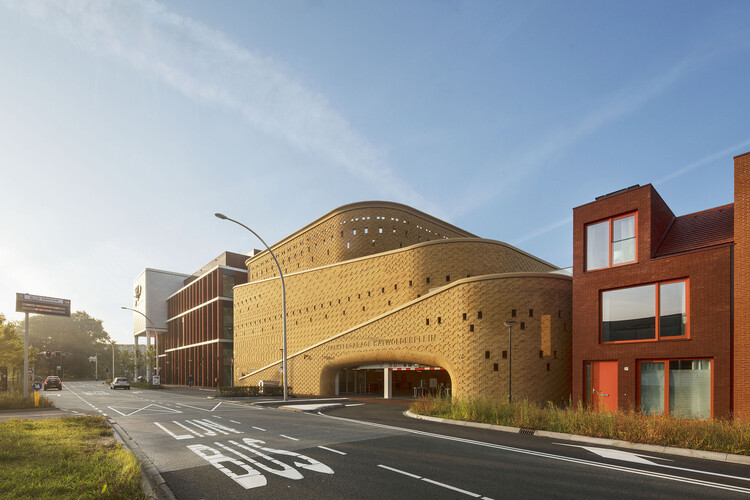
Marginalized in architectural discourse and often dismissed as purely functional, parking garages remain among the most ubiquitous structures in the urban landscape. Designed to accommodate the needs of private vehicles, they occupy central locations, shape skylines, and consume considerable resources, yet rarely receive the same attention — or architectural care — as cultural institutions, schools, or housing. Despite their prevalence, these buildings tend to fade into the background of daily life, treated as infrastructural necessities rather than as design opportunities.

This is beginning to change. As urban mobility undergoes profound transformations — from the decline of car ownership to the rise of electric vehicles and shared transport systems — the role of parking infrastructure is being redefined. Architects and planners are reimagining garages as adaptable frameworks that integrate public space, ecological functions, and mixed-use programs. These new approaches challenge the perception of parking as a residual typology and instead position it as a civic structure with the potential to support more inclusive, flexible, and sustainable urban models.

More Than Parking: 12 Projects to Reclaim Urban Space - Image 1 of 4More Than Parking: 12 Projects to Reclaim Urban Space - Image 2 of 4More Than Parking: 12 Projects to Reclaim Urban Space - Image 3 of 4More Than Parking: 12 Projects to Reclaim Urban Space - Image 4 of 4More Than Parking: 12 Projects to Reclaim Urban Space - More Images+ 26

The Evolution of Public Bathhouses: From Necessity to Experience

Subscriber Access | 

Historically, public bathing was a fundamental necessity for hygiene, giving rise to communal bathhouses in regions where private bathrooms were a rarity. In Japan, for instance, sento bathhouses emerged during the early Edo period, serving as essential facilities when most households lacked their own bathing spaces. Similarly, in other parts of the world where plumbing and water management were considered luxuries, shared public baths became vital components of urban life. Over time, these spaces evolved beyond their functional role, becoming venues for socializing, relaxation, and a temporary escape from daily routines.

However, in the modern era, private bathrooms have become ubiquitous in contemporary homes, effectively addressing the hygiene concerns that once made public bathhouses indispensable. With the rise of alternative social spaces—cafés, fitness centers, bars, and jazz lounges—the traditional communal bath no longer serves the same essential function. While some may still appreciate the social aspect of public bathing, the inconvenience of changing clothes and getting wet in front of strangers can deter many from engaging in the experience.

The Evolution of Public Bathhouses: From Necessity to Experience - Image 1 of 4The Evolution of Public Bathhouses: From Necessity to Experience - Image 2 of 4The Evolution of Public Bathhouses: From Necessity to Experience - Image 3 of 4The Evolution of Public Bathhouses: From Necessity to Experience - Image 4 of 4The Evolution of Public Bathhouses: From Necessity to Experience - More Images+ 29

Designing for Happiness: Exploring the Connection between Architecture and Mental Health

While not entirely dependent on one another, the relationship between architecture and mental well-being is an important topic, as designers and architects can contribute to creating a more enjoyable environment for everyone. From strategies to enhance mental health in shared workspaces to the ways in which architecture can contribute to preventing cognitive decline, understanding the potential impact of environmental neurosciences and the ways they apply to architecture is an essential skill for our profession.

Designing for Happiness: Exploring the Connection between Architecture and Mental Health - Image 1 of 4Designing for Happiness: Exploring the Connection between Architecture and Mental Health - Image 2 of 4Designing for Happiness: Exploring the Connection between Architecture and Mental Health - Image 3 of 4Designing for Happiness: Exploring the Connection between Architecture and Mental Health - Image 4 of 4Designing for Happiness: Exploring the Connection between Architecture and Mental Health - More Images+ 12

What are Innovation Districts?

Subscriber Access | 

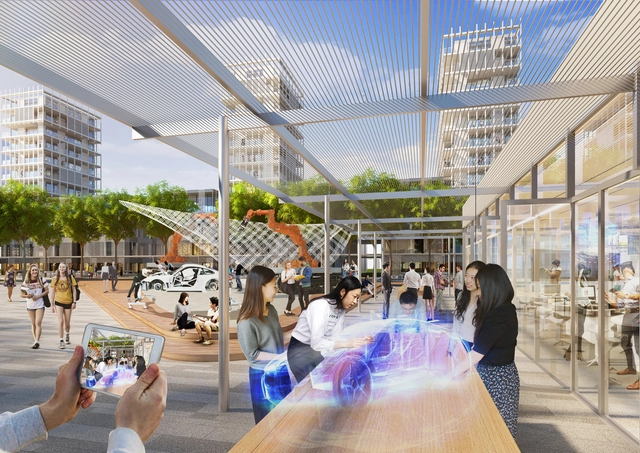
As technology and infrastructure rapidly evolve, a new buzzword finds itself in conversations across industries - innovation. The word is more relevant in light of future-facing challenges such as climate change, inequality, and economic crises. As a result of a surging interest in these concepts, innovation hubs have emerged across the world, aiming to foster creative and collaborative economies to spark quick change. What are innovation districts and how do they influence the built environment?

What are Innovation Districts? - Image 1 of 4What are Innovation Districts? - Image 2 of 4What are Innovation Districts? - Image 3 of 4What are Innovation Districts? - Image 4 of 4What are Innovation Districts? - More Images+ 6

How to Build Public Spaces for Teen Girls

Teen girls are neither children nor adults, meaning they have specific needs and behaviours different from both these groups. Unfortunately, like many marginalized groups, these needs and behaviours have not been met or encouraged through our built environment as it has for others. For example, playgrounds are built for children to let off steam and sports courts that foster competition are targeted at men and teen boys. 

Accordingly, not building public spaces with the needs of teen girls in mind allows other groups of people, predominantly men who already take up 80% of public spaces, to continue to dominate them. Making teen girls feel ten times less secure in public spaces. Not only does this absence affect their social, physical, and mental development, but it also complicates how they see where they belong in public spaces.

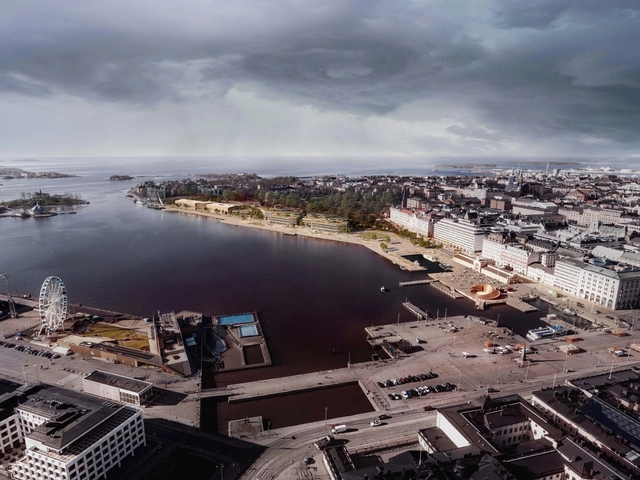
White Arkitekter and K2S Architects Win Competition to Design New Waterfront Cultural Destination in Helsinki

The city of Helsinki has announced White Arkitekter and K2S Architects as the winners of the competition to design a new waterfront cultural destination in the Makasiiniranta area of Helsinki’s South Harbor. The redevelopment includes the site of a New Museum of Architecture and Design. Titled ‘Saaret,’ which translates to ‘The Islands,’ the proposal aims to create a well-integrated development that brings together cultural and sustainable environments. It also promises to improve the area’s microclimate and create bio-diverse habitats by using the space available on the rooftops to add beehives, vegetable and herb gardens.

White Arkitekter and K2S Architects Win Competition to Design New Waterfront Cultural Destination in Helsinki - Image 1 of 4White Arkitekter and K2S Architects Win Competition to Design New Waterfront Cultural Destination in Helsinki - Image 2 of 4White Arkitekter and K2S Architects Win Competition to Design New Waterfront Cultural Destination in Helsinki - Image 3 of 4White Arkitekter and K2S Architects Win Competition to Design New Waterfront Cultural Destination in Helsinki - Image 4 of 4White Arkitekter and K2S Architects Win Competition to Design New Waterfront Cultural Destination in Helsinki - More Images+ 2

World Architecture Festival Announced Day 1 Winners

World Architecture Festival, opened its doors yesterday in Lisbon. Following an exciting day of live presentations, in which hundreds of shortlisted projects were presented by architectural and design practices from around the world, the first award winners of the 2022 festival have been announced. Amongst the first day’s award category winners are Woods Bagot, Sanjay Puri Architects, HKS, White Arkitekter and many more.

Snøhetta and White Arkitekter Transform an Old Quarry in Sweden into a Sustainable Residential Development

Construction broke ground on the Wendelstrand residential development that will transform an old quarry outside Gothenburg into an environmentally friendly and socially sustainable neighbourhood. Developed by Next Step Group and designed by Snøhetta and White Arkitekter, together with Tham & Videgård, Andreas Martin-Löf Architects and Liljewall, the project will feature 1000 homes of various typologies and a series of amenities. The first stage of the development debuts with the Snøhetta-designed Lakehouse, a communal building that blends with the landscape.

Snøhetta and White Arkitekter Transform an Old Quarry in Sweden into a Sustainable Residential Development  - Image 1 of 4Snøhetta and White Arkitekter Transform an Old Quarry in Sweden into a Sustainable Residential Development  - Image 2 of 4Snøhetta and White Arkitekter Transform an Old Quarry in Sweden into a Sustainable Residential Development  - Image 3 of 4Snøhetta and White Arkitekter Transform an Old Quarry in Sweden into a Sustainable Residential Development  - Image 4 of 4Snøhetta and White Arkitekter Transform an Old Quarry in Sweden into a Sustainable Residential Development  - More Images+ 11

Helsinki Redesigns Its Maritime Façade Through an International Competition

Helsinki Redesigns Its Maritime Façade Through an International Competition - Featured Image
Courtesy of Makasiiniranta International Competition

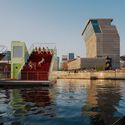
Helsinki seeks to transform the Makasiiniranta area into an extension of its pedestrian city centre through a competition that will reshape a significant part of its maritime façade. The two-phase competition has shortlisted nine international groups whose proposals were made available for public feedback under anonymity. As most of the former industrial areas of the city have been redeveloped, Makasiinirantais is the last part of the old harbour waiting to undergo transformation and the most significant one, as it is considered a nationally valuable environment.

Helsinki Redesigns Its Maritime Façade Through an International Competition - Image 1 of 4Helsinki Redesigns Its Maritime Façade Through an International Competition - Image 2 of 4Helsinki Redesigns Its Maritime Façade Through an International Competition - Image 3 of 4Helsinki Redesigns Its Maritime Façade Through an International Competition - Image 4 of 4Helsinki Redesigns Its Maritime Façade Through an International Competition - More Images+ 6

How Social Sciences Shape the Built Environment

Within an increasingly specialized environment, architecture is becoming a collective endeavour at every stage of the design process, and social sciences have acquired an important role. As architecture has become more aware of its social outcome, decisions formerly resulted from the speculative thinking of the architect are now backed up by professional expertise. The following discusses the increasing role of humanist professions such as anthropology, psychology, or futurology within architecture.

How Social Sciences Shape the Built Environment - Image 1 of 4How Social Sciences Shape the Built Environment - Image 2 of 4How Social Sciences Shape the Built Environment - Image 3 of 4How Social Sciences Shape the Built Environment - Image 4 of 4How Social Sciences Shape the Built Environment - More Images+ 2

White Arkitekter to Design One Kilometre Long Extension for a Park in Norway

White Arkitekter has won a competition to design a new beach park and sea bath in Bergen, Norway. The waterfront proposal entitled “True Blue” generates “a new meeting place where residents will be challenged to experience the water’s qualities throughout the year”. Inspired by water, the most tangible element in Bergen, the winning project creates a sustainable park, upon the competition’s brief.

White Arkitekter to Design One Kilometre Long Extension for a Park in Norway - Image 1 of 4White Arkitekter to Design One Kilometre Long Extension for a Park in Norway - Image 2 of 4White Arkitekter to Design One Kilometre Long Extension for a Park in Norway - Image 3 of 4White Arkitekter to Design One Kilometre Long Extension for a Park in Norway - Image 4 of 4White Arkitekter to Design One Kilometre Long Extension for a Park in Norway - More Images+ 3